

Vitamin C is one of the most well-established actives in skin care, and for good reason. It's a genuine antioxidant, meaning it helps defend skin against the everyday environmental stress of pollution and UV exposure, and it's widely valued for brighter, more even-looking skin and a healthier-looking glow.
It also plays a role in the skin's own collagen production, which is part of why it turns up so often in routines aimed at firmer, more resilient-looking skin over time.
What can vitamin C actually do for skin?
Antioxidant protection
Vitamin C helps neutralise the free radicals generated by pollution and sun exposure, support that works alongside sunscreen rather than instead of it.
A brighter, more even-looking skin tone This is where vitamin C has the strongest reputation, helping fade the look of dark spots and dullness with consistent use.
Support for the skin's own collagen production This is part of what keeps skin looking firm and resilient, particularly relevant as skin matures.
A healthier-looking glow
Even without any targeted concern, it's a popular everyday step simply for the finish it leaves behind.
Choosing the right format for your routine
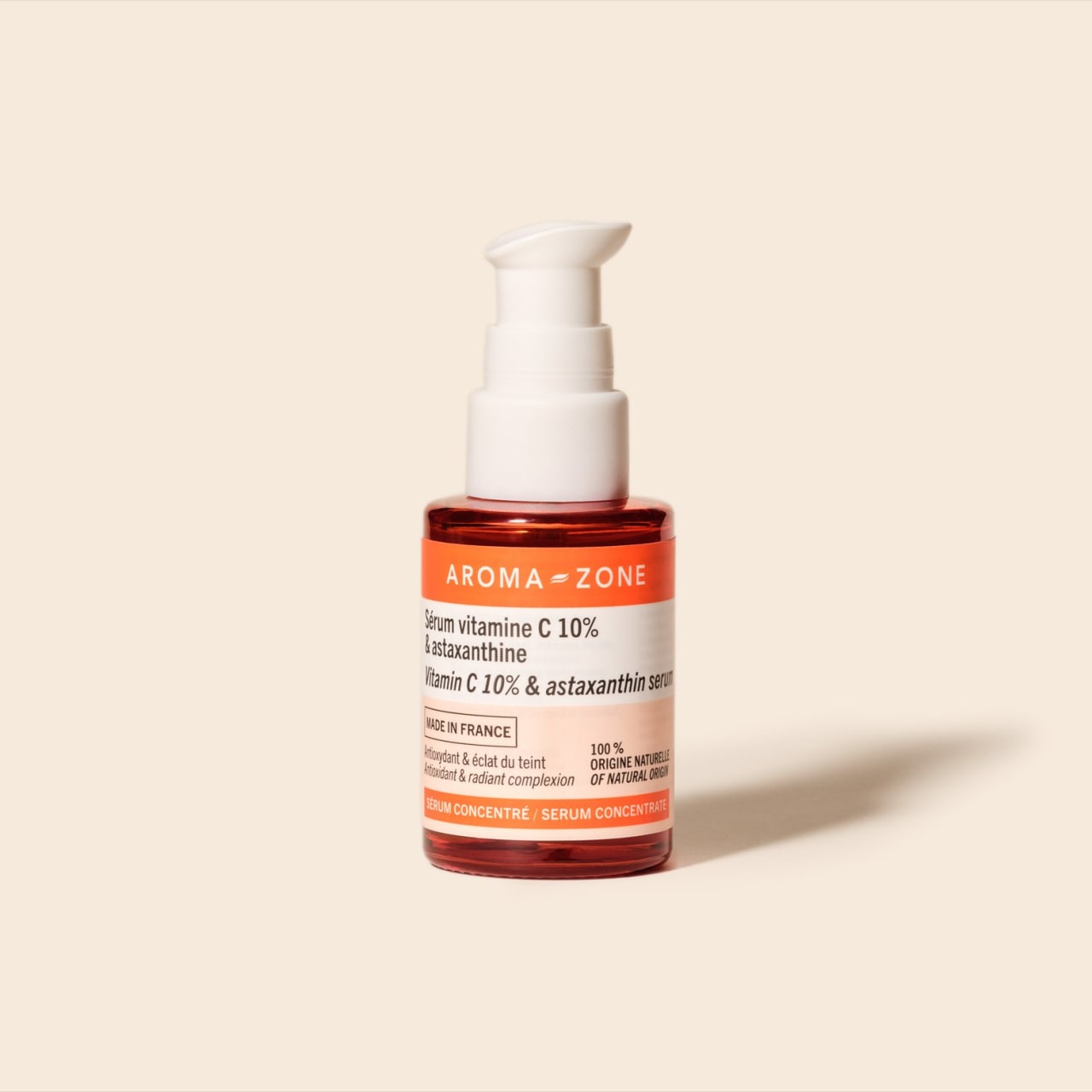
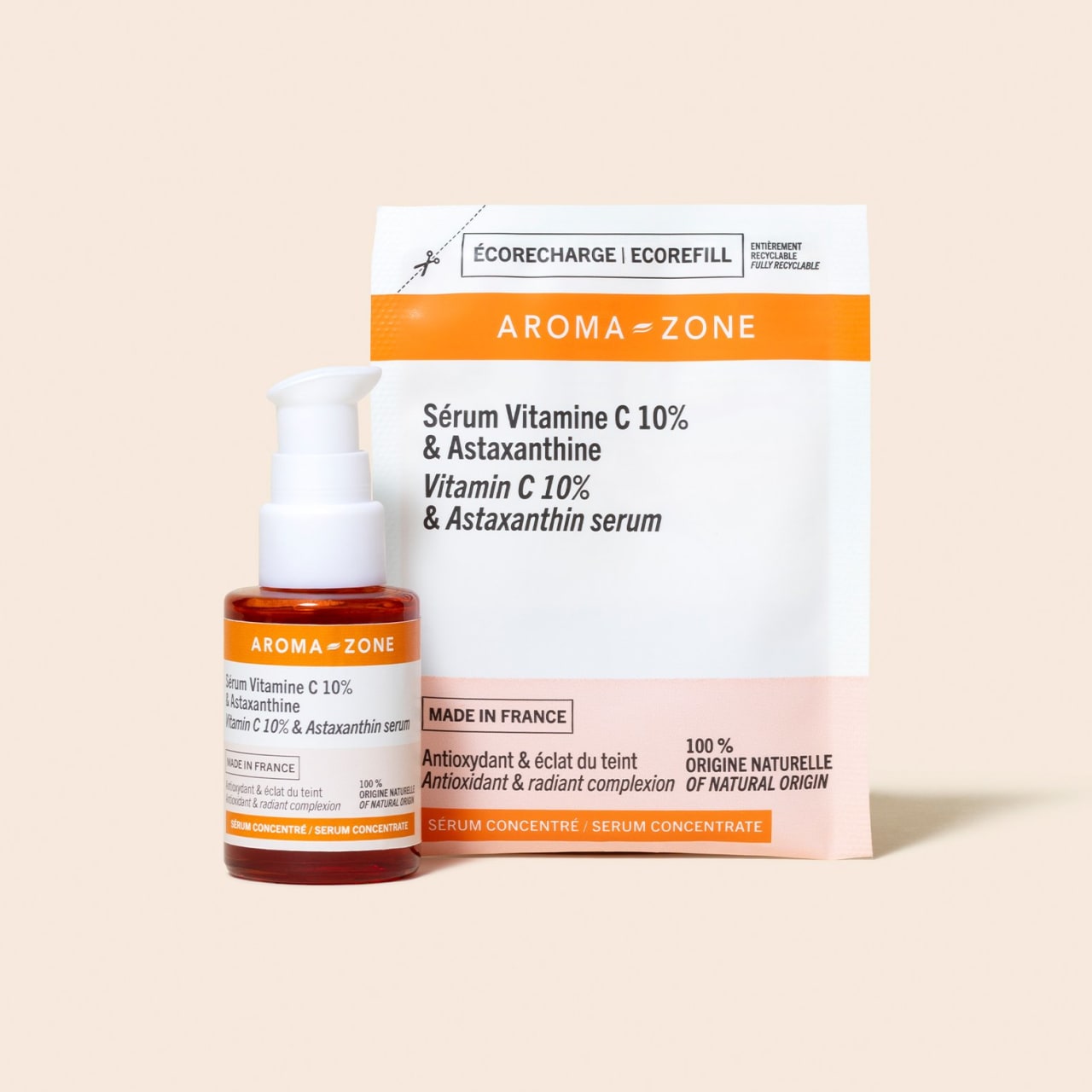
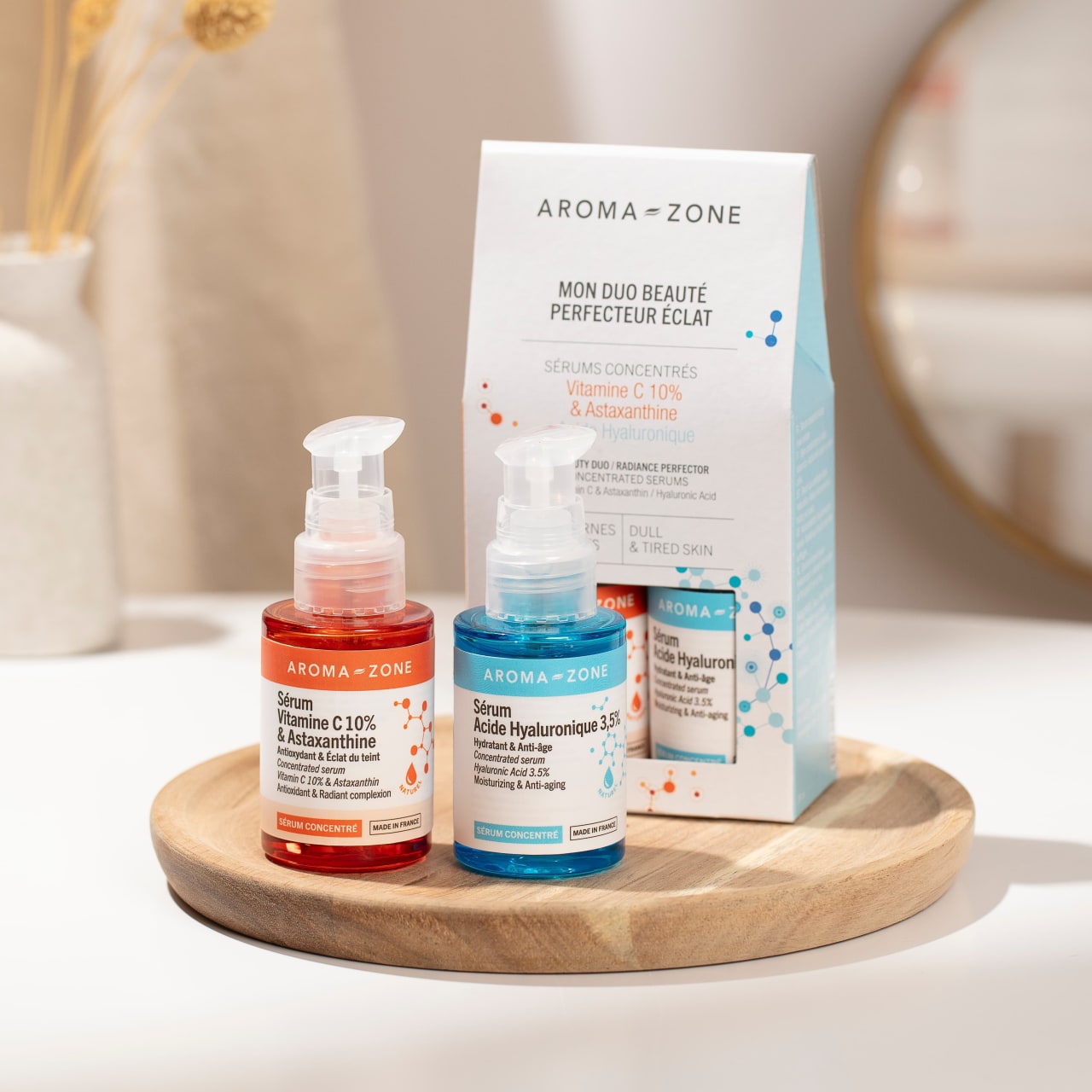
A concentrated serum, our Vitamin C 10% & Astaxanthin Serum pairs vitamin C with astaxanthin, another potent antioxidant, for a routine squarely built around protection and radiance. If you'd rather make up smaller, fresher batches as you go, the 10% Vitamin C and Astaxanthin Serum Eco Kit is worth a look too.
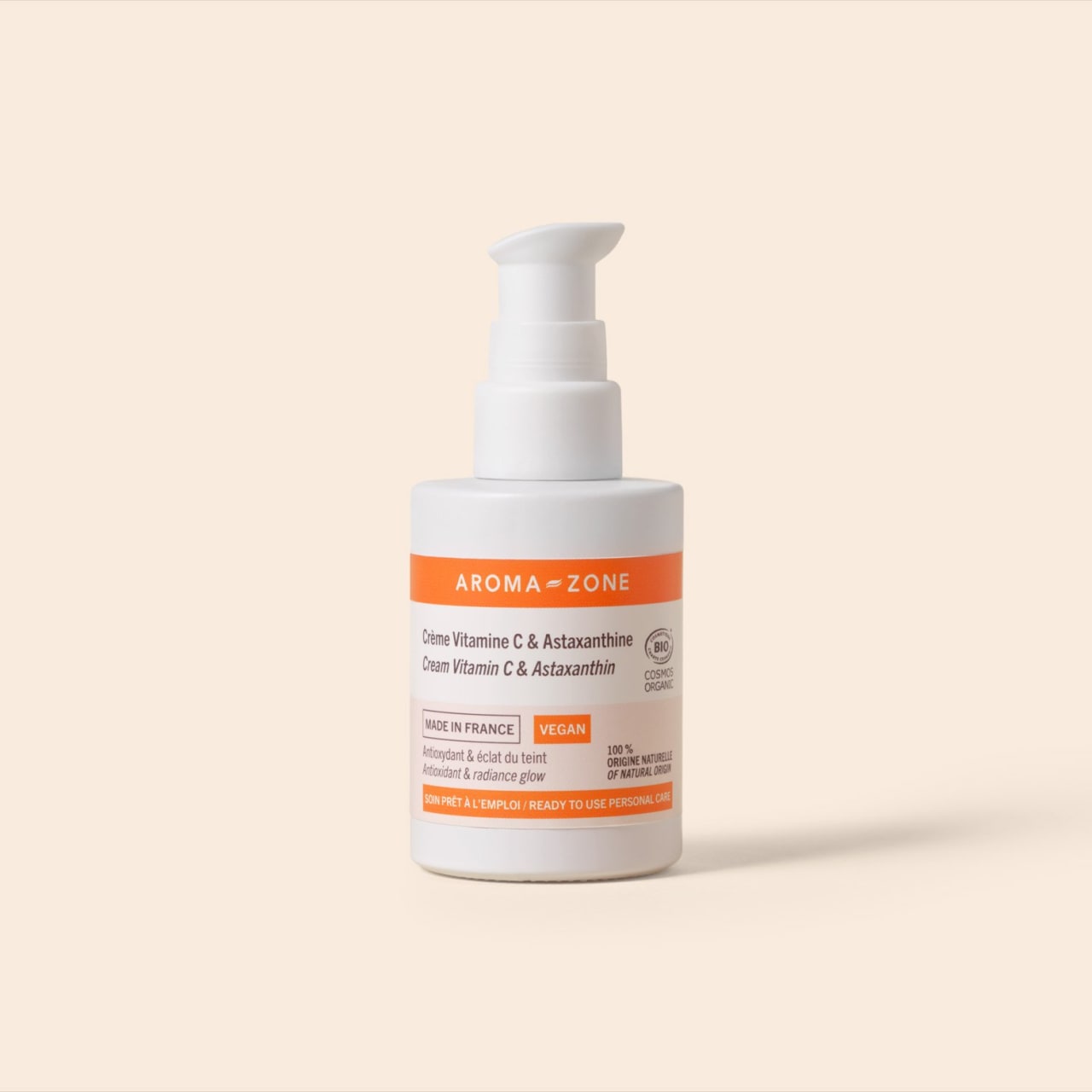
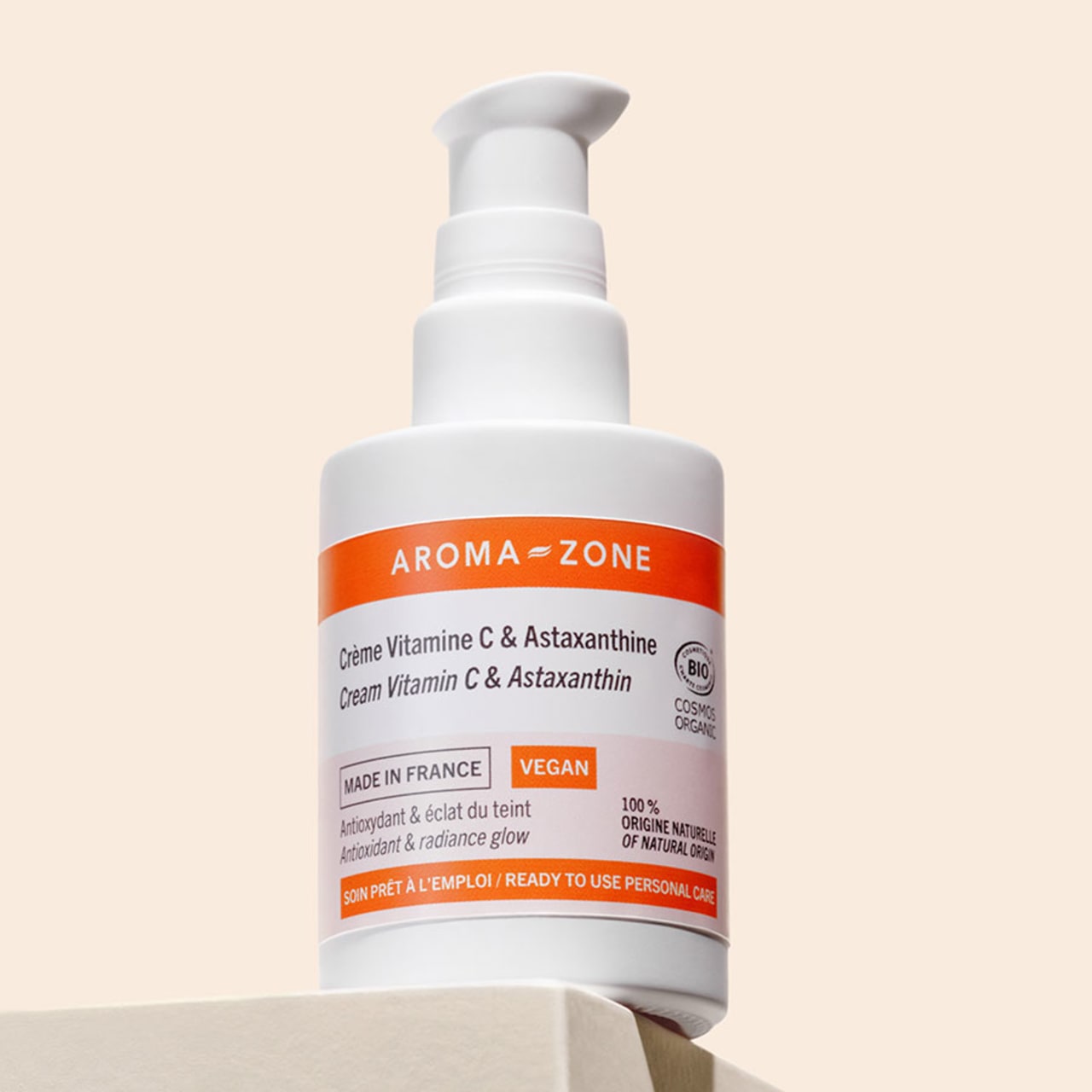
A cream, our Vitamin C & Astaxanthin Cream is a simpler way to bring vitamin C into a daily routine without an extra serum step.
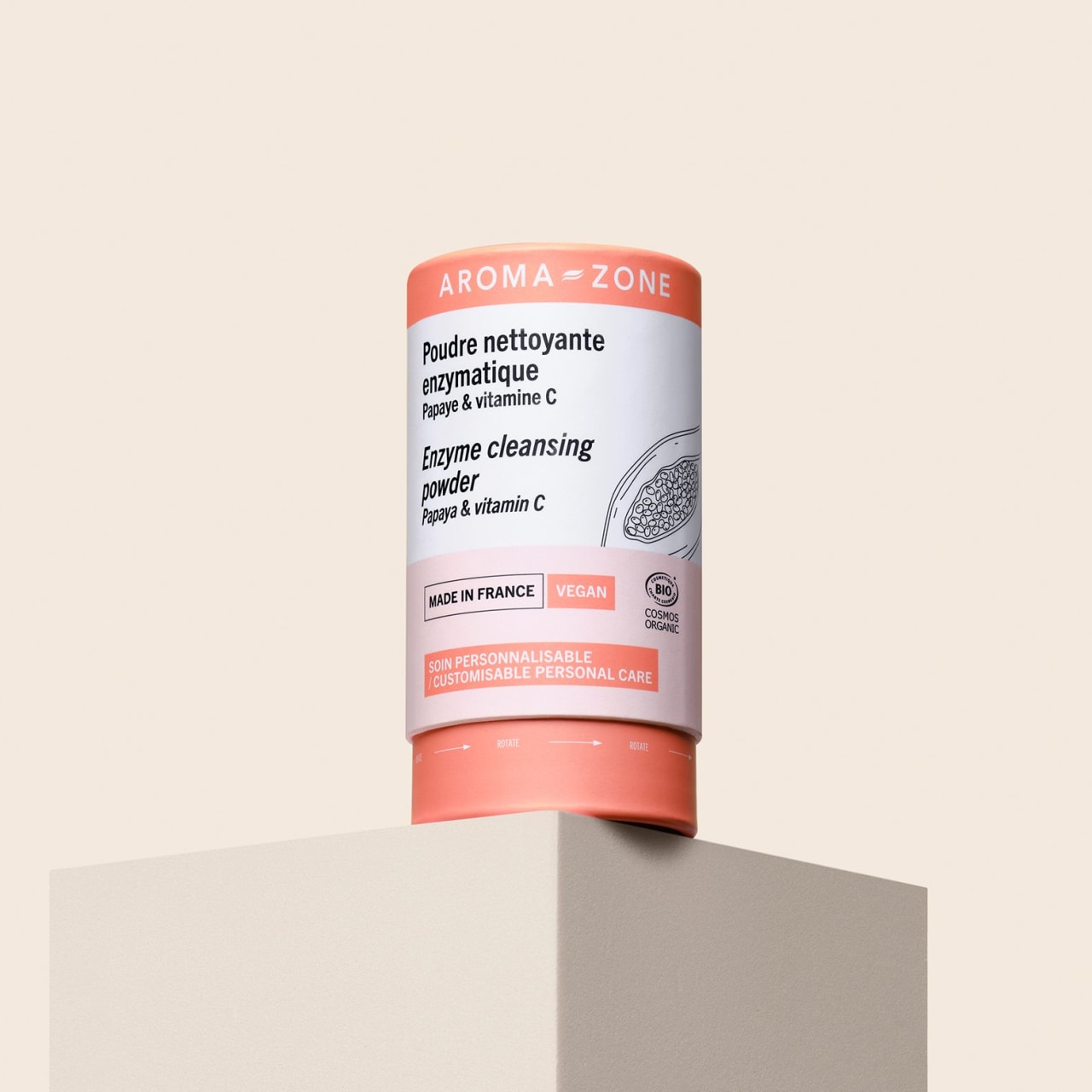
A cleansing step, our Papaya & Vitamin C Enzyme Cleansing Powder combines gentle enzyme exfoliation with vitamin C, a nice way to start a brightening routine from the very first step.
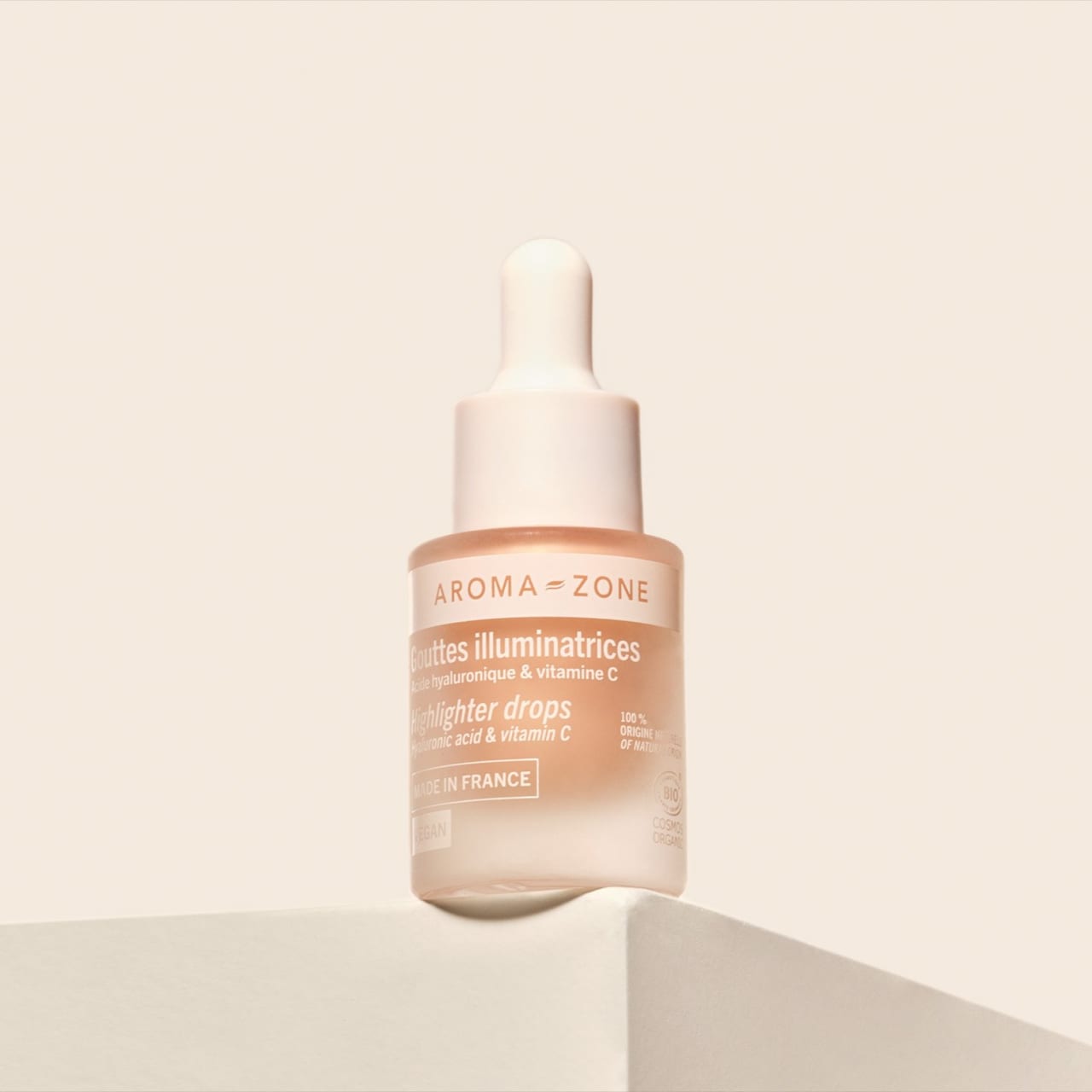
A highlighting finish, our Hyaluronic Acid & Vitamin C Highlighting Drops sits closer to make-up than skin care, a quick way to add glow on top of a routine rather than within it, and pairs naturally with our hyaluronic acid treatments if hydration's also on your list.
A bar soap, our Brightening Soap if you'd rather keep things simple at the cleansing stage.
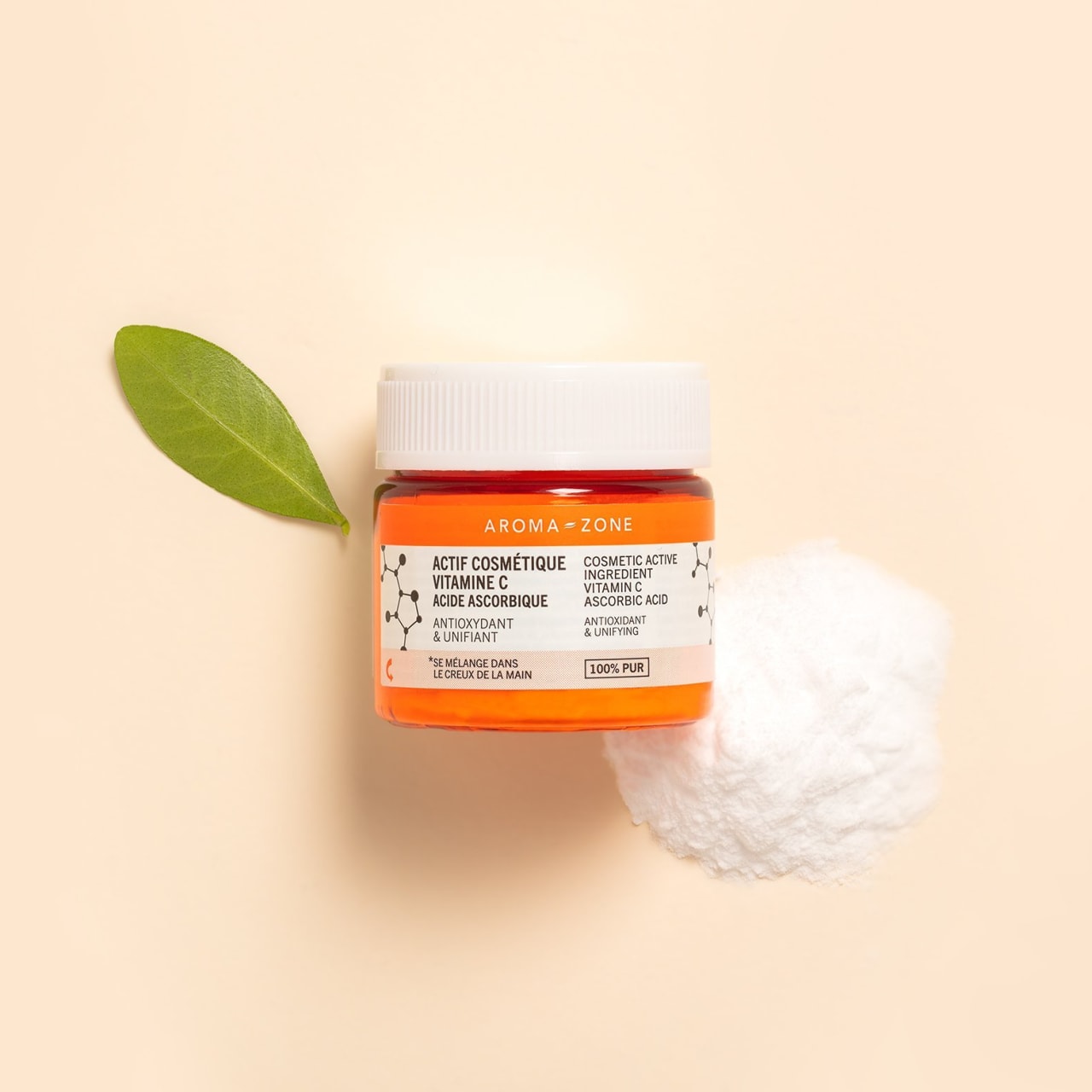
The pure active ingredient, our Ascorbic Acid Pure Vitamin C Active Ingredient is for anyone who likes to formulate their own routine from scratch, though it's worth knowing this is a more concentrated, lower-pH ingredient than a ready-made serum, so it needs proper dilution and a patch test before going anywhere near your face.
Matching it to a concern
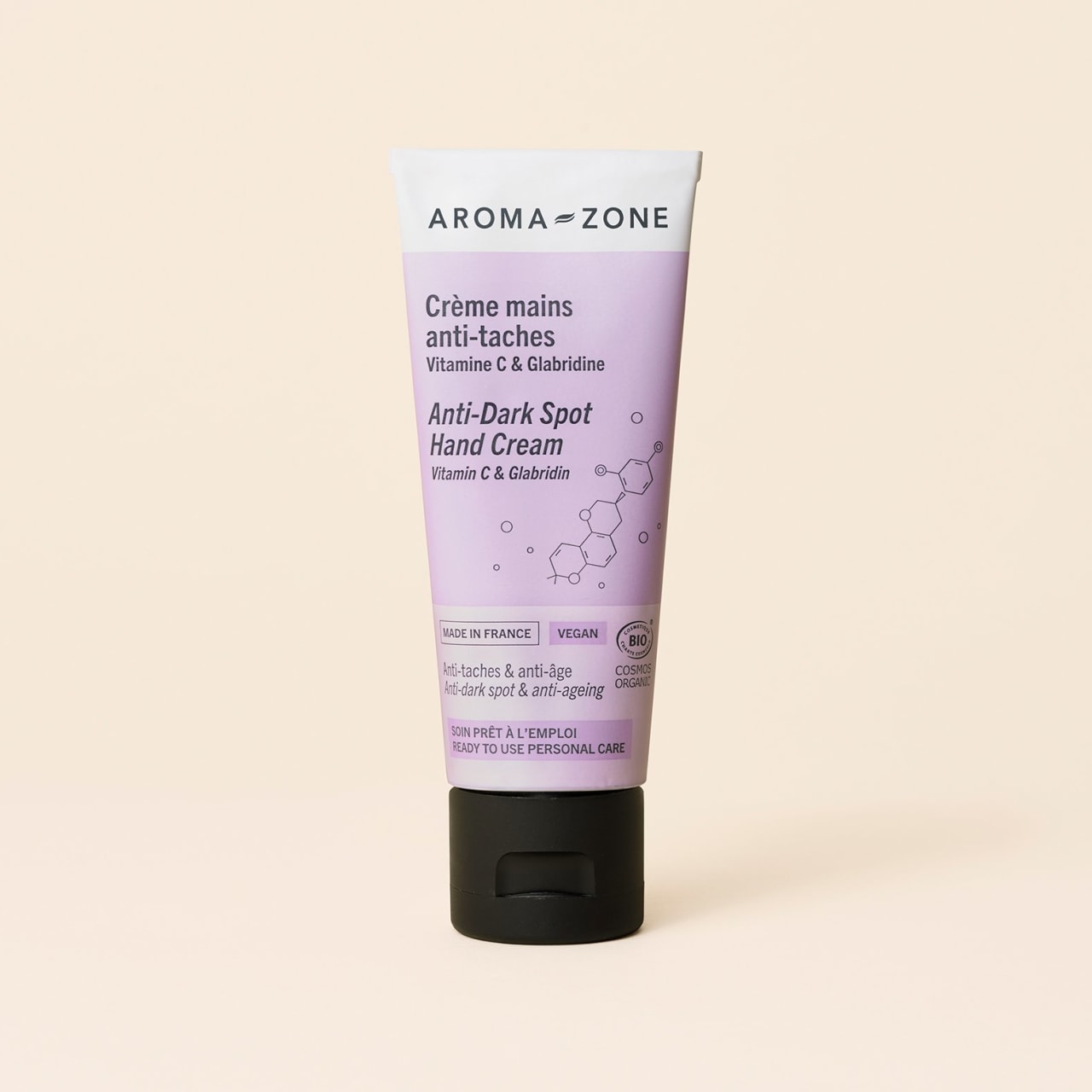
If dark spots or an uneven tone are the main focus, our Anti-Dark Spot Hand Cream – Vitamin C & Glabridin pairs vitamin C with glabridin, a liquorice root extract with its own brightening reputation. Our dark spots and hyperpigmentation selection has more if that's the main concern, for hands or elsewhere.
If dullness and lost radiance are the issue, our My Beauty Duo Radiance Perfector builds a small routine specifically around that.
If skin's starting to look like it's lost some firmness, vitamin C's role in collagen support makes it a natural fit alongside our mature skin selection.
A naturally rich source, and getting it from food too
Vitamin C isn't unique to any one ingredient.
Citrus fruits are the best-known source, but weight for weight, acerola, kakadu plum, blackcurrants, kiwi fruit and rosehips all rank higher, alongside everyday vegetables like broccoli, peppers and cauliflower.
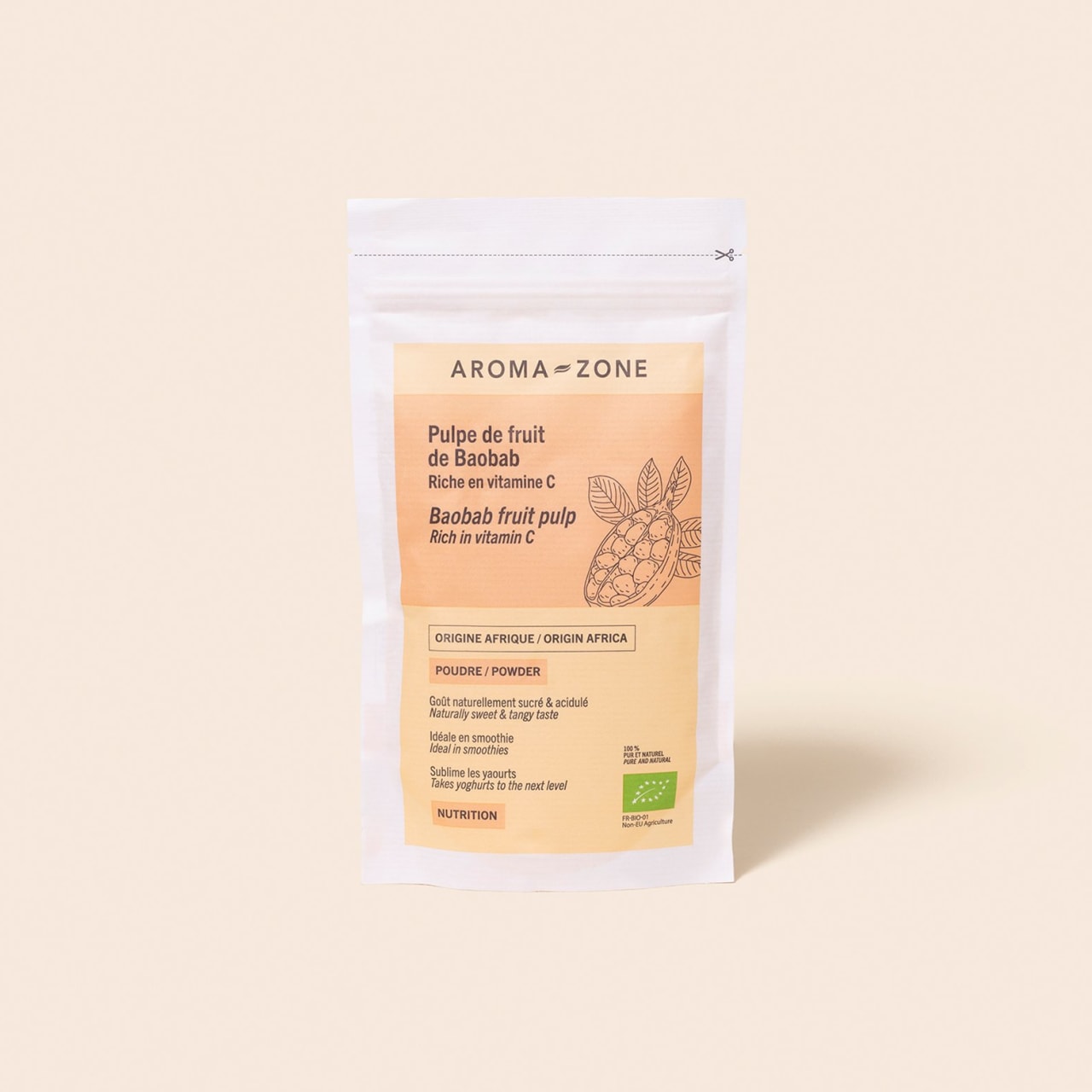
Baobab fruit pulp belongs firmly on that list too, one of the richest natural sources around, our Organic Baobab Fruit Pulp Powder can be stirred into a homemade mask or into food, whichever you'd rather use it for.
To dive into the subject even deeper, our full breakdown of vitamin C-rich foods goes through the complete list in more detail.
How much vitamin C do we need?
Most adults need around 80mg a day from diet alone, the EU's reference intake, and getting meaningfully above that through food takes a bit of effort.
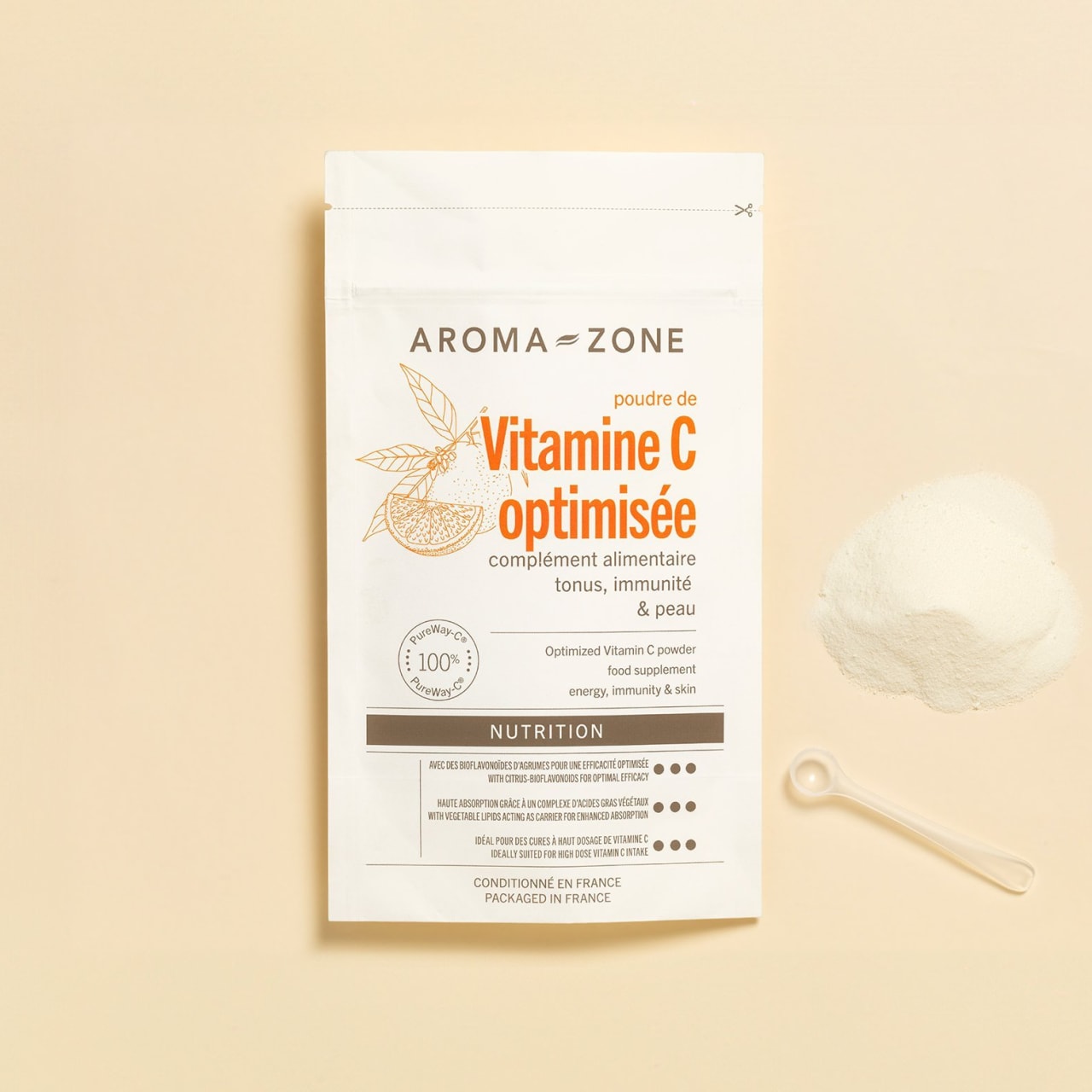
For anyone who'd rather take vitamin C as a food supplement, our Optimised Vitamin C Powder is recognised as contributing to normal collagen formation for the normal function of skin, among other things, taken alongside a varied, balanced diet rather than instead of one.
Getting the most out of your vitamin C product
How to store it?
Vitamin C, particularly in its pure ascorbic acid form, oxidises when exposed to light and air. Store it away from direct light, keep the lid on properly, and use it within the timeframe stated on the packaging.
When to apply it?
Applied in the morning and followed by sunscreen, it's a genuinely good pairing, vitamin C supports skin against everyday environmental stress, sunscreen is still doing the main job of UV protection, and neither replaces the other.
A couple of things worth knowing
Vitamin C can be more acidic than other actives, so a patch test is worth doing before working it into a full routine, particularly for sensitive skin.
Introduce it gradually alongside other actives rather than all at once, and if dark spots or pigmentation changes feel sudden or unusual rather than simply a question of tone or dullness, that's worth a conversation with a dermatologist rather than something to address with skin care alone.
Not sure which vitamin C product suits your skin best? Take one of our beauty diagnostics and find your perfect match.


