
Vitamin C is an essential micronutrient for humans, with pleiotropic functions linked to its ability to donate electrons. It acts as a powerful antioxidant and is a cofactor for a family of biosynthetic and gene-regulating enzymes. Vitamin C contributes to immune defence by supporting various cellular functions of the innate and adaptive immune system. It promotes the epithelial barrier function against pathogens and stimulates the oxidant-neutralising activity of the skin, potentially protecting it against environmental oxidative stress.
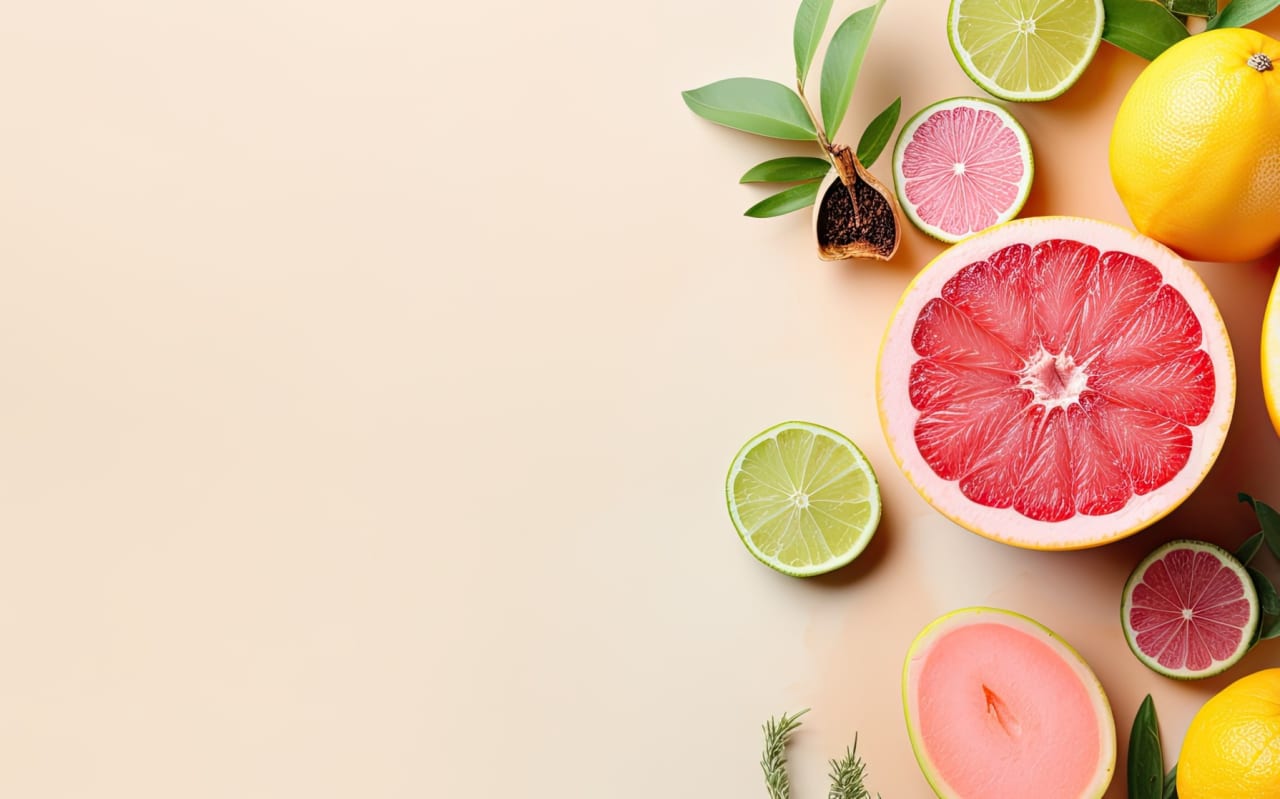
What foods are rich in vitamin C?
By Gipsy Dauge
Published on: Tuesday, January 16, 2024, Updated on: Wednesday, October 21, 2026
Vitamin C is essential for maintaining optimum health. Citrus fruits, such as oranges, grapefruit and lemons, are well-known sources, as are berries, such as strawberries and raspberries. Green vegetables, such as broccoli, peppers and spinach, are also excellent options. By incorporating these foods into your daily diet, you'll not only promote a strong immune system, but also contribute to healthy skin, healthy bones and protect your body against oxidative stress.
Contents
Related products

Vitamin C 10% & Astaxanthin Serum
Radiant complexion
Antioxidant
£9.00
30 ml
2 options

Ascorbic Acid Pure Vitamin C Active Ingredient
Radiant complexion
Antioxidant
£4.00
10 g
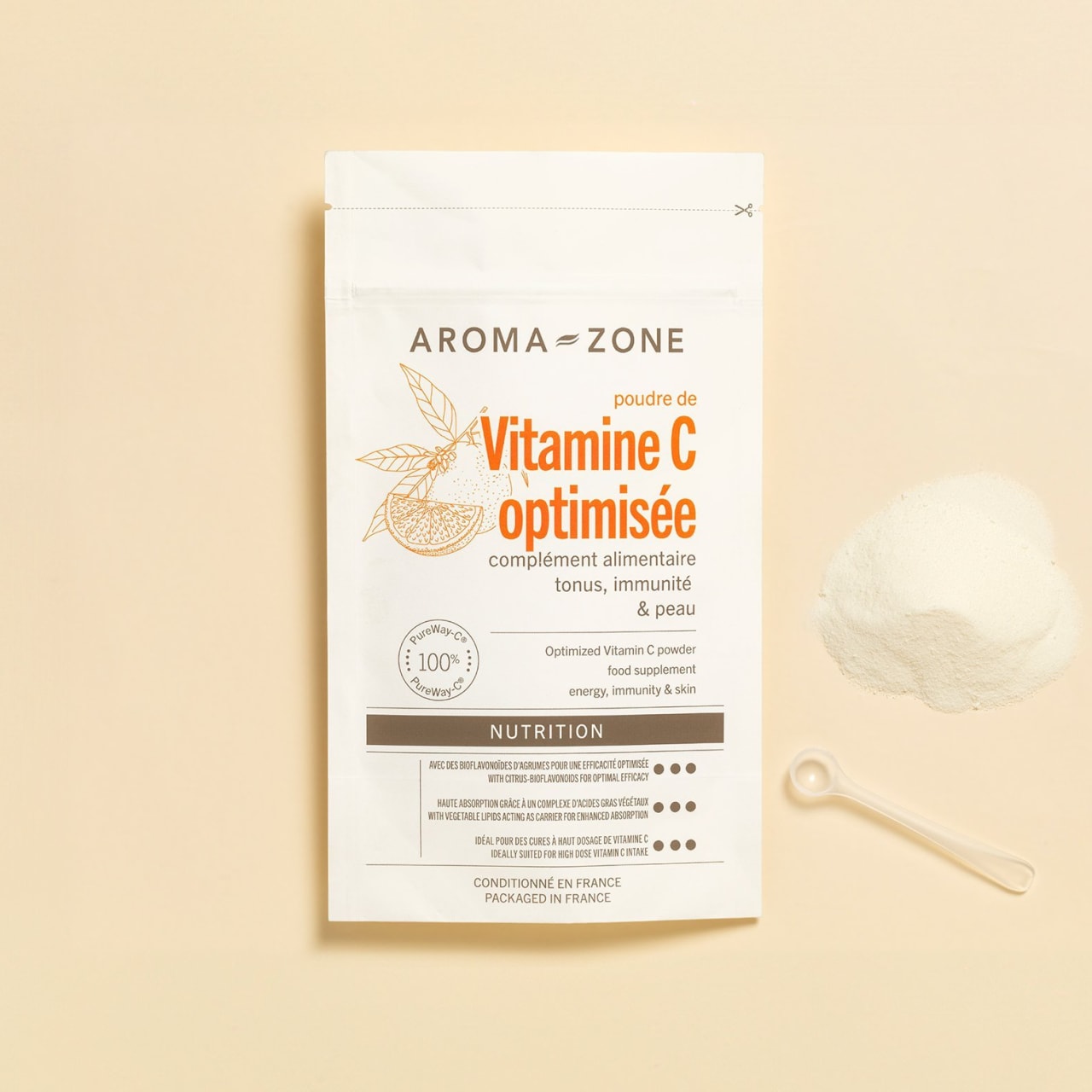
Optimised Vitamin C Powder
Vitality
£16.00
150 g
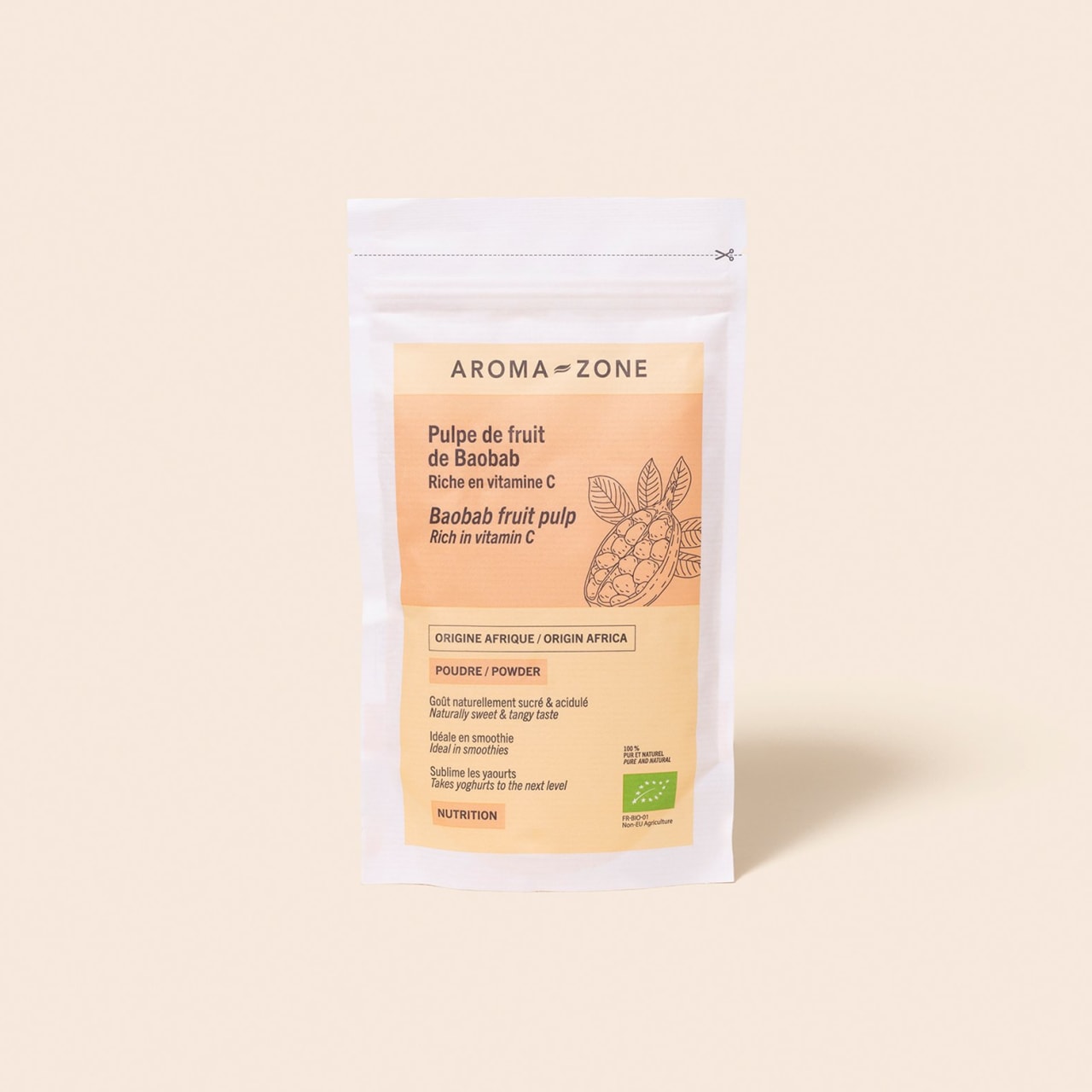
Organic Baobab Fruit Pulp Powder
Rich in vitamin C
£9.00
150 g
What is vitamin C?
What dose of vitamin C is recommended?
The recommended amount of vitamin C for adults, known as the Nutrient Reference Value (NRV), is 80 mg per day. This amount is considered sufficient to maintain normal health in healthy individuals. Given that vitamin C is present in many fruits and vegetables, it is generally considered that most balanced diets provide an adequate amount of vitamin C. However, if you are feeling unwell, lead a stressful life, or have one or more factors associated with vitamin C deficiency, you may want to boost your diet with vitamin C supplements.
Where can I find vitamin C naturally?
Depending on the extent of the vitamin C deficiency, whether it is clinical or biological, it is possible to compensate for it by eating foods rich in this vitamin. Preferably, choose raw forms to avoid degradation (oxidation and hydrolysis) or any loss during cooking. Another option is to get a medical prescription. Certain food supplements are also available to ensure you get the recommended daily intake of vitamin C.
A closer look at our vitamin C food supplement
This vitamin C food supplement is in powder form. It guarantees high absorption by the body and excellent digestive tolerance. PureWay-C® combines vitamin C with a complex of vegetable lipids and citrus bioflavonoids. This form of vitamin C is ideal for boosting the immune system before winter or if you're experiencing temporary fatigue. It can be used on a daily basis as an essential food supplement or as a revitalising course of treatment. Vitamin C also contributes to good skin by helping to synthesise collagen and combat oxidative stress.
What are the 15 fruits and vegetables richest in vitamin C?
Among the ingredients richest in vitamin C are: acerola purée, kakadu plums, blackcurrants, kiwi fruit, citrus fruit, strawberries, cauliflower, cabbage, liver, kidneys, apples, pears, peaches, grapes, cooked green vegetables (broccoli and spinach), salads, cooked potatoes, meat, fish and dairy products. Other foods include rosehips, peppers, tomatoes, onions and aubergines.
Is it dangerous to take too much vitamin C?
Taking a dose between 200 and 250 mg of vitamin C a day is considered to be in excess of normal nutritional requirements. When you consume around 200 mg, the effects on your body are similar, whether from your diet or from specific supplements that allow your tissues to be properly saturated. It is generally safe to consume up to 500 mg of vitamin C per day, but there are potential risks associated with exceeding this limit.
The risks associated with excessive vitamin C consumption include oxalate-based kidney stones forming, especially if you consume more than 1 gram of vitamin C per day, particularly if you also have a vitamin B6 deficiency. People with haemochromatosis, a disorder of excessive iron accumulation, may find this exacerbated with excessive vitamin C consumption. There may also be digestive problems due to the acidity of vitamin C. Although some have raised the possibility that vitamin C may have a pro-oxidant effect, this has not been conclusively proven. There is also a risk of addiction, and if you stop taking supplements abruptly, there may be a risk of developing scurvy. Nevertheless, although links have been established between vitamin C metabolism and nerve transmission in animal studies, it has not been scientifically proven that vitamin C has a stimulating effect in humans.
Spotlight on our writer: Gipsy Dauge

Gipsy is a graduate of ESJ Paris. After 10 years’ experience in general and women’s magazines, she decided to specialise in writing about health and wellbeing. With a yin yoga qualification under her belt, she now skilfully combines her writing with her yoga mat. Her aim goes far beyond mere words. Her commitment runs deep: to help readers incorporate small tips into their daily lives that help them look after themselves and their environment. Every word is an invitation to adopt a balanced and fulfilling lifestyle.
Bibliography
Vitamin C and Immune Function
https://www.mdpi.com/2072-6643/9/11/1211?ref=blog.vitable.com.au
VITAMIN C DEFICIENCY
http://maitredestage.free.fr/congres/forum_rangueil_2008/pages/16h15_18h00/pdf_nutri_denutri/deficits_en_vitamine_C.pdf
Le guide complet de la vitamine C
https://www.abundanceandhealth.fr/upload/ultimate-guides/FR-Ultimate-guide-vitc.pdf
Frequently Asked Questions
Associated recipe

Associated tip

Nutrients, Vitamins, Minerals & Antioxidants


