
Sciatica, also known as sciatic neuralgia, is pain that occurs when the sciatic nerve is compressed or irritated. This nerve originates at the base of the spine and runs through the buttock and the back of the thigh, all the way to the foot. When the nerve is affected, it is common to experience discomfort or pain along its pathway. Sciatica is therefore not a disease per se, but rather a sign of an underlying issue affecting the nerve.

How Can You Relieve Sciatica Naturally?
Published on: Thursday, August 14, 2025, Updated on: Wednesday, October 28, 2026
Sciatica is intense nerve pain that can affect daily life and become chronic. It typically manifests as pain in the lower back that radiates down the entire length of the leg. While medical care is essential, there are gentle, natural solutions to complement treatment and provide lasting relief. This article will explore the causes of this condition, the symptoms to watch for, and effective natural approaches.
Contents
Related products
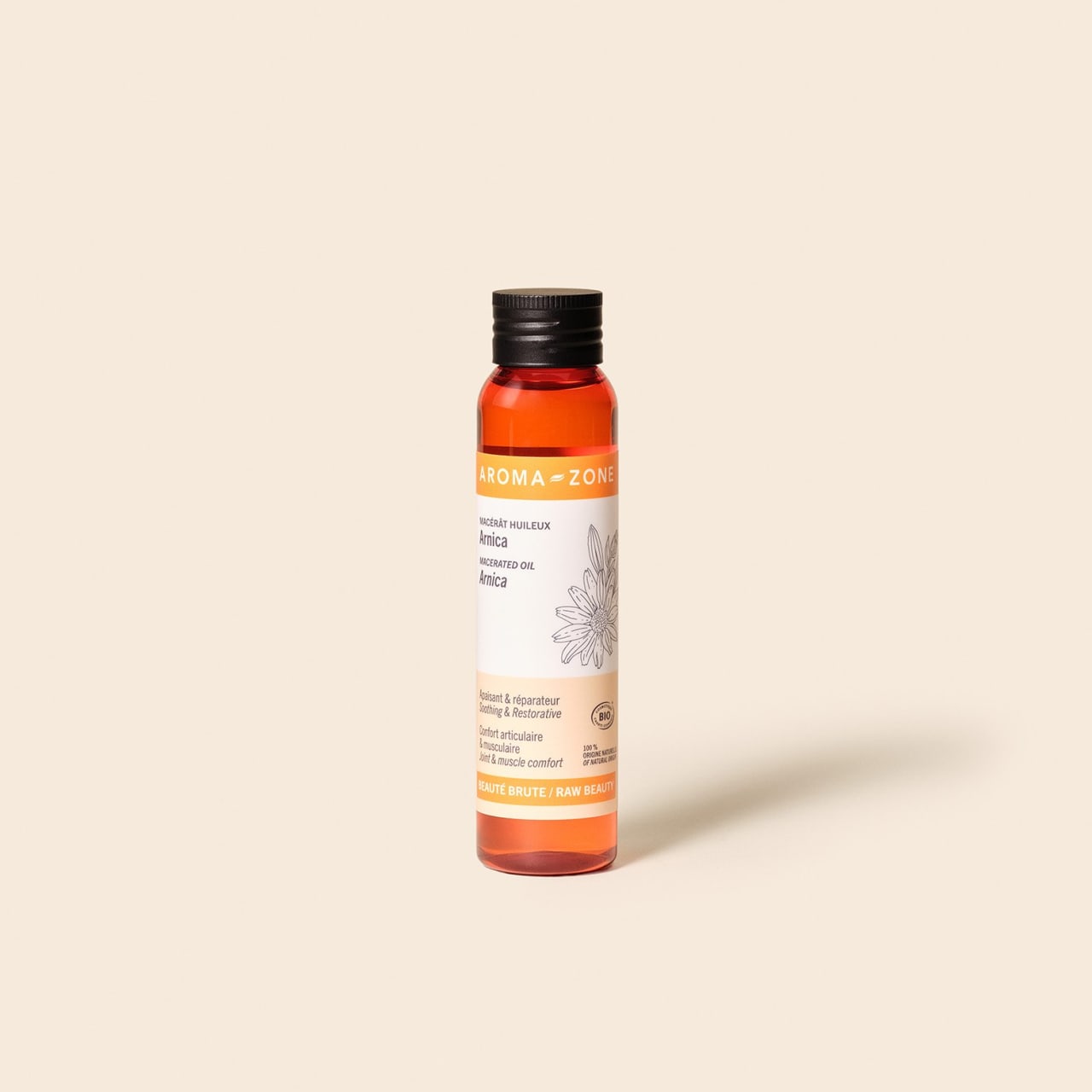
Organic Arnica Infused Oil
Repairing
Soothing
£5.60
£8.00
100 ml
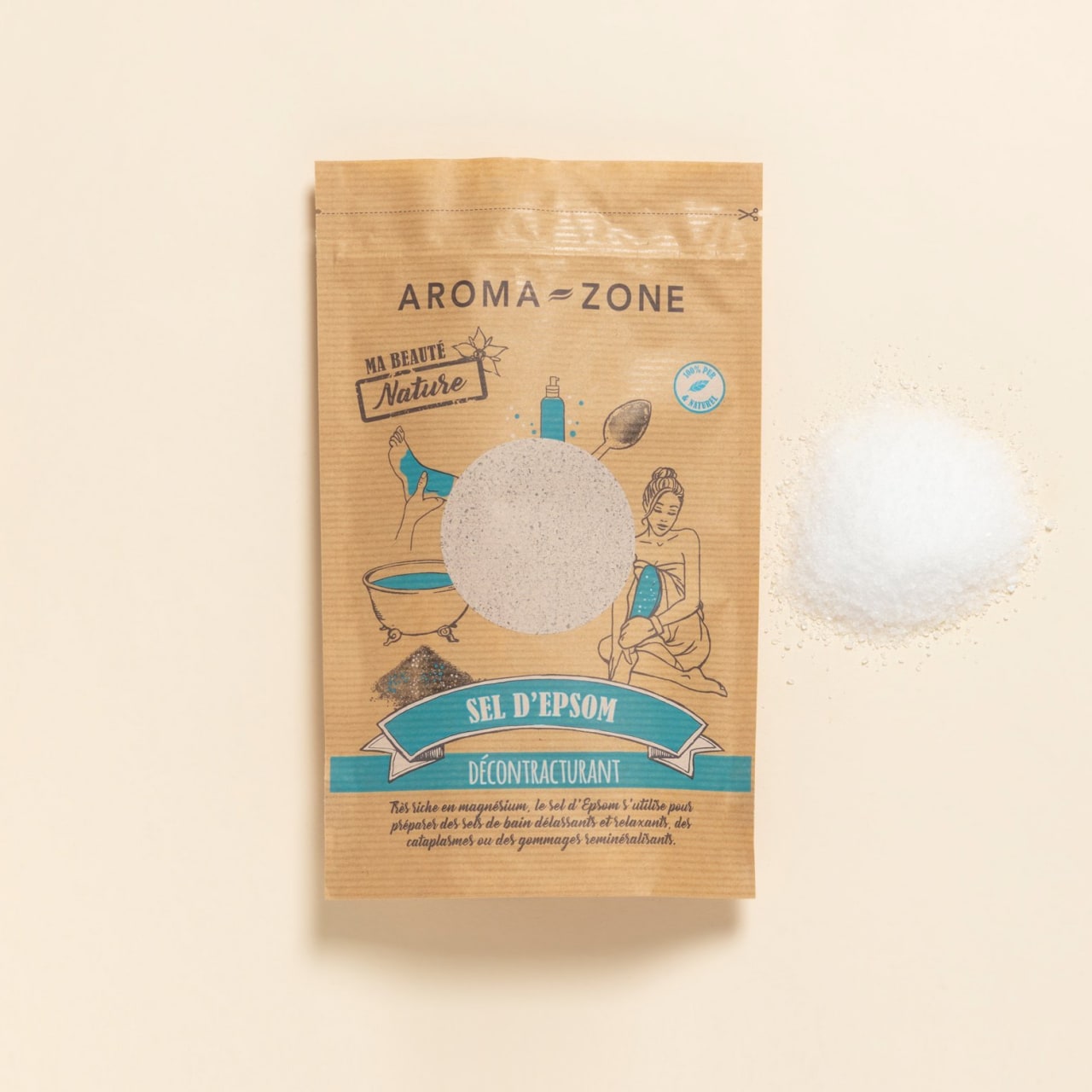
Epsom Salt
Exfoliating
£3.50
500 g
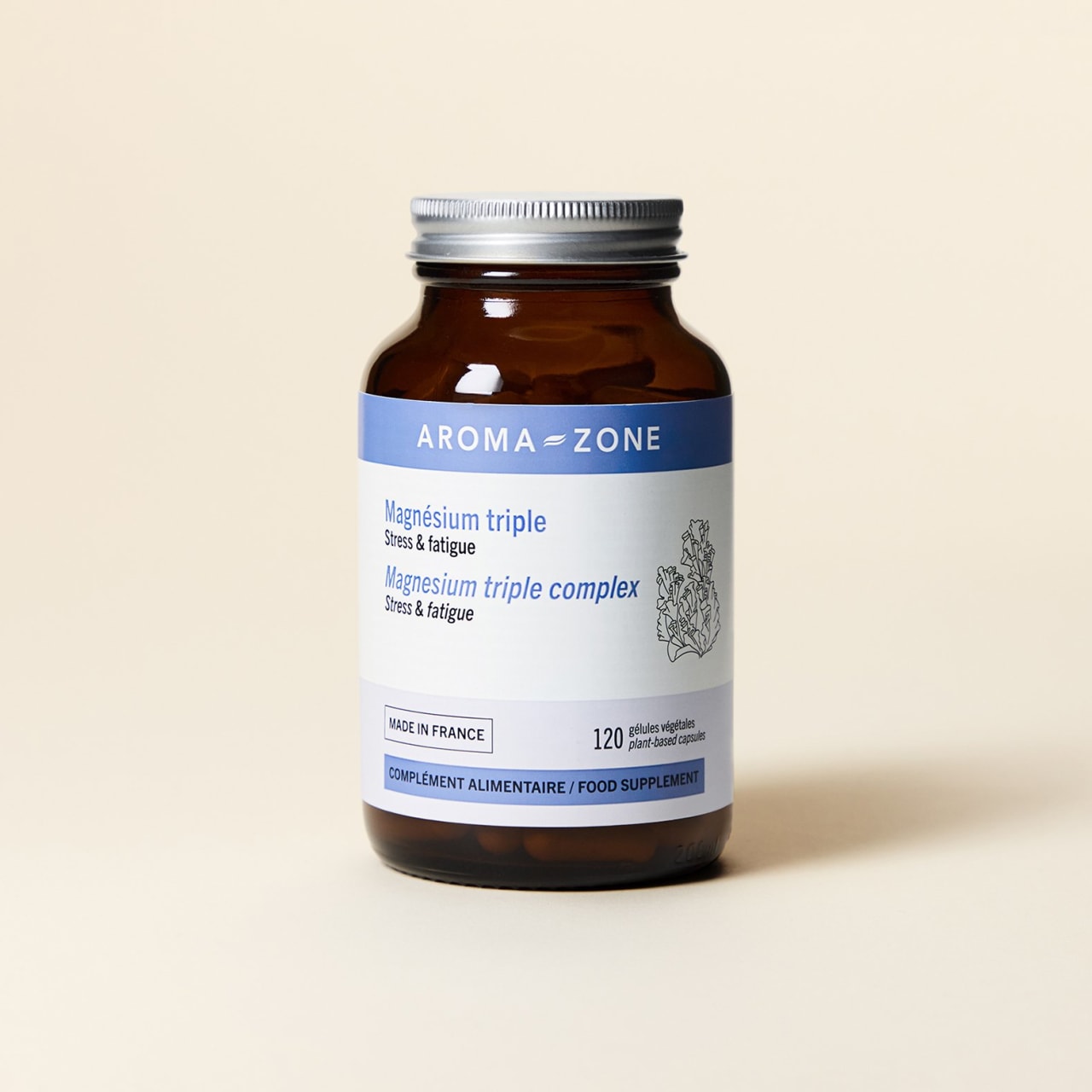
Triple Magnesium Complex - 120 Capsules
Vitality
Stress
£15.00
article

Vegan Vitamin D3
Natural defenses
Bone health
£10.00
10 ml
What is Sciatica?
Good to know: The sciatic nerve is the longest and thickest nerve in the human body!
What Causes Sciatica?
Sciatica always results from compression or irritation somewhere along the sciatic nerve’s path. While some causes are medical (such as a herniated disc), others are linked to our lifestyle habits, posture, or improper physical exertion. Here are the most common causes:
A Herniated Disc
A herniated disc is the most common cause of sciatica. A herniated disc occurs when an intervertebral disc, located between two vertebrae, shifts or ruptures, causing part of its gel-like nucleus to leak out. The sciatic nerve root can then become compressed, causing pain that radiates down the leg.
Poor Posture
Prolonged sitting, slouching, or poor posture (at the office, in the car, etc.) can throw the spine out of alignment and put pressure on the sciatic nerve. Poor posture can also lead to muscle tension, which can trigger sciatica.
A Lack of Physical Activity
Over time, a sedentary lifestyle can lead to weakening of the deep muscles (abdominals, back, and glutes). Since these muscles support the spine, this muscular imbalance can lead to poor postural and mechanical habits that cause sciatica.
Repetitive Movements
Certain sports or professions involve repetitive movements (bending, twisting, or lifting) that can place excessive strain on the lumbar spine. Over time, the discs can wear down, which can lead to irritation of the nerve roots.
Pregnancy
In pregnant women, weight gain, a shift in the center of gravity, and hormonal changes, such as the production of relaxin, place increased pressure on the lumbar spine and the sciatic nerve. This is generally a temporary compression that resolves after childbirth.
Excess Weight
Excess weight, particularly around the abdomen, places additional strain on the intervertebral discs. This can accentuate the lumbar curve and increase pressure on the nerve structures, thereby promoting the onset of sciatic pain.
Good to know: Sciatica is a common condition, with studies estimating that between 10% and 40% of people experience it at some point in their lifetime.
What are the symptoms of sciatica?
Sciatica manifests through symptoms related to nerve compression. From one person to another, sciatic nerve pain can be more or less debilitating and cause discomfort of varying intensity. Here are the characteristics generally associated with sciatica:
Pain in the lower back and leg: This is the most typical sign. It often starts in the lower back or buttock and travels down the back of the thigh, or even as far as the calf, heel, or under the foot.
Numbness: sensations of tingling, burning, or pins and needles may occur along the nerve’s path, indicating a disruption in nerve conduction.
Muscle weakness:Depending on which nerve root is compressed, certain leg muscles may lose tone or responsiveness, particularly those in the foot or ankle, which can lead to a feeling of weakness in the muscles.
Diminished reflexes: During a medical examination, knee or ankle reflexes may be less pronounced than usual due to nerve compression.
Discomfort in daily life: everyday activities such as driving, sitting at a desk, walking, etc., can become very difficult. Even something as simple as coughing or sneezing can cause sharp pain in the leg.
Good to Know: In very rare cases, if sciatic neuralgia is accompanied by loss of bladder or bowel control, or sudden paralysis of a leg, seek emergency medical attention: this may indicate a more serious problem (known as "cauda equina syndrome").
Sciatica: How to Relieve It?
Sciatica can significantly impact daily quality of life. While a medical consultation is essential for diagnosis and developing an appropriate treatment plan, certain natural remedies can serve as complementary measures to ease discomfort and promote muscle relaxation. Here are our recommendations for gently restoring your well-being:

Organic Arnica Oil Tincture: Arnica is traditionally used to soothe sensitive areas thanks to its calming and comforting properties. Applied in circular motions to the painful area (lower back, buttocks, leg), it helps relieve tension thanks to its natural active ingredients. You can use it undiluted or mixed with a vegetable oil such as calendula or jojoba. Perform this massage once or twice a day to help relax the local muscles.

Organic Calophyllum Inophyllum Vegetable Oil: Known for stimulating circulation and relieving localized pain, this thick, penetrating oil is ideal for nerve tension. It promotes microcirculation and can be used in targeted massage along the sciatic nerve pathway. Mix it with another, more fluid oil to make application easier.

Epsom Salts: Epsom salt is rich in magnesium, known to promote muscle and nerve relaxation. A warm bath enriched with two handfuls of salt helps release physical tension and soothe sciatic discomfort. Ideal at the end of the day to deeply relax your body and give yourself a moment to unwind.
Triple Magnesium: Magnesium, essential for muscle and nerve relaxation, can also be beneficial internally in cases of sciatica. This supplement, enriched with Vitamin B6 for better absorption, helps reduce fatigue and stress, which often exacerbate sciatic pain. Take 2 capsules daily with a large glass of water, during a meal.
How Can You Quickly Relieve a Sciatic Attack?
An episode of sciatica can be very painful, but certain simple steps can provide quick relief. Start by lying on your back on a firm mat or mattress, with your legs elevated (for example, resting on a chair) to to relieve pressure on the spine.
Apply a gentle heat source (hot water bottle or heating pack) to your lower back to relax the muscles and soothe the pain. If the inflammation is severe, cold (such as an ice pack wrapped in a cloth) can also help.
Good to Know: In the event of a sciatica flare-up, avoid sudden movements, rest without remaining completely inactive, and try some gentle stretches if the pain allows.
How Can You Relieve Sciatic Nerve Pain?
When the pain is intense, it can be tempting to try to relieve pressure in the sciatic nerve on your own, but this approach should be avoided. In reality, only a trained healthcare professional, such as an osteopath or physiotherapist, can intervene in a targeted and safe way to relieve nerve compression or irritation. Any improper manipulation can worsen inflammation or cause further pain. If you experience a blockage or persistent discomfort, it is advisable to seek medical attention promptly to receive appropriate and effective care. In the meantime, you can perform a very gentle self-massage to provide relief.
How to Massage the Sciatic Nerve?
Massaging the sciatic nerve may help ease discomfort, provided it is done gently and while listening to your body. The idea is not to force or try to “unlock” it abruptly, but rather to soothe the tension around the nerve, particularly in the lower back, buttocks, and the back of the legs. You can use your hands, a tennis ball, or a massage roller, using slow circular motions, breathing deeply, and stopping if you experience any discomfort. Applying heat after the massage may also help ease discomfort.
How Can You Prevent Sciatica?
Adopting certain habits in your daily life may help reduce the risk of sciatica. Here are some simple tips that may help reduce the risk of sciatica:
Walk 30 Minutes a Day: Walking stimulates blood circulation, strengthens the back muscles, reduces strain on the spine, and improves your mood. Ideally, walk at a moderate pace on flat ground, keeping your back straight and your shoulders relaxed.
Take Breaks if You Work Sitting Down: sitting for too long puts pressure on your lower back. Every 45 to 60 minutes, stand up, stretch, or take a few steps to release tension and reactivate your muscles.
Maintain Good Posture Every Day: whether you’re sitting, standing, or lifting an object, keep your back straight, your shoulders relaxed, and your knees slightly bent if needed. Balanced posture reduces pressure on the intervertebral discs. To learn more, check out our article: Home fitness routines to tone your body and improve posture.
Stretch Regularly: Stretching can improve flexibility in the back, hips, and legs, which may help reduce the risk of sciatica. Focus on gentle, non-straining movements, such as stretching the piriformis, lower back, or hamstrings.
Be Careful When Lifting Heavy Weights: to avoid injury, bend your knees rather than your back, keep the weight close to your body, and avoid twisting while lifting. This simple action protects your lumbar discs.
Strengthen your Core: Good muscle tone in the trunk naturally supports the spine. Incorporate gentle exercises such as core training, swimming, or Pilates, 2 to 3 times a week. 10 minutes a day can be enough to make all the difference!
Related Recipes














Precautions
The advice provided in this article is for informational purposes only and is not intended to replace the advice of a healthcare professional. If you experience any symptoms of sciatica, we recommend seeking medical advice for an accurate diagnosis and to establish a treatment plan tailored to your needs.
Expert Advice
Sciatica, especially when it becomes chronic, can be a real burden in daily life. Beyond the physical pain, it can take a toll on your mental well-being, causing fatigue, irritability, and sometimes a feeling of helplessness. It is essential not to face this situation alone: talking to your healthcare professional, as well as your loved ones, can provide support. At the same time, consider incorporating moments of relaxation into your day, such as a short walk, guided breathing, or a gentle activity you enjoy.
Spotlight on Our Naturopathic Writer: Marine Leleux

Marine is a naturopath specialising in children’s well-being and a parenting coach. With 10 years’ experience supporting families, she now channels her passion into serving her community by sharing natural and caring advice.
Bibliography
Understanding Sciatica, Dr. Jean-Paul Escande, Odile Jacob Publishing, 2016.
Back Pain: The Real Remedies, Dr. Michel Cymes, Éditions Stock, 2020.
Sciatica: Causes, Symptoms, and Treatments, ameli.fr, Health Insurance, 2023.
Sciatic Pain: Understanding It Better to Treat It Better, Inserm.fr, French National Institute of Health and Medical Research, 2022.
Sciatica: Symptoms and Natural Treatments, passeportsante.net, Quebecor Health Group, 2023.

Frequently Asked Questions
Associated tips

Muscle and joint comfort tips
Aromatherapy advice

Muscle and joint comfort tips


