
Common Name: Magnesium sulphate (Epsom salt)
Category: Mineral salt
Origin: Natural or synthetic mineral
Form: White crystalline powder, soluble in water
INCI Name: Magnesium Sulphate
For: Blemish-prone skin, tired skin, bodies undergoing muscle recovery
Functions: Soothing, relaxing, gentle exfoliant, purifying
Dosage for Homemade Cosmetics: The dosage depends on the intended use: approximately 10–30% for a bath, 5–30% in a body scrub or face mask
Solubility: Soluble in water, insoluble in oil
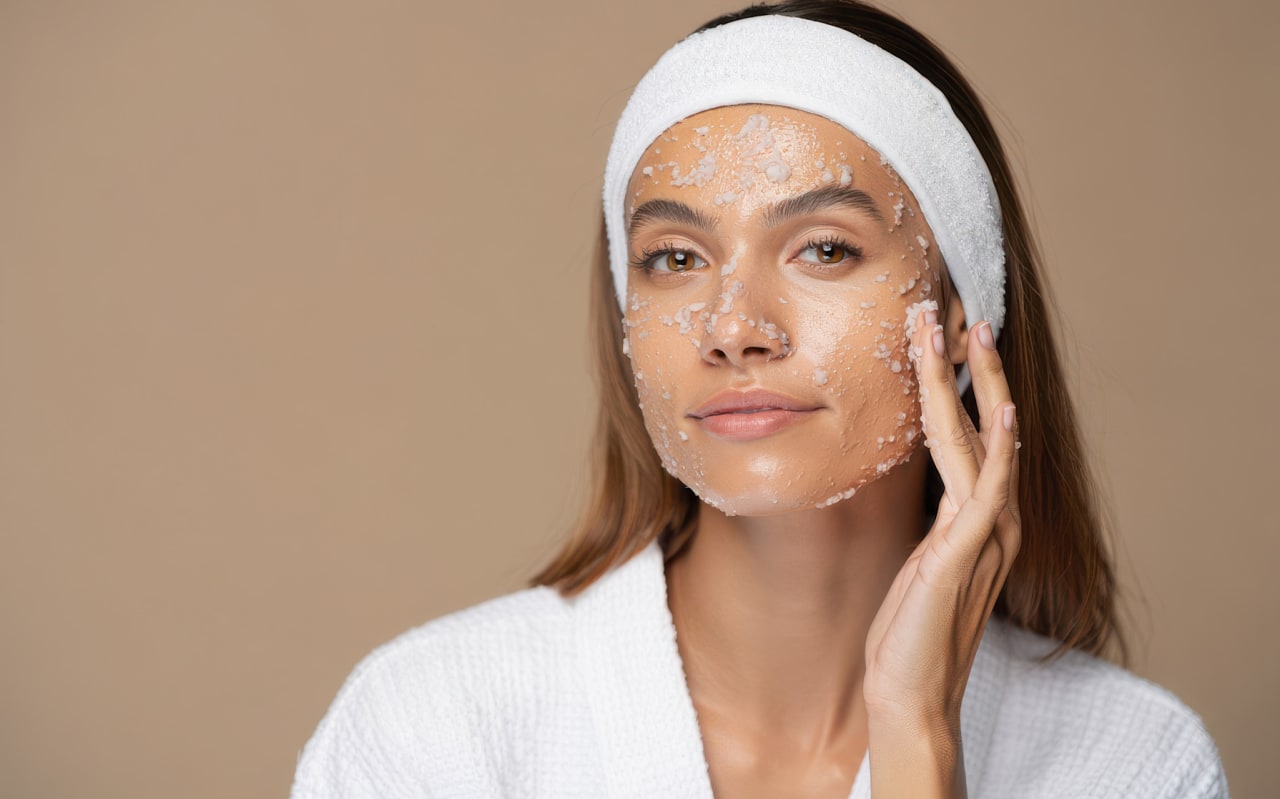
Magnesium Sulphate: What Are the Benefits?
By Delphine Duc
Published on: Tuesday, May 20, 2025, Updated on: Wednesday, October 28, 2026
Magnesium sulphate, also known as Epsom salt, is a popular active ingredient in body care. Used in cosmetics to soothe, decongest or exfoliate, it has numerous skin-benefiting properties. Where does this compound come from? And how does it work on the skin? Discover magnesium sulphate and its benefits!
Contents
Related products
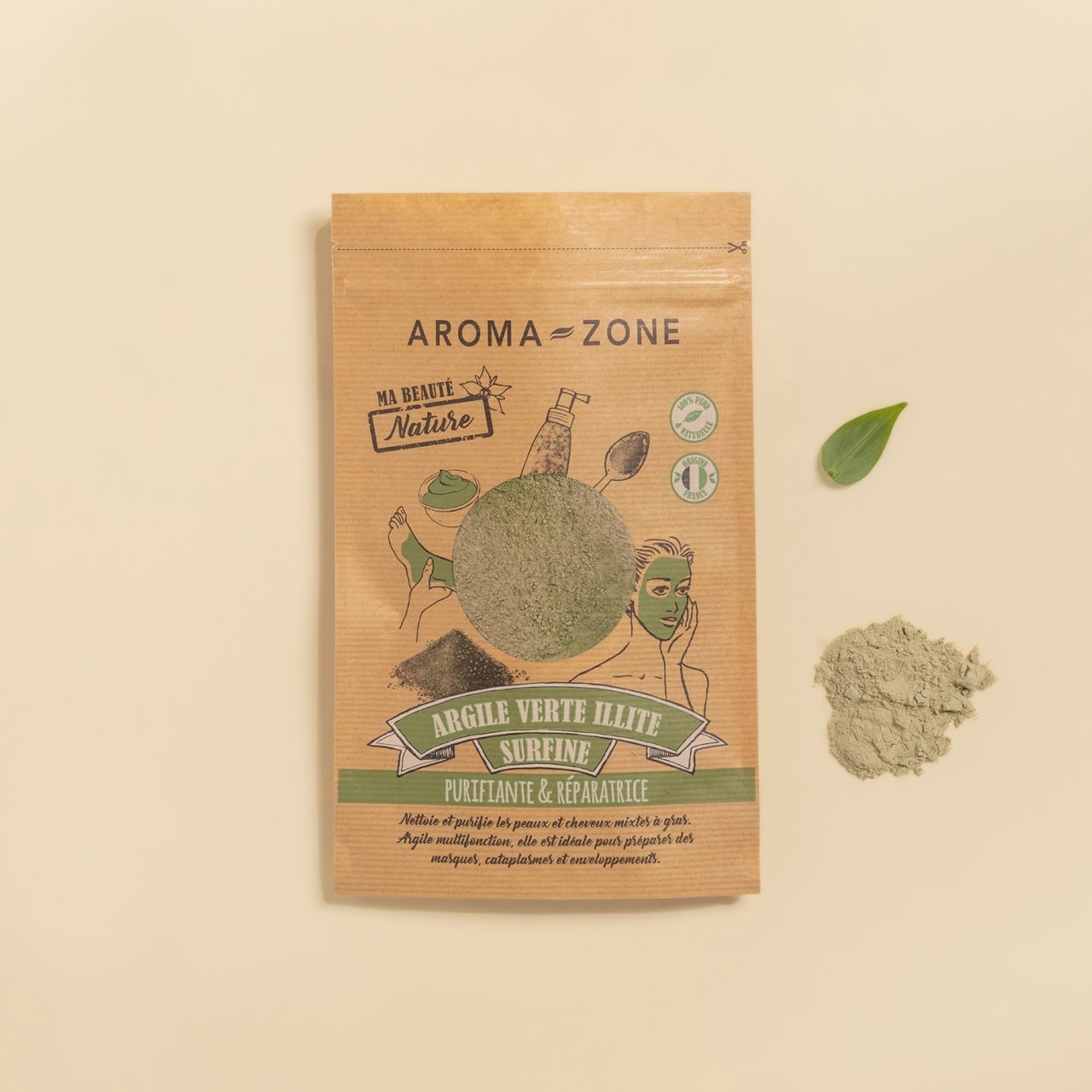
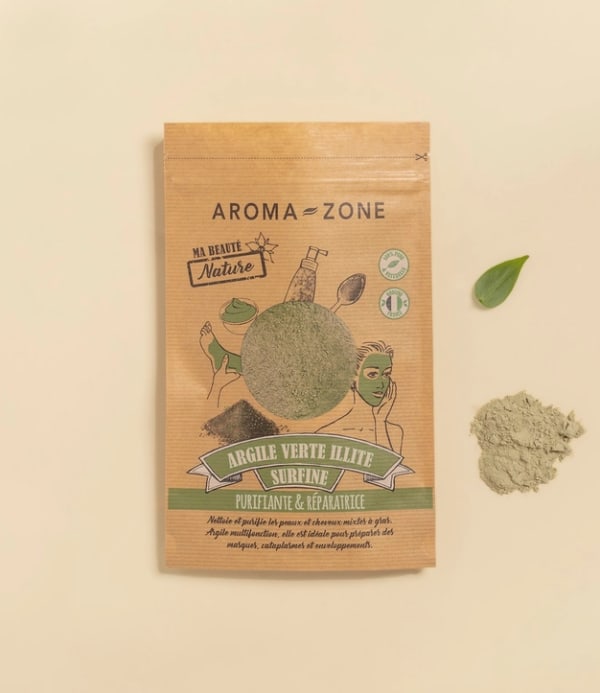
Superfine Green Illite Clay
Cleansing
Anti-blemishes
£5.50
500 g
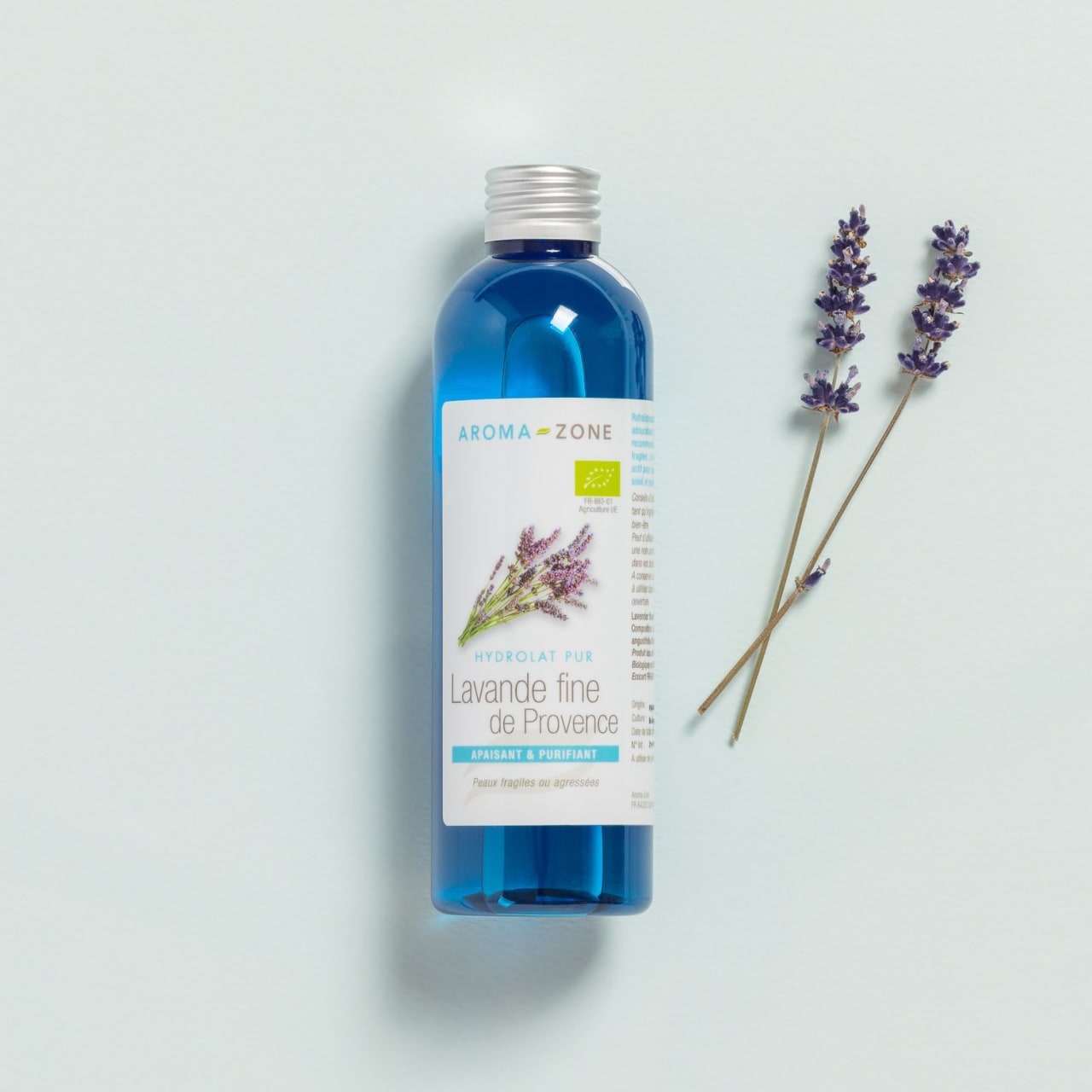
Organic Fine Lavender Hydrosol
Soothing
Refreshing
£4.00
200 ml
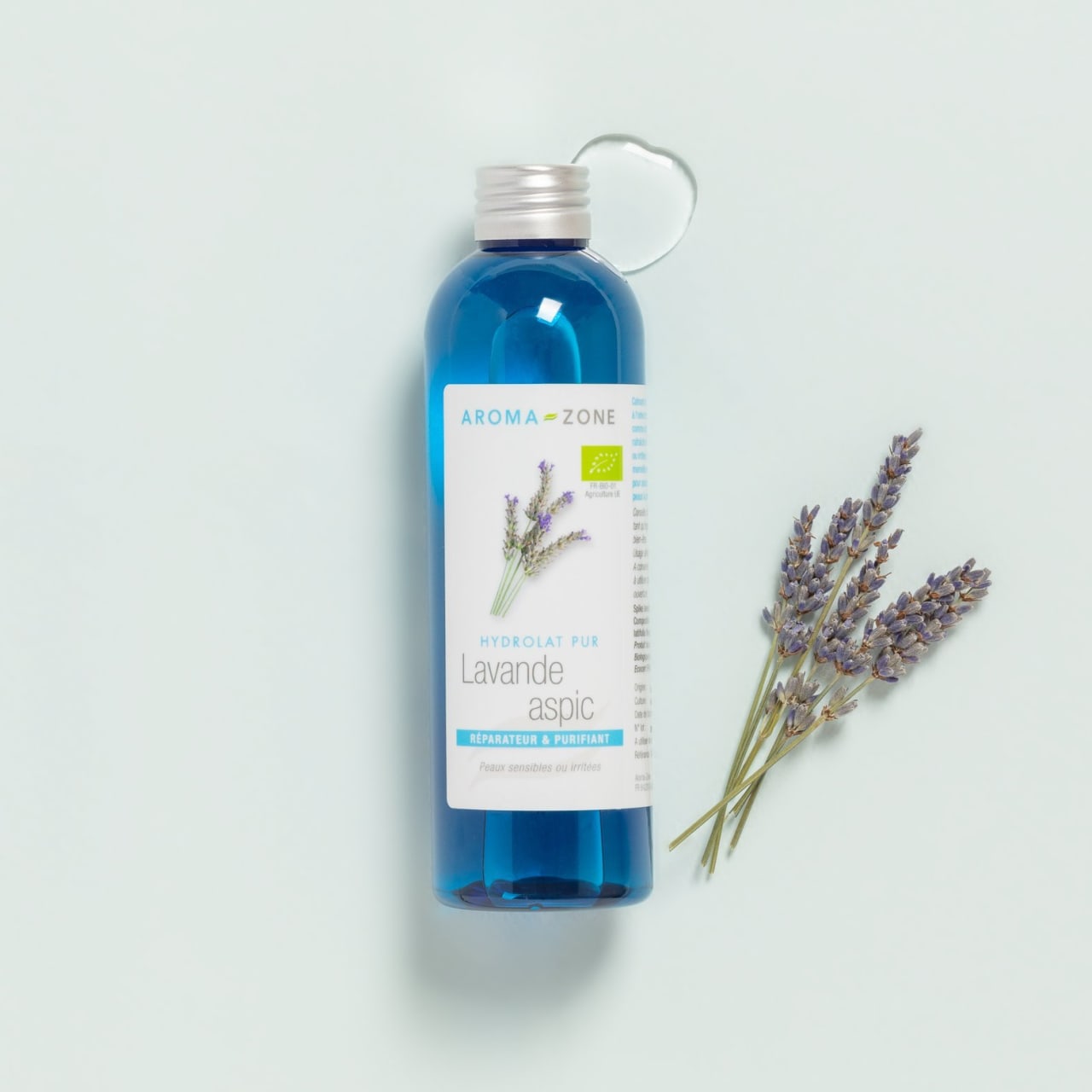
Organic Provençal Spike Lavender Hydrosol
Purifying
Soothing
£4.50
200 ml
Magnesium Sulphate: Key Facts
Definition, Structure, and Mechanisms of Action
Magnesium sulphate is an ionic chemical compound consisting of a magnesium cation (Mg²⁺) and a sulphate anion (SO₄²⁻), usually bound to seven water molecules (heptahydrate form: MgSO₄·7H₂O). It occurs naturally in certain groundwater sources and thermal springs, and can be extracted or obtained by evaporating mineral-rich brines.
Magnesium's Various Forms
Anhydrous (water-free): Highly drying (highly hygroscopic, and therefore not well suited to direct application to the skin), rarely used in cosmetics
Heptahydrate: The most commonly used form (the well-known Epsom salt)
What Are the Benefits for the sSkin?
When applied to the skin, it works by:
Osmotic effect: It draws water to the skin’s surface, which helps to decongest and soften dead skin cells
Magnesium Supply: This trace element is involved in over 300 enzymatic reactions, particularly those related to cellular energy (ATP) and the regulation of inflammation
Contains Sulphur: With gentle keratolytic properties, useful for regulating sebum and purifying the skin
And What About a Magnesium Sulphate Treatment?
Magnesium sulphate is also used in certain natural treatments as a short-term treatment. This treatment is traditionally administered as a bath or poultice to promote overall remineralisation, reduce tension and improve digestive or joint comfort.
For external use, a course of treatment involves taking an Epsom salt bath 2 to 3 times a week for 2 to 3 weeks.
Although some people take magnesium sulphate orally (particularly for its laxative effect), this method is strictly reserved for supervised medical use and has no place in a beauty or wellness routine without professional supervision.
What Are the Benefits of Epsom Salt?
Soothing and Relieving Discomfort
Magnesium sulphate is recognised for its soothing properties. It is particularly useful as part of a skincare routine following skin irritation or after physical exertion. Thanks to its relaxing effects, it helps restore comfort to the skin and muscles, while reducing feelings of discomfort. It is also useful in daily skincare to soothe reactions caused by environmental or mechanical stress.
Relief from muscle tension
This relief is particularly sought after by people suffering from physical stress, muscular disorders or chronic tension. It can also be incorporated into a post-exercise recovery routine, alongside relaxing essential oils such as lavandin or wintergreen
Soothing irritated or inflamed skin
It can be used after shaving, hair removal, or prolonged exposure to the sun, either as a warm compress or diluted in a hydrosol spray. It is valued for soothing temporary redness and discomfort in sensitive skin
Decongestant
Reducing localised swelling
Its osmotic effect helps to draw excess water out of the skin’s superficial tissues. It is therefore particularly effective at reducing minor oedema, bags under the eyes, or even relieving heavy legs during a foot bath. This makes it the perfect companion after a good walk!
Sebum Regulator
Controlling shine and enlarged pores
Magnesium and sulphur have a mild astringent effect which helps to mattify the skin, reduce the appearance of pores and minimise shine on oily areas of the face
Purifying
Deep Cleansing: When used in combination with ingredients such as clay, magnesium sulphate purifies the skin by helping to remove impurities and dead skin cells. It is particularly useful in skincare products for combination to oily skin prone to spots or blackheads
Gentle Exfoliant
Non-Irritating Mechanical Exfoliant: Although effective, magnesium sulphate crystals are water-soluble, which limits their abrasiveness. This makes them a gentle exfoliant suitable for sensitive skin, removing dead skin cells without causing micro-lesions
Occasional Remineralising Treatment
Transdermal Mineral Replenishment: When used in a bath or as a compress, magnesium sulphate allows for the transdermal absorption of magnesium, which is beneficial for the skin barrier and helps reduce oxidative stress in the skin. It is an ideal occasional treatment for tired, dull, or lacklustre skin
Our Related Products
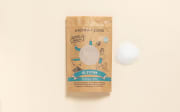
Our Epsom salt: for baths, purifying treatments, face masks, and poultices.
Our Epsom salt is a versatile cosmetic ingredient recognised for its remineralising properties, providing the skin with all the benefits of magnesium and sulphur.
Thanks to its fine grain size, it provides a gentle yet invigorating exfoliation. It can also be used to stabilise rich ‘water-in-oil’ emulsions, enhancing their texture. We particularly recommend it for making remineralising bath salts, homemade body scrubs, and creams and balms rich in plant oils.
Combinations and Compatibility
Magnesium sulphate is compatible with most natural ingredients:
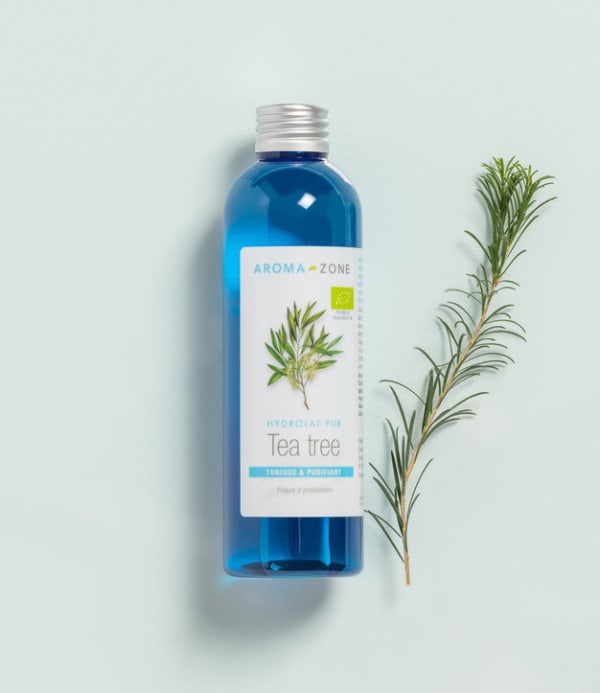
Tea Tree Hydrosol: Frequently used in natural recipes alongside Epsom salt, these hydrosols are compatible due to their mild pH and water solubility.
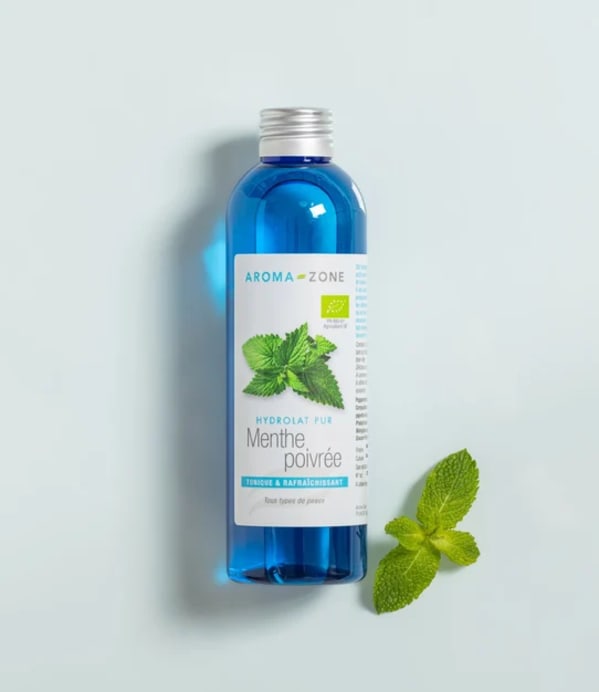
Organic Peppermint Hydrosol
Invigorating and refreshing, this active ingredient tightens pores and revitalises a dull complexion. It is also known to soothe skin discomfort and is used to treat excessive sweating.
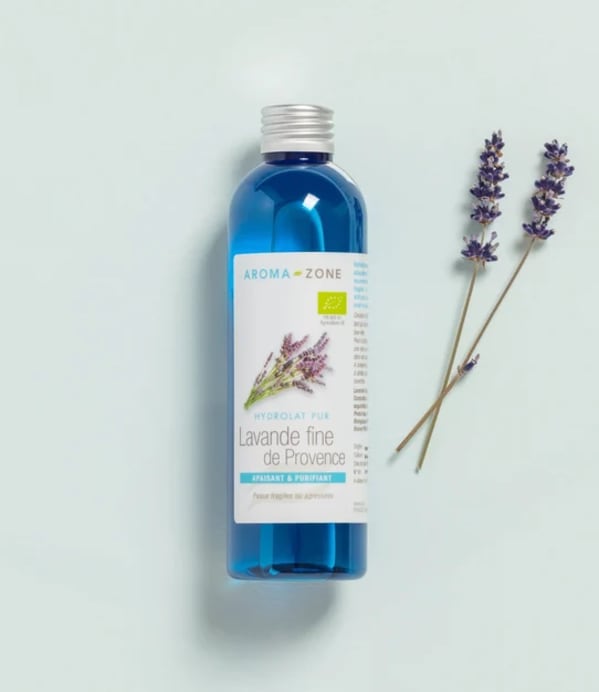
Organic Fine Lavender Hydrosol from Provence
Refreshing and soothing, this hydrosol is used to formulate skincare products for delicate, tight, or uncomfortable skin. Astringent and purifying, it is also a key ingredient in skincare products for blemish-prone skin.
Please Note
However, it is not recommended to combine it with AHA/BHA acids in the same skincare product without taking precautions, in order to avoid any skin irritation or dryness. This precaution stems from the CIR report, which highlights the osmotic effect of magnesium and the risks of skin dryness when combined with chemical exfoliants.
Storage Instructions
Magnesium sulphate is a hygroscopic ingredient: it absorbs moisture from the air. It is therefore essential to store it in an airtight container, away from moisture and heat.
Shelf Life: 24 months under optimal conditions.
Do not leave the jar open for more than a few minutes when using it.
Contraindications
For external use only: do not ingest without medical advice
Do not apply to broken or irritated skin, or after sunburn
Not recommended for use by pregnant or breastfeeding women without professional advice
Avoid contact with the eyes
Keep out of reach of children
Our Epsom Salt-Based Recipes
At Aroma-Zone, we offer a wide range of homemade recipes based on Epsom salt.
Thanks to its remineralising, soothing, exfoliating, and relaxing properties, Epsom salt can be used in a wide range of formulations, provided, of course, that you follow the recommended dosages and usage guidelines!
Here are three practical examples of recipes with different functions and sensory qualities, to illustrate the versatility of this essential natural ingredient.



Spotlight on Our Specialist Writer: Delphine Duc

Delphine is a biological engineer specialising in cosmetology. Passionate about cosmetics for almost ten years, she began making her own skincare products with Aroma-Zone ingredients to address her skin concerns. She then trained as a cosmetologist before creating her own bespoke cosmetics brand to address each person’s individual skin concerns.
Bibliography
Cosmetic Ingredient Review Expert Panel. (2018). Safety Assessment of Magnesium Sulphate as Used in Cosmetics.
International Journal of Toxicology, 37(Suppl 2), 5S–13S. https://pubmed.ncbi.nlm.nih.gov/29761729/
Whelan, A. M., et al. (2017). Effect of transdermal magnesium cream on serum and urinary magnesium levels in humans:
A pilot study. PLOS ONE, 12(12), e0180067. https://pubmed.ncbi.nlm.nih.gov/28403154/
Zhang, Y., et al. (2023). The effect of topical magnesium on the healing of pre-clinical burn wounds.
Life Sciences, 312, 121322. https://pubmed.ncbi.nlm.nih.gov/37980271/
K. C., A., et al. (2019). Effectiveness of Magnesium Sulphate with Glycerine Dressing versus Heparinoid Ointment Application on the Management of Peripheral Cannula-Induced Phlebitis.
Modern Research in Inflammation, 8, 45–61. https://www.scirp.org/journal/paperinformation?paperid=98532
Mayo Clinic. (2025). Magnesium sulphate (oral route, topical application route).
https://www.mayoclinic.org/drugs-supplements/magnesium-sulfate-oral-route-topical-application-route-route-not-applicable/description/drg-20088513

Frequently Asked Questions
Associated tip
Natural actives


