
How can you relieve arthritis, osteoarthritis and rheumatism naturally?

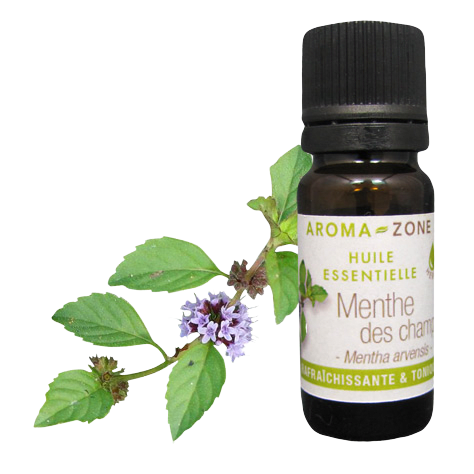
Joints under constant strain can be the source of joint pain such as arthritis, osteoarthritis, lumbar osteoarthritis, rheumatism or polyarthritis. Linked to ageing or the repeated practice of a sport, these painful pathologies also make it difficult to move. Whether the pain is diffuse, recurrent or temporary, linked to an occasional or chronic pathology, it can be relieved with natural solutions. Used alone or in support of medical treatment, the essential oils we present here are crucial for joint pain relief.

By The Aroma-Zone editorial team

Reading time: 0 min.

Warning

These properties, indications and methods of use are taken from reference books and websites on aromatherapy, hydrolatherapy and phytotherapy. Many of them have been confirmed by scientific observations. However, this information is provided for information purposes only, and in no way constitutes medical information, nor does it incur our liability. For any therapeutic use, consult a doctor.

The origins of osteoarthritis and arthritis

Osteoarthritis and arthritis are common joint conditions, often associated with pain and impaired mobility. Understanding the origins of these conditions makes it possible to choose suitable natural approaches aimed at relieving pain, reducing inflammation and improving the quality of life of people affected by these joint conditions.

  • Osteoarthritis is a degenerative joint disease that results from wear and tear of the protective cartilage at the ends of the bones. This wear and tear can be caused by the natural ageing of the joints, but it can also be accelerated by factors such as previous injuries, excess weight or joint overuse due to repetitive activities. Over time, cartilage thins and loses its elasticity, leading to increased friction between bones and causing pain, stiffness and reduced joint flexibility.

  • Arthritis, on the other hand, is an inflammation of the joints. There are several types of arthritis, each with different origins. Common causes include genetic factors, infections, immune system disorders, or even age-related wear and tear on the joints. When joints become inflamed, they can be painful, warm to the touch and swollen. In some cases, arthritis can also lead to permanent joint damage.
How can rheumatism be treated naturally?

While essential oils are highly effective in soothing sore areas and relieving sensitive spots with massage and treatment oils, you also need to work from the inside out to relieve inflammation:

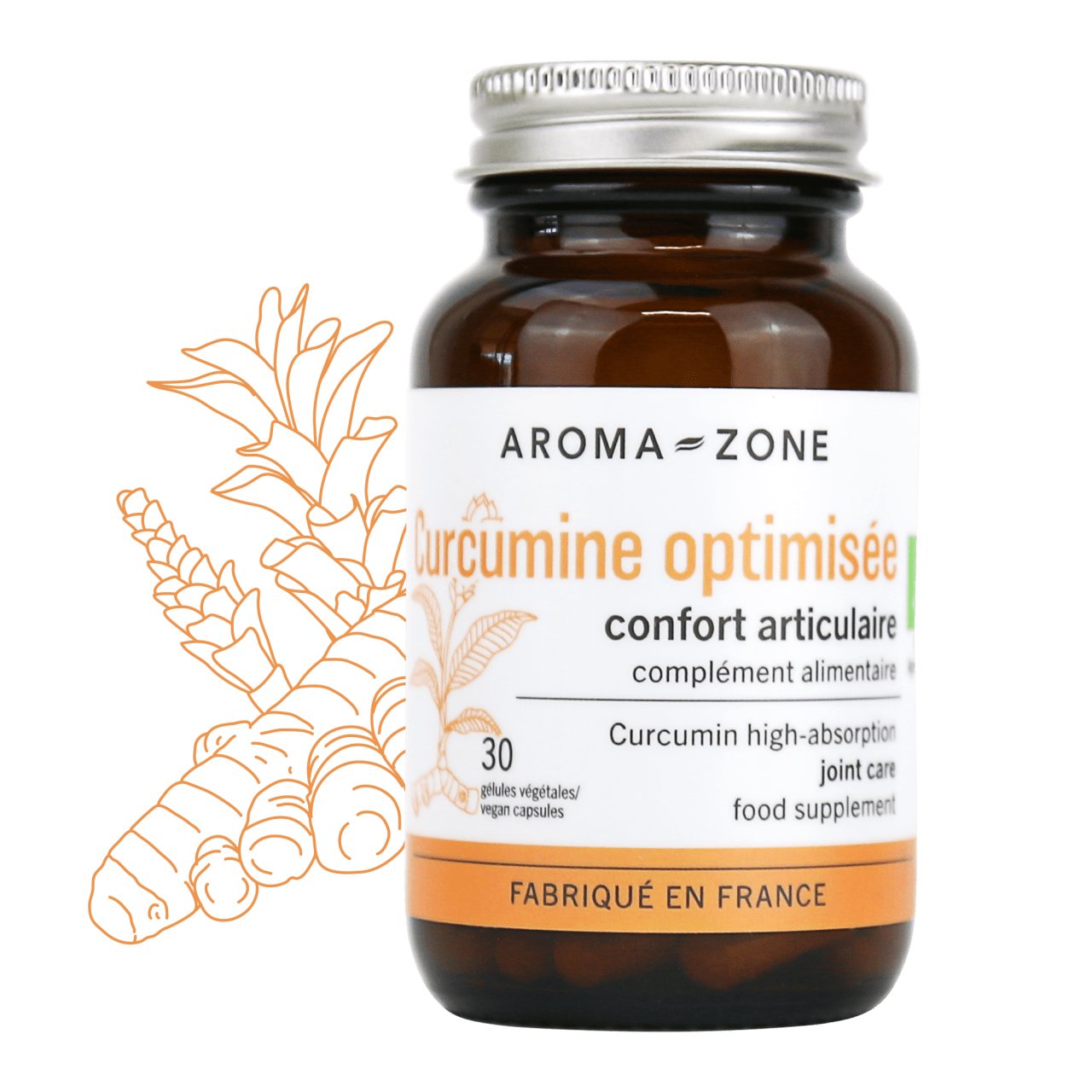
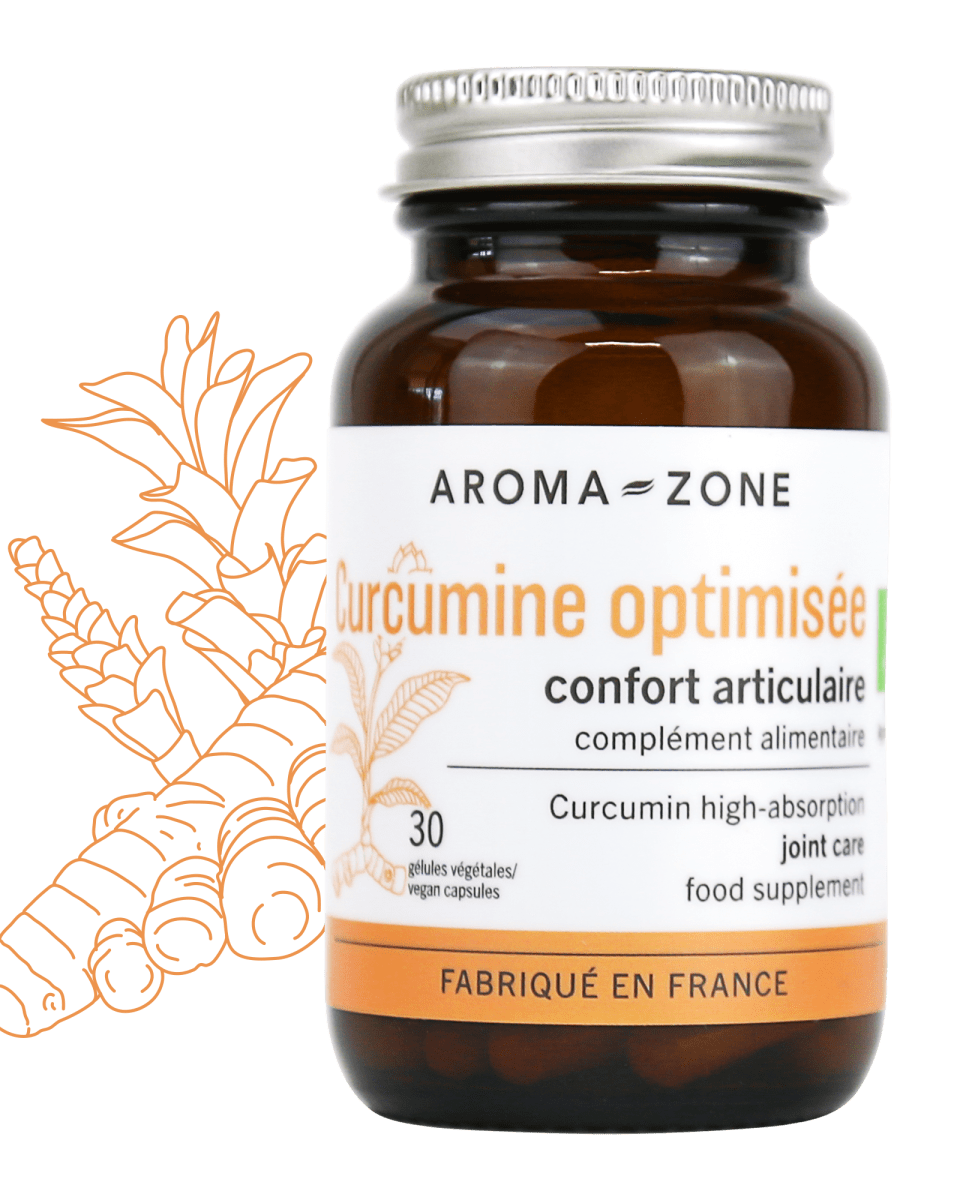
  • Opt for a course of Turmeric, with its anti-inflammatory and antioxidant effects, to reduce redness, stiffness and swelling. Take 1.5 to 3 g a day to optimise the benefits of this cure.

  • Choose MSM, rich in sulphur, to maintain connective tissue (tendons, collagen, cartilage, etc.) in good condition and ease joint discomfort. Take 1.5 g a day in 2 or 3 doses, increasing to 6 g a day if necessary.

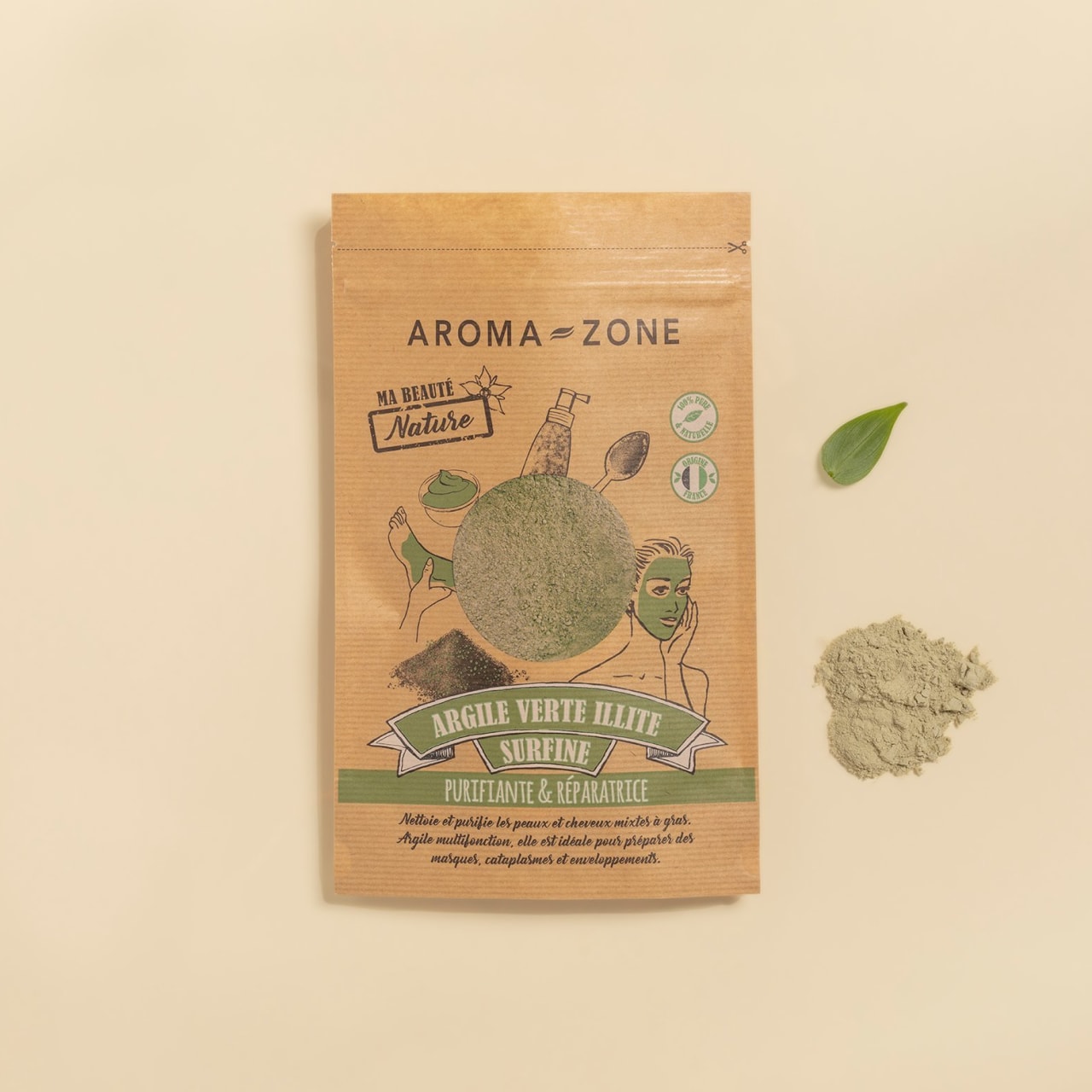
Optimise the action of essential oils by incorporating them into a remineralising and strengthening green clay poultice, and wrap knees, elbows, fingers or hips in this preparation to relieve painful joints.

Why do my joints creak?

Rest assured, the sound you hear when you crack your knuckles or move your knee or neck abruptly, for example, does not come from the bones. This 'cracking' is due to small gas bubbles in the synovial fluid, the protective liquid that lies between two cartilages in a joint to prevent friction. When the joints have not been put under too much stress, these little gas bubbles show this, just like when you open a bottle of soda and the gas escapes. This most natural of phenomena is in no way dangerous to health and causes no pain. Even for osteoarthritis, which results from the wear and tear of cartilage, cracking your joints has no impact on this deterioration.

What are the symptoms of rheumatism?

Arthritis, osteoarthritis, lumbar osteoarthritis, rheumatoid arthritis... Whichever disease you suffer from, many symptoms may be common to these rheumatic conditions:

  • Inflammatory symptoms with swelling, stiffness, redness and/or heat in the joints

  • Intense, persistent pain in the muscles and joints

  • Difficulty moving joints

  • Joint deformities

  • Fatigue and loss of energy

What is the difference between arthritis and osteoarthritis?

Related to the rheumatism, arthritis and osteoarthritis affect the joints and cause pain that can be disabling. However, it is important to be able to distinguish between them so that appropriate care can be taken.

  • Osteoarthritis is a so-called "mechanical" pathology: it is characterised by wear and tear of the cartilage in the joints, particularly in the hips, knees and fingers. Most often, osteoarthritis affects only one side of the body.

  • Arthritis, on the other hand, is inflammatory in origin. It can become chronic or occur only occasionally. Spondylitis, rheumatoid arthritis, gout... there are several more or less painful forms of arthritis. It can be caused by shock, a bacterial or viral infection, or be autoimmune, as in the case of polyarthritis.

2 quick and effective recipes to soothe joint pain

Arthritis and polyarthritis

Recipe by: A. Maillard

1

Use in a 50 ml tinted glass bottle fitted with a dropper.

Contraindications

During pregnancy or while breastfeeding, children under 6, those with epilepsy

Precautions for use:

Do not expose yourself to the sun for 8 to 10 hours after applying this preparation (or replace St John's Wort massage oil with another oil).

15 to 20 drops, spread over the painful joints, up to 6 times a day if necessary, 5 days a week.

Osteoarthritis

Recipe by: A. Maillard

1

Use in a 50 ml tinted glass bottle fitted with a dropper.

Contraindications

During pregnancy or while breastfeeding, in children under 6, caution for people allergic to aspirin and occasional use if taking anticoagulant medication.

15 to 20 drops spread over the painful joints, 6 to 8 times a day if necessary.


Expert advice

Rheumatoid arthritis: An autoimmune disease that can affect several joints, rheumatoid arthritis is a chronic inflammatory disease that progresses in flare-ups. Cartilage erosion, bone demineralisation and weakened tendons and ligaments are symptoms to watch out for if you suffer from this disease.

Aude Maillard

Doctor of Pharmacy, graduate of the Faculty of Pharmacy in Tours.

Find out more about muscle and joint pain