
Herbal Remedies for Weight Loss: Which Herbs Should You Use to Lose Weight?
Published on: Wednesday, February 14, 2024, Updated on: Wednesday, September 30, 2026
Reaching your ideal weight involves taking various steps to work toward this wellness goal. A balanced diet and regular physical activity are the foundation. But they can be complemented by the benefits of plants, which offer a variety of slimming effects and can provide valuable support as part of a weight-loss regimen.
Contents
Related products

Weight management
£13.00
1 article
Anti-blemishes
Sebum-regulating
£5.00
200 ml

Blond psyllium or ispaghul seeds (Plantago ovata): Like nopal, they are very rich in fibre and mucilage. Their effect is therefore essentially the same: increased satiety and improved elimination of fats and sugars. Psyllium is known to regulate bowel movements, either by promoting them or by slowing them down. It therefore has beneficial effects in cases of both constipation and diarrhoea, although this may seem paradoxical. For constipation: the soluble fibre it contains absorbs water, forming a viscous gel that increases stool volume and softens them, thereby stimulating intestinal peristalsis—the contractions that facilitate their elimination. For diarrhea: these same soluble fibers can absorb excess water in the colon during episodes of diarrhea. This helps make stools more solid, reduces the urge to go, and thus alleviates diarrhea.
Bonus tip: Psyllium seeds can be consumed mixed into fruit juices or smoothies, or sprinkled over compote, yoghurt or cottage cheese. You can also incorporate them into baked goods to increase their satiating effect.
Konjac (Amorphophallus konjac): Konjac is a plant rich in glucomannan, a mucilage-type fibre known for its exceptional absorptive capacity: it can absorb up to 100 times its weight in water thanks to its exceptionally high fibre content—over 60%. This makes konjac one of the plants with the highest fibre content, giving it powerful appetite-suppressing and blood-sugar-lowering effects, as well as positive effects on fat absorption and elimination.
Bonus: There are various Konjac-based food products, such as pasta or vermicelli, making it easy to incorporate into your diet since it has a neutral taste. However, you can also opt for a dietary supplement.
Plants with diuretic effects
Certain plants contain active ingredients that promote the elimination of water through the kidneys; they are said to have diuretic effects.
Here are a few examples:
Dandelion (Taraxacum): In addition to its diuretic properties, which promote the elimination of water and waste through the kidneys, it also helps boost metabolism, leading to increased calorie burning.
Birch (Betula): It promotes the elimination of water and toxins. But it also has remineralising properties, which is particularly beneficial in cases of fatigue or inflammatory conditions leading to demineralization.
Orthosiphon (Orthosiphon aristatus): It increases urine volume, promoting the elimination of water and waste. Its diuretic properties make it a valuable ally in weight-loss diets.
Pilosella: (Pilosella officinarum): It promotes diuresis, that is, urine production. Its main advantage is that it acts gently, without causing the mineral loss sometimes associated with the diuretic properties of certain plants.
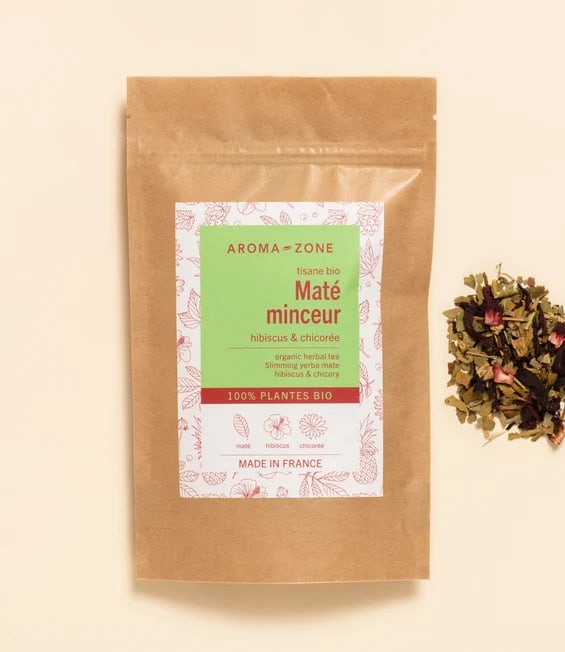
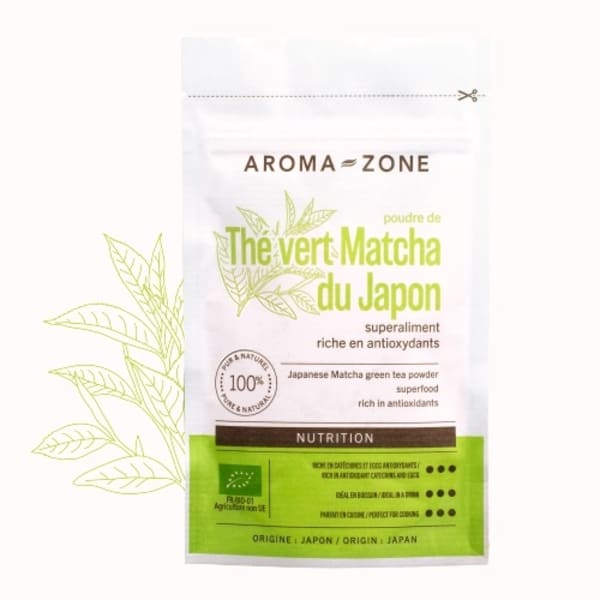
Of course, certain herbal teas and teas (green tea, meadowsweet tea, matcha tea, etc.) are known for their diuretic properties, meaning they can help increase urine production and promote the elimination of toxins and excess fluids from the body.






Spotlight on Our Naturopathic Writer: Christine Barris

After completing a Master’s degree in Management, Christine spent 20 years working for leading companies in the food supplement and natural cosmetics sectors. She then turned her passion for nature into a career. Today, she practises naturopathy for people and animals, as well as sophrology, and mentors aspiring naturopaths and sophrologists at various schools.
Bibliography

Associated tips

Skin care tips
Nutrition tips
Nutrition tips
Nutrition tips
Nutrition tips


