Dark circles: causes and natural methods to reduce them

Dark circles: causes and natural methods to reduce them


By Hélène Durand

Published on: Tuesday, December 26, 2023, Updated on: Thursday, October 29, 2026

They can make your eyes look dull and tired, even after a good night’s sleep. These are dark circles. Often perceived as a mere cosmetic flaw, they are actually a reflection of a deeper imbalance, particularly related to slowed blood and lymphatic microcirculation around the eye area. In this article, we dig into the causes of dark circles to better understand how they form, as well as targeted natural methods to prevent and reduce them on a daily basis.

Contents

Related products

What causes dark circles?

The formation of dark circles is directly linked to the nature of the skin around the eyes, which differs from that of the rest of the face. Very thin, it contains fewer sebaceous glands. As a reminder, sebaceous glands produce sebum, an oily substance rich in lipids, and contribute to the formation of the hydrolipidic film, the skin’s protective barrier. As a result, the skin barrier around the eyes is particularly fragile and prone to dehydration, dryness, and premature fine lines.

Furthermore, this area is highly vascularized with a dual microcirculation system consisting of a dense network of blood and lymphatic vessels to nourish the eye. However, the thinness of the skin and the fragility of the capillaries within it often slow down this dual network. Finally, numerous immune cells, known as mast cells, are present around the eyes and act as sentinels against external aggressors. The skin around the eyes is therefore particularly sensitive to inflammatory reactions.

The various causes of dark circles

Vascular causes

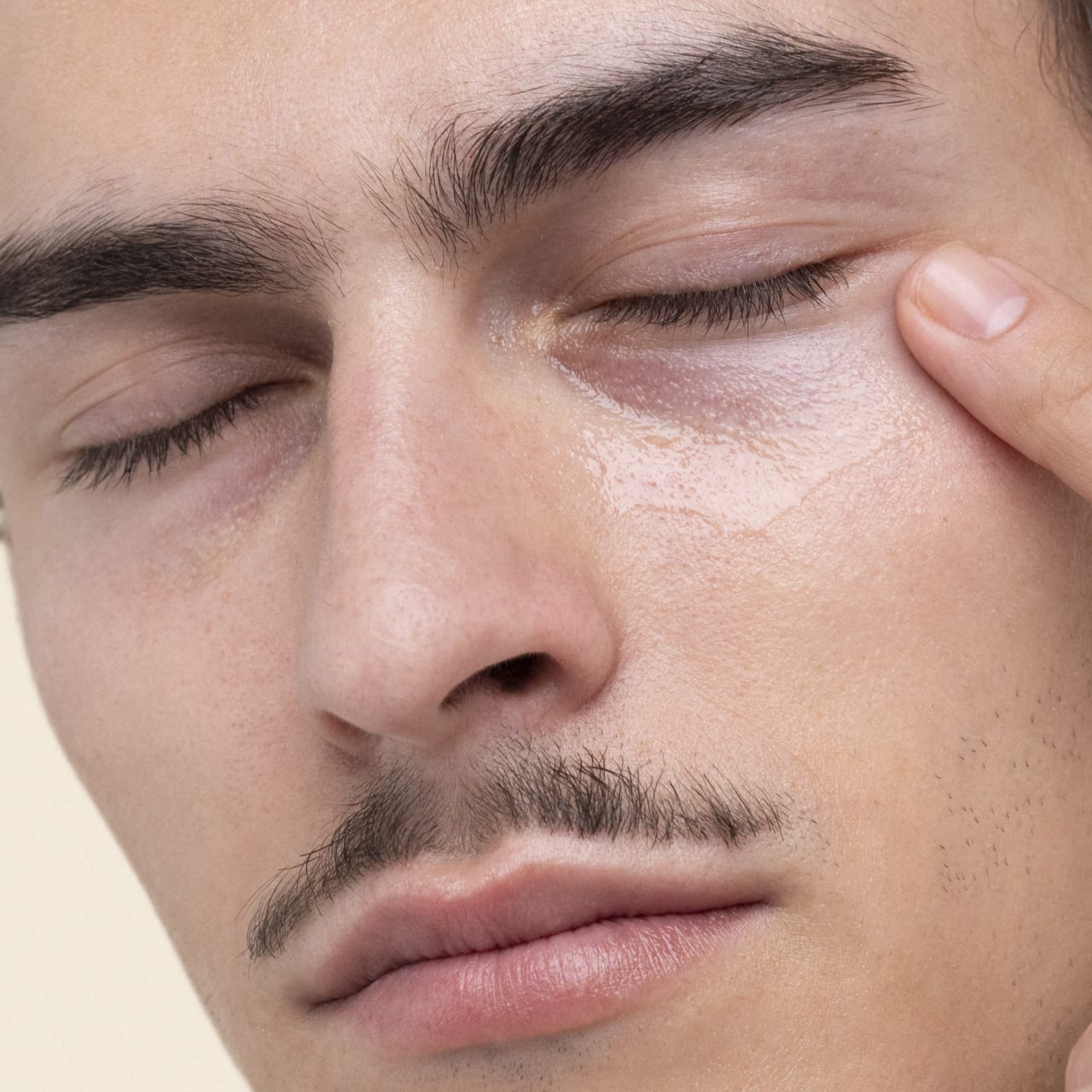
The skin around the eyes is very thin, low in fat, and highly vascularised. It easily reveals the small vessels beneath its surface. Because of this thinness, blood and lymphatic microcirculation is often slowed down in this area. Blood stagnates in the suborbital capillaries instead of circulating properly and being effectively drained. It becomes darker, taking on a bluish or even purplish hue. This is known as venous stasis. Lymphatic stagnation, on the other hand, promotes the formation of small oedema and puffiness that accentuate the shadow under the eyes, and thus the visibility of dark circles.

Pigmentary causes

The formation of dark circles can be linked to localised hyperpigmentation. This occurs when there is an excess of melanin—the pigment that colours the skin—around the eye area, resulting in brown or dark brown circles. Since the skin there is very thin, this buildup of melanin visibly darkens the area. This phenomenon is often due to genetic predisposition and skin tone. People with olive to dark skin tones are more likely to have this type of dark circle.

Structural causes

Under the eye, small fat pads normally ensure continuity between the lower eyelid and the cheek. When these pads are underdeveloped—often for genetic reasons—the area naturally appears more hollow. As we age, these fat compartments change. Certain areas tend to shrink, accentuating the hollow, or to shift, creating a hollow/bulge contrast that deepens the shadow of the dark circles.

Furthermore, the thinness of the skin around the eyes means that any loss of support due to a lack of collagen and elastin—whose production decreases with age—is immediately noticeable.

Environmental causes

An unbalanced lifestyle exacerbates the already fragile mechanisms around the eyes and makes dark circles more visible, darker, or more puffy. Since sleep is a key time for cellular regeneration, an irregular lifestyle leaves the skin duller and less supple, which accentuates the tired appearance of dark circles. Smoking causes vasoconstriction, which disrupts fluid circulation. Alcohol, on the other hand, promotes water retention and vasodilation, which can lead to under-eye bags upon waking.

A diet high in salt and ultra-processed foods increases water retention and can cause or worsen under-eye bags. Dehydration weakens the skin and promotes congestion around the eye area. Finally, chronic stress increases cortisol levels in the body, which can disrupt blood and lymphatic circulation and tends to disrupt sleep.

What are the different types of dark circles?

Vascular dark circles

Dark blue, purplish, or sometimes reddish in colour, shaped like a half-moon under the eye. The intensity of the colour may vary throughout the day. The eyes appear tired, even without any particular swelling

What are some natural solutions for dark circles?

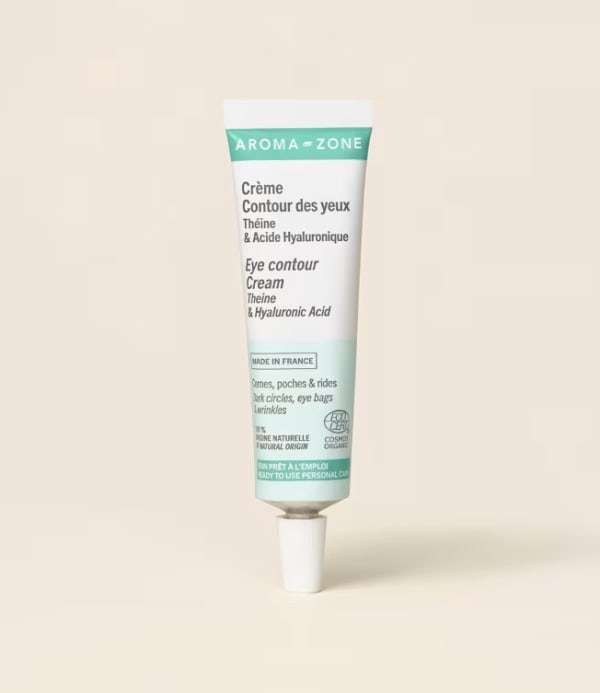
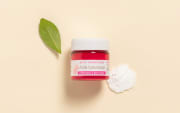
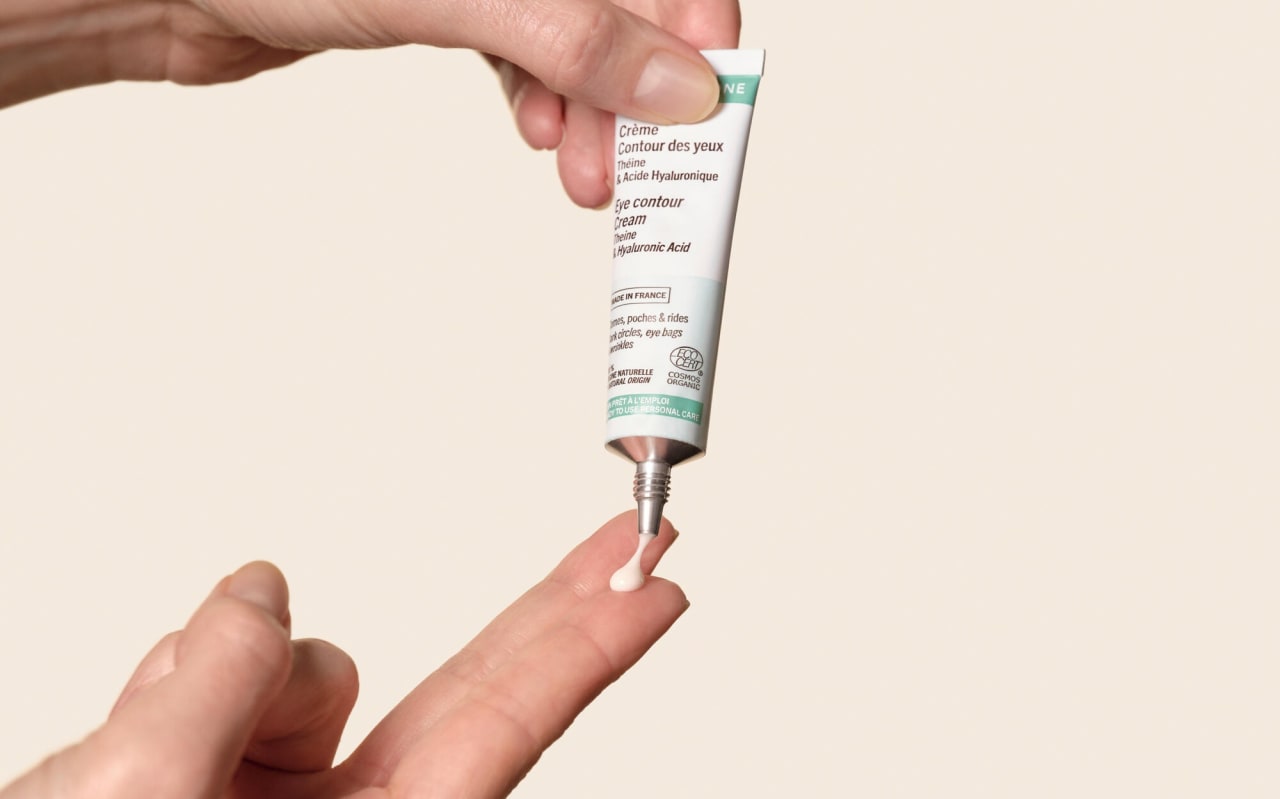
Theine & Hyaluronic Acid Eye Cream

Theine & Hyaluronic Acid Eye Cream

This comprehensive anti-ageing treatment combines powerful active ingredients. On one hand, Theine, Helichrysum, Liquorice, and Wild Ginger help stimulate microcirculation. Dark circles are visibly reduced and puffiness diminishes. Additionally, patented hyaluronic acid deeply hydrates the eye area, leaving it smoother and plumper.

Discover the Theine & Hyaluronic Acid Eye Cream

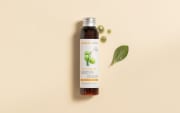
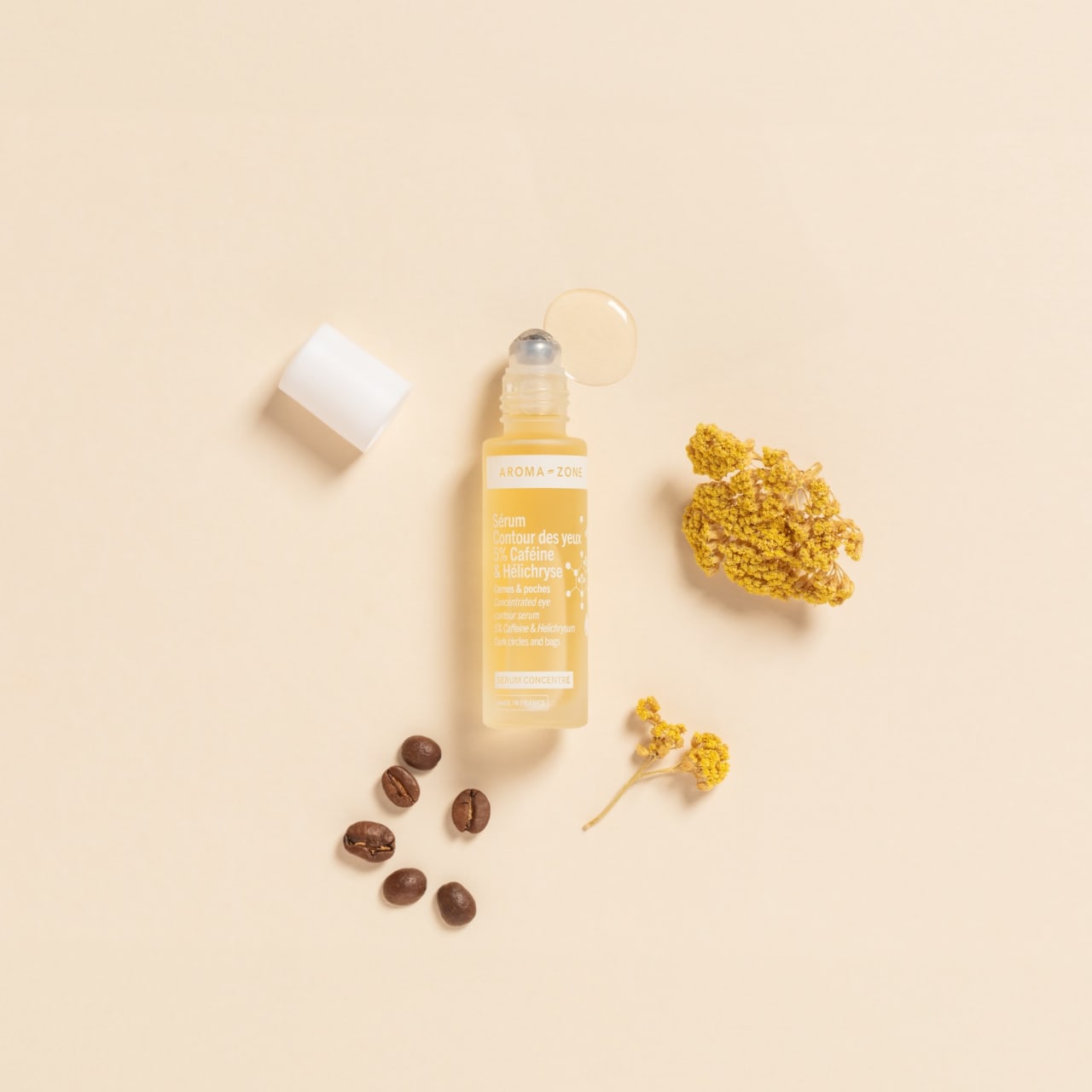
Concentrated Eye Contour Serum 5% Caffeine & Helichrysum

This concentrated serum decongests and plumps the eye area. Thanks to its combination of Helichrysum and Wild Ginger, it helps reduce the appearance of dark circles and puffiness by stimulating microcirculation and strengthening capillaries. It provides an instant lifting effect. Apply it using its ultra-convenient roll-on applicator and brighten your eyes!

Discover the 5% Caffeine & Helichrysum Concentrated Eye Serum

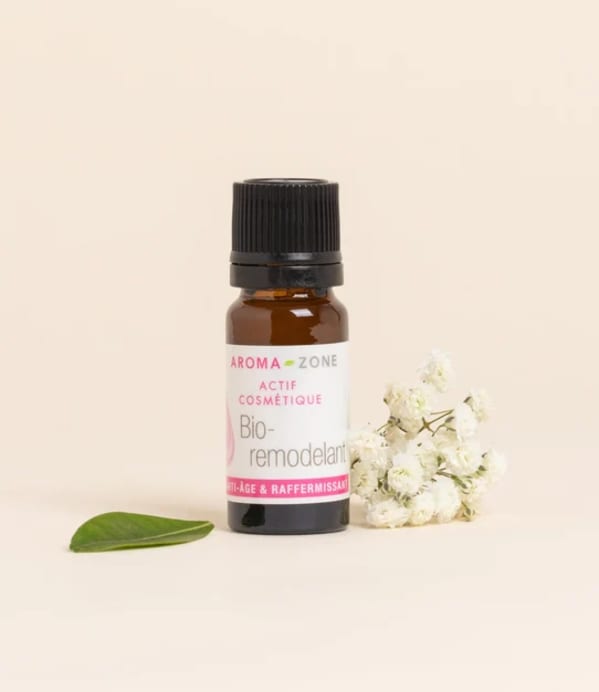
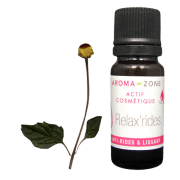
Organic Remodeling Active Ingredient

Organic, remodelling cosmetic active ingredient

Derived from flaxseeds grown in Picardy, this high-quality active ingredient helps prevent collagen breakdown and supports the natural synthesis of hyaluronic acid. It helps restore firmness to the eye area and combats skin sagging. With its redensifying and firming properties, it is a true ally for your at-home eye care routine.

Contraindications: Keep out of reach of children, do not swallow, avoid contact with the eyes, and strictly follow the recommended dosages.

Discover the BIO-remodeling active ingredient

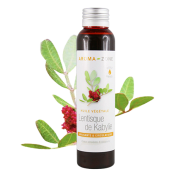
Organic Butcher’s Broom Extract (Fragon)

Renowned for its circulatory benefits, Aroma-Zone Organic Butcher’s Broom extract is an ideal active ingredient for your anti-dark circle skincare formulations. It helps reduce dark circles and puffiness under the eyes for a refreshed appearance.

Contraindications: Keep out of reach of children, do not swallow, and follow the recommended dosages.

Discover Organic Butcher’s Broom Extract (Fragon)

What steps can you take to prevent dark circles?

Adjust screen brightness

If you work in front of a computer, avoid setting the brightness to maximum and wear blue light-blocking glasses to protect your eyes.

Remove makeup every day

Makeup residue damages the eye area and weakens it. Every day, remove your makeup using a gentle makeup remover and cleanse your skin to rid it of all impurities on its surface.

Get enough sleep

Throughout the day, the eye muscles work non-stop. To allow them to rest and prevent the venous networks from dilating, 7 hours of sleep per night are recommended.

Moisturise the eye area

Hydration comes from the outside through moisturising skincare products, but also from the inside, simply by drinking enough water. Drink 1.5 litres of water a day and eat water-rich foods daily. Your skin will be more radiant and less prone to dark circles.

Adopting a Balanced Lifestyle

Avoid alcohol and tobacco as much as possible, as they contribute to the appearance of dark circles. Regular physical activity, stress management (breathing exercises, relaxation), and sun protection for the eye area can also help prevent dark circles.

Performing self-massage

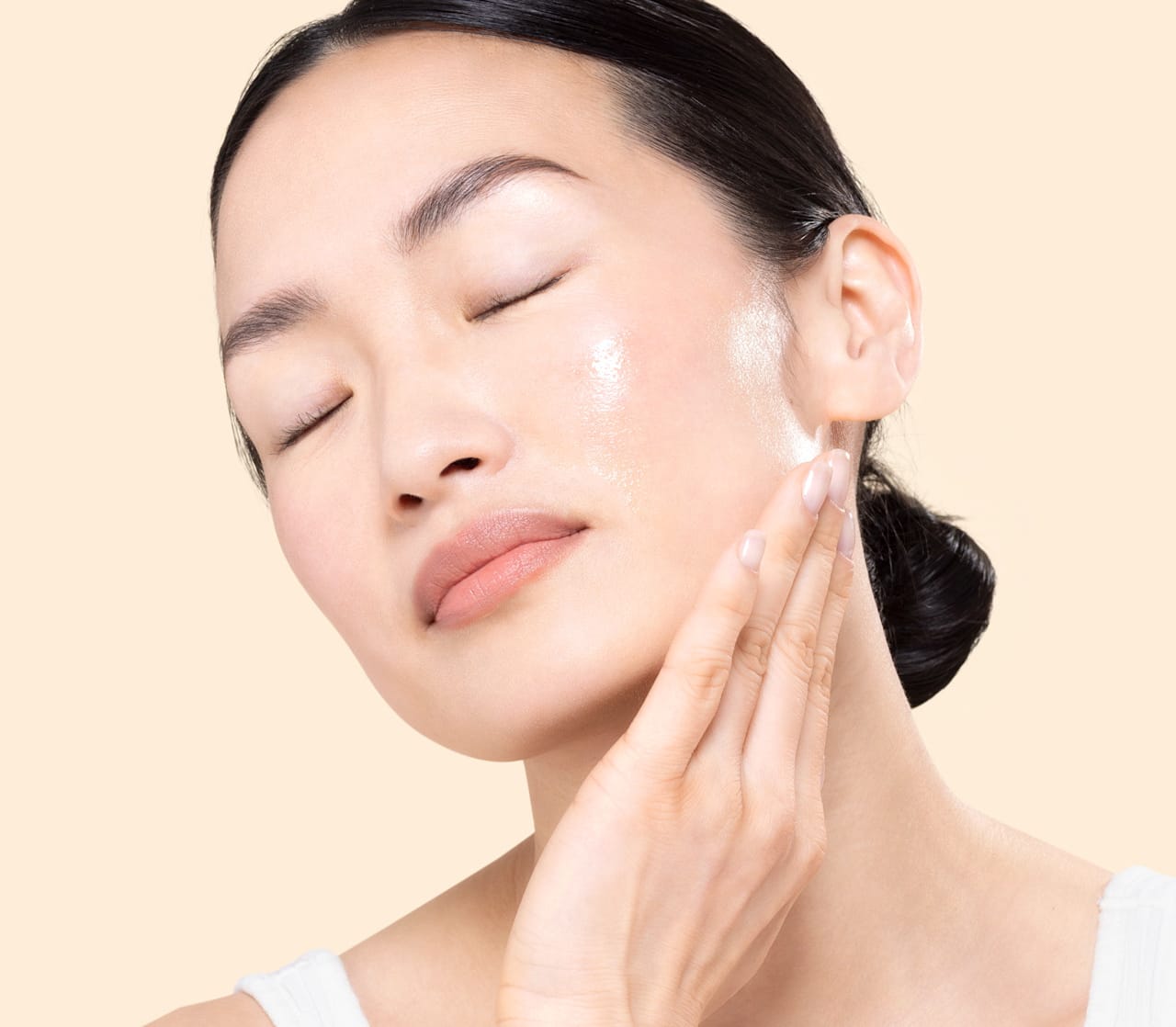
Gentle self-massage around the eye area stimulates blood microcirculation and lymphatic drainage, which limits fluid buildup and helps reduce dark circles and small puffiness. ​​Use your fingertips to apply light pressure and gently smooth or tap from the inner corner of the eye toward the temples for a few minutes each day, without pulling on the skin.

Home remedies for getting rid of dark circles

Boosting blood and lymphatic microcirculation

Cucumber

Cucumber helps reduce puffiness and dark circles thanks to its cooling, vasoconstrictive effect, which boosts blood microcirculation, and its high water content, which helps hydrate the skin locally.

How to use it: Apply fresh cucumber slices to closed eyelids for 10 to 15 minutes on clean skin.

Chamomile

Chamomile’s soothing and decongestant properties help calm local inflammation, gently drain excess fluid, and reduce puffiness.

How to use it: Prepare a chamomile infusion in boiling water. Soak two cotton pads in this tea and place them in the refrigerator for a few minutes. Once they have cooled, place them over your eyes for 10 minutes.

Coffee grounds

Coffee grounds contain caffeine, which has a vasoconstrictive and decongestant effect, helping to reduce the appearance of dark circles and puffiness.

How to use it: Mix one tablespoon of coffee grounds with one tablespoon of yoghurt, and add a few drops of lemon juice. Place the mixture in the refrigerator. Once it’s cold, apply the mask to your dark circles. Leave it on for 15 minutes before rinsing with lukewarm water and applying your day cream.

Green tea

Tea bags straight from the refrigerator cause vasoconstriction. Caffeine enhances this constriction of blood vessels and slightly stimulates microcirculation.

How to use it: Keep your green tea bags in the refrigerator. Place them under your eyes for 5 minutes.

Cold spoons

The cold causes the blood vessels to constrict, which helps reduce puffiness and fluid retention under the eyes.

How to use it: Place two spoons in the freezer for 5 minutes, then place them over your eyes.

Hydrate and nourish the eye area

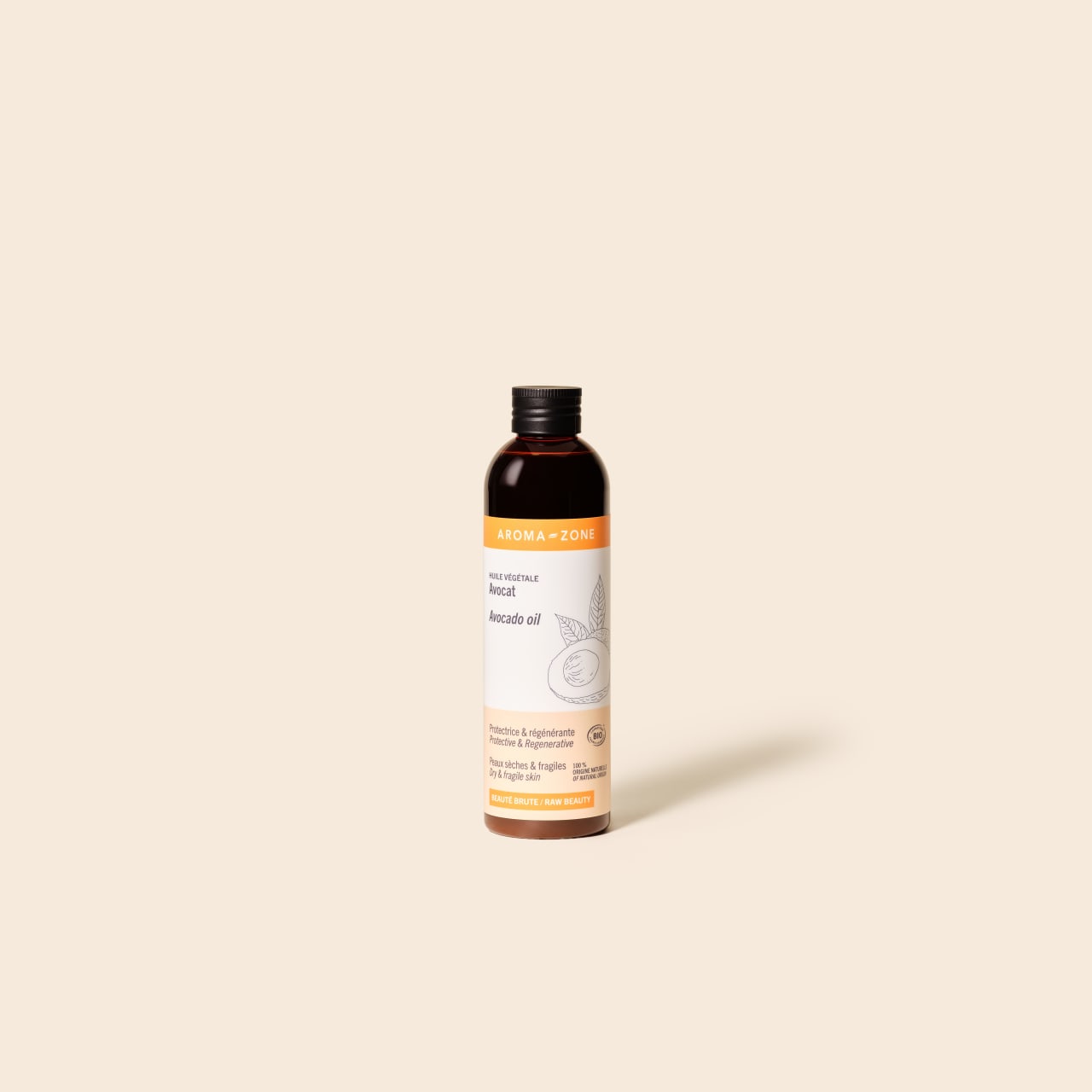
Coconut Oil

Highly nourishing, emollient, and anti-inflammatory, coconut oil can help reduce dryness and minor inflammation that visually accentuate dark circles. Be careful, however, as this oil is comedogenic and not recommended for combination, oily, or acne-prone skin.

How to use it: Apply a very small amount with an ultra-gentle massage around the eye area to benefit from both the moisturising film and the lymphatic stimulation provided by the massage.

Aloe vera

This plant with multiple benefits deeply hydrates the delicate skin under the eyes. The eye area appears plumped up.

How to use it: Apply a small amount of aloe vera gel under your eyes and gently massage for a few minutes to help the product absorb.

Honey

Its moisturising properties improve the suppleness and texture of the eye area, which can slightly smooth the area and make it appear less marked.

How to use it: Mix one teaspoon of honey with 100 ml of warm water, soak two cotton pads in the mixture, and place them under your eyes. Leave on for 10 minutes before rinsing with warm water. Be careful not to get honey in your eyes.

Our anti-dark circle remedies

Precautions

Natural dark circle remedies should be applied around the eye and never directly onto the mucous membrane. Under no circumstances should you put honey, hydrosols, or herbal infusions in your eye. If you experience stinging, redness, or watery eyes, stop using the product immediately.

Opt for very gentle products that are alcohol- and fragrance-free and tested for use around the eyes. Always test a new product on a small area first and limit application time (no more than 10 to 15 minutes for cold compresses, for example). If you have any doubts, consult your doctor.

Expert tip

Facial yoga can help reduce dark circles by stimulating blood and lymphatic microcirculation around the eyes through pressure, smoothing, and toning the orbicularis muscle. The effect is gradual and moderate, but when practiced regularly, it helps improve drainage, decongest the area, and smooth the eye contour, complementing a healthy lifestyle and appropriate skincare.

Spotlight on Our Writer: Hélène Durand

FEATURED PHOTO – Hélène Durand_Ok

With a dual background in literature and marketing, Hélène Durand uses her writing to explore topics that are meaningful to her: natural beauty, well-being, and a healthy lifestyle. Through her articles, she aims to share a supportive perspective and practical advice.

Bibliography

  1. NIH, Periorbital Hyperpigmentation: A Comprehensive Review, January 2016 -

    https://pmc.ncbi.nlm.nih.gov/articles/PMC4756872/

  2. NIH, Physiological and lifestyle factors contributing to risk and severity of peri-orbital dark circles in the Brazilian population, July 2015

    https://pmc.ncbi.nlm.nih.gov/articles/PMC4560538/

Frequently Asked Questions

Frequently Asked Questions