Bloated and Firm Stomach: Natural Approaches

Bloated and Firm Stomach: Natural Approaches


By Marion Alves de Oliveira

Published on: Monday, September 15, 2025, Updated on: Tuesday, November 10, 2026

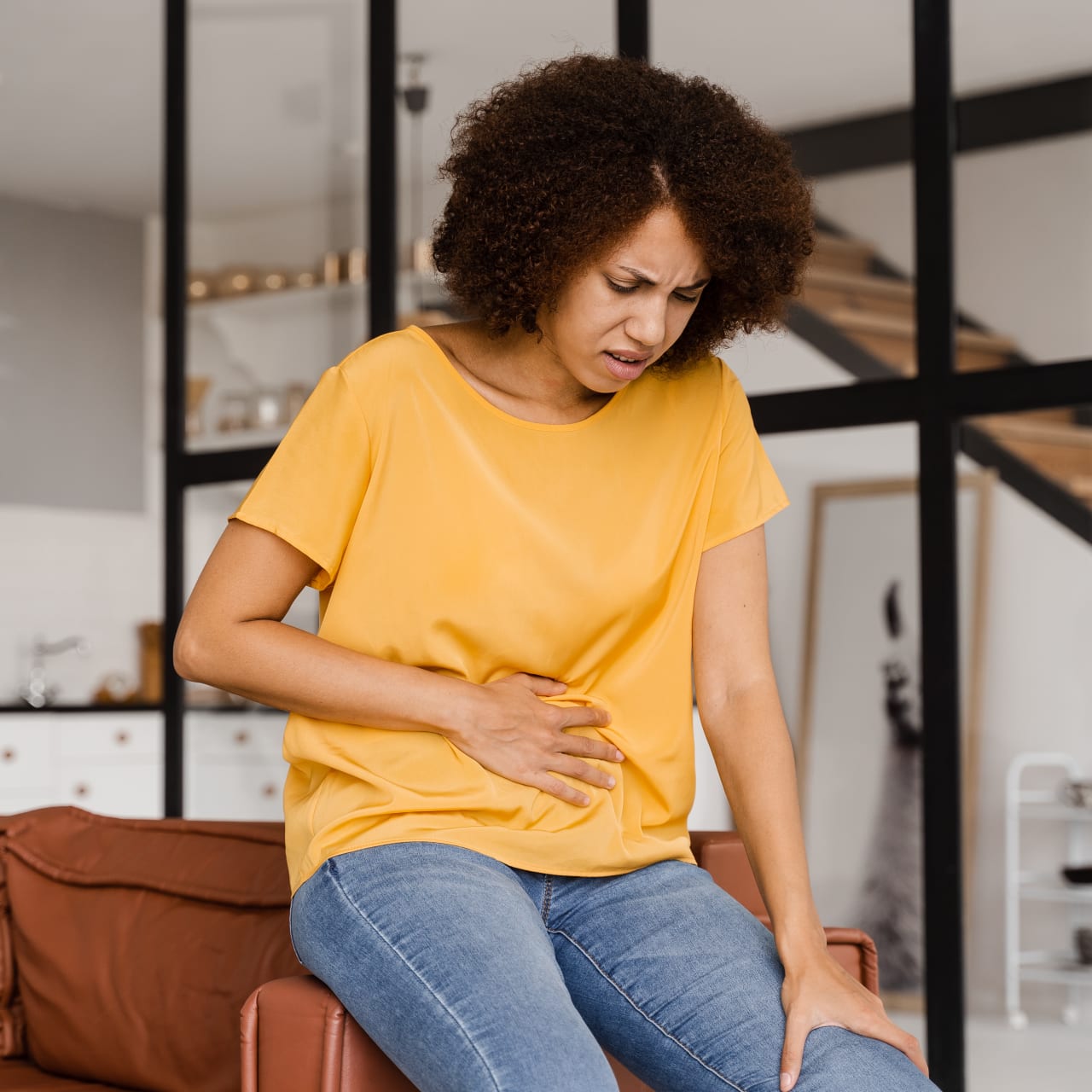
A bloated, firm stomach is a common sensation that often occurs after a heavy or poorly balanced meal. This sensation of a tight stomach, which can sometimes be painful, may be linked to slowed digestion, excess gas, or even nervous tension. While this discomfort is generally harmless, it can weigh on daily life and affect your well-being. Fortunately, natural approaches exist to restore digestive comfort and prevent these discomforts. Through digestive herbs, simple habits, and wellness rituals, may help ease your stomach and relieve that feeling of heaviness. Let’s explore together the possible causes and natural solutions for a calmer stomach.

Contents

Related products

Bloated and Firm Stomach: What Is It?

A bloated, firm stomach describes a sensation of abdominal tension localised in the gastric region. After a meal, the stomach may become so tight that it feels rigid to the touch, accompanied by a feeling of heaviness or bloating. This phenomenon is often due to gas buildup, slow digestion, or involuntary contraction of the abdominal muscles.

In most cases, this is a temporary discomfort that goes away with a few simple steps. However, when the discomfort becomes a recurring problem, it is helpful to understand its causes in order to better prevent them. There are generally two main types of sensations:

  • a soft swelling, mainly related to gas-related bloating

  • a firm, tight stomach, often associated with muscle contraction or a more pronounced slowdown in digestion

A bloated, firm stomach is not a medical condition in itself, but a signal from the body indicating a temporary digestive imbalance. Listening to your body and identifying the triggers is an essential first step toward regaining comfort and lightness.

The Causes: Why Does the Stomach Become Firm and Bloated?

A tense, bloated stomach is often the result of a temporary digestive imbalance. Several factors, including dietary, physiological, or emotional, can explain this uncomfortable sensation.

Slow and Sluggish Digestion

When meals are too large, high in fat, or low in fibre, the stomach takes longer to do its job. This slowness leads to a feeling of heaviness and abdominal tension. Not chewing food properly or eating too quickly further exacerbates this discomfort.

Modern Diets and Meal Schedules

Changes in our eating habits play a significant role. Regular consumption of highly processed foods, rich in simple sugars, additives, or saturated fats, can disrupt the digestive system and promote fermentation. Similarly, alcohol and coffee, when consumed in excess, irritate the stomach lining and exacerbate the feeling of a bloated stomach.

Meal timing is just as crucial: eating too quickly, skipping a meal and then overcompensating with a large meal, or eating dinner late at night, increases the risk of poor digestion and abdominal discomfort.

Gas Buildup and Bloating

Carbonated drinks, chewing gum, talking while eating, or rapid breathing can lead to swallowing air. This excess, combined with the fermentation of certain foods (cabbage, legumes, onions, etc.), produces gas that distends the abdomen and makes it feel firm to the touch.

Stress and Nervous Tension

The digestive system is directly connected to the nervous system. During times of stress, the diaphragm and abdominal muscles contract, which can create the sensation of a firm, tight stomach.

Chronic Digestive Disorders

Some recurring digestive discomforts stem from a long-term imbalance in the gut microbiota. Irritable bowel syndrome (IBS), a common condition, manifests as bloating, abdominal pain, and irregular bowel movements. SIBO, or small intestinal bacterial overgrowth, involves excessive bacterial proliferation in an area that is usually sparsely colonised. It leads to increased gas production after meals, resulting in a swollen, firm, and painful stomach, often mistaken for IBS.

Finally, digestive candidiasis, linked to an overgrowth of the fungus Candida albicans, can also cause bloating, a heavy feeling, and digestive issues. These different forms of dysbiosis share a common feature: they reflect an imbalance in the gut flora, which plays a central role in digestion and abdominal comfort.

Hormonal Fluctuations

In women, hormonal fluctuations during the menstrual cycle can lead to water retention and a sensation of abdominal bloating. This phenomenon is often more pronounced during the premenstrual period.

Endometriosis

In women with endometriosis, significant abdominal swelling may occur, sometimes referred to as “endobelly.” This term describes a very stretched abdomen, similar to that of a pregnant woman, but which is actually caused by inflammation linked to endometriosis lesions. This symptom may be accompanied by pelvic pain, digestive issues, and significant discomfort in daily life. Even though not all affected women experience this symptom, it illustrates how closely linked digestive and gynaecological balance are.


Symptoms of a Bloated and Hard Stomach

A bloated, firm stomach is more than just a minor annoyance. It is often accompanied by signs that indicate more widespread digestive discomfort:

  • Tight and Rigid Abdomen: The abdominal wall feels firm, sometimes difficult to relax

  • Feeling of Bloating: Sensation that the abdomen is filled with air, with a visible increase in waist circumference

  • Abdominal Pain or Cramps: Diffuse or localised in the stomach area

  • Heaviness After Meals: Slowed digestion, sensation that food is at a standstill

  • Gas and Belching: A common sign of excessive fermentation

  • Mild Nausea or diffuse discomfort, sometimes associated with a temporary loss of appetite

  • In some women, increased symptoms before or during menstruation, linked to hormonal fluctuations

These symptoms are usually temporary, but if they recur regularly, it is advisable to investigate the causes and adopt natural preventive measures.

Occasional or Chronic Bloating

It’s helpful to distinguish between occasional bloating, often linked to a heavy meal, and chronic discomfort that occurs several times a week. In the latter case, the impact can be more pronounced: social discomfort due to a visibly bloated stomach, a feeling of being constricted by your clothes, or even sleep disturbances caused by slow digestion. Recognising these nuances helps you better target natural solutions and identify when medical attention becomes necessary.

What Are the Natural Solutions for Relieving Symptoms?

When your stomach is bloated and firm, you can relieve the discomfort with natural remedies. Certain herbs, traditional remedies, and targeted supplements support digestion and help you feel lighter.

Our Products for Digestive Comfort

Organic French Plant-Based Activated Charcoal – 120 capsules – Food supplement

France Organic Plant-Based Activated Charcoal - 120 capsules - Dietary Supplement

Known for its adsorbent properties, it captures intestinal gas and helps reduce the feeling of bloating. Its 100% French origin and high microporosity make it a valuable ally after heavy meals.

Discover Organic French Plant-Based Activated Charcoal - 120 capsules - Dietary supplement

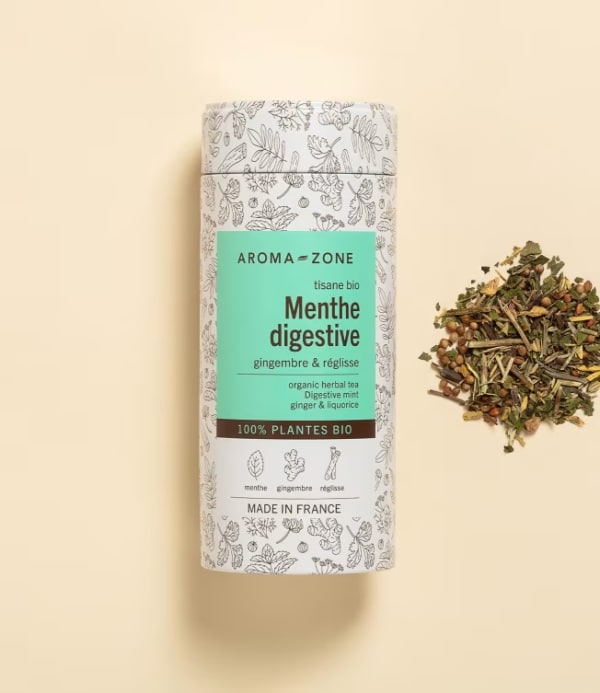
Organic digestive mint herbal tea

Organic Digestive Mint Herbal Tea

A fresh and slightly spicy infusion that combines 7 digestive herbs, ideal after a meal to restore a sense of comfort.

Discover the Organic Digestive Mint Herbal Tea

Herbs and Home Remedies

Carminative Herbs: fennel (Foeniculum vulgare), cumin (Cuminum cyminum), Green Anise (Pimpinella anisum), or coriander (Coriandrum sativum) help relieve gas and reduce bloating

Fennel has been used for centuries to aid digestion. Its seeds are even given to infants in the form of herbal teas to soothe colic, proof of its gentle and well-recognised effect on the digestive system. Green anise and cumin share these carminative properties, and their combination enhances their effectiveness against bloating.

CCF Ayurvedic Herbal Tea: a blend of cumin, coriander, and fennel, known for warming the body and relieving digestive discomfort

Ginger (Zingiber officinale): known to stimulate digestion and reduce nausea. Take it as a tea

Apple Cider Vinegar: Diluted in a glass of water before a meal, it is sometimes recommended to support gastric secretion

Digestive Enzymes: Naturally present in certain foods such as papaya or pineapple, they can help break down nutrients and aid digestion. They are available in the form of dietary supplements

These solutions, whether derived from traditional medicine or modern supplements, offer a holistic approach to soothing a bloated and firm stomach. They can be combined with simple daily habits for greater effectiveness.

How Can You Prevent a Bloated, Firm Stomach?

Adopting a few simple daily habits can help prevent a bloated, firm stomach and improve digestive comfort in the long term.

Mindful Eating

  • Take the time to chew slowly to help your stomach do its job

  • Avoid overly large meals; opt for balanced, smaller portions if necessary

  • Limit your intake of carbonated drinks, chewing gum, and ultra-processed foods, which promote gas production

Choosing the Right Foods

  • Opt for soft fibre (cooked fruits, green vegetables, well-soaked, and cooked legumes)

  • Reduce your intake of highly fermentable foods (cabbage, onions, and uncooked dried beans)

  • Include foods rich in natural digestive enzymes such as pineapple or papaya, and sprouted seeds

  • Staying well-hydrated is essential: drinking enough water throughout the day aids digestion and supports the action of fibre. Conversely, dehydration increases the risk of constipation and, consequently, a bloated stomach

Supporting Digestion Naturally

  • Drink a digestive herbal tea (mint, fennel, anise, ginger) after meals

  • Try a glass of warm water with lemon in the morning to stimulate the digestive system

  • Allowing time to rest after meals, rather than immediately returning to work or remaining seated, promotes smoother digestion. A few minutes of walking or abdominal relaxation exercises are valuable aids in preventing discomfort

Managing Stress

  • Take time for deep breathing or meditation to relax the diaphragm

  • Explore practices like yoga or relaxation, known to improve abdominal mobility and soothe digestive discomfort

Get Moving Every Day

  • Incorporating regular physical activity (walking, swimming, cycling, gentle exercise) promotes digestion and reduces the risk of a bloated stomach

  • Stretching and twisting movements are particularly beneficial for gently massaging the digestive organs

By combining a balanced diet, stress management, and daily exercise, it becomes easier to prevent a bloated, firm stomach and regain lasting comfort.

Recipes

Precautions

A bloated, firm stomach is usually harmless, but certain situations require caution:

  • Consult a healthcare professional if symptoms persist, worsen, or are accompanied by unusual signs (severe pain, fever, unexplained weight loss)

  • Avoid Self-medicating Systematically: natural remedies can relieve discomfort, but they are no substitute for medical advice when in doubt

  • If in doubt, or if symptoms persist, it is always recommended to seek the advice of a doctor or pharmacist

Expert Advice

The stomach is often considered our “second brain,” sensitive to our emotions and our lifestyle. Chi Nei Tsang massage, rooted in Taoist tradition, involves gently working the abdominal area to release tension, improve energy flow, and support digestion. A few simple strokes, performed with a light vegetable oil such as apricot kernel oil, are enough to relax the stomach area and soothe the sensation of a bloated, firm stomach. When incorporated into a wellness routine, this massage becomes a true ritual for prevention and digestive comfort.

Spotlight on Marion Alves De Oliveira

Marion ALVES DE OLIVEIRA

Marion has a Doctor of Pharmacy and is a naturopath and coach. After twelve years in the cosmetics industry, she now helps clients achieve greater overall balance and adopt a more mindful lifestyle, with a particular focus on sustainable nutrition. She also created a podcast where she shares insights to promote a lifestyle philosophy that respects both health and the environment.

Bibliography

  1. Enders G., The Discreet Charm of the Intestine, Actes Sud, 2015.

  2. Velho, R.V.; Werner, F.; Mechsner, S. Endo Belly: What Is It and Why Does It Happen?—A Narrative Review. J. Clin. Med. 2023, 12, 7176.

    https://doi.org/10.3390/jcm12227176

  3. Camilleri M., “Management of the irritable bowel syndrome,” Gastroenterology, 2001, 120(3):652-668.

Frequently Asked Questions

Frequently Asked Questions

Associated tips