
Ginger (Zingiber officinale) is a plant native to Southeast Asia, used for thousands of years for both its culinary and therapeutic properties. Its rhizome, the underground part of the plant, is rich in active compounds such as gingerols and shogaols, which give it its medicinal properties. Whether dried or fresh, grated or sliced, ginger is used in many traditional remedies, dishes, and infusions for its beneficial effects on the body and mind. It is particularly prized for its anti-inflammatory, digestive, and stimulating properties, which make it a valuable ally for everyday well-being.
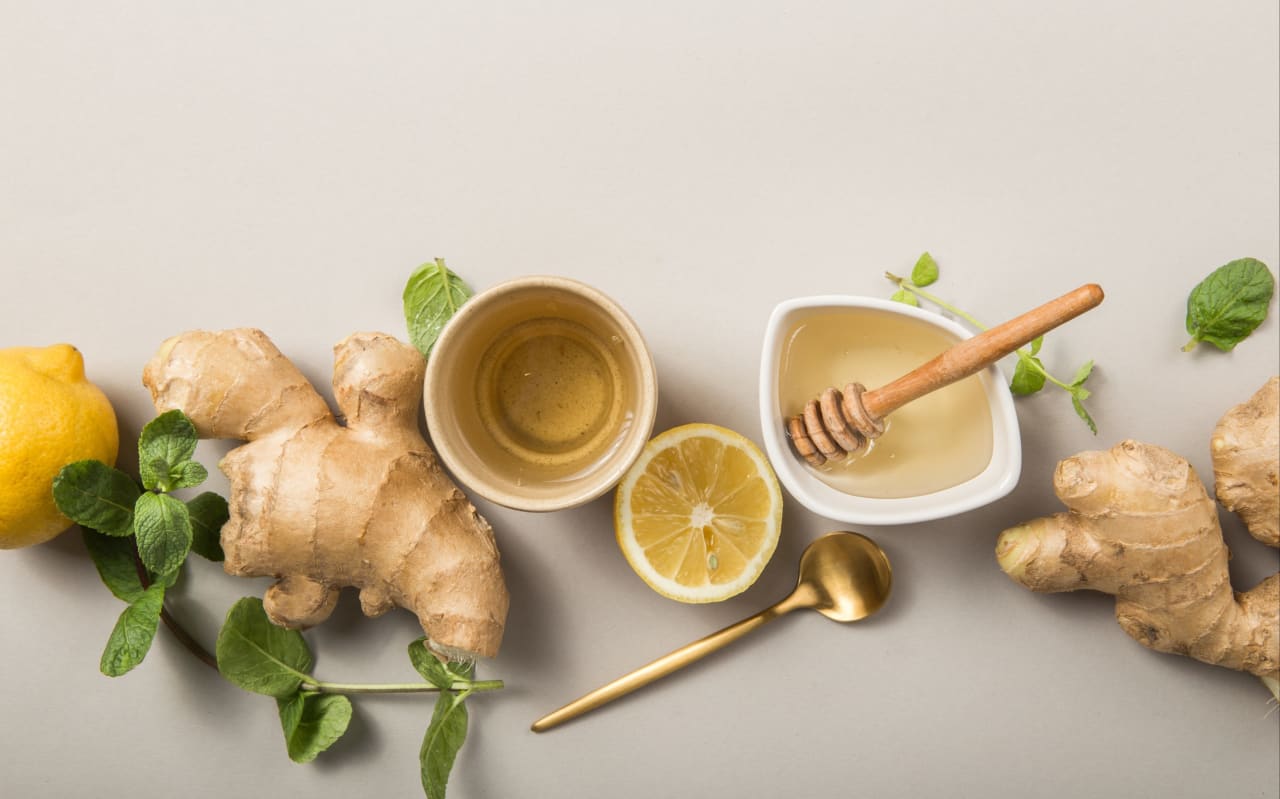
Ginger Tea: What Are the Benefits?
Published on: Monday, October 28, 2024, Updated on: Wednesday, October 28, 2026
Have you ever tried ginger tea? This powerful root, used for centuries, is much more than just a spice. As a tea, it reveals its full potential to support your vitality, improve digestion, and strengthen your natural defences. In this article, discover the properties of this precious root and how to enjoy it as a tea to reap all its benefits.
Contents
Related products
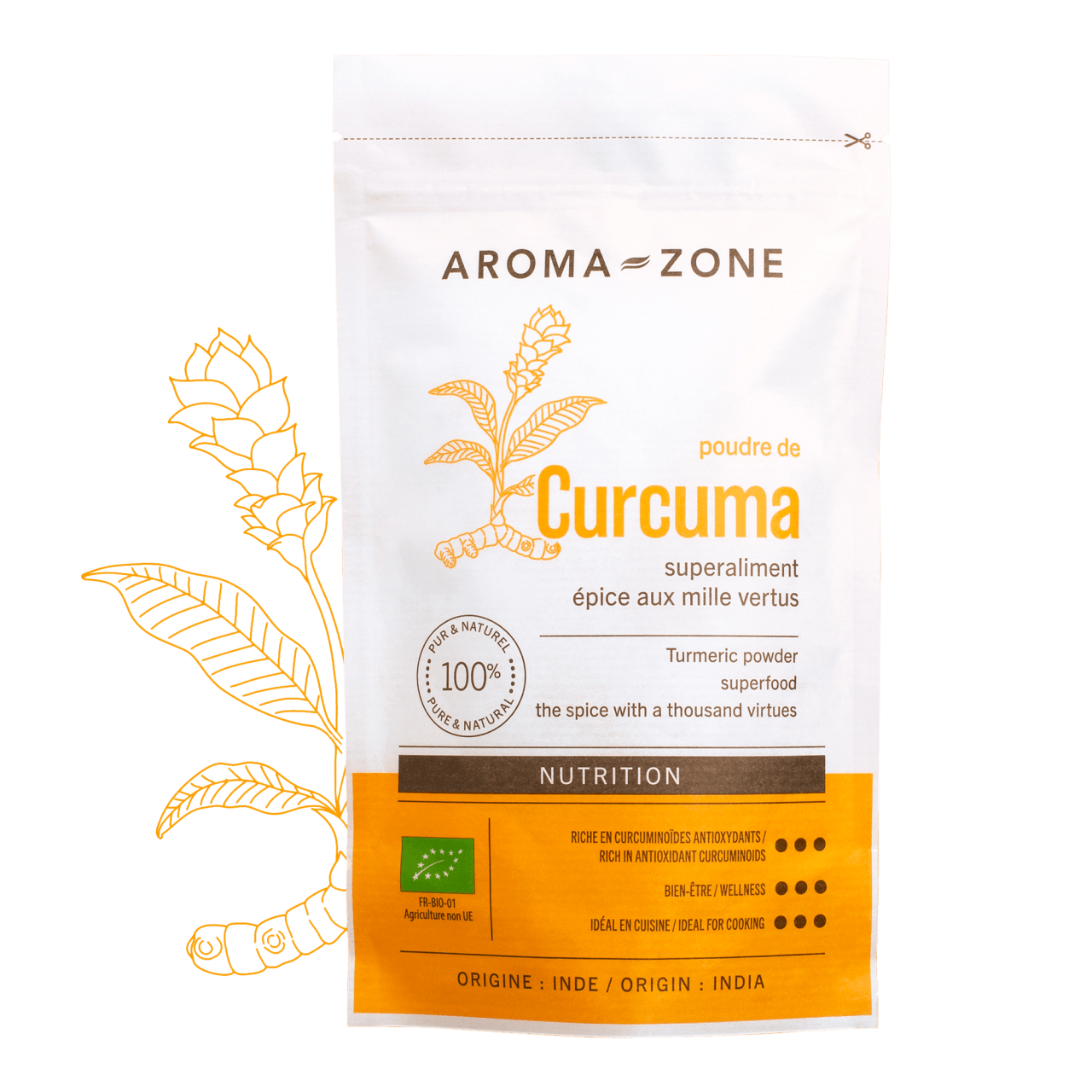
Organic Turmeric Powder
Rich in antioxidants
£4.00
100 g
Ginger: What Is It?
Why drink ginger tea?
Drinking ginger tea is a simple and natural way to fully enjoy the benefits of this plant. Whether you’re looking to soothe difficult digestion, boost your immunity, or combat moments of fatigue, ginger tea can become a valuable daily aid. It’s also an excellent way to treat yourself to a comforting moment, thanks to its warming and soothing effects. Its spicy and invigorating flavour makes it a pleasant drink to enjoy at any time of day, whether upon waking to start the day off right or in the evening for a moment of comfort.
What are the benefits of ginger tea?
Ginger tea offers numerous health benefits, including:
Aids digestion: Ginger is an excellent ally for soothing digestive issues such as bloating, nausea, heartburn, or indigestion.
Boosts the immune system: Rich in antioxidants, ginger helps strengthen our natural defences and fight infections.
Natural anti-inflammatory: Its active compounds help reduce inflammation, thereby relieving joint and muscle pain.
Stimulates blood circulation: Ginger acts as a natural vasodilator, promoting better blood circulation and delivering oxygen to the tissues.
Reduces nausea: Ginger tea is one of the best-known remedies for relieving nausea, particularly that associated with motion sickness or pregnancy.
Support for colds or flu: Thanks to its warming properties, ginger helps clear congestion and soothe the symptoms of the common cold.
Supports weight loss: It stimulates metabolism and helps burn fat.
Promotes relaxation: As an adaptogenic plant, it aids in stress management and calms the mind.
What are the natural alternatives to ginger?
Beyond ginger, many plants offer equally interesting properties and are ideal for making tea. Each one has specific benefits, suited to different needs:

Chamomile: Known for its soothing properties, it aids digestion and promotes restful sleep thanks to its mild sedative effects.
Hibiscus Flower: Rich in antioxidants, it is particularly prized for its refreshing effects and its role in regulating blood pressure and reducing oxidative stress.
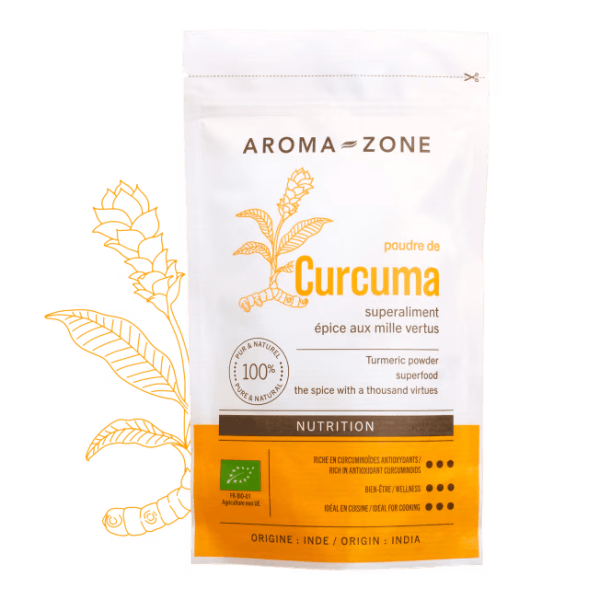
Turmeric: This other rhizome contains curcumin, a powerful anti-inflammatory and antioxidant, and is often used to relieve joint pain and support digestive health.
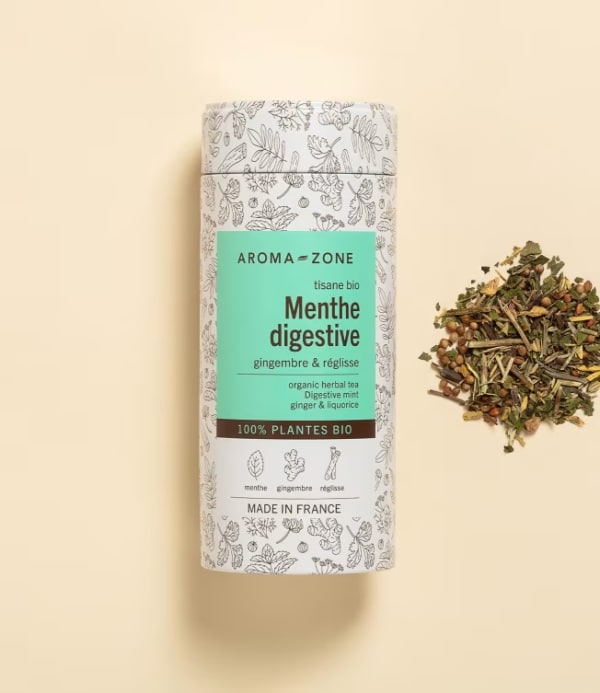
Peppermint: It promotes relaxation of the smooth muscles of the digestive tract, thereby relieving digestive issues such as bloating and intestinal spasms.
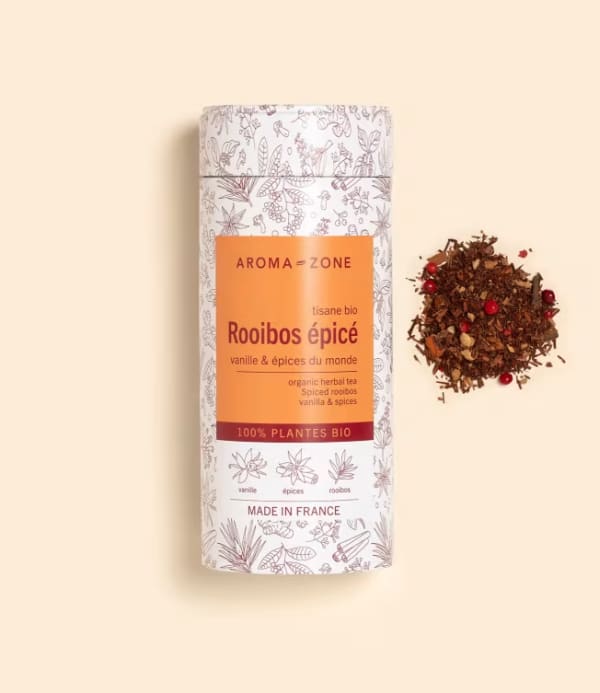
Rooibos: In addition to its antioxidant properties, it is caffeine-free, making it an excellent option for relaxation and stress reduction, while supporting cardiovascular health.
Ginger Tea: Our Tips
To get the most out of ginger tea, here are all our tips on how to prepare and enjoy it:
How to prepare it:
Take a fresh ginger root and peel off a small piece (2–3 cm).
Cut it into thin slices or grate it.
Heat water without bringing it to a boil.
Pour the water over the ginger and let it steep for 10 minutes.
You can add a little honey or lemon to taste.
When should you drink it?
You can drink ginger tea daily, especially during times when your body is under greater stress.
In the morning: You can drink a ginger tea upon waking to boost your metabolism and kickstart your digestive system.
In the afternoon: If you’re feeling a bit tired, a ginger tea can help you regain energy and focus.
In the evening: It’s perfectly fine to drink ginger tea in the evening, although its spicy flavor and stimulating effects may not be suitable for everyone before bedtime.
Related recipes at AZ



Precautions for use
Before consuming ginger, it’s important to keep a few precautions in mind:
Pregnancy and breastfeeding: Consult a healthcare professional before consuming large amounts of ginger.
Blood disorders: Ginger can thin the blood; if you are on anticoagulant medication, we recommend discussing this with a doctor.
Dosage: We recommend not exceeding 2–3 cups of ginger tea per day to avoid any adverse effects (such as stomach irritation).
Expert Tip
Have you ever tried ginger shots? These small doses of concentrated ginger juice, taken in the morning, are ideal for a natural energy boost. In addition to their revitalising effects, they support digestion and strengthen the immune system.
Focus on our Naturopathic editor, Stéphanie Catrysse

Stéphanie Catrysse - Naturopath (FENA-certified), well-being massage and lymphatic drainage practitioner and personal development consultant.
She takes a holistic approach to health and is passionate about alternative medicine.
Bibliography
Ali BH, Blunden G, Tanira MO, Nemmar A.
Some phytochemical, pharmacological, and toxicological properties of ginger (Zingiber officinale Roscoe): a review of recent research. Food Chem Toxicol. 2008 Feb
Healing Plants, Dr. Gérard Debuigne, Larousse Publishing

Frequently Asked Questions
Associated tip

Digestive issues


