
Heartburn: 6 natural, effective remedies for lasting relief

Heartburn: 6 natural, effective remedies for lasting relief


By Camille Clément

Published on: Monday, November 06, 2023, Updated on: Wednesday, October 07, 2026

An overly rich diet, stress, and eating too quickly — our modern lifestyles create a favorable environment for heartburn. Without replacing medical advice when symptoms are frequent or severe, natural solutions can help soothe heartburn, protect the mucous membranes, and gently restore digestive balance.

In this article, we present natural and effective remedies to provide lasting relief from heartburn and help you regain comfort and peace of mind after meals.

Contents

Related products

In brief

  • Heartburn can be relieved with natural remedies such as chaga, bananas, ginger, or probiotics, each of which works differently to support digestion or soothe irritation.

  • It is also recommended to avoid lying down after meals, eat slowly and chew food thoroughly, manage stress, and avoid trigger foods.

  • The article points out that these solutions do not replace medical advice, especially if symptoms are persistent or severe.

What is heartburn?

Heartburn, also known as pyrosis, refers to a sensation of heat, burning or irritation that starts in the pit of the stomach and rises behind the breastbone, sometimes as far as the throat. It is caused by an abnormal reflux of gastric acid – the fluid used to break down food – from the stomach into the oesophagus.

Between the oesophagus and the stomach lies a sphincter which opens to allow food to pass through, then closes to prevent acid from rising. When this sphincter functions normally, it is sufficiently toned to prevent the pressure in the stomach from pushing the gastric contents upwards. However, when this anti-reflux barrier malfunctions, gastric fluid flows back up into the oesophagus; this is known as gastro-oesophageal reflux or GERD. However, the lining of the oesophagus is not designed to withstand a highly acidic pH, unlike that of the stomach, which is protected by a thick layer of mucus. 

Repeated contact with gastric acid irritates the oesophageal lining, causing a characteristic burning sensation and sometimes a sour or bitter taste in the mouth.


What causes heartburn?

Dietary factors

Meals that are too large, rich or eaten too quickly, dishes that are too fatty, sugary, particularly acidic or spicy, chocolate as well as certain drinks, such as alcohol, coffee, fizzy drinks or energy drinks, are all dietary factors that increase stomach acidity and slow down gastric emptying. Stomach distension activates receptors in the stomach lining, which trigger the vagal reflex that relaxes the oesophageal sphincter. The sphincter opens temporarily, for a few seconds, even though no food is being swallowed. This phenomenon creates a window during which the acidic stomach contents can flow back into the oesophagus and cause reflux.

Lifestyle factors

Being overweight, particularly with abdominal weight gain, pregnancy and wearing tight-fitting clothing increase pressure on the stomach, which can push its contents upwards towards the oesophagus. Smoking increases acidity in the stomach and causes the oesophageal sphincter to relax. Leaning forwards, lying down or engaging in strenuous physical activity immediately after a meal can trigger heartburn. After a meal, the stomach is fuller and the pH is very acidic. When standing upright, gravity helps to keep the contents in the stomach, whereas when lying down or leaning forwards, this support is lost. Furthermore, stress stimulates the secretion of gastric juices, and therefore the overall acidity in the stomach. At the same time, it increases the sensitivity of the oesophagus and slows down digestion. The stomach therefore remains full and acidic for longer, which contributes to heartburn.

Physiological causes

Instances of heartburn increase with age, particularly after the age of 50. Certain medicines, notably anti-inflammatories, certain hormones and some cardiovascular treatments, also contribute to gastric reflux and sphincter hypotonia, whereby the sphincter no longer closes tightly enough. A hiatal hernia occurs when the upper part of the stomach protrudes above the diaphragm. This weakens the anti-reflux mechanism. Finally, certain conditions, such as gastric or duodenal ulcers or gastritis, can also cause a burning pain.

What are the symptoms?

Heartburn is accompanied by several typical symptoms linked to the reflux of stomach acid and irritation of the oesophagus:

  • A burning sensation behind the breastbone : a sensation of heat, burning or irritation that starts in the pit of the stomach and rises up into the chest, sometimes as far as the throat, is the main symptom of heartburn. The discomfort can be described as a ‘burning sensation’ in the chest

  • Regurgitation and acid reflux: acid regurgitation occurs when the contents of the stomach flow back into the oesophagus, sometimes reaching as far as the mouth. This causes a sensation of acidity or burning along the oesophagus and down the throat

  • Bitter or sour taste in the mouth : when stomach acid reaches the mouth, it leaves a very unpleasant bitter or sour taste. This can lead to bad breath

  • Pain in the stomach, chest and upper abdomen: in addition to the burning sensation, pain or cramps may occur in the upper abdomen (above the navel) and spread towards the chest. These are accompanied by a feeling of pressure and heaviness

  • Bloating and a feeling of fullness : heartburn is often accompanied by abdominal bloating, even after eating only small amounts of food. The stomach may feel tight and frequent belching occurs to release air and reduce intra-abdominal pressure

  • Throat discomfort: throat irritation, coughing, hoarseness and, occasionally, difficulty swallowing may be associated with heartburn. Acid reflux can irritate the vocal cords, the throat and, in the long term, even the teeth, particularly when reflux episodes are prolonged or occur at night

  • Sleep disturbances: night-time heartburn and acid reflux disrupt sleep by causing frequent awakenings, discomfort and, sometimes, a night-time cough. 

If you experience daily heartburn, severe chest pain, difficulty swallowing, weight loss or significant night-time symptoms, it is advisable to seek medical advice.

What natural remedies are there for heartburn?

Chaga extract

High in polysaccharides, Chaga is a medicinal mushroom renowned for its benefits for digestive wellbeing. Harvested by hand and sustainably from birch trees in Mongolian forests, this natural remedy for heartburn is rich in anti-inflammatory compounds, promotes digestive comfort and helps maintain a healthy digestive system.

How to use: take as a one-month course of treatment, with 1 to 2 capsules per day, to be swallowed with a glass of water.

Contraindications: This food supplement is not recommended for pregnant or breastfeeding women, children, or people prone to kidney stones, diabetes or immune system problems, or those with an allergy to mushrooms or birch.

Discover Organic Chaga Extract – 60 capsules – Dietary supplement

Probiotics for gut comfort

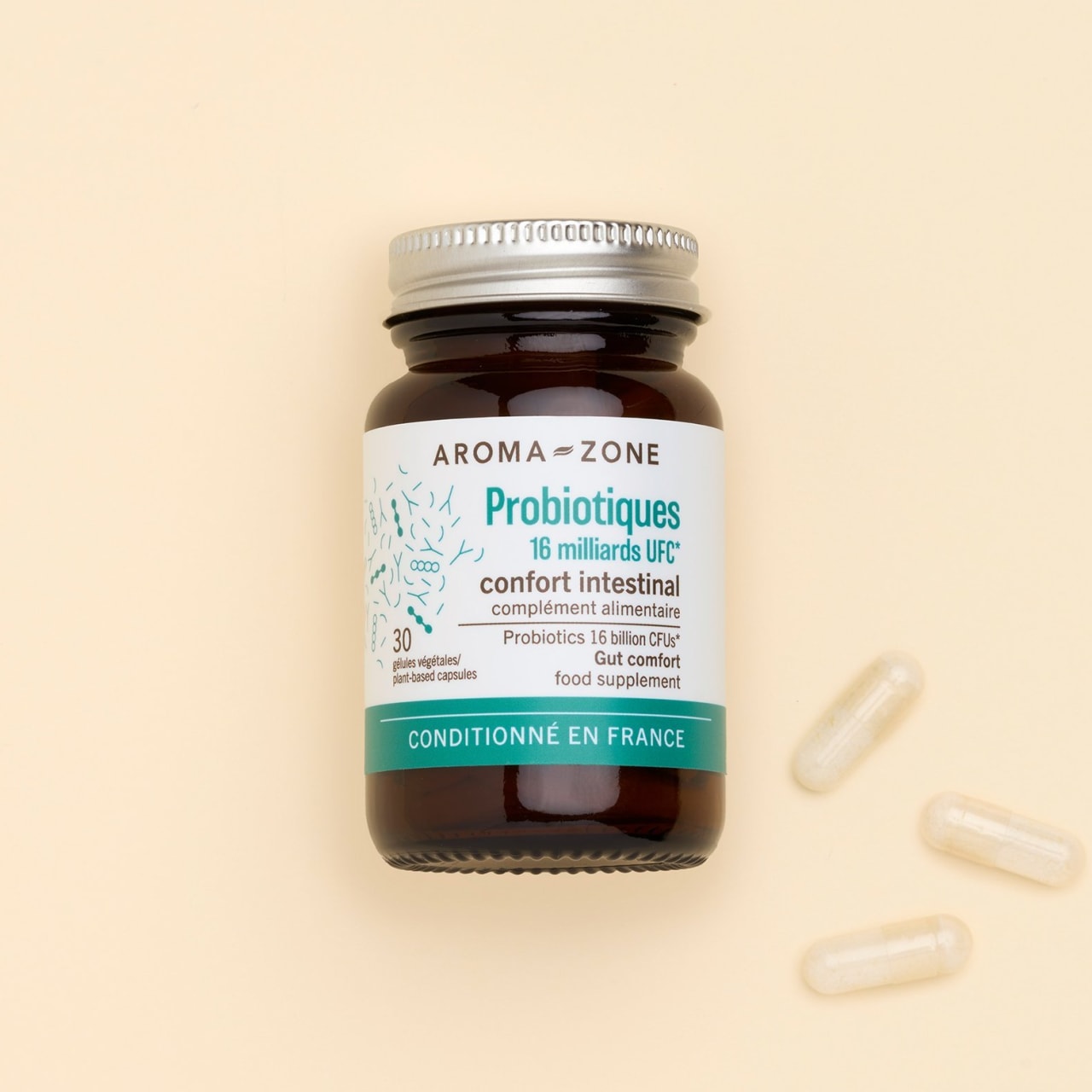
A synergy of five patented and clinically tested probiotic strains, Aroma-Zone Probiotics support the balance of the gut microbiota and help alleviate digestive problems. Available in enteric-coated capsules for targeted release of the active ingredients, this natural remedy for heartburn helps maintain healthy digestion.

How to use: take as a 1- or 2-month course, swallowing 1 capsule a day with a glass of water.

Contraindications : This food supplement is for adults only and is not recommended for pregnant or breastfeeding women. 

Discover Probiotics for Digestive Comfort – 30 capsules – Food supplement

Organic Digestive Mint Herbal Tea

This herbal tea combines seven plants known to aid digestion and promote well-being after meals: peppermint, sweet mint, coriander, fennel, liquorice, ginger and Sobacha buckwheat. With its fresh, minty and slightly spicy flavour, it reduces bloating, helps maintain normal digestive function and soothes digestive discomfort.

How to use it: steep 1 teaspoon of Organic Digestive Mint herbal tea in a cup of simmering water. Leave to infuse for 5 to 10 minutes, depending on your preference. This infusion is caffeine-free and can be enjoyed at any time of day. This natural remedy for heartburn is ideal after a main meal.

Discover our organic digestive mint herbal tea

What home remedies are there for heartburn?

Bananas to protect the stomach

Thanks to their fibre and pectin content, bananas form a sort of protective film that coats the stomach lining. They neutralise excess acid and reduce irritation of the stomach lining by minimising direct contact between stomach acid and the stomach wall. It’s best to eat ripe bananas, on their own or as a snack, ideally away from very fatty or very sugary meals.

Honey to soothe

Honey has anti-inflammatory properties and soothes the oesophageal lining irritated by acid reflux. Its viscous texture coats the oesophageal lining and reduces the mechanical and chemical irritation caused by acid. One teaspoon of honey taken every evening at bedtime, either on its own or added to a herbal tea, may relieve the symptoms of heartburn.

Almonds to neutralise acidity

As natural antacids with alkalising properties, almonds are thought to help neutralise stomach acid and thus soothe reflux. When chewed, they form a sort of oily cream that coats the lining of the oesophagus and stomach, acting as a protective barrier. Remember to chew your almonds thoroughly when eating them.

Ginger to combat heartburn

A natural gastroprotective agent, ginger contains anti-inflammatory compounds that can soothe pain and inflammation. It promotes smoother gastric emptying and reduces acid stagnation. Ginger can be used fresh, as a herbal tea, or sometimes in powder form; it should be sipped slowly after a heavy meal or when experiencing acid reflux.

Apple cider vinegar to prevent heartburn

Taken in small, diluted quantities, cider vinegar may help to rebalance gastric acid secretion and prevent certain types of acid reflux. Dilute 1 tablespoon of cider vinegar in a glass of water before a heavy meal, but only if it is well tolerated.

What are the best things to do when you have heartburn?

If you suffer from heartburn, there are several simple steps you can take to ease the pain straight away and reduce the likelihood of it happening again:

  • Sit or stand upright after a meal: avoid lying down or leaning forwards for at least 45 to 60 minutes after a substantial meal. Gravity helps to prevent acid reflux.

  • Drink still water slowly, in small sips, to dilute the stomach acid and reduce irritation of the lining.

  • Eat slowly, chew thoroughly and eat your meals whilst seated, in a calm environment to reduce pressure on the stomach and aid digestion. Have a light evening meal, at least 2 to 3 hours before going to bed. Avoid late and very heavy meals.

  • If necessary, split your meals into smaller portions: opt for smaller, more frequent meals rather than one or two large meals, which stretch the stomach and promote acid reflux.

  • Limit trigger foods: fatty and fried foods, sauces, chocolate, citrus fruits, acidic tomatoes, coffee, alcohol and fizzy drinks should be avoided if you have a sensitive stomach.

  • Avoid wearing tight-fitting clothing around the waist: belts and girdles compress the abdomen and tend to push the stomach’s contents up towards the oesophagus.

  • Limit tobacco and alcohol, as these irritate the mucous membrane and contribute to the relaxation of the oesophageal sphincter.

  • Manage stress: breathing exercises, relaxation, walking and stretching reduce cortisol levels. Stress promotes reflux and makes the pain more acute.

Is heartburn dangerous?

Experiencing heartburn from time to time is generally not dangerous. However, if it is severe and frequent – occurring several times a week – it can perpetuate a cycle of irritation of the oesophageal lining and lead to complications. If heartburn is accompanied by difficulty or pain when swallowing, a sensation that food is ‘stuck’, a chronic cough, breathing difficulties or chest pain, it is essential to consult a healthcare professional without delay.

Precautions

If you suffer from frequent heartburn, if it wakes you up at night, or if it is accompanied by difficulty breathing, chest pain, faintness, weight loss or vomiting, you should seek urgent medical advice. Appropriate treatment prescribed by a healthcare professional can relieve symptoms and reduce the risk of long-term complications.

Expert advice

If you suffer from acid reflux at night, you can raise the head of your bed slightly by placing pillows under your head or wedges under the legs of the bed. This position makes use of gravity to help reduce heartburn.

Bibliography

  1. NIH, Physiology, Lower Esophageal Sphincter, mars 2023

    https://www.ncbi.nlm.nih.gov/books/NBK557452/

  2. NIH, Risk factors for gastroesophageal reflux disease: a population-based study, février 2024

    https://pmc.ncbi.nlm.nih.gov/articles/PMC10840240/

  3. NIH, Honey - A nutrient with medicinal property in reflux oesophagitis, décembre 2013

    https://pmc.ncbi.nlm.nih.gov/articles/PMC3978955/

  4. NIH, The Efficacy of Dietary Interventions in Patients with Gastroesophageal Reflux Disease

    A Systematic Review and Meta-Analysis of Intervention Studies, février 2024 - https://pmc.ncbi.nlm.nih.gov/articles/PMC10857327/

Frequently Asked Questions

Frequently Asked Questions

Associated tip