Ginger and lemon: what are the benefits?

Ginger and lemon: what are the benefits?


By Christine Barris

Published on: Wednesday, March 27, 2024, Updated on: Tuesday, September 15, 2026

Lemons and ginger are very popular in cooking. They are particularly appreciated for their refreshing effects and the touch of exoticism they bring to our dishes. However, their appeal is not limited to their pleasant and invigorating taste. They are foods with multiple health benefits: digestive, detoxifying, and antioxidant properties.

What are all their benefits? How should you consume them to reap these benefits? That’s what we’ll explore here.

Contents

What is ginger?

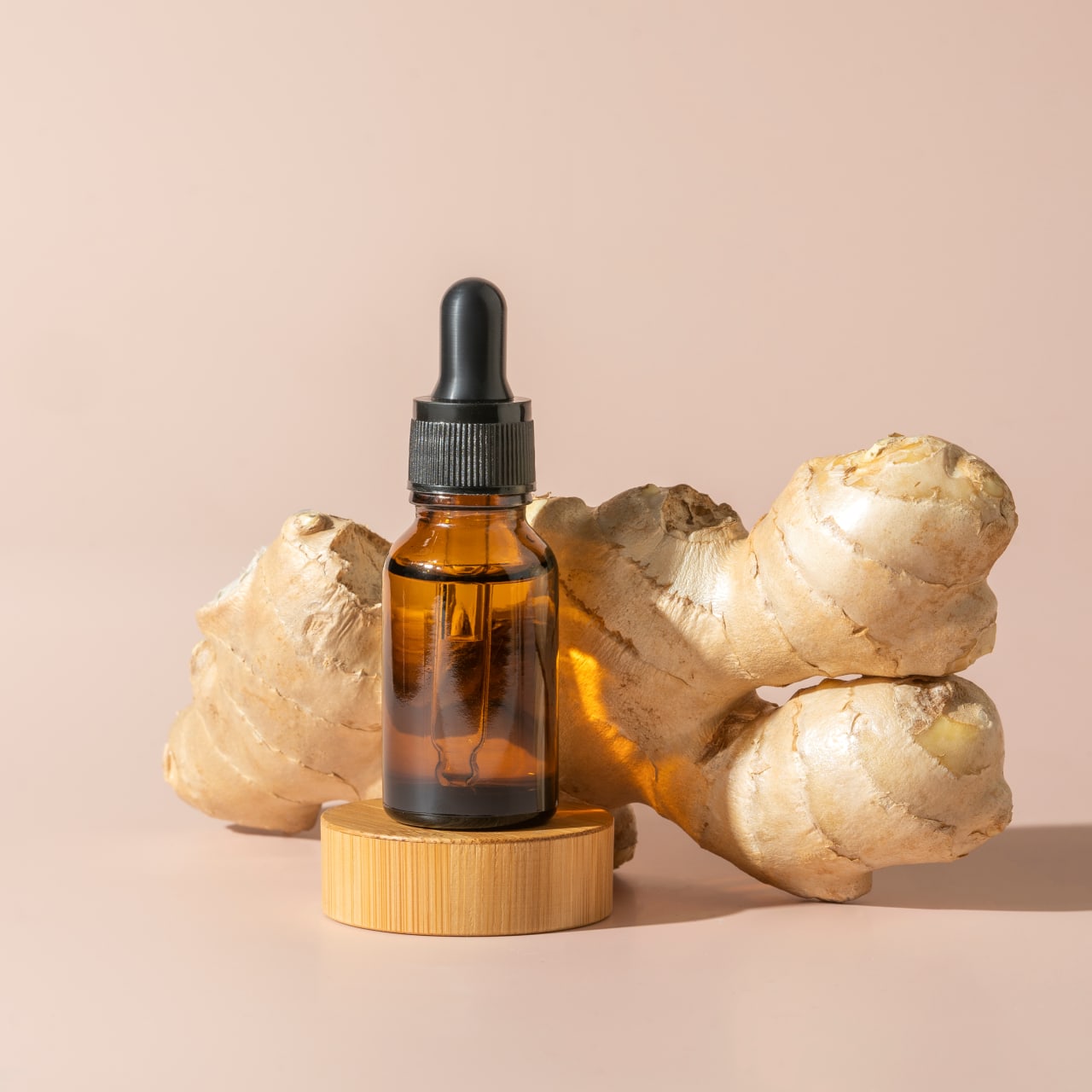
There are several types of ginger. The one we use in cooking is common ginger (Zingiber officinale). It is a plant in the Zingiberaceae family, native to Asia.  Only its rhizome—a type of root—is consumed. Its slightly spicy flavor is highly prized in Asian countries. It can be eaten fresh, grated, dried into powder, or candied. Fresh ginger has a slightly more refreshing and spicy flavor than powdered ginger, but the latter may be easier to use.

The Benefits of Ginger

  • Regulates appetite: Thanks to its positive effect on the production of gastric juices, ginger can stimulate the appetite.

  • Aids digestion: It helps the stomach work more efficiently, promotes the production of saliva—which contains digestive enzymes—and stimulates the liver’s production of bile, a liquid essential for fat digestion. 

  • Relieves nausea: Motion sickness, indigestion, queasiness... ginger is an effective natural remedy for relieving these discomforts.

  • Promotes intestinal well-being: When consumed regularly, it helps stimulate sluggish bowels by facilitating bowel movements.

  • Reduces inflammation: Its anti-inflammatory properties make it a valuable ally for joint pain and other inflammatory conditions.

  • Acts as an antioxidant: The antioxidants it contains help counteract the effects of free radicals on the body. Free radicals are unstable molecules responsible for oxidative stress and cellular aging.

  • Improves blood circulation: Thanks to its vasodilatory properties, it facilitates blood flow, which helps lower blood pressure.

What is a lemon?

The lemon is the fruit of the lemon tree (Citrus Limon). It belongs to the Rutaceae family. This citrus fruit is native to Asia. Limes and lemons belong to the same botanical family but come from two different varieties. Their nutritional composition differs slightly, but their properties are quite similar. Lemons are consumed fresh as juice or candied. Their zest can be incorporated into many recipes to enhance their flavor. Ginger and lemons are not only pleasant to eat, they are also packed with health benefits. That is what we will now examine in more detail.

The Benefits of Lemons

  • Antioxidant: Thanks to its high vitamin C content, well known for its antioxidant properties, it reduces the risk of oxidative stress and associated disorders linked to an excess of free radicals.

  • Boosts the immune system: Thanks to its high vitamin C content, it helps fight pathogens more effectively.

  • Regulates appetite: The citric acid it contains helps stimulate the production of saliva and gastric acid, which can stimulate the appetite by preparing the stomach for digestion.

  • Stimulates liver function: Its choleretic (stimulates bile production by the liver) and cholagogue (promotes the release of bile stored in the gallbladder) properties help improve toxin elimination and relieve nausea and headaches associated with poor digestion.

  • Fights inflammation: Gingerol and shogaol, found in ginger, block certain molecules that cause chronic inflammation.

  • Thins the blood: By promoting better dilation of blood vessels, it allows blood to circulate more freely.

Check out our article to learn more about All the benefits of lemon.

What are the benefits of ginger and lemon combined?

Ginger and lemon have quite similar properties, as we’ve just seen, which are further amplified when combined. That’s why it’s recommended to consume them together. In fact, there are many recipes that combine these two ingredients. Among the main benefits of this ginger-lemon combination are the following three:

Improved digestive function: Both promote better functioning of the stomach, liver, and intestines—essential organs of the digestive system. They help prevent feelings of heaviness or nausea after meals and improve bowel movement.

Improved elimination functions: By promoting better digestion and stimulating bowel movements, ginger and lemon help the body eliminate toxins more effectively. Their stimulating effect on blood circulation also aids in waste elimination, since blood that circulates more efficiently passes more frequently through the cleansing organs responsible for filtering it—primarily the liver and kidneys.

Combats chronic inflammation: Their active compounds (gingerol and shogaol in ginger, and vitamin C in lemon) are powerful anti-inflammatories that help combat flare-ups of inflammation and the pain associated with certain chronic inflammatory conditions.

Beautiful skin benefits: Ginger and lemon are two ingredients often recommended for improving skin health. Ginger is rich in antioxidants and has anti-inflammatory properties, which can help reduce inflammation and promote clearer skin. Lemon is an excellent source of vitamin C, which is essential for collagen production, thereby promoting skin elasticity and helping to lighten dark spots.

The ginger-lemon-water combination: the recipe for weight loss?

The combination of ginger and lemon can aid digestion and fat elimination, which may contribute to weight loss.

  • They improve digestion and bowel movement.

  • They stimulate the detoxifying functions of the body’s cleansing organs, particularly the liver , as well as, to a lesser extent, the kidneys.

Expert Tip

These two ingredients have real potential to aid weight loss, but to achieve this, they must be combined with certain lifestyle habits, such as a varied and balanced diet and regular physical activity. Relying solely on plants to manage your weight is not enough.

How to use ginger and lemon?

These two foods can be consumed in various ways to reap their health benefits:

  1. As an infusion, to be enjoyed hot or cold depending on the season and your preferences: Bring water to a boil, then once the pot is off the heat, add the ginger slices and a few strips of lemon zest (lime is more acidic than lemon, so it’s a matter of taste) and let it steep for about ten minutes. You can also use ground ginger if you don’t have fresh ginger. And to tone down the acidity of this mixture a bit, you can sweeten it with agave syrup or a little honey.

  2. Grated over your dishes: Ginger and lemon zest can be added to raw vegetables or any other dish of your choice. For convenience, you can also use ground ginger.

  3. As lemon juice: Lemon juice is a wonderful seasoning for raw vegetables, seafood, and fish. It also pairs very well with herbal teas and refreshing, digestive beverages such as mint, verbena, or lemon balm infusions, which can be enhanced with a tablespoon of lemon juice. You can refrigerate these drinks after steeping to enjoy them throughout the day.

You can also draw inspiration from our ginger and lemon recipes, which combine pleasure with wellness.

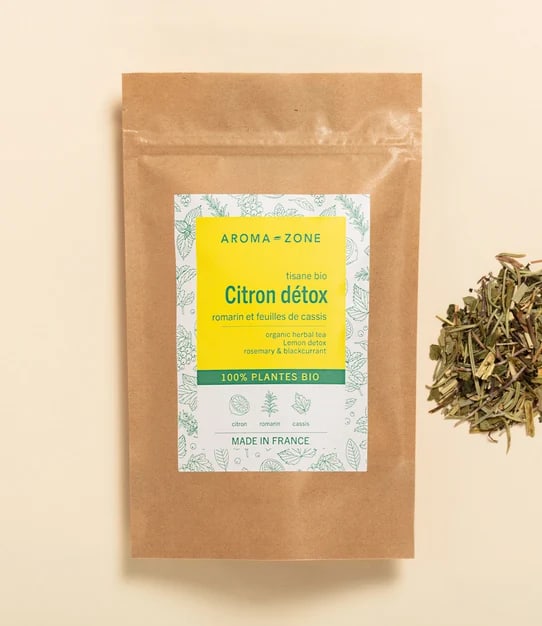
Spotlight on our Lemon Detox Herbal Tea

It’s easy to prepare, and its refreshing taste is particularly appreciated.  It contains rosemary, blackcurrant, nettle, peppermint, lemongrass, and lemon. This blend of digestive and stimulating herbs is a great ally for your detox regimen, as it gently supports liver function and helps eliminate toxins from your body. 

You can, of course, add a few thin slices of fresh ginger and some lemon zest to boost its detoxifying properties. A teaspoon of honey or agave syrup will naturally sweeten it, for those who prefer a milder taste.

Discover our Lemon Detox Herbal Tea

When should you drink a ginger and lemon beverage?

You can drink your ginger and lemon concoction or your detox herbal tea in different ways:

As part of your detox regimen: At least 3 cups a day. Preferably between meals, to better benefit from its draining and purifying effects. If you prefer, you can also drink it in the morning. The refreshing and invigorating taste of fresh ginger and lemon will help you start the day off right by gently stimulating your body. A detox regimen is particularly recommended during seasonal changes.

Occasionally: After a meal that’s a bit too heavy, to aid digestion. Or between meals, to stay hydrated while treating yourself. It’s best to avoid drinking ginger-lemon detox tea in the evening, as its diuretic and mildly stimulating effects could disrupt your sleep.

Ginger-Lemon Liver Detox

To carry out an effective detox regimen using the combined properties of ginger and lemon, it is recommended to consume a drink containing these two ingredients and to follow certain guidelines that will make the regimen more effective. 

  • Detox Drink: At least 3 cups per day of a lemon-ginger detox drink of your choice

  • Diet: Focus on fruits and vegetables, and avoid foods that are too fatty or sugary

  • Physical activity: Regular exercise helps support the body’s natural elimination processes

  • Relaxation: deep breathing, cardiac coherence, yoga, meditation, sophrology, reflexology—relaxation is essential for effective toxin elimination

For a successful detox, follow our tips for a Detox Routine 

Precautions for use and contraindications

Ginger is not recommended in the following cases:

  • Pregnant or breastfeeding women

  • Blood clotting disorders

  • Gastric disorders 

  • Gallstones

Lemon is not recommended in the following cases:

  • Stomach problems

  • Mouth sores

  • Hypotension

Spotlight on Our Naturopathic Writer, Christine Barris

After a Master's degree in Management, followed by 20 years working for well-known companies in the food supplement and natural cosmetics sectors, I decided to turn my passion for nature into my profession. I now practise human and animal naturopathy, as well as sophrology. I also coach future naturopaths and sophrologists at various schools.

Bibliography

  1. https://www.tuasaude.com

  2. https://sagessesante.fr

  3. https://sante.toutcomment.com

Frequently Asked Questions

Frequently Asked Questions