

Should I take vitamin C every day?

Are you tired and feeling like you're catching all the little seasonal viruses? A course of vitamin C could certainly help! A natural anti-fatigue agent and immune system stimulant, vitamin C is essential for the body to function properly. Here's our advice on how to take a course of vitamin C.

Reading time: 0 min.

What is the difference between vitamin C and liposomal vitamin C?

Conventional vitamin C, also known as ascorbic acid, is a water-soluble form that the body absorbs in limited quantities. Once the maximum dose has been assimilated, the excess is eliminated through the urine, which can reduce its effectiveness and, in high doses, cause digestive discomfort.

Liposomal vitamin C, on the other hand, is encapsulated in liposomes, microscopic phospholipid vesicles that improve its absorption by cells. This technology ensures much greater bioavailability, which means that the body assimilates it better and more sustainably. It is also generally better tolerated by the stomach, reducing the risk of digestive irritation.

So, while conventional vitamin C is suitable for moderate daily intakes, liposomal vitamin C is a great option for optimised and prolonged assimilation in the body.

What are the benefits of vitamin C?

Vitamin C is one of the most important vitamins for boosting our immune system, preventing and relieving many viral infections, helping to regulate stress and slowing down the premature ageing process thanks to its powerful antioxidant action. It also protects against the damaging effects of free radicals. Its beneficial role on the liver is less well known, yet its antioxidant action helps to detoxify the liver and support the work of this key organ.


Is vitamin C good for the liver?

Yes, vitamin C helps to detoxify the liver by stimulating the production of glutathione, a powerful antioxidant that helps to eliminate toxins and heavy metals. It also protects liver cells from oxidative stress and helps the liver to function properly, particularly when overloaded by an unbalanced diet or excesses. Some studies also suggest that vitamin C may help protect the liver against certain forms of damage induced by toxic substances or drugs.

To optimise its detoxifying effects, opt for a daily intake of vitamin C-rich fruit and vegetables, such as citrus fruit, kiwi fruit and peppers. If you opt for a supplement, make sure you follow the recommended doses and combine it with a balanced diet to promote natural liver cleansing.

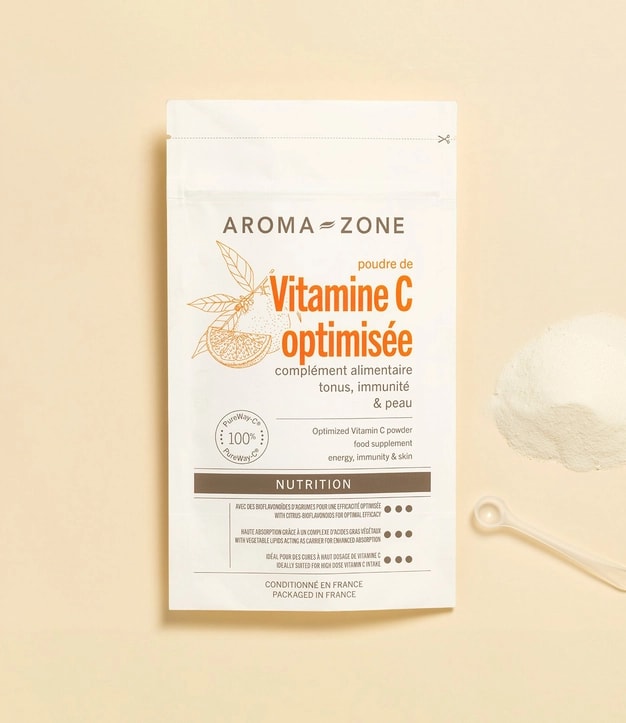
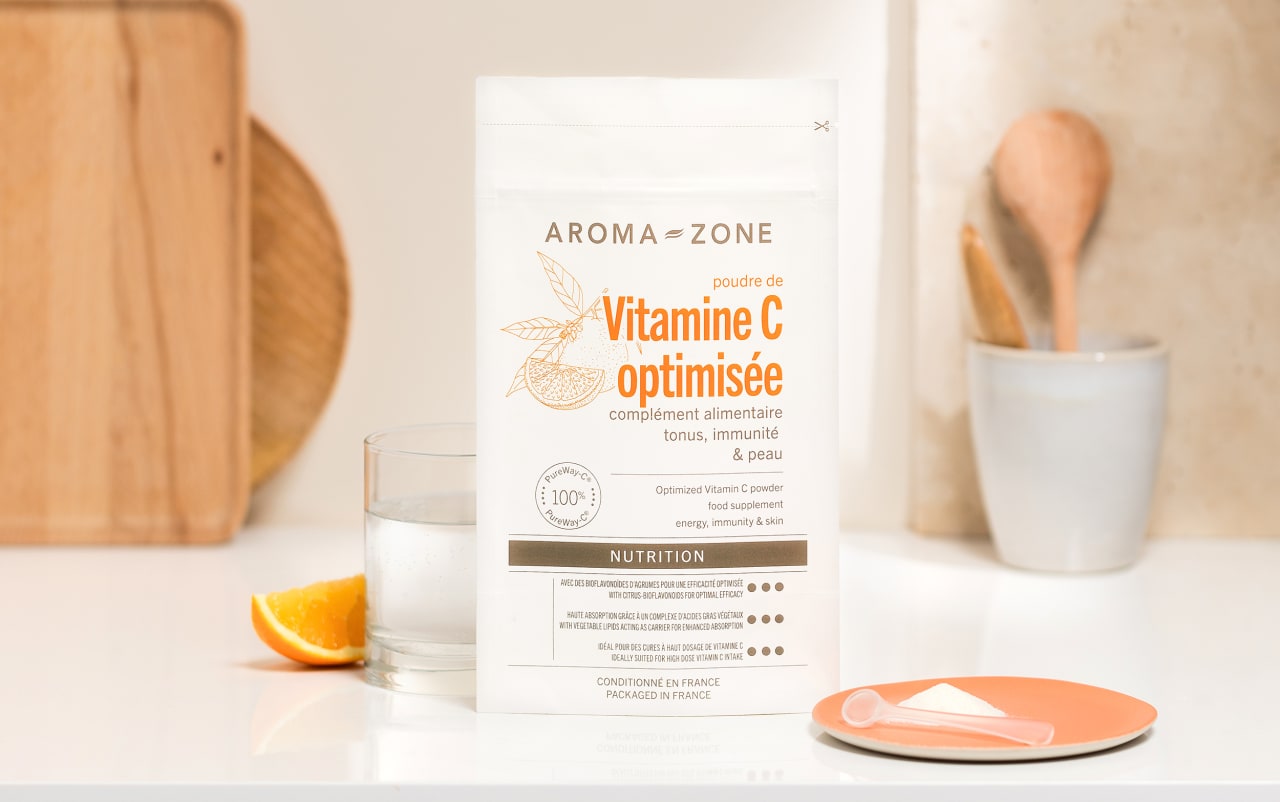
Focus on Optimised Vitamin C powder - 150 G - Food supplement

When is it best to take Vitamin C, in the morning or in the evening?

Contrary to popular belief, there are no studies to suggest that vitamin C prevents you from sleeping at night.

The only rule for taking vitamin C is to supplement at the end of meals if you are taking vitamin C tablets. Another very simple and pleasant option is to opt for ORGANIC Baobab fruit pulp powder, to be taken two spoonfuls a day, in the morning for example, in a bowl of yoghurt, a smoothie or a fruit juice…

How long should I take a course of vitamin C?

Ideally, a course of vitamin C should be taken for a month, and repeated two or three times a year. In particular, consider taking a course of vitamin C at the end of autumn, to prepare your body for winter. It is also advisable to take vitamin C occasionally during infectious episodes such as colds and flu. This should be done from the onset of symptoms through to recovery. It's also a good idea to start a course of vitamin C during periods of intense exhaustion, sustained professional activity, general fatigue or smoking.

There is no risk in taking vitamin C every day through food. Choose vitamin C-rich foods such as citrus fruit, parsley, peppers, blackcurrants, blueberries, cabbage, sundried tomatoes, etc. To preserve all their vitamins, remember to start your meals with raw vegetables and use gentle cooking methods (gentle steaming, for example).

What is the recommended daily intake of vitamin C?

When you want to supplement your vitamin C intake, you may wonder what the correct dosage is, to avoid taking too much vitamin C. Our body needs 500mg of vitamin C a day, most of which we get from our diet. However, we often lack vitamin C because it is destroyed by heat when food is cooked.

For an adult, the recommended amount of natural vitamin C is 1 to 3 g per day. We suggest a dose of 2 teaspoons of ORGANIC Baobab fruit pulp powder per day as part of a healthy, varied diet rich in fruit and vegetables.

If you are pregnant or breast-feeding, or if you have any health concerns, consult your doctor before taking any supplements. For children, talk to your paediatrician.

What are the consequences of vitamin C deficiency?

You can detect a vitamin C deficiency if you regularly feel weak, tired or irritable, if you are constantly fighting infections and they drag on, and if you catch seasonal viruses easily.

In rare cases, the most serious symptoms will be loosening of the teeth and bleeding gums, which should prompt you to consult your doctor, as this could be a sign of scurvy.

What are the risks of overdosing on vitamin C?

To manage certain medical conditions, your doctor may prescribe high doses of vitamin C. Most healthy adults will tolerate high doses of vitamin C well, but beyond a certain threshold, if your vitamin C intake exceeds your body's requirements, it will not be absorbed and may cause bloating, diarrhoea or colic. Pay attention to your body's signals: if you have too many bowel movements, it's possible that the quantity of vitamin C ingested per day exceeds your intestinal tolerance threshold and that you are taking too much vitamin C.

If you take liposomal vitamin C, its assimilation is reputed to be 8 to 10 times greater than that of conventional vitamin C. To avoid side effects, we recommend that you check the appropriate dosage with your doctor or pharmacist. The same applies if you choose a synthetic vitamin C.

What are the side effects of vitamin C?

Too much vitamin C can cause nausea, diarrhoea, digestive discomfort, frequent bowel movements, flatulence and stomach ache. If you notice any of these symptoms during your course of treatment, reduce or even stop taking vitamin C supplements and discuss the matter with your doctor.

Can vitamin C affect the liver?

In general, vitamin C is well tolerated and poses no danger to the liver when consumed in appropriate quantities. However, at very high doses, a prolonged excess could lead to hepatic overload, particularly in people with pre-existing hepatic fragility. Some studies suggest that excessive doses may increase oxidative stress in the liver by converting vitamin C into oxalates, which are potentially involved in the formation of kidney stones.

It is therefore advisable to follow the recommended doses and seek the advice of a health professional if in doubt, particularly if you suffer from liver disease or are undergoing medical treatment.

Spotlight on our Naturopathic editor, Lucie Granjon

Passionate about plants and their properties, she started her career as a perfumer before moving to the world of natural beauty and aromatherapy over 10 years ago. Lucie supports ethical and committed brands with strategy development, product formulation and expert advice for their customers. She has worked with the Aroma-Zone team on several books, including "Le grand guide de l'Aromathérapie et des cosmétiques naturels" ("The Complete Guide to Aromatherapy and Natural Cosmetics"). She also has years of training in aromatherapy, herbalism and essential oil distillation, and supports the work of French plant growers.