Is ginger an aphrodisiac?

Is ginger an aphrodisiac?


By Christine Barris

Published on: Tuesday, March 26, 2024, Updated on: Wednesday, September 30, 2026

Ginger has been used for thousands of years in Asia, particularly in China, for its culinary uses and health benefits. Because its appeal isn’t limited to its spicy taste and delicately tangy flavour, which adds a touch of freshness and exoticism to our dishes. It’s packed with numerous health benefits: digestive, detoxifying, antioxidant… and aphrodisiac properties. 

What exactly is it? How should you consume it to reap its benefits? That’s what we’re going to explore right now.

Contents

What is ginger?

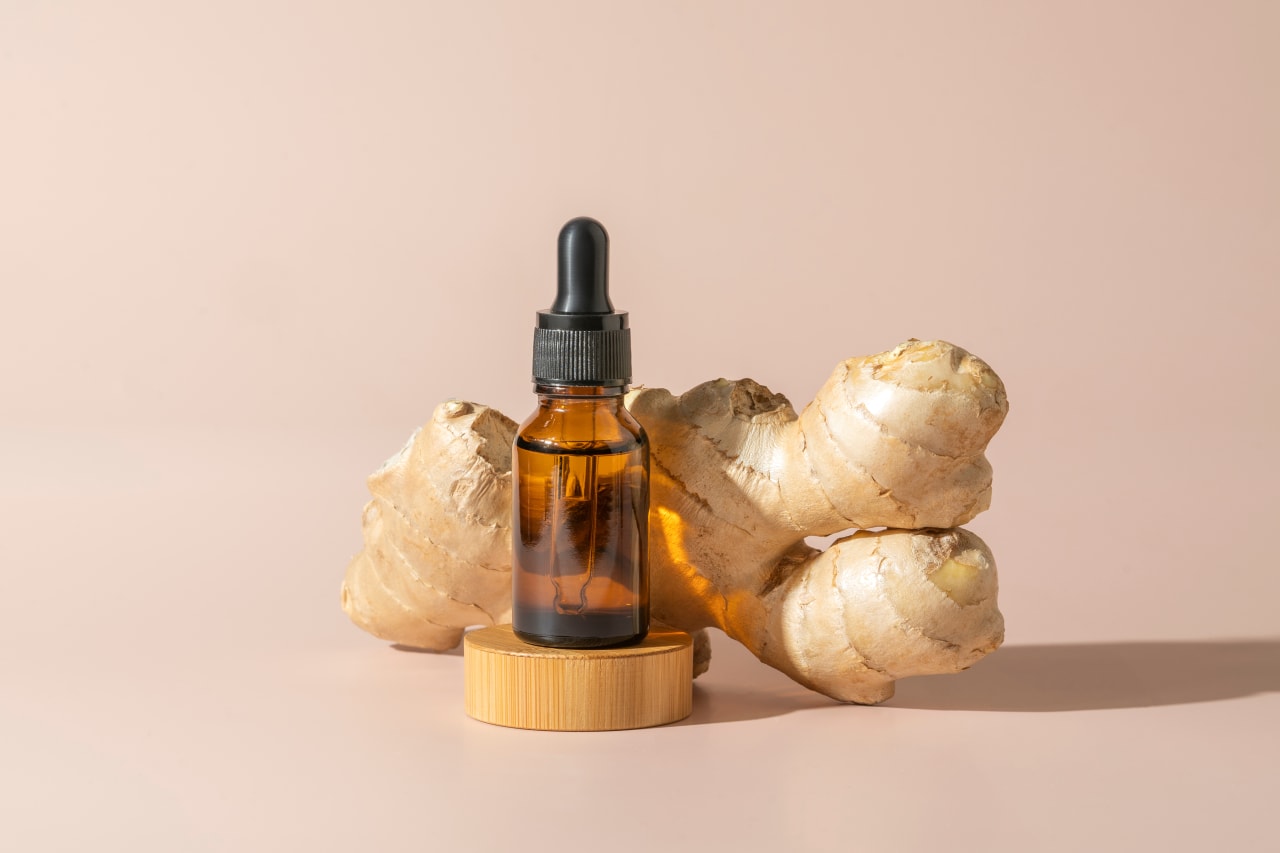
The term "ginger" is derived from the Sanskrit shringavera, which means "shaped like a deer's antler." There are several types of ginger. The one we use in cooking is common ginger (Zingiber officinale). It is a plant in the Zingiberaceae family, native to Asia. Only its rhizome—a type of root—is consumed. Its spicy flavour is highly prized in Asian countries. It can be eaten fresh, grated, dried into powder or candied.

Fresh ginger has a slightly more refreshing and a stronger flavour than powdered ginger, but the latter may be easier to use.


The benefits of ginger

This spice is packed with health benefits. Here, we’ll highlight the main ones.

  • Regulates appetite: It can both stimulate appetite by affecting the production of gastric juices and moderate it by promoting the secretion of leptin, the satiety hormone. 

  • Improves digestive function: Ginger increases saliva production, which contains digestive enzymes. It also promotes bile production, which aids in the proper digestion of fats. It thus helps prevent and relieve digestive issues. You can find in our article all the herbs to consume as herbal tea to aid digestion.

  • Relieves nausea: Ginger stimulates stomach contractions, which speeds up gastric emptying and soothes the feeling of heaviness that can result from having too much food in the stomach.

  • Supports gut health: When consumed regularly, it helps prevent intestinal inflammation and promotes better digestion.

  • Regulates inflammation: Ginger contains compounds that help limit inflammation and soothe the pain often associated with it.

  • Acts as an antioxidant: The antioxidants it contains help combat oxidative stress, which can lead to premature cell aging and pave the way for certain diseases.

  • Promotes better blood circulation: The vasodilatory action of some of its components helps improve blood flow and lower blood pressure.

In addition to all these health benefits, it is also said to have the power to rekindle the flame of love and stimulate "physical desire"... So, what exactly are its aphrodisiac properties?

What is an aphrodisiac?

The term “aphrodisiac” comes from the name of the Greek goddess of love, Aphrodite. An aphrodisiac is a substance, whether natural or artificial, that stimulates sexual desire. Natural aphrodisiacs can be found in foods, such as oysters; or in plants, such as maca or ginseng. You can find the full list of foods that boost sexual desire: which ingredients are natural aphrodisiacs

Why does ginger boost libido?

The consumption of this spice with aphrodisiac properties has long been advocated by traditional Chinese medicine. It is gingerol and shogaol, active compounds found in ginger, that give it its stimulating effects on the body and its vasodilatory action. Energy and vitality are necessary for a healthy libido. And better blood vessel dilation allows blood to flow more quickly to the genitals and promotes penile erection.

Furthermore, consuming ginger stimulates the production of adrenaline and cortisol by the adrenal glands. These hormones may play a role in libido and promote sexual desire. Ginger also raises body temperature, which could help stimulate desire.

Check out our articles the benefits of Maca, as well as other natural aphrodisiacs to boost your libido and the 6 best natural aphrodisiacs.

Does ginger have an aphrodisiac effect for men or women?

Ginger’s active compounds help stimulate sexual desire and revive a flagging libido in both men and women. Indeed, its stimulating and vasodilatory properties—which are the source of the aphrodisiac effects attributed to it—apply equally to both.

It should be noted, however, that studies conducted to date have yielded somewhat contradictory results regarding ginger’s aphrodisiac effects, and there is currently no clear scientific evidence on this point.

What to do with ginger

This food can be consumed in various ways to reap its health benefits:

  • As a tea: drink it hot or cold depending on the season and your preference. Bring water to a boil, then once the pot is off the heat, add the ginger slices and a few strips of lemon zest (optional), and let it steep for about ten minutes. You can also use ground ginger if you don’t have fresh ginger. And to tone down the acidity of this mixture a bit, you can sweeten it with agave syrup or a little honey.

  • In cooking or desserts: Grated ginger can be added to raw vegetable platters or any other dish of your choice. For convenience, you can also use ground ginger. Candied ginger is a treat with a flavour that’s both sweet and spicy, making it a delightful addition to desserts. It’s a way to indulge while reaping its health benefits.

Check out our natural recipes

Precautions and contraindications

Ginger is not recommended in the following cases:

  • Pregnant or breastfeeding women

  • Blood clotting disorders

  • Stomach problems 

  • Gallstones

Expert tip

To improve the absorption of ginger, it’s best to consume it with a fat source such as oil or nuts (walnuts, hazelnuts…), since it’s fat-soluble. Grinding it also helps release the gingerols, the molecules that give it its aphrodisiac properties.

Spotlight on Our Naturopathic Writer: Christine Barris

Christine Barris

After completing a Master’s degree in Management, Christine spent 20 years working for leading companies in the food supplement and natural cosmetics sectors. She then turned her passion for nature into a career. Today, she practises naturopathy for people and animals, as well as sophrology, and mentors aspiring naturopaths and sophrologists at various schools.

Bibliography

  1. https://www.tuasaude.com

  2. https://sagessesante.fr

  3. https://sante.toutcomment.com

  4. https://www.futura-sciences.com

Frequently Asked Questions

Frequently Asked Questions