Ginseng or ginger: which to choose?
Are ginseng and ginger the same thing? The answer is no! Ginseng and ginger are two very popular and distinct medicinal plants, which can be taken alone or in synergy, (together) to maximise their benefits. Each of these plants offers benefits for health and wellbeing. To know which one to choose, it's important to understand the benefits and properties of each.

What is ginseng?
Ginseng is a medicinal plant native to Asia, mainly China, Korea and Eastern Siberia. Ginseng has been used for thousands of years in traditional Chinese medicine for its beneficial health properties. The term 'ginseng' generally refers to species of the Panax genus, the most common of which are Asian ginseng (Panax ginseng) and American ginseng (Panax quinquefolius).
Ginseng root is the part of the plant used primarily for medicinal purposes. It contains various bioactive compounds, such as ginsenosides, which are considered to be the main active ingredients responsible for its therapeutic effects. Ginseng is renowned for its adaptogenic properties, which means it helps strengthen the body's resistance to stress and promotes overall balance.

A closer look at the superfood ginseng
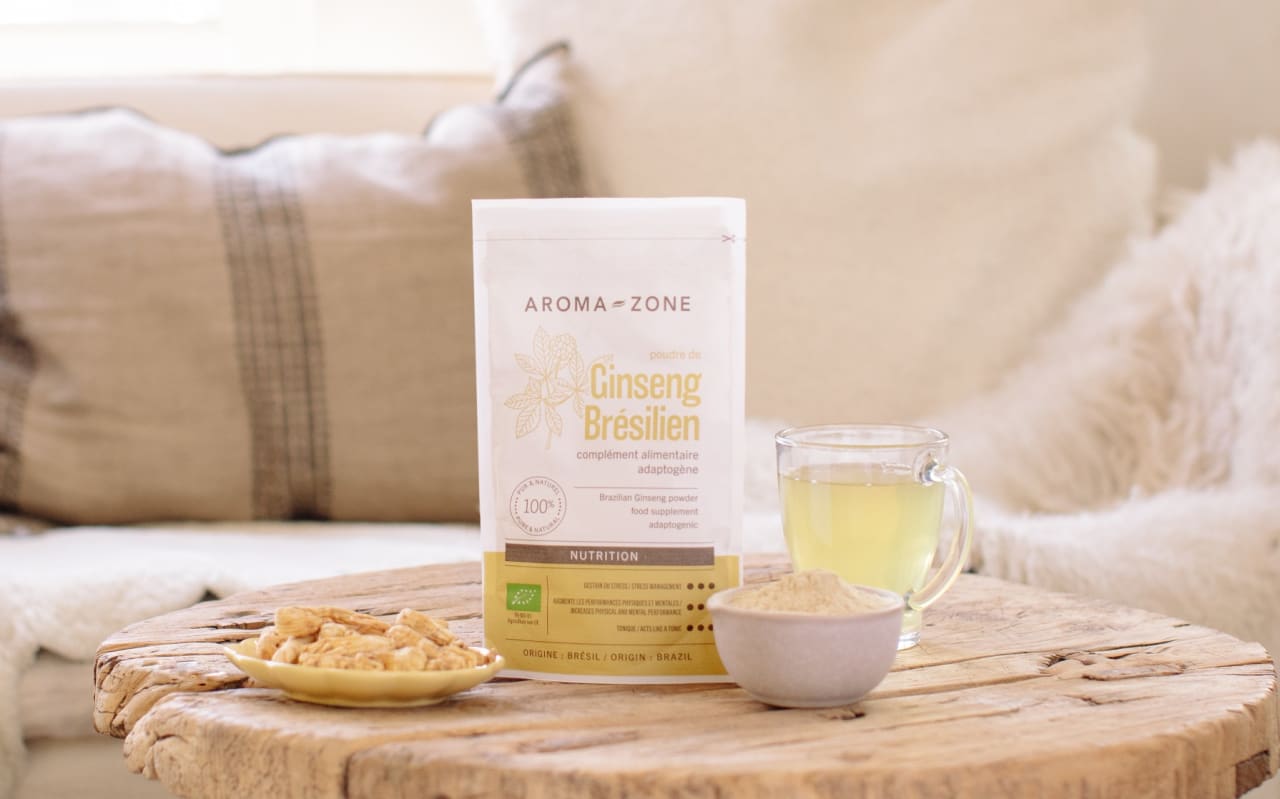
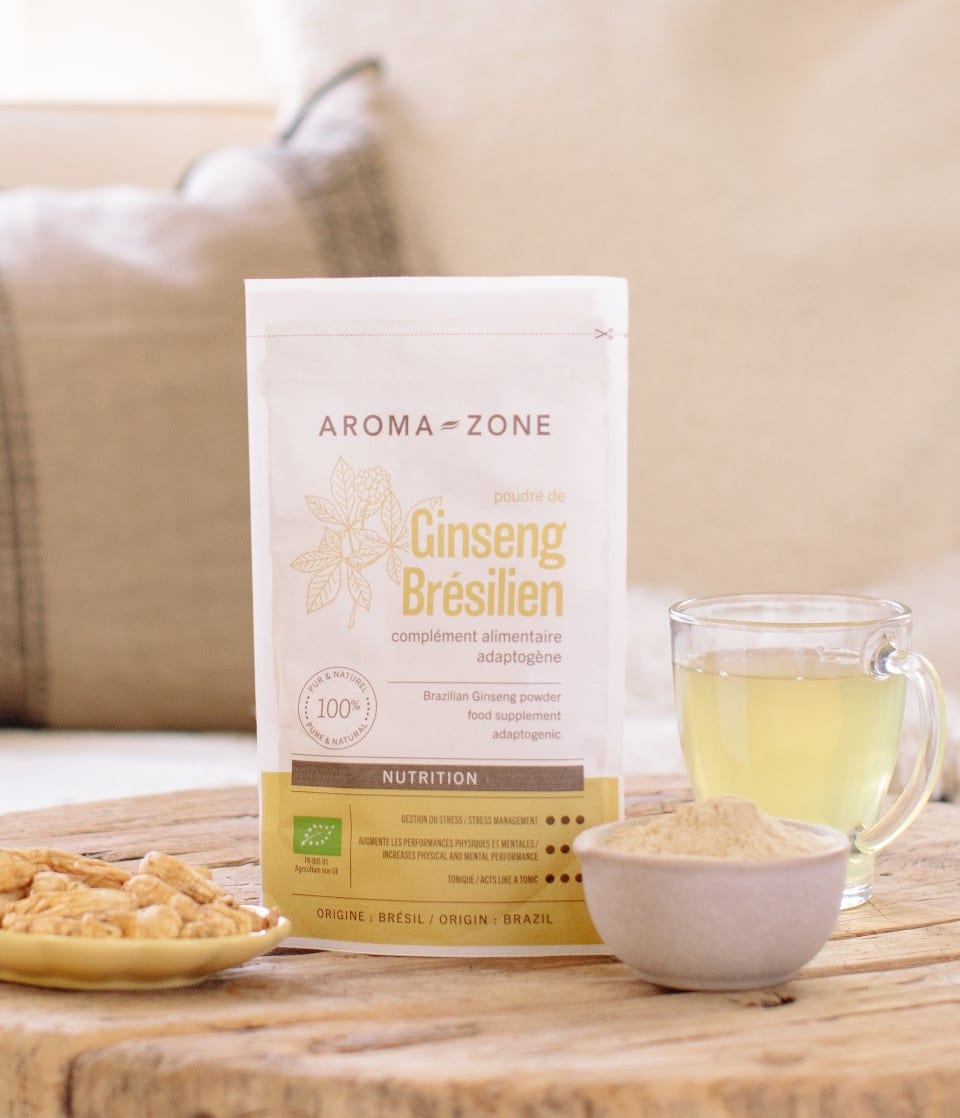
An adaptogen plant with remarkable properties, Brazilian ginseng, also known as gomphrena or suma, is traditionally used by Amazonian peoples for its stimulating and strengthening properties. Known for boosting the body's resistance to stress and improving physical and mental performance, it can be used as a food supplement for temporary fatigue or difficulty coping with an intense lifestyle. Ideal as an infusion or smoothie, this Brazilian superfood is sure to boost your energy and wellbeing!
What is ginger?
Ginger is a plant native to tropical Asia, whose root has been used both as a culinary spice and as a natural remedy for centuries. The scientific name for ginger is Zingiber officinalis.
The most commonly used part of ginger is its rhizome, which is characterised by a spicy, slightly pungent and aromatic flavour. It contains a variety of bioactive compounds, including gingerols, shogaols and zingiberenes, which give it its health-promoting properties.
In addition to its medicinal uses, ginger is a popular spice used in many cuisines around the world. It can be used fresh, dried, powdered, juiced or infused to add flavour and piquancy to dishes and drinks.
What are the differences between ginger and ginseng?
Flavour and aroma
Ginger has a characteristic flavour that is spicy, pungent and aromatic. When eaten fresh, it gives off a slightly burning heat and a pungent flavour. It can also have a slightly lemony note and a subtle sweetness. This combination of flavours makes it a versatile ingredient in the kitchen, capable of adding depth and intensity to a wide variety of dishes.
Ginseng, on the other hand, has a bitter, pungent taste. Some types of ginseng can have a slight sweetness, even a slightly sweet note. The distinct bitter taste of ginseng is often described as strong and earthy. This is why this plant is usually consumed in the form of ginseng ampoules, infusions or extracts, as its taste may be less enjoyable when used directly in cooking. Ginseng is often paired with royal jelly or guarana when taken as a food supplement.
Medicinal properties
Digestive properties: Ginger is widely recognised for its digestive benefits. It is often used to relieve nausea, particularly if associated with motion sickness, pregnancy or medical treatments such as chemotherapy. Ginger also aids digestion by stimulating the production of digestive enzymes and improving the movement of the gastrointestinal tract; it also helps expel intestinal gas. Ginseng may also have beneficial effects on digestion, but its main use is in other areas.
Anti-fatigue properties: Ginger is considered a natural stimulant which can help increase energy and reduce fatigue. It is often used to combat chronic fatigue or feelings of general weakness. Ginseng is renowned for its adaptogenic properties, which help the body adapt to stress and increase resistance to fatigue. It can help improve physical and mental stamina, boost the immune system, and is often used to support sporting performance.
Aphrodisiac properties: Ginger is sometimes considered to have aphrodisiac properties due to its stimulating effects on blood circulation. It can help improve libido (sexual desire) and promote better sexual function. Ginseng root is traditionally used to improve sexual performance in both men and women. Ginseng is reputed to stimulate libido, increase fertility and support erectile function in men.
Oxidative damage: Both ginger and ginseng have antioxidant properties. Ginger contains antioxidant compounds such as gingerols, which help to neutralise free radicals and reduce oxidative damage in the body. This can help prevent chronic diseases and premature ageing. Ginseng also contains antioxidant compounds, notably ginsenosides, which can help reduce oxidative damage and protect cells against oxidative stress.
Anti-inflammatory: Ginger has well-documented anti-inflammatory properties. As a result, ginger is often used to relieve joint and muscle pain, as well as treating inflammatory conditions such as arthritis. It is often combined with turmeric to relieve joint discomfort or rheumatism. Although ginseng can also have anti-inflammatory effects thanks to its polyacetylenic derivatives, its main use is more focused on energy, immunity and adapting to stress, rather than reducing inflammation.
Stress management: Ginseng is often used to help manage stress thanks to its adaptogenic properties. It can help the body adapt and resist the harmful effects of stress, promoting overall balance and a better response to stress.
In short, ginger and ginseng have different uses in terms of medicinal properties. Ginger is often used for its digestive, anti-fatigue, anti-inflammatory and anti-nausea effects, while ginseng is mainly used for its energising, immunostimulant, aphrodisiac and adaptogenic potential. It is important to note that the effects may vary from one person to another, and it is always advisable to consult a health professional before using these plants for medicinal purposes.

Can ginseng and ginger be combined? Why is this?
It's perfectly possible to combine ginseng and ginger. These two plants have distinct flavour profiles and complementary health benefits.
In culinary terms, ginger and ginseng can be used together to add flavour and complexity to certain dishes or drinks. For example, you can make an infusion or tea by combining grated fresh ginger with a powdered ginseng supplement or a few slices of dried ginseng. This combination can create an energising and stimulating drink.
From a medicinal point of view, some people combine ginseng and ginger to take advantage of their respective beneficial properties. For example, if you're looking for an energising effect, you could take a ginseng supplement while adding fresh ginger to your diet for its anti-inflammatory and digestive properties.
How should ginseng and ginger be used?
Directions for use
Ginger is a versatile spice that is widely used in many cuisines around the world. It can be used fresh, dried, powdered or in juice (pure or added to fruit juice) to add flavour and piquancy to dishes and drinks. It is commonly used in Asian dishes, curries, marinades, sauces, soups, hot drinks such as ginger tea, and even in some desserts and pastries.
Ginseng is generally consumed in the form of supplements, infusions or extracts. Dried and powdered ginseng can also be used to make tonic drinks or herbal teas. Some Asian cuisine also uses ginseng in traditional dishes, such as soups or stews, to take advantage of its beneficial properties.
How do I use organic Brazilian ginseng powder? Take 1 teaspoon (2 to 3 g) per day in a cup of hot water, fruit juice or smoothie. Brazilian ginseng is best used as a course of treatment only during periods of need.
Precautions for use and contraindications
Food supplements should always accompany a healthy lifestyle and a varied diet. If you have a specific medical condition, or if you are pregnant or breastfeeding, always seek medical advice before starting a course of food supplements. Always follow the daily doses recommended by the manufacturer of your product and avoid excessive consumption. Whether you are taking ginseng extract or ginger, keep them in a cool place.
Ginseng
Ginseng is not recommended in cases of uncontrolled high blood pressure, in children, during pregnancy or when breastfeeding.
There may be drug interactions; discuss these with your doctor.
Limit your course of ginseng treatment to 3 consecutive months.
Ginger
High doses of ginger can cause stomach irritation when used internally.
It should be avoided before surgery, and caution should be exercised when taking blood-thinning drugs.
Ginger essential oil should be avoided during the first three months of pregnancy and by children under 6 years of age.
Find a selection of adaptogenic plants in food supplement form on Aroma-Zone.