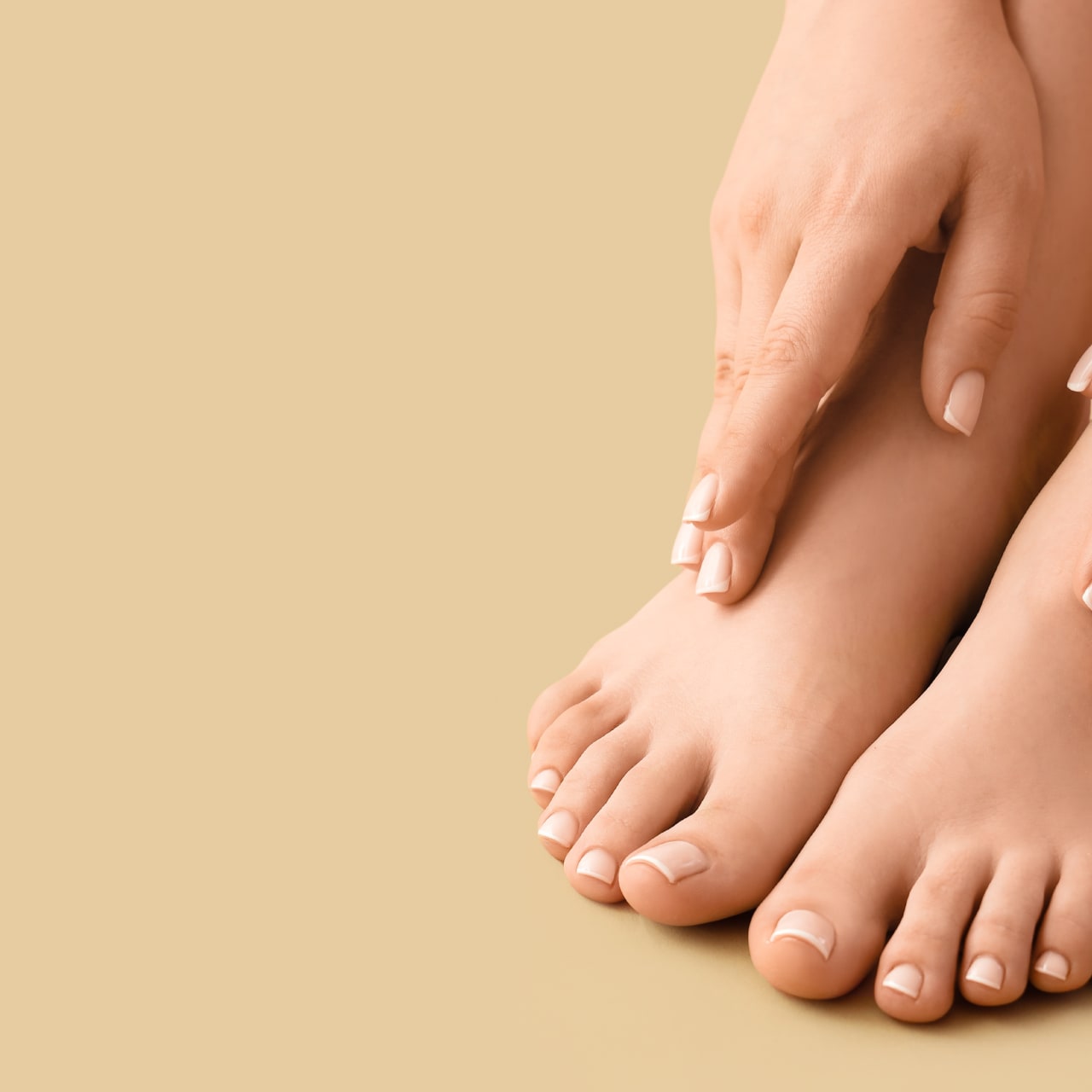
The term ‘corn’ refers to a thickened area of skin, varying in thickness, which generally forms on pressure points on the foot. They often form on the joints of the toes or on the sole of the foot where the shoe rubs. This is the body's defensive reaction to protect the area exposed to repeated stress. Medically, it is a build-up of keratin, the protein that makes up the outermost layer of the skin. A corn can vary in depth: when it is located on the tops of the toes, it is sometimes referred to as a ‘dorsal corn’, whilst corns situated on the sole of the foot are called ‘plantar corns’. People often confuse a corn with a callus. A callus, which is wider and shallower, is usually found on the soles of the feet and creates a large, rough surface. A corn, by contrast, runs deeper and is concentrated in a smaller area. You can sometimes recognise a corn by sharp pain when you press it, unlike a callus, which tends to cause more diffuse discomfort.
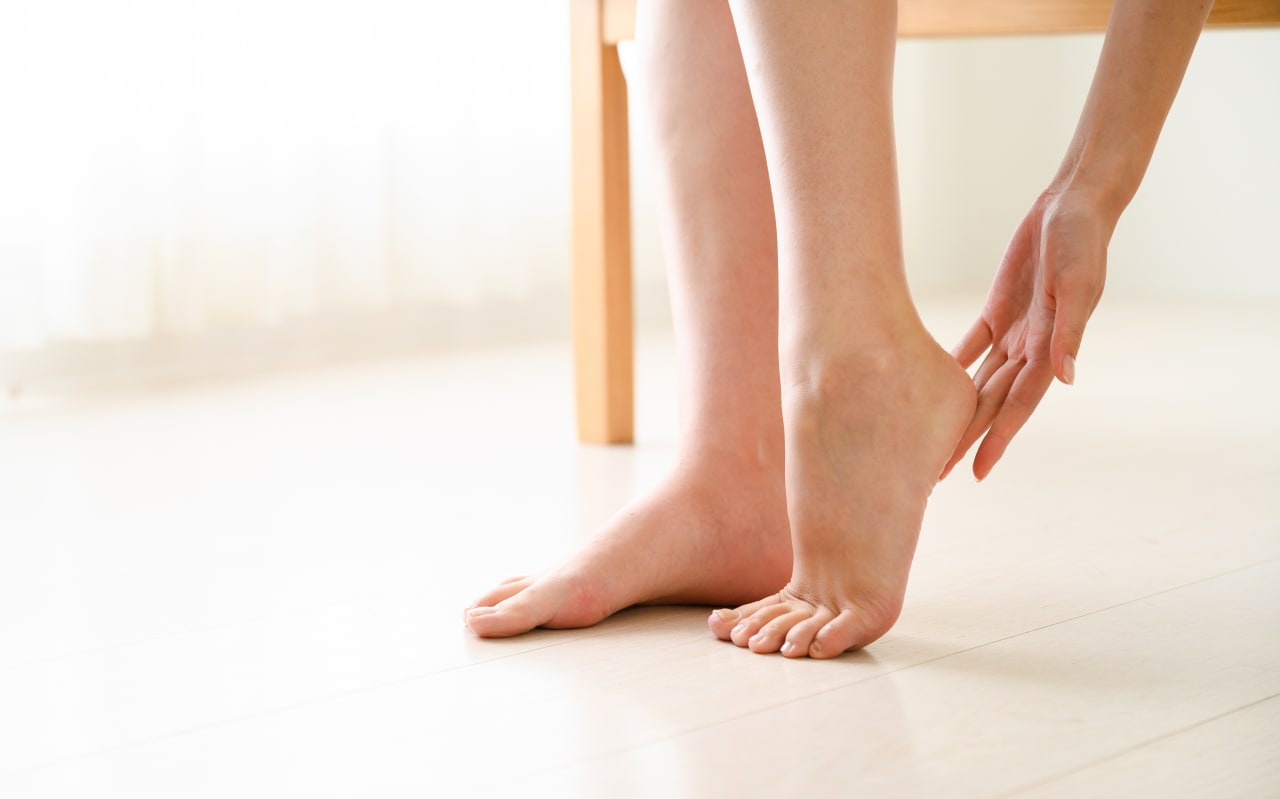
Foot Corns: How to Get Rid of Them
Published on: Monday, March 24, 2025, Updated on: Wednesday, October 28, 2026
Corns on the feet can be a concern because of their appearance and the pain they can cause. These patches of thickened skin mainly occur where the foot is repeatedly rubbed or pressed. However, many people don't know what steps they can take to relieve or prevent them. Fortunately, certain natural remedies and targeted treatments can gradually ease this discomfort. Understanding how corns form helps you take the right steps and maintain your feet's long-term health.
Contents
Related products
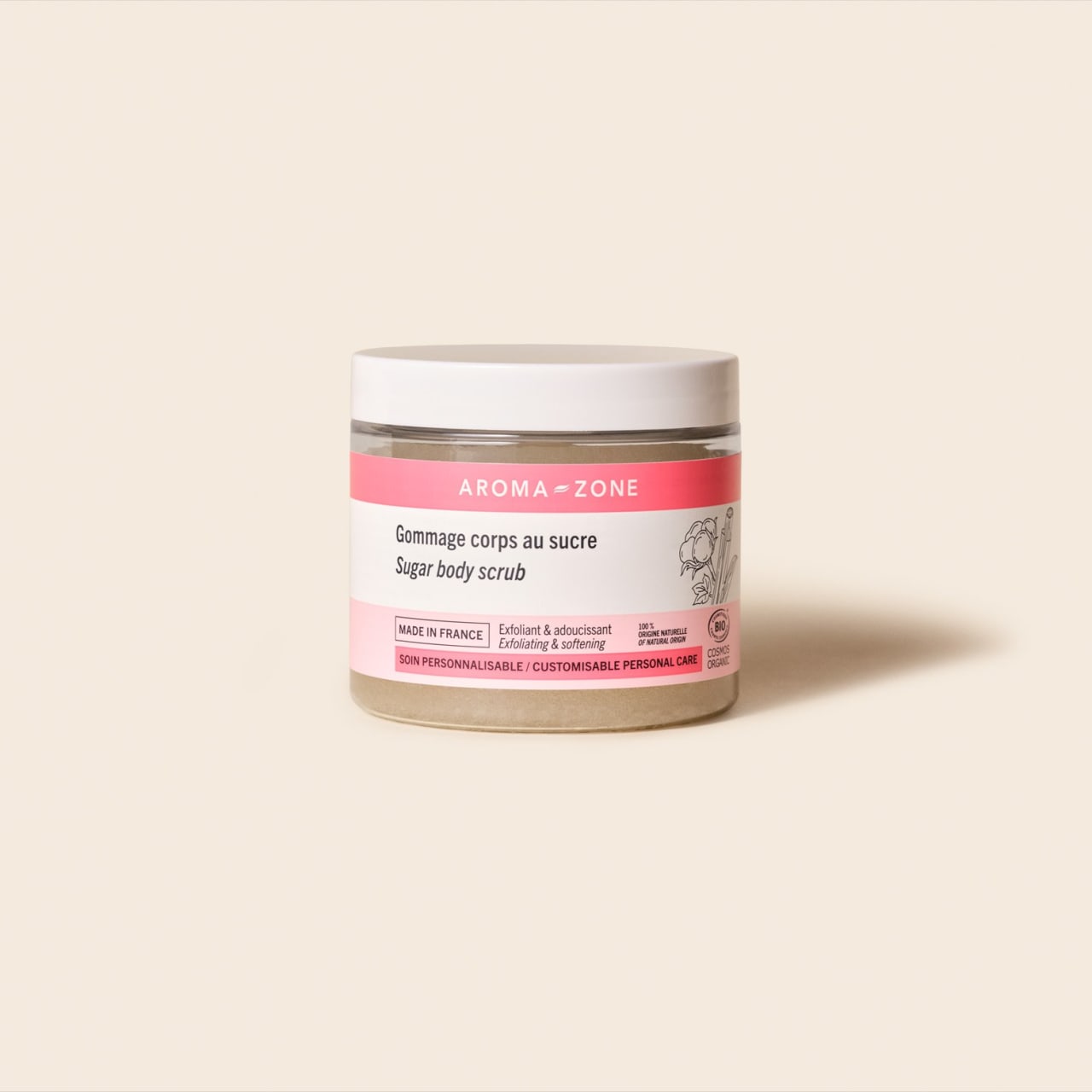
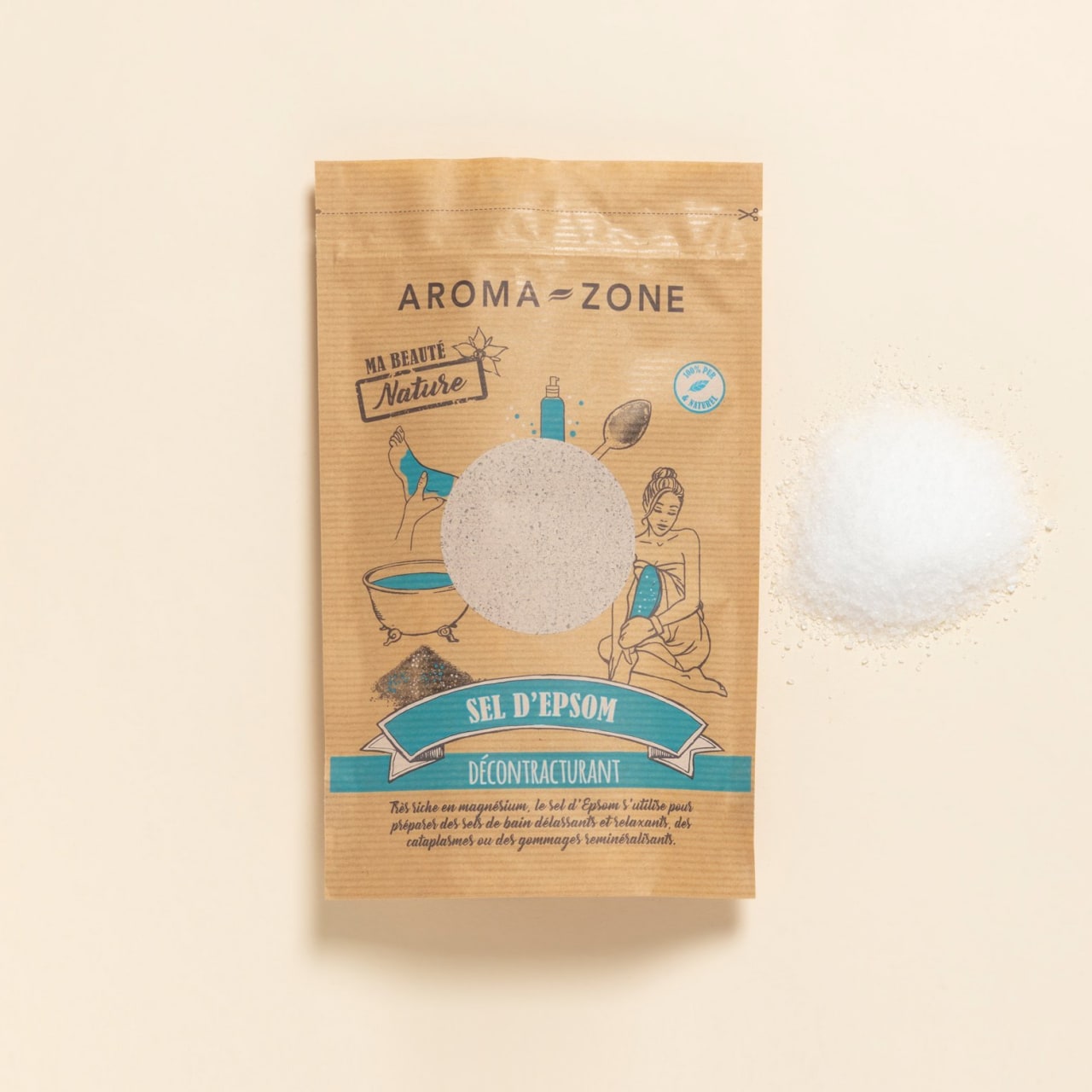
Exfoliating
£9.00
200 g
Exfoliating
£3.50
500 g
Hair conditioner
£9.50
100 ml
What are corns on the feet?
What causes corns? What are the causes?
What causes corns? What are the causes?
Corns on the feet result from excessive pressure or repeated rubbing. Several factors can contribute to their development and worsening.
Unsuitable footwear: Shoes that are too tight or have high heels put excessive pressure on the front of the foot. Repeated rubbing against the toes or the sole of the foot prompts the body to protect itself by producing a thicker stratum corneum.
Foot deformities: Certain conditions, such as hallux valgus (a misalignment of the big toe), increase pressure on specific areas. Hammer or claw toes, where the joints are more prominent, also expose the tops of the toes to increased strain.
Prolonged walking or sporting activities: Regular exercise or vigorous walking exposes the feet to constant friction. Areas of friction become sensitive and react by thickening the skin.
Ill-fitting socks: Socks that are too loose or poorly cut can create creases. These creases, rubbing against the skin, can worsen corn formation over time.
What are the associated symptoms?
Localised pain on touch, especially when pressure is applied to the affected area.
Discomfort when walking, sometimes accompanied by the sensation of walking on a small pebble.
An area of hard, thickened skin, with a yellowish or greyish tinge.
Possible redness or inflammation around the affected area.
A burning or tight sensation in the affected area.
What are the natural solutions for relieving the symptoms?
Below is a list of natural remedies you can apply to the skin to provide comfort and restore suppleness.
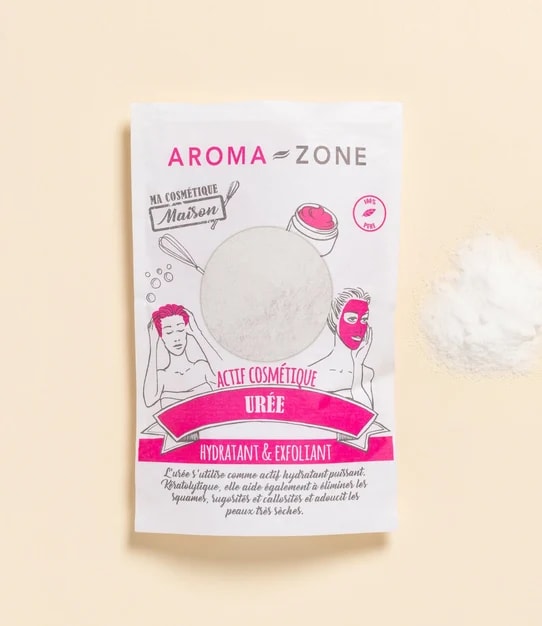
Active ingredient: Urea
Fine crystalline urea powder is an effective cosmetic active ingredient for thickened skin, offering moisturising and keratolytic benefits. It attracts and retains water in the epidermis, thereby improving hydration. It also promotes the removal of dead cells and flaky skin, supporting healthy cell renewal.
Its ability to penetrate the skin easily also allows for better absorption of other active ingredients. It is particularly suitable for very dry, dehydrated skin. Urea dissolves in water, making it easy to incorporate into various cosmetic formulations such as creams.
Walnut Shell Powder Exfoliator
Walnut shell powder, obtained from finely ground shells of Juglans regia, is a 100% natural exfoliant sourced from the Grenoble region of France. This coarse powder is effective at deeply cleansing the skin, removing dead skin cells and impurities, and leaving the skin soft and renewed.
Perfect for thickened skin, it tones the skin and enhances the effectiveness of post-exfoliation skincare. Suitable for use in various cosmetic formulations, it blends easily into a neutral base to create exfoliating gels, creams and soaps.
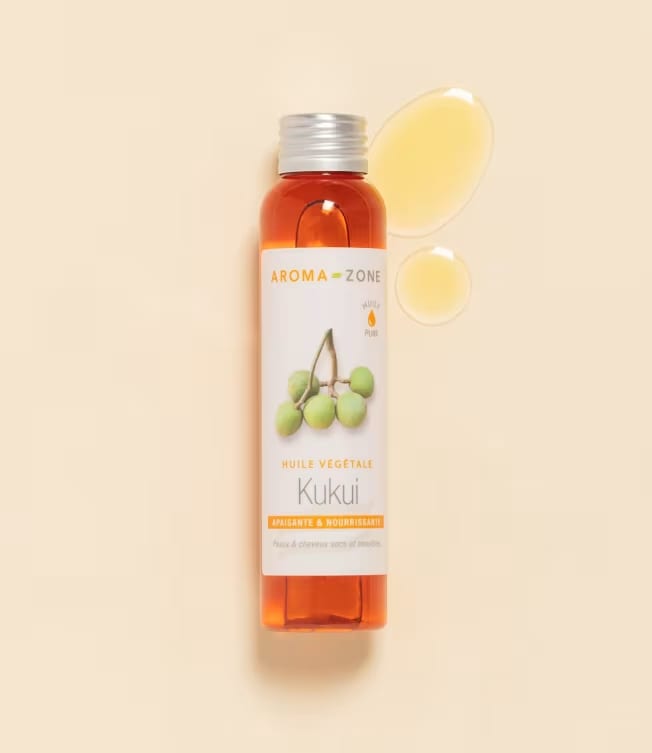
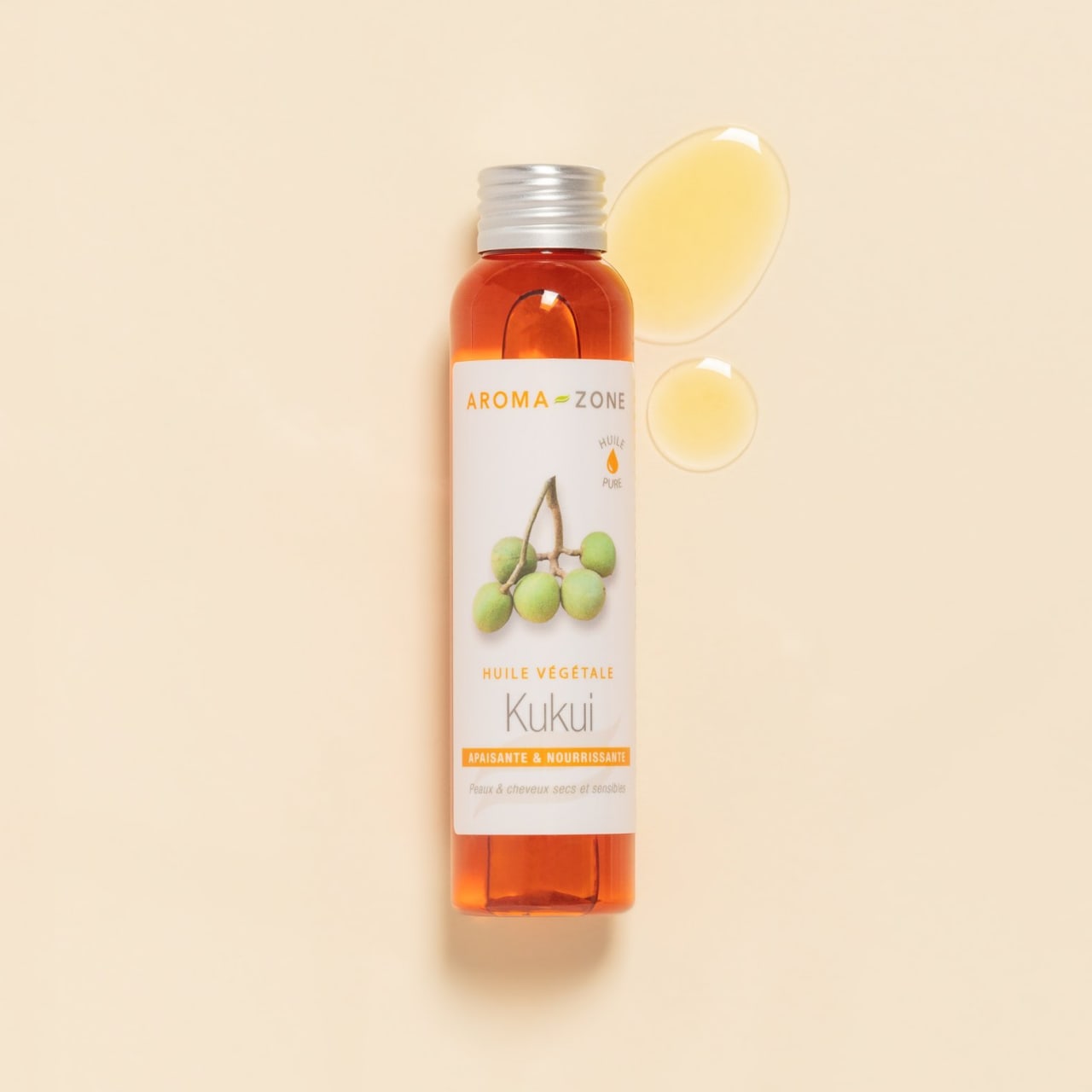
Kukui oil
Kukui vegetable oil, pressed from the seeds of the Aleurites moluccana tree, is an ideal solution for thickened skin. Its highly absorbent texture leaves no greasy film and helps to repair damaged and dry skin. Rich in omega-6, it has regenerating and restructuring properties, soothing flaky and sensitive skin.
By helping other, richer oils to penetrate more easily, it intensely nourishes the skin, leaving it softer and better hydrated.
What are some home remedies for removing calluses from your feet yourself?
Certain traditional methods still hold a special place in foot care routines:
Salt foot baths: Soaking your feet in warm salt water can help soften the callus, thereby preparing the area for gentle exfoliation.
Bicarbonate of soda paste: Mix a teaspoon of bicarbonate of soda with a little water to form a paste. Leave it on the area for a few minutes before rinsing off.
Coffee grounds scrub: Gently rub the coffee grounds in circular motions, then rinse thoroughly. This promotes gentle, even exfoliation.
Manual massage: Use circular movements around the corn to stimulate microcirculation and relax the surrounding tissue.
How can you prevent corns on your feet?
Here is a suggested routine to minimise the development of new corns and maintain good foot hygiene:
Choose suitable footwear: Select shoes that are the right size, with enough room for your toes. A slight heel may be suitable, but avoid anything too high.
Choose good-quality socks: Opt for socks made from breathable material that fit the shape of your foot.
Rotate your pairs of shoes: Do not wear the same pair every day. Allow your shoes to air out and dry properly.
Clean and moisturise daily: Wash your feet in lukewarm water, dry them thoroughly, then apply a moisturiser (shea butter, aloe vera gel, etc.).
Keep an eye out for areas of friction: At the first signs of rubbing, protect the area with a plaster or a gel pad.
Take regular foot baths: Once or twice a week, soak your feet in lukewarm water with an emollient added, then remove the softened calluses using a pumice stone.
Consult a professional if necessary: A chiropodist can recommend a specific treatment or detect any foot deformities.
Related recipes

Precautions for use
The treatments mentioned, whether natural or based on traditional methods, are intended for external use only. Before using any cosmetic product on corns, carry out a patch test on a small area of healthy skin, particularly if you have sensitive skin. Avoid applying a poultice or balm to an open wound or a weeping lesion. Anyone undergoing medical treatment for diabetes or another condition should seek advice from a healthcare professional, as sensitive feet require appropriate monitoring. Finally, in the event of persistent pain or worsening symptoms, a visit to a chiropodist is recommended.
Expert advice
Corns are often seen as mere calluses, but they deserve special attention. They can be a sign of excessive rubbing, uneven pressure, or the wearing of shoes that do not fit the shape of the foot properly. Regular foot care, based on good hygiene and targeted treatments, helps to limit their progression and relieve any pain. A well-cared-for, moisturised and protected foot stays in good condition more easily and allows you to go about your daily life without discomfort.
Meet Our Expert Writer: Stéphanie Le Guillou

Stéphanie is a pharmacist (since 2010) and holds a PhD in molecular biology (since 2012). Passionate about writing, she has produced medical content for nearly 15 years. Her goal is to make information accessible and easy to understand, without ever sacrificing scientific accuracy.
Bibliography
ameli.fr. Corns, calluses and hard skin: definitions, symptoms and causes. February 2025.
ameli.fr. Corns, calluses and hard skin on the feet: what to do and when to seek medical advice? February 2025.