Foot calluses: what can you do?

Foot calluses: what can you do?


By Stéphanie Le Guillou

Published on: Friday, June 21, 2024, Updated on: Tuesday, October 06, 2026

Calluses on the feet are a common and often overlooked problem. Yet they can affect our day-to-day comfort. These build-ups of hard, thick skin, also known as calluses, are mainly caused by repeated pressure or friction. Although they are a natural protective mechanism of our skin, calluses can quickly become bothersome, or even painful.

Contents

Related products

Calluses: what are they?

Calluses on the feet, also known as corns, are build-ups of layers of dead, hard and thick skin that form in response to excessive pressure or friction. The skin on our feet, which is subjected to numerous mechanical stresses, reacts by producing these calluses to protect itself. This phenomenon is a natural response by the body, aimed at strengthening the affected area and preventing injury.

Calluses mainly develop on the areas of the sole of the foot where pressure is most intense, such as the heels, the ball of the foot and the sides of the toes. Although generally harmless, calluses can become uncomfortable, or even painful, if not managed properly.
Why do I have calluses on the soles of my feet? What causes them?

There are various causes of calluses on the feet. Here is a list of the main ones:

Repeated pressure and friction: Wearing ill-fitting shoes or high heels (stiletto heels) puts increased pressure on certain parts of the foot, leading to the formation of calluses.

Intense physical activity: Running, prolonged walking or other sporting activities can increase areas of friction and pressure.

Posture and gait: Poor posture or an uneven gait can distribute body weight unevenly across the feet, creating pressure points.

Foot deformities: Bunions (hallux valgus), hammertoes and other structural foot abnormalities (flat feet) can cause excessive rubbing.

Inadequate hygiene: Poor foot hygiene can contribute to thickening of the skin.

Genetic factors: Some people are more prone to developing calluses due to their skin type (dry skin) or body shape.

Walking barefoot: Walking barefoot on rough surfaces can also encourage the formation of calluses.

What are the symptoms of plantar corns?

The signs of corns on the feet are generally easy to spot. Here are the main symptoms:

  • Thickening of the skin: The appearance of thick, hard and rough patches.

  • Rough texture: The surface of the callus often feels rough to the touch.

  • Discolouration: The skin may turn yellowish or greyish.

  • Discomfort: A feeling of pressure or discomfort, especially when walking.

  • Pain: In more severe cases, the callus can cause pain, particularly if it cracks.

  • Cracks: Cracks may appear, particularly on the heels, which can become painful and prone to infection.

  • Localised hardening: The affected area is noticeably harder than the surrounding skin.

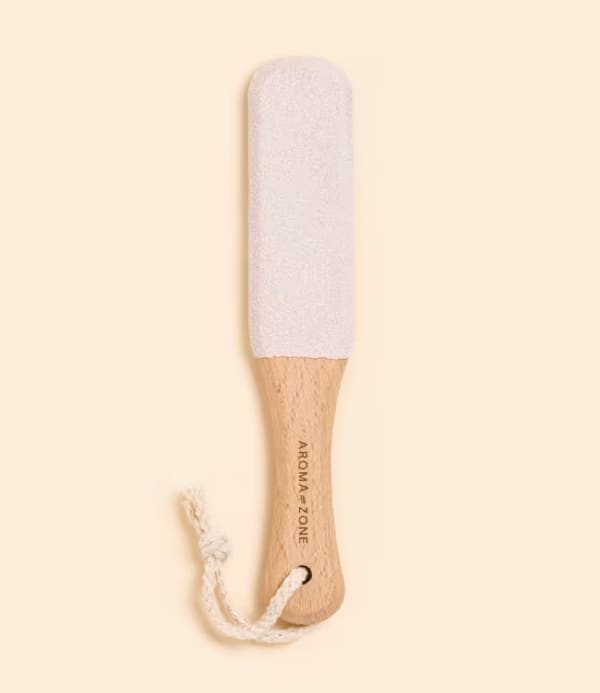
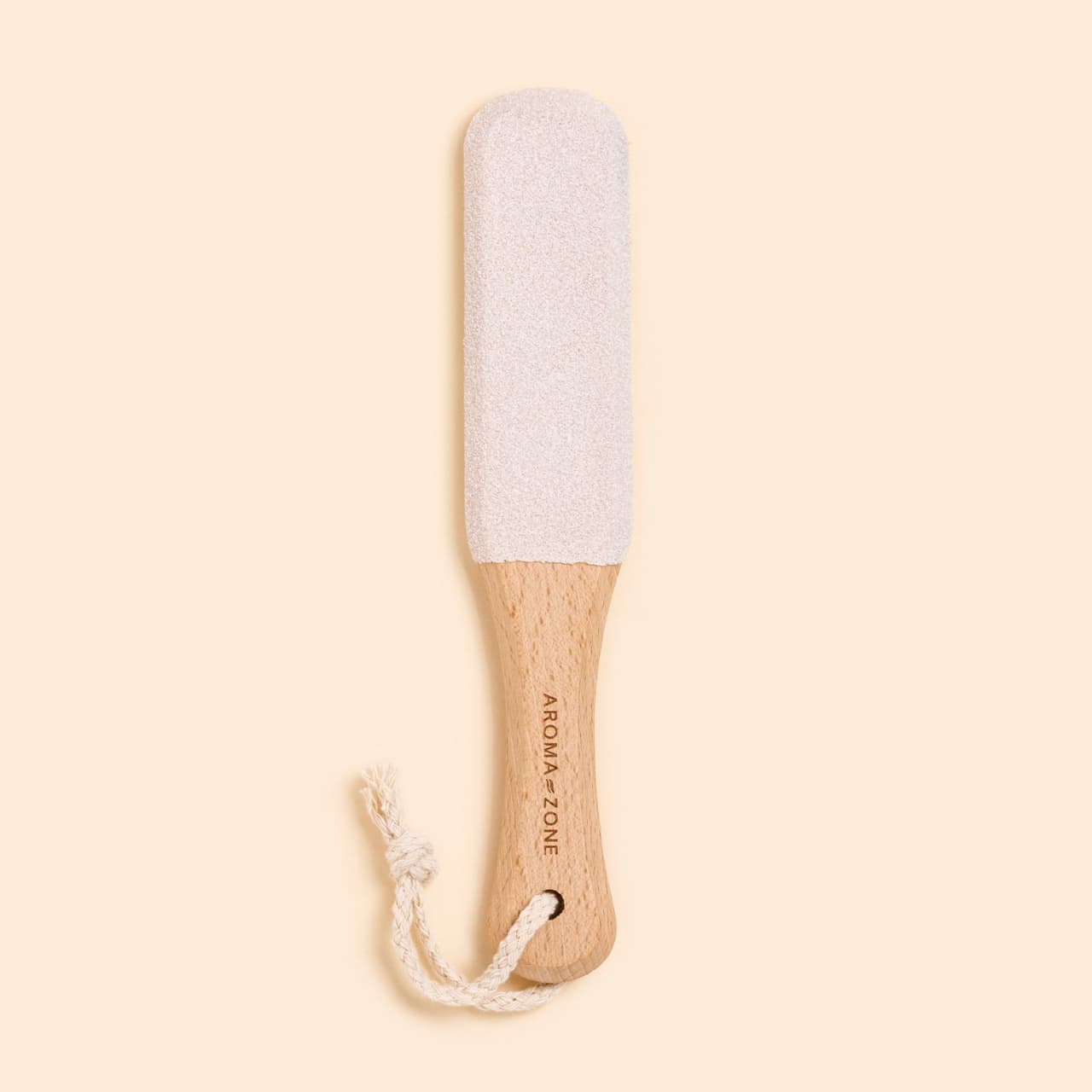
Beechwood foot file

Beechwood foot file

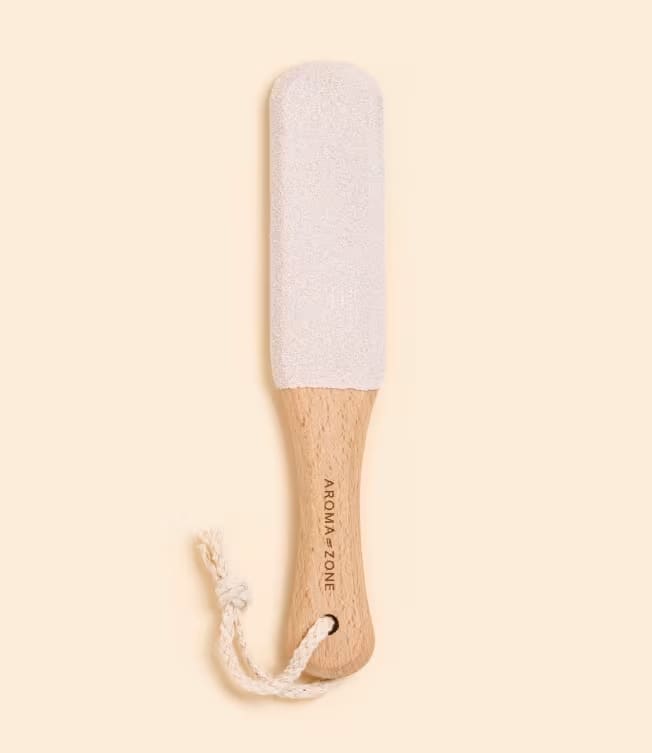
Essential for a professional pedicure, this beechwood foot file – made from sustainably managed forests – provides gentle yet effective exfoliation of rough skin. The file features an optimal rough texture on all sides, making it easy to pamper your feet, from heels to toes. Ideal for use with the Intense Nourishing Foot Cream for beautifully soft feet.

What are the risks of having calluses on the soles of your feet?

Although often regarded as merely a cosmetic nuisance, plantar calluses can lead to several complications if not treated properly. The main associated risks are as follows:

  • Increased pain: The corn can become extremely painful, especially if it cracks.

  • Infection: Cracks in the callus can act as entry points for bacterial and fungal infections.

  • Ulceration: In people with diabetes or circulatory problems, the corn may develop into ulcers.

  • Altered gait: Pain and discomfort can alter the way a person walks, leading to musculoskeletal problems.

  • Blister formation: Blisters may form beneath the callus, adding to the discomfort.

  • Difficulty putting on shoes: Thickened areas of callus can make wearing certain shoes uncomfortable.

How can you remove calluses from the soles of your feet naturally? Are there any home remedies or traditional remedies?

To keep your feet soft and healthy, follow these practical tips, which include techniques for moisturising, exfoliating and protecting your feet.

Natural solutions with our products

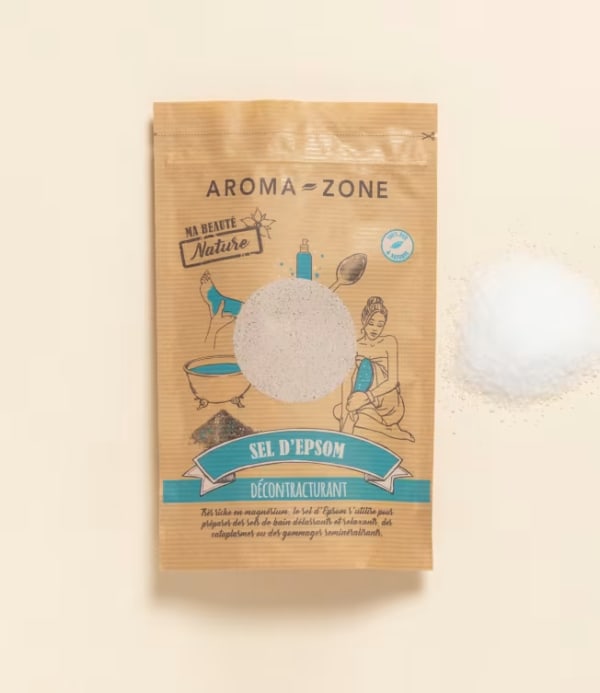
Epsom salt

1. A gentle foot soak with bicarbonate of soda

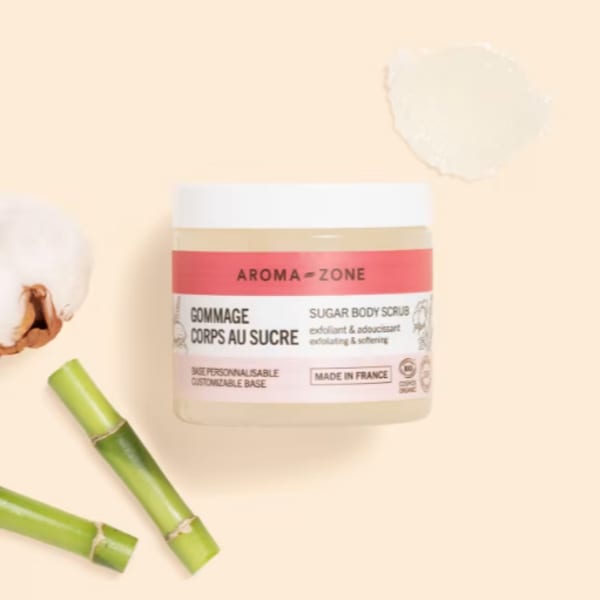
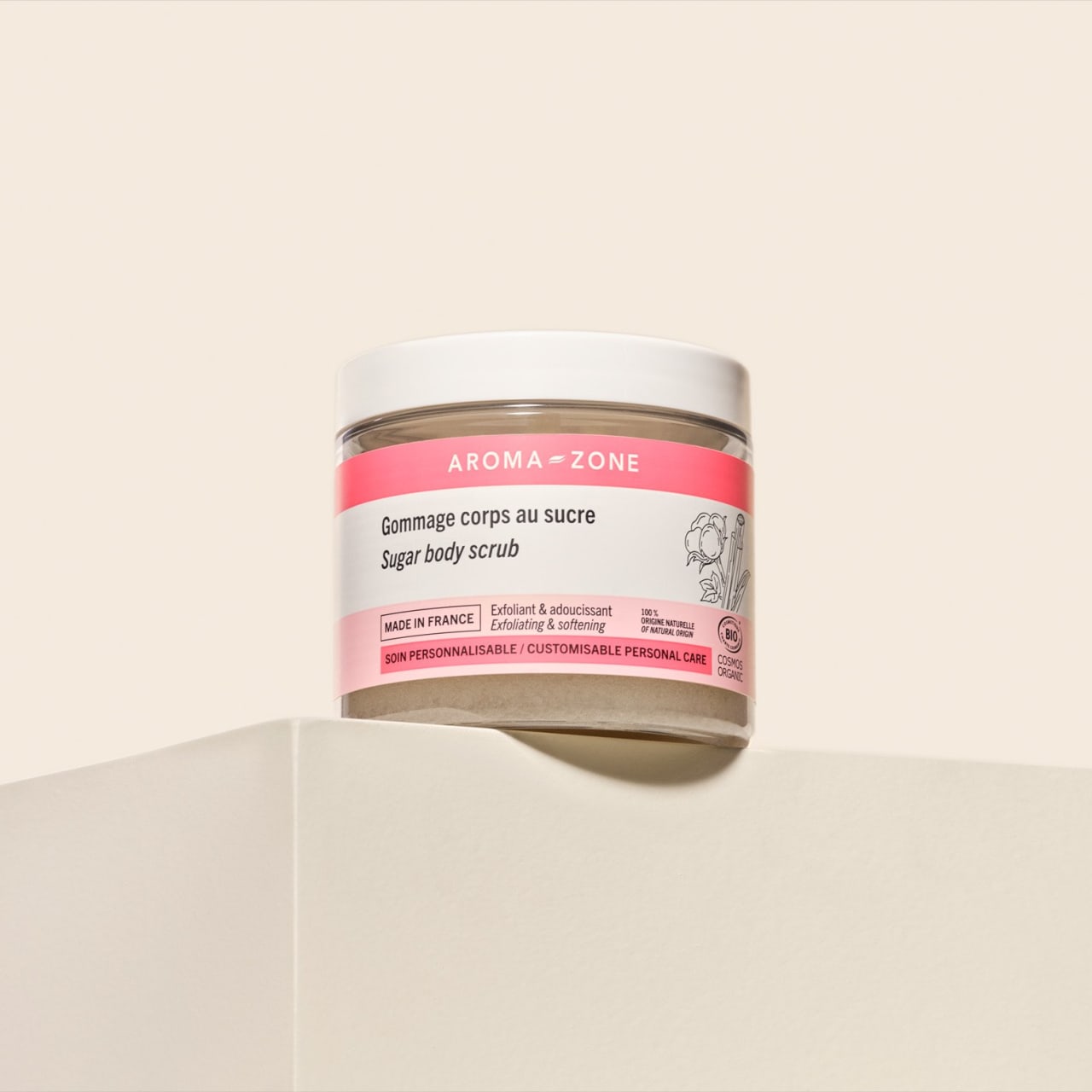
Organic sugar body scrub

2. A gentle exfoliation with eucalyptus black soap

Beechwood foot file

3. File away existing calluses using the foot file

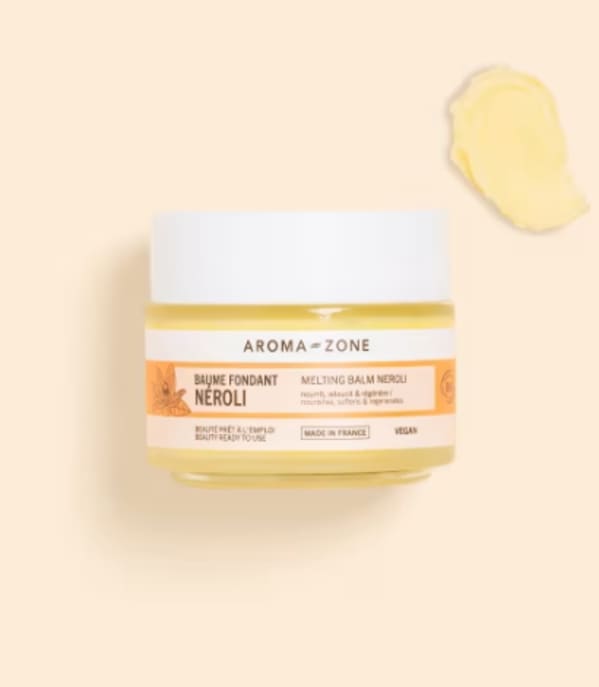
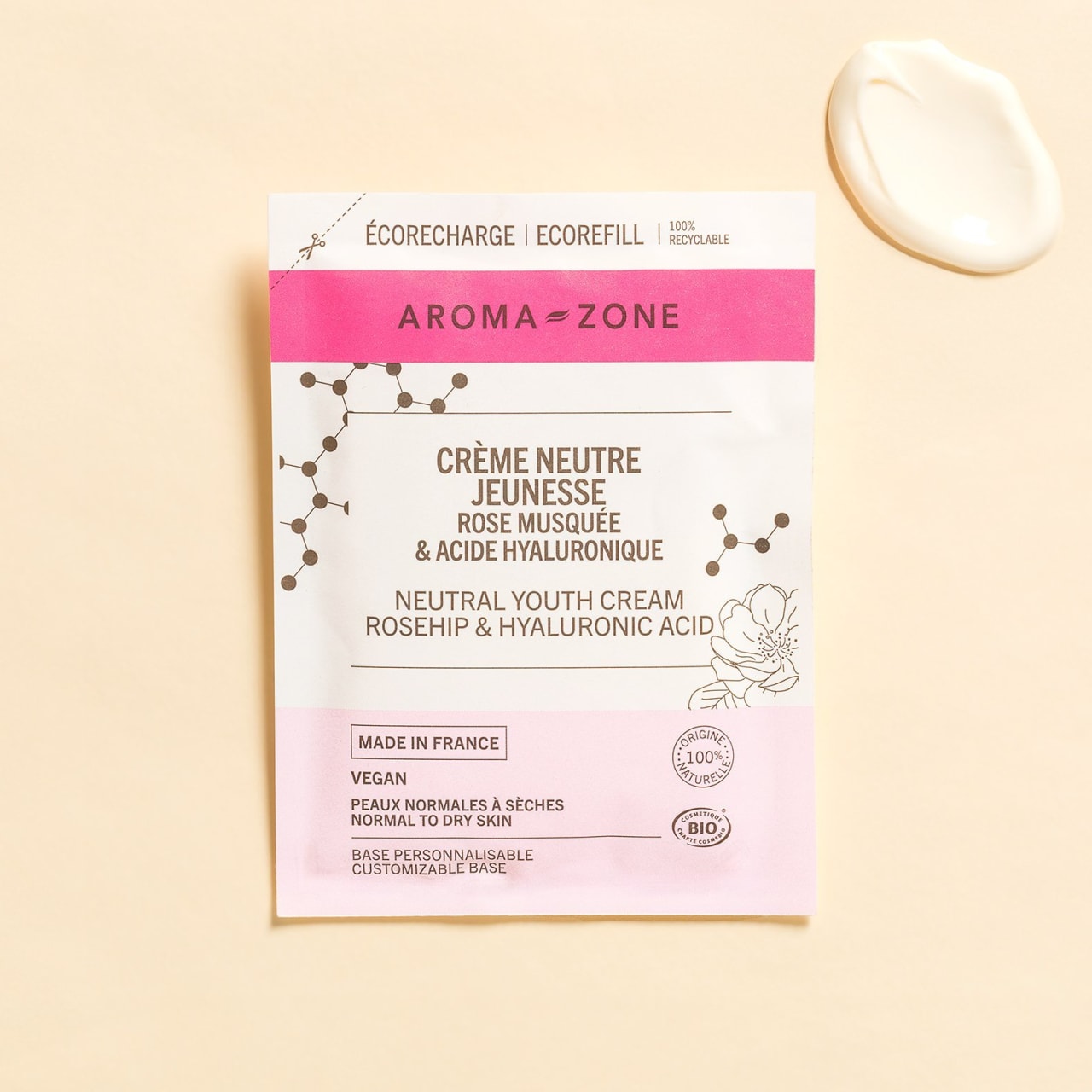
Organic Shea Butter & Neroli Softening Balm

4. Intense moisturisation thanks to the foot file

Old-Fashioned Tricks

  • Wear breathable shoes: Choose shoes made from natural materials such as leather or fabric to allow your feet to breathe and prevent moisture build-up.

  • Wear cotton socks: Choose socks made from breathable cotton to absorb excess moisture and keep your feet dry, thereby reducing the risk of cracks and infections.

  • Protect your feet from the sun: Apply sun cream to your feet to prevent sunburn and dry skin.

  • Avoid excessively hot baths: Hot water can dry out the skin. Choose lukewarm showers and limit how long your feet stay in water.

If, despite these measures, your feet remain dry and cracked, consult a specialist (a podiatrist) for personalised advice and appropriate treatments.

What care measures should you take to minimise the formation of calluses?

To prevent the formation of calluses on the soles of the feet, it is important to adopt a proper care routine. Here are some practical tips:

  1. Moisturise regularly: Use moisturising creams specifically designed for the feet, rich in urea or salicylic acid.

  2. Wear suitable footwear: Choose comfortable, well-fitting shoes to avoid pressure points.

  3. Use orthopaedic insoles: These help to distribute pressure evenly across the sole of the foot.

  4. Maintain good foot hygiene: Wash your feet daily and dry them thoroughly, particularly between the toes.

  5. Take regular foot baths: To soften the skin and make it easier to remove calluses.

  6. Use protective measures: Specialised pads or plasters can protect areas prone to rubbing.

  7. Avoid walking barefoot: On rough surfaces that can encourage the formation of calluses.

Our natural remedies for looking after your feet

Precautions for use

When using treatments for plantar calluses, it is essential to take certain precautions:

  • Moderate use: Do not rub the callus too vigorously with a foot file to avoid damaging healthy skin.

  • Hygiene: Maintain good hygiene with the tools used, such as foot files or foot rasps.

  • Avoid irritating products: Do not use products that are too harsh or not recommended for the skin.

  • Medical advice: If you have diabetes, circulatory problems or infections, consult a healthcare professional before attempting any home treatment.

Expert advice

To use a foot file effectively, start by soaking your feet in lukewarm water for about fifteen minutes to soften the skin. Then dampen the foot file and gently rub the rough areas using circular movements. Focus on your heels, the sides of your feet and other areas with calluses. After use, rinse your feet and dry them thoroughly. Clean the foot file after each use by rinsing it under running water and leave it to air dry. Use it once or twice a week for best results.

Meet Our Expert Writer: Stéphanie Le Guillou

Stéphanie is a pharmacist (since 2010) and holds a PhD in molecular biology (since 2012). Passionate about writing, she has produced medical content for nearly 15 years. Her goal is to make information accessible and easy to understand, without ever sacrificing scientific accuracy.

Bibliography

  1. ameli.fr. Corns, calluses and hard skin: definitions, causes and symptoms. September 2022.

Frequently Asked Questions

Frequently Asked Questions