
Your feet do a lot for you. From the moment you wake up to the moment you go to sleep, your feet support your entire body and connect you to the ground, giving you stability as you move. Podiatrist Pierre Schlienger explains that healthy feet generally provide better support for the body, contributing to good posture and improved balance, thanks to the many sensory receptors found in the skin. Regular massage helps promote better blood circulation in the feet, which is essential for overall health. Exfoliating the feet is also essential for removing dead skin cells, helping to leave the skin softer and smoother. As well as improving their appearance, exfoliation stimulates blood circulation, which can help reduce swelling and fatigue. It also helps prevent calluses, hard skin and other skin issues by maintaining adequate hydration. It's also a great way to unwind, leaving your feet feeling fresh and light after a long day. What's more, taking the time to care for your feet makes it easier to spot and prevent various conditions.
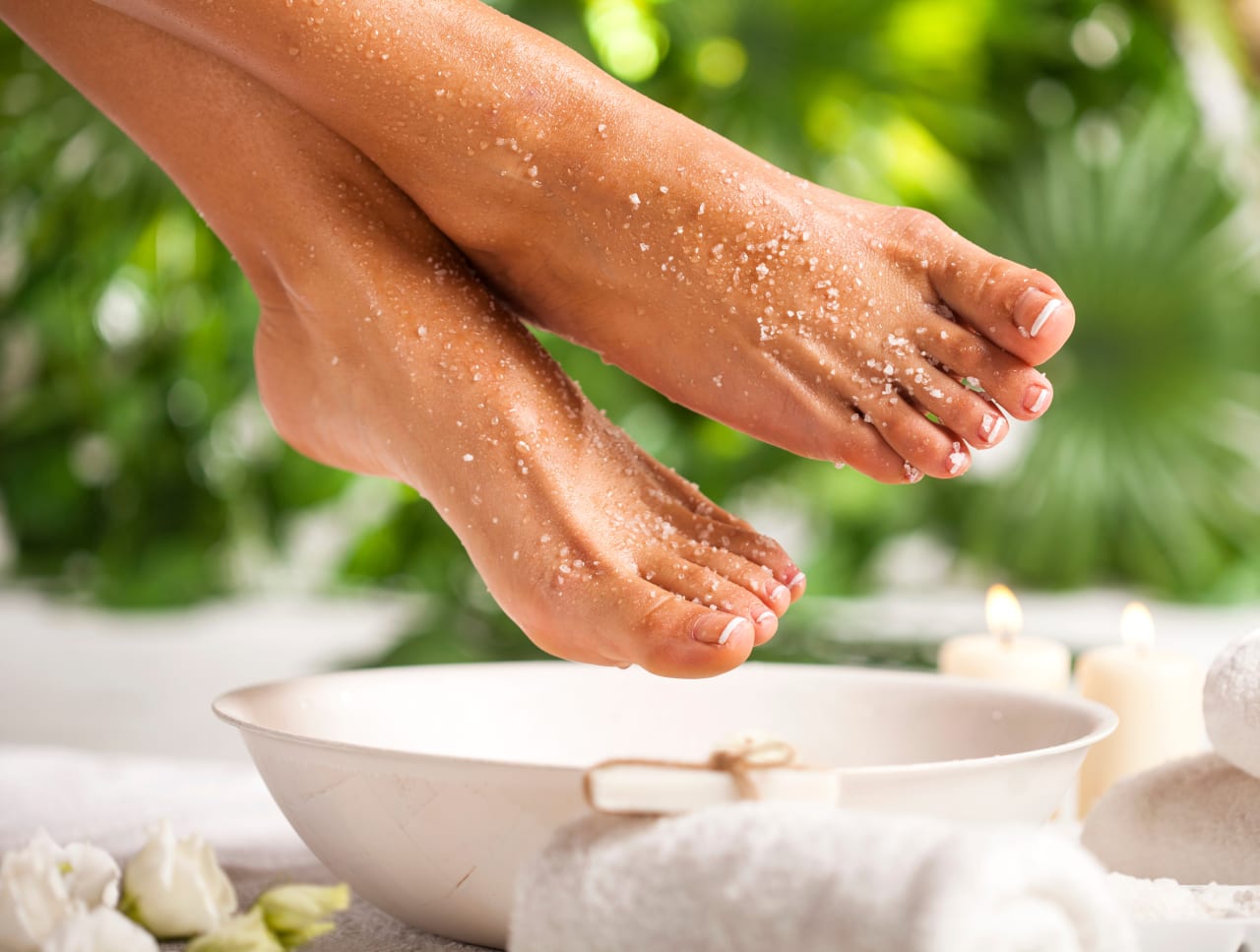
How to Exfoliate Your Feet at Home: A Complete Guide and Recipes
By Gipsy Dauge
Published on: Monday, October 30, 2023, Updated on: Wednesday, October 28, 2026
Our feet carry the weight of our entire body. They support us throughout the day, absorb shocks and help us maintain our balance. Taking care of our feet by exfoliating regularly is essential for maintaining the health of the skin on our feet, our first barrier against the outside environment. Podiatrist Pierre Schlienger shares his advice for successful at-home foot exfoliation.
Contents
Related products
Protective
£13.00
250 ml
2 options
Repairing
Nourishing
£7.00
90 ml
Keeping your feet in top shape is essential for your health
Why exfoliate your feet?
Exfoliation involves applying a grainy (exfoliating) product to the skin of the feet with gentle massaging motions to allow dead skin cells to loosen and fall off. Foot scrubs help remove calluses from the skin’s surface, revealing softer, smoother skin underneath. This provides immediate comfort, reduces the buildup of calluses, and may help prevent the development of corns. In reflexology, foot scrubs can help activate reflex zones. By massaging these reflex zones, one can stimulate the functions of certain organs and systems, thereby promoting a sense of well-being and helping to relieve various ailments. Foot exfoliation, combined with reflexology, can offer a relaxing experience while activating these reflex zones for therapeutic benefits.
Steps for an effective foot scrub
Before exfoliating:
Cleaning: Start by washing your feet with warm water and soap to remove impurities.
Soaking: Soak your feet in warm water for about 5–10 minutes to soften the skin and prepare your feet for exfoliation.
Exfoliation steps:
Apply the scrub: Use a scrub specifically designed for feet. Assuming there are no contraindications, consider your preferences regarding texture, scent, and whether you prefer natural or organic ingredients.
Massage: Gently massage the scrub into your feet using circular motions, paying special attention to the roughest areas, such as the heels.
Rinse: Rinse your feet with warm water until the scrub is completely removed.
After exfoliating:
Drying: Dry your feet thoroughly, paying special attention to the areas between your toes to prevent maceration and fungal infections. Products should be used individually.
Moisturising: Apply a hydrating cream or foot balm to nourish the skin and keep it soft and supple.
Spotlight on the Foot Cream - Avocado & Succinic Acid
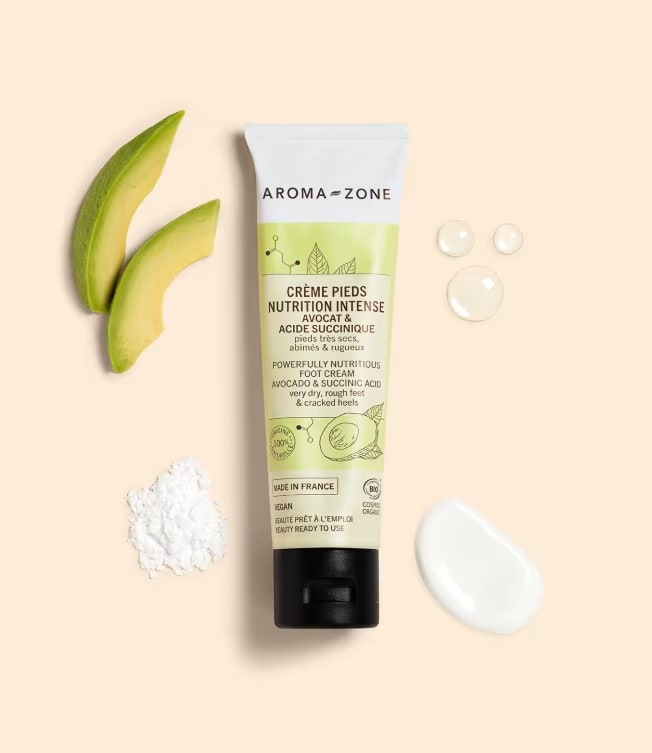
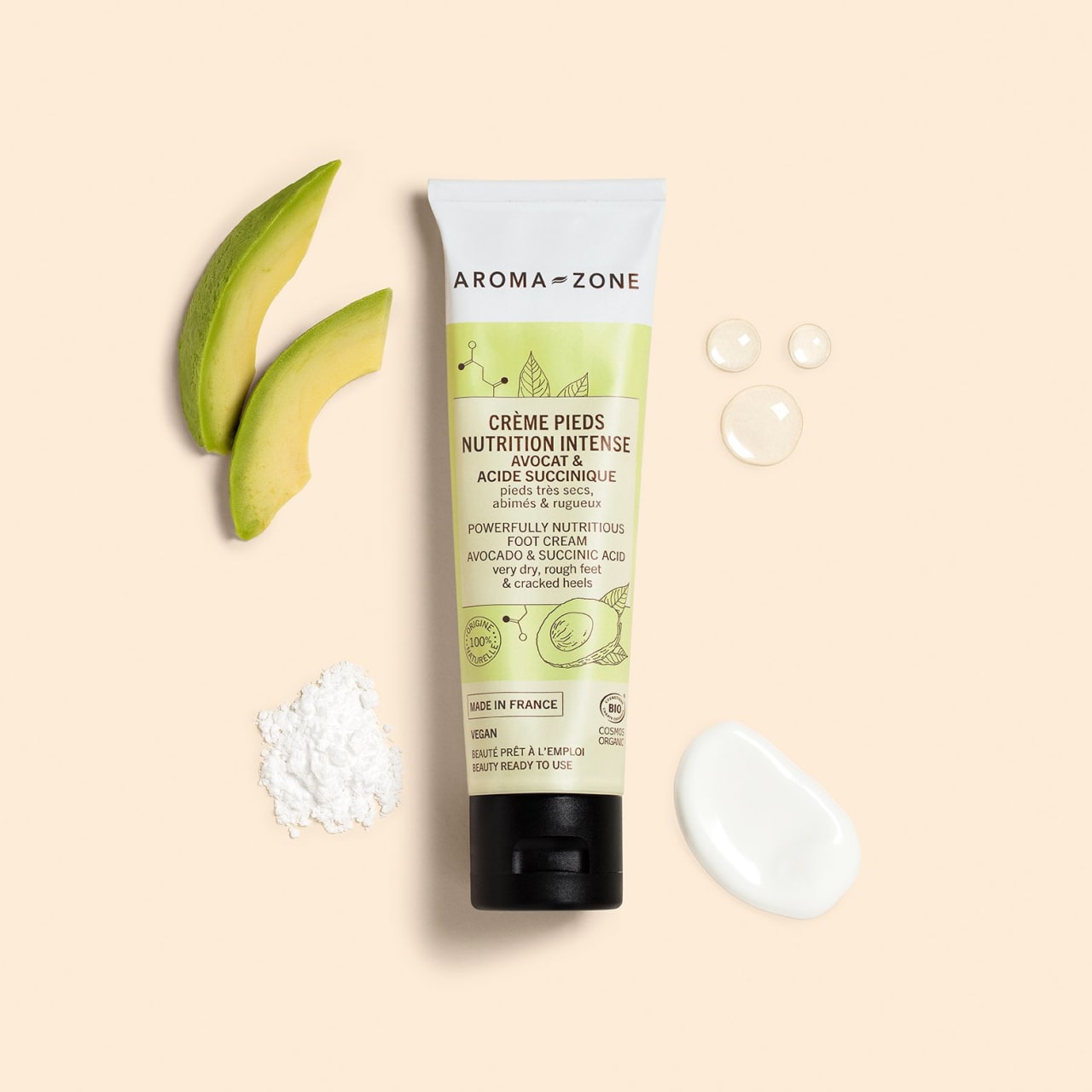
Ultra-repairing, this cream exfoliates, softens, nourishes and protects dry and damaged feet. Its 100% natural and certified organic formula combines succinic acid, known for its keratolytic action, with a repairing and protective chia seed extract to prevent and reduce calluses and roughness on heavily used feet. Enriched with moisturising hyaluronic acid, nourishing organic avocado oil and soothing plant-based bisabolol, this cream strengthens the skin barrier and forms a protective film that stimulates skin regeneration.
Additional advice:
Be careful not to scrub too aggressively, especially on thinner-skinned areas such as the arch of the foot. If you have sensitive or cracked skin, it's best to seek advice from a podiatrist or beauty professional before exfoliating at home.
A few recipes for a natural foot scrub
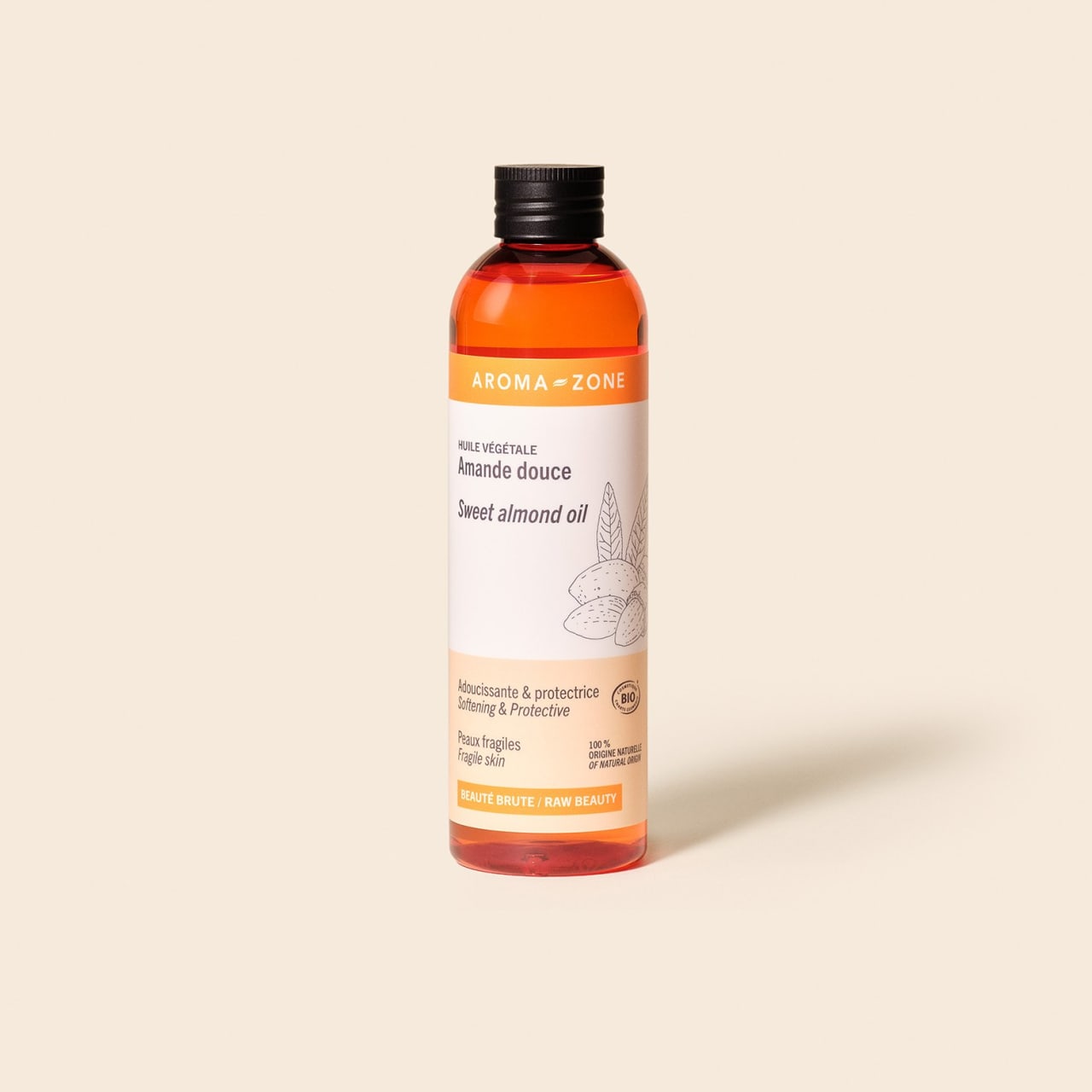
Scrub with Sweet Almond Oil: Pour 2 tablespoons of sweet almond oil into a bowl, add 1 tablespoon of coarse salt, and use this mixture to exfoliate. Rinse with warm water and dry your feet. Finally, apply a moisturising cream and put on cotton socks for the night.
Sand Scrub: Use two handfuls of sand if you live near a beach, or ground coffee or powdered sugar mixed with a little oil. Gently massage your feet before rinsing them with warm water.
Coconut Oil Scrub: Mix three tablespoons of fine salt with three tablespoons of coconut oil. Massage your feet thoroughly, focusing on the heels, before washing and rinsing. Salt can be replaced with sugar if you have sensitive skin.
To make your own foot scrub, you’ll need a moisturising ingredient (vegetable oils or butters), an exfoliating (gritty) ingredient such as coffee grounds, almond powder, fine salt, or sugar, and a binding ingredient (flour).
Which professional should you consult for a foot scrub outside the home?
You can get a foot scrub by making an appointment with a beautician. You’ll receive advice on products suited to your skin type and enjoy a moment of relaxation. Note that in a podiatry clinic, the term used is not “exfoliation” but “pedicure treatment.” This is a procedure performed by a healthcare professional using sterile instruments to prevent and treat skin conditions. The podiatrist can treat thicker calluses, remove corns, and prescribe topical treatments for conditions such as fungal infections or warts...
How often should you exfoliate your feet?
Podiatrist Pierre Schlienger recommends exfoliating your feet once or twice a week, depending on your feet’s needs and how your skin reacts. Overuse of foot scrubs can indeed lead to various problems such as irritation, dryness, and increased skin sensitivity. And for good reason: exfoliating too frequently or too vigorously can compromise the skin’s natural barrier, making it more susceptible to infections.
Foot Exfoliation: Mistakes to Avoid
Pierre Schlienger advises against using exfoliating socks if you have irritated or sensitive skin, if you have cracks, or if you are diabetic. Also, be particularly careful with products found on social media whose origin is unclear.
Spotlight on Our Writer: Gipsy Dauge

Gipsy is a graduate of ESJ Paris. After 10 years’ experience in general and women’s magazines, she decided to specialise in writing about health and well-being. With a yin yoga qualification under her belt, she now skilfully combines her writing with her yoga mat. Her aim goes far beyond mere words. Her commitment runs deep: to help readers incorporate small tips into their daily lives that help them look after themselves and their environment. Every word is an invitation to adopt a balanced and fulfilling lifestyle.
Bibliography
His beauty recipes
https://books.google.fr/books?id=9JPFCQAAQBAJ&pg=PT138&dq=gommage+pieds+recette&hl=fr&newbks=1&newbks_redir=0&sa=X&ved=2ahUKEwilhsXPkp2CAxWaSKQEHRSEAyEQ6AF6BAgGEAI#v=onepage&q=foot%20scrub%20recipe&f=false
Make Your Own Beauty Products: Quick, Easy, and Organic Recipes!
https://books.google.fr/books?id=mmcvDgAAQBAJ&pg=PT105&dq=gommage+pieds+recette&hl=fr&newbks=1&newbks_redir=0&sa=X&ved=2ahUKEwilhsXPkp2CAxWaSKQEHRSEAyEQ6AF6BAgIEAI#v=onepage&q=foot%20scrub%20recipe&f=false
Stop hurting yourself—do yourself some good!
https://books.google.fr/books?id=mQVDDwAAQBAJ&pg=PA198&dq=gommage+pieds+recette&hl=fr&newbks=1&newbks_redir=0&sa=X&ved=2ahUKEwilhsXPkp2CAxWaSKQEHRSEAyEQ6AF6BAgJEAI#v=onepage&q=foot%20scrub%20recipe&f=false
100 homemade recipes and tips for beauty and wellness—it’s smart
https://books.google.fr/books?id=T3mrEAAAQBAJ&pg=PT59&dq=foot+scrub+recipe&hl=fr&newbks=1&newbks_redir=0&sa=X&ved=2ahUKEwjhxcj9k52CAxVeTKQEHaMFC4o4ChDoAXoECAwQAg#v=onepage&q=foot%20scrub%20recipe&f=false


