What does it mean if you have yellow feet and what are the natural remedies?

What does it mean if you have yellow feet and what are the natural remedies?


By Amandine Granger

Published on: Monday, June 17, 2024, Updated on: Friday, October 02, 2026

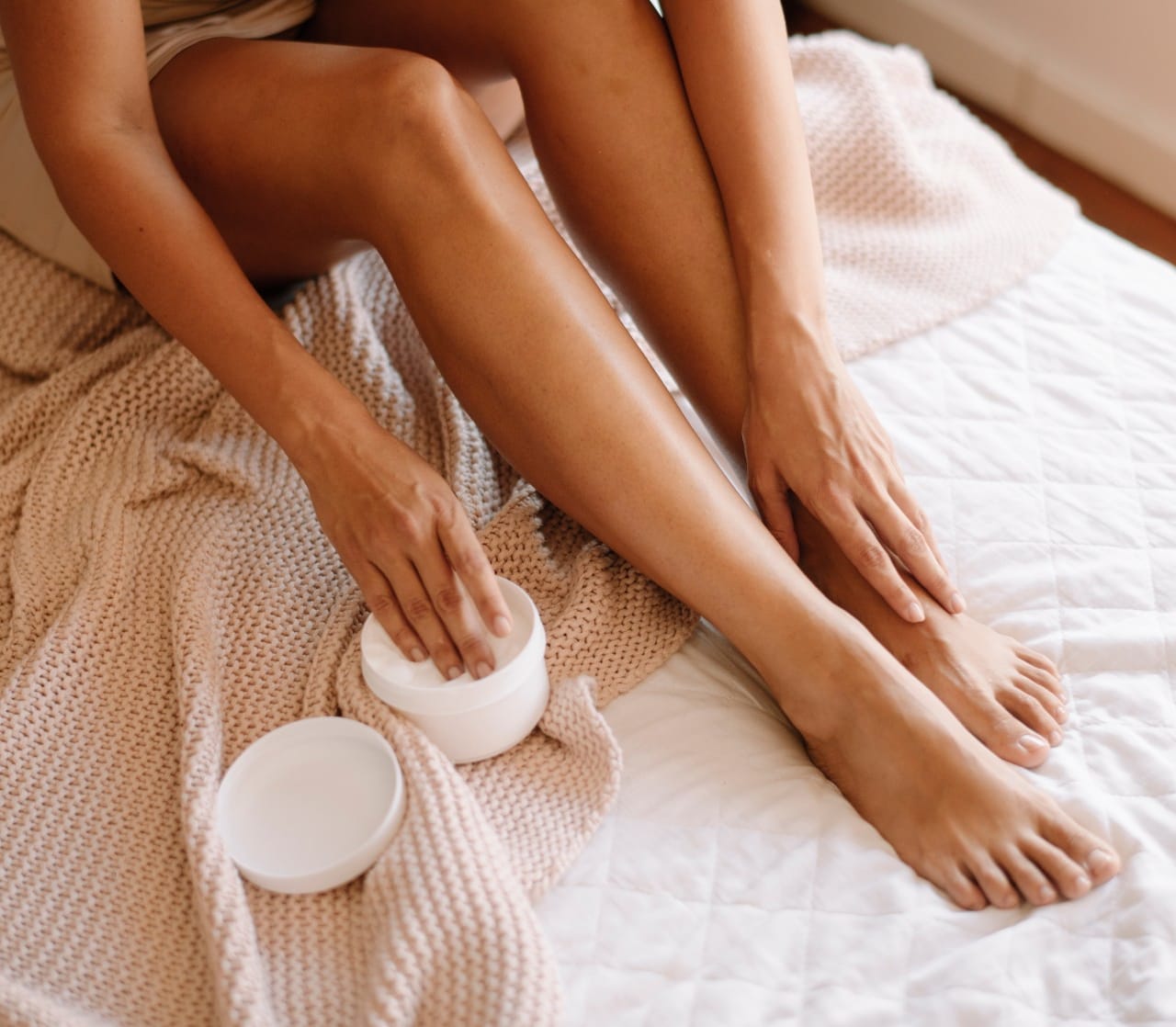
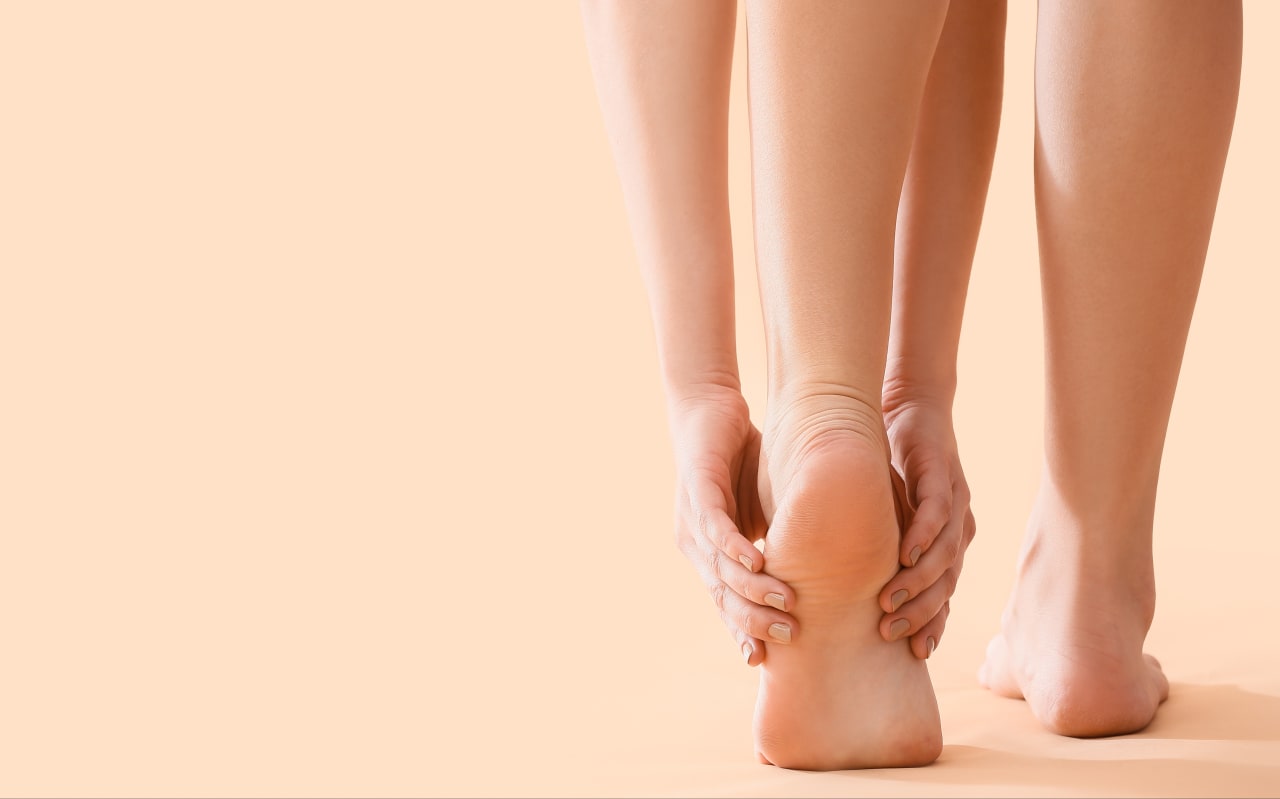
You’ve noticed that the skin on the soles of your feet is yellow and you’re wondering what might be causing it. Generally, yellow feet are linked to a build-up of calluses. As well as being yellow, the skin is hard, thick, cracked and may even be split. Fortunately, this unsightly problem can easily be resolved with the right care. Moisturising, exfoliating, foot soaks… in this article, we’ll share all our natural solutions for tackling yellow feet.

Contents

Related products

What are yellow feet?

Excessive friction, pressure and rubbing are part of the daily grind for your feet. Every day, they are put under extreme strain and, faced with all this micro-trauma, the skin tries to protect itself. It therefore produces more keratin, which makes it hard and thick. The medical term for this mechanism is hyperkeratosis. This excessive thickening of the skin can take two forms:

  1. Calluses: These are areas of very thick, hard and rough skin. They form where pressure and friction are most frequent: on the heels, the sides of the foot and the arch. Over time, calluses take on a yellowish tinge. 

  2. Calluses: These are also areas of thickened, very hard skin, with poorly defined edges and a yellow colour. They are less extensive than calluses and are most commonly found at the start of the arch of the foot, beneath the toes.

A yellow discolouration of the feet is therefore generally secondary to hyperkeratosis. It is the build-up of dead skin that gives the skin this yellowish tinge.
What causes yellow feet?

Calluses, which can turn the feet yellow, may be caused by various factors:

Uncomfortable shoes: Shoes that are too stiff or too tight put pressure on the feet. They cause excessive rubbing against the skin, leading to micro-trauma.  

Foot deformities: Foot deformities, such as bunions or flat feet, are subject to greater friction and pressure inside shoes. They are therefore at greater risk of developing hyperkeratosis.

Prolonged standing: When we are on our feet all day, significant pressure is exerted on the heels.

Certain sporting activities: Certain sports, when practised intensively, put the feet under considerable strain. This is particularly the case with running and prolonged walking. 

Age: As we get older, the skin becomes thinner and more fragile, making it more vulnerable to injury and thickening.

Dry skin: Dry skin is more likely to crack and develop calluses. Discover our natural solutions to combat dry feet and restore supple skin.

What are the symptoms associated with yellow feet?

Yellow feet are linked to the formation of calluses and hard skin. The signs that accompany this discolouration of the skin are:

  • Very thick skin

  • Dry skin

  • Cracked, fissured skin

  • Skin that feels and looks rough

  • A tight, tugging sensation

  • Possible itching

Pain when calluses develop into cracks or corns. If this applies to you, take a look at our natural remedies to soothe cracked skin.

Our natural solutions: How can you get rid of yellow feet?

Here are the best natural solutions to get rid of calluses and stop having yellow feet:

Foot soaks to soften calluses and hard skin

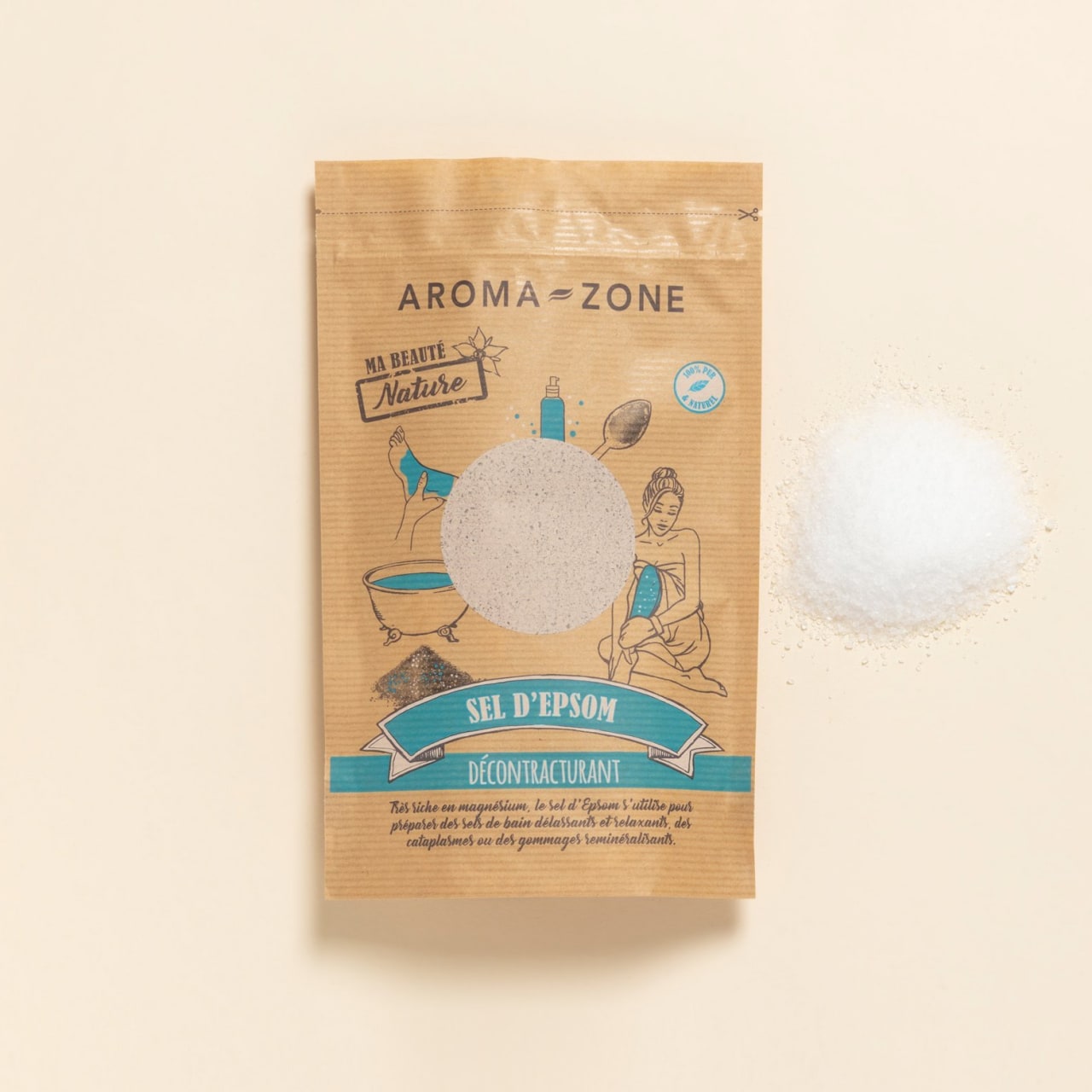
Warm foot baths help to soften the layers of hard skin. For best results, you can add a little Epsom salts or bicarbonate of soda to the water in your basin.

Epsom salt

Epsom Salt

Epsom salts are rich in magnesium and have been known for centuries for their revitalising properties. Used in a foot bath, they revitalise the skin and help relieve pain and tension. Their relaxing effect is ideal for tired feet. After a foot bath, your skin will be softer and ready for gentle exfoliation.

Discover Epsom Salt

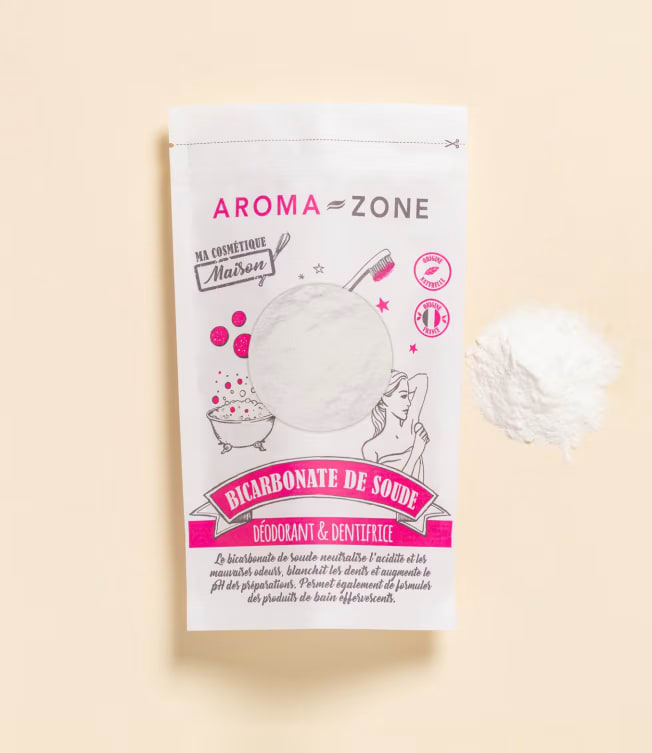
Bicarbonate of soda

This versatile little powder is a must-have in any home. Added to a foot bath, bicarbonate of soda helps to soften calluses on the feet. The skin is then easier to exfoliate.

Find out more about bicarbonate of soda

Exfoliating treatments to remove calluses from the heels and soles of the feet

Once the calluses have been softened by the foot soak, your skin is ready to be exfoliated. Exfoliating your feet helps to remove excess dead skin. This will, at the same time, get rid of the yellow discolouration your feet have developed. To gently exfoliate your skin, Aroma-zone offers natural products such as olive stone powder and urea.

00840-_AlXb8Sd.avif

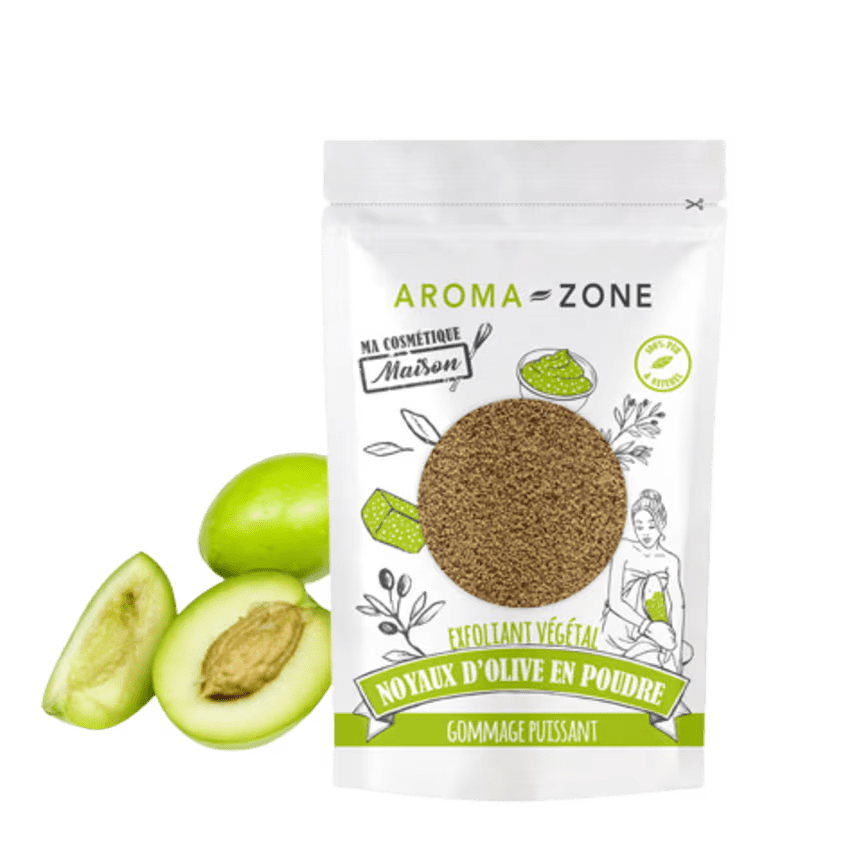
Olive Stone Powder Exfoliator

Olive stone powder is a highly effective natural exfoliant. It deeply cleanses the skin and removes all impurities. It's very easy to use - you can create an exfoliating treatment just by mixing it with a tablespoon of olive oil. Then apply the mixture to your feet using gentle, circular movements. Your skin will be clearer and softer.

Discover the Olive Stone Powder Exfoliator

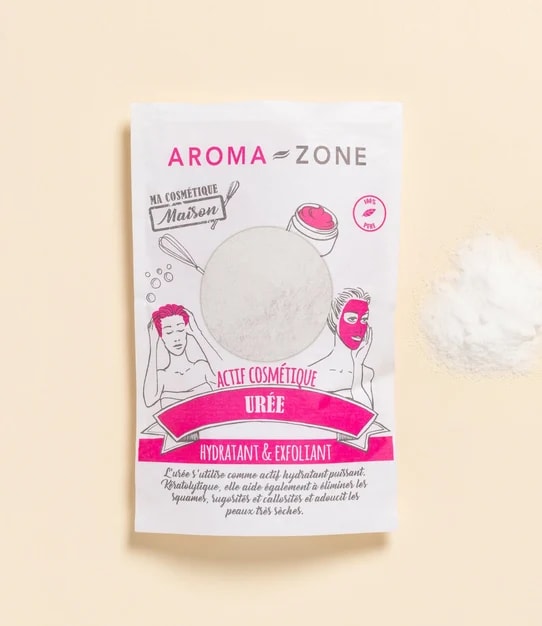
Urea

Urea is particularly recommended for tackling calluses on the hands and feet. Its keratolytic effect helps to remove dead skin, and its powerful moisturising properties make this active ingredient ideal for very dry and rough skin.

Discover the active ingredient urea

Moisturising treatments to keep your feet soft and free from yellow patches

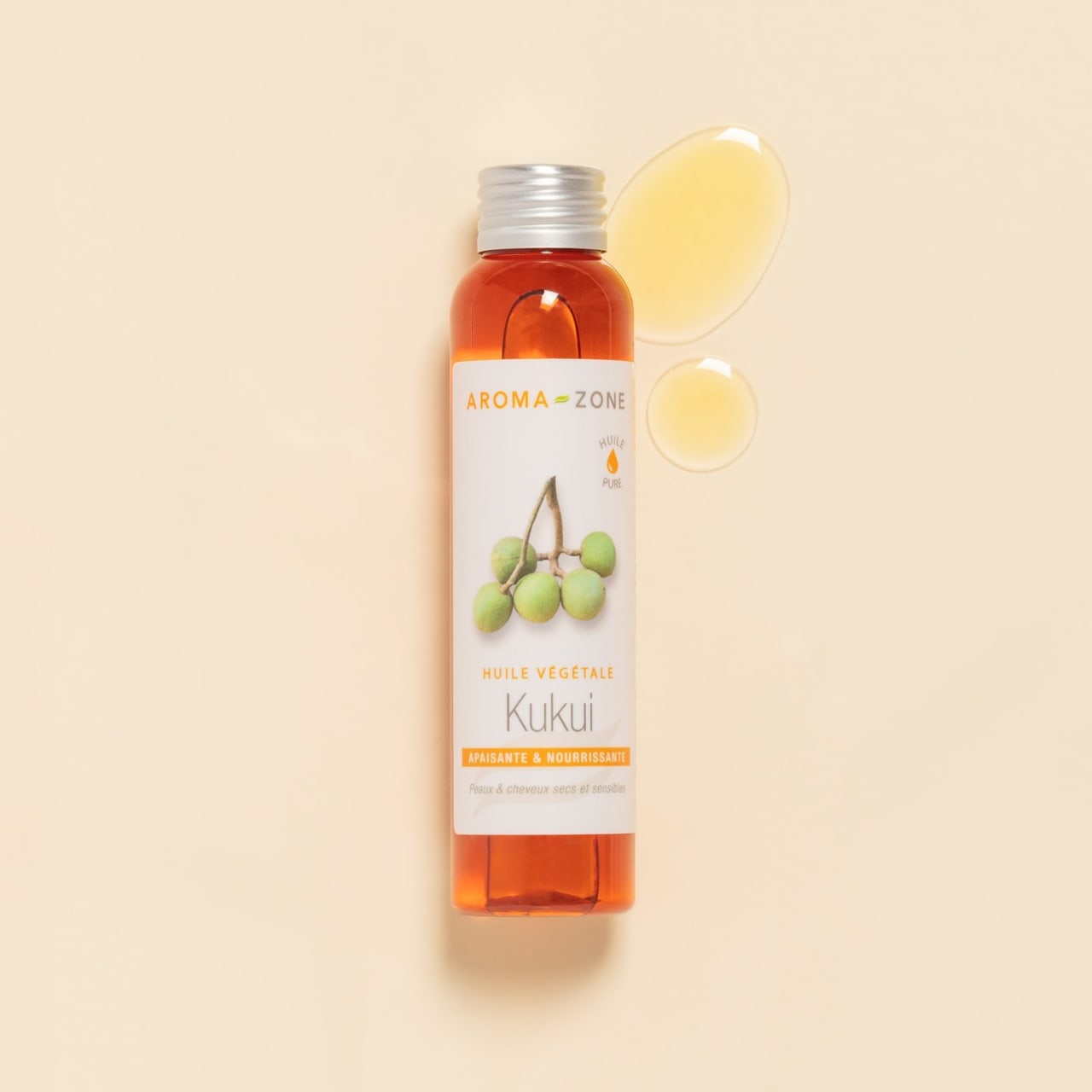
The final step to look after your feet naturally: moisturising! Of course, once you’ve removed the calluses, your skin needs to be moisturised to regain its suppleness and natural colour. Kukui plant oil and shea butter are perfect for protecting and deeply nourishing dry skin.

01407-HV_kukui_100_m-ycmH9Uh0.avif

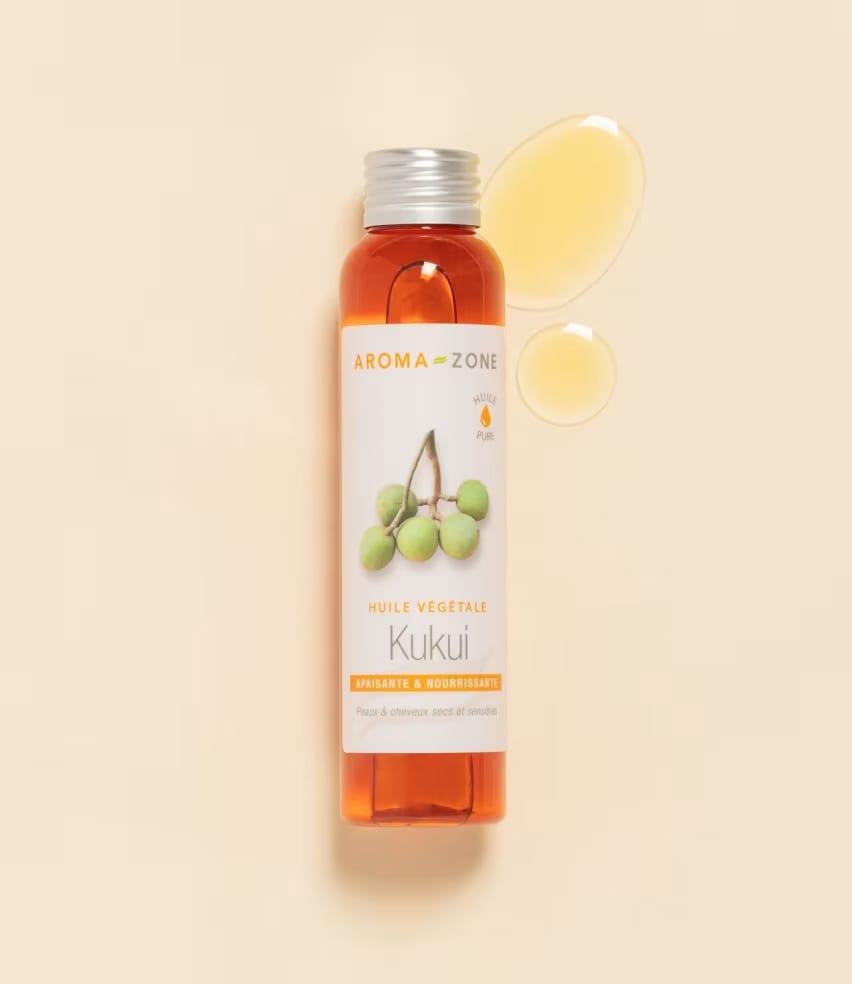
Kukui vegetable oil

Kukui vegetable oil is the ultimate skincare oil for damaged, cracked and flaky skin. Rich in omega-6, it deeply nourishes and regenerates the skin. It soothes tightness and absorbs very easily without leaving a greasy film. It is ideal for moisturising dry feet on a daily basis.

Discover Kukui Oil

00265-Neroli Balm B-UICqgl4t

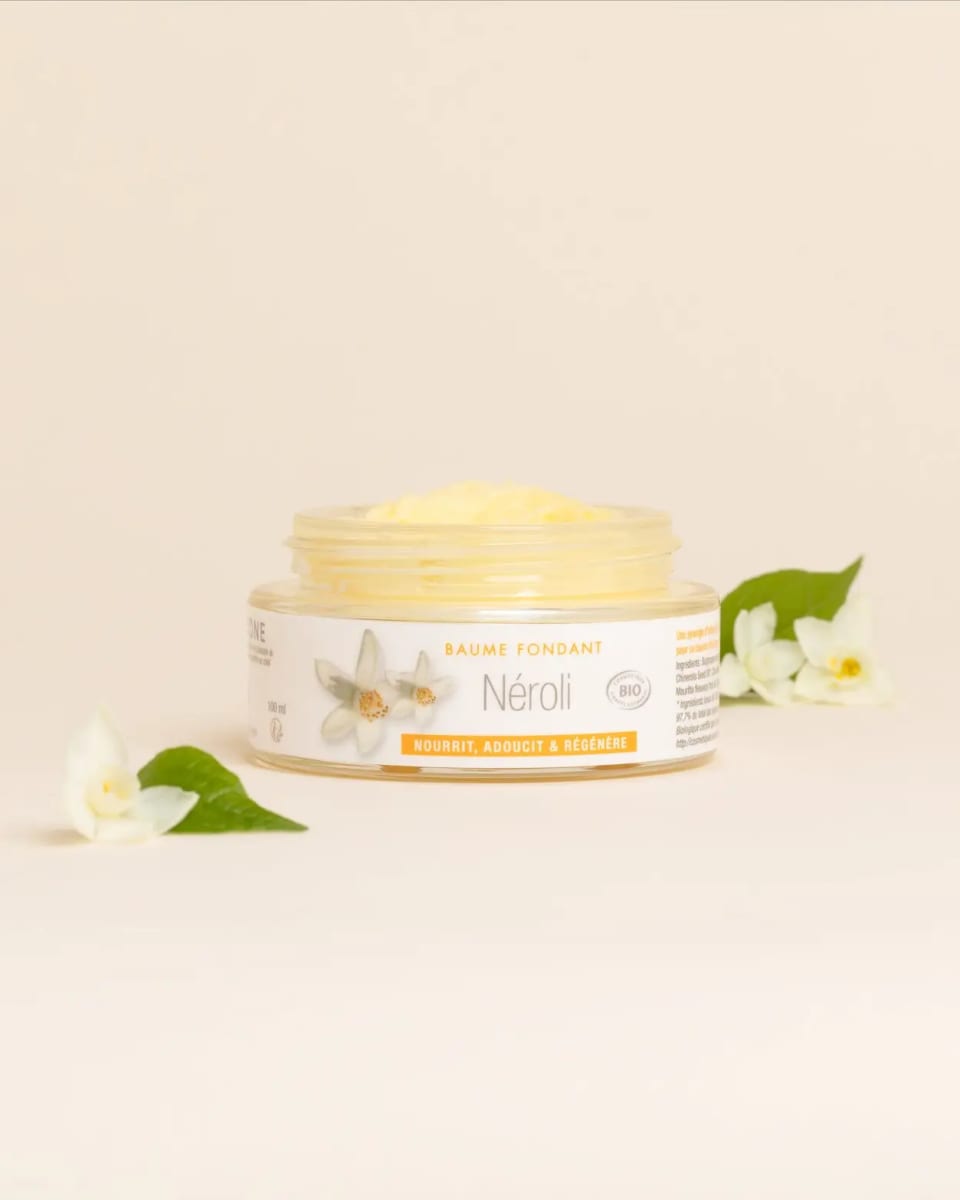
Shea and Neroli Balm

This balm contains a blend of active ingredients with softening, nourishing and protective properties. It absorbs deeply, making it ideal for softening very dry areas of skin, such as the knees, elbows and feet. It is also much loved for its pleasant orange blossom scent.

Discover the Organic Shea and Neroli Balm

How can you prevent yellow feet?

There are some simple steps you can take to prevent calluses and, consequently, yellow feet. Here are a few tips to incorporate into your daily routine:

  1. Regularly remove dead skin: Using a foot file or emery cloth, remove dead skin from your feet, no more than once a week. If you have a lot of calluses, don’t try to remove them all at once. Do it gradually to avoid injury.

  2. Moisturise your feet daily: Apply a moisturiser every day to keep the skin on your feet soft and supple.

  3. Use a mild soap: Some soaps contain substances that irritate the skin and strip away its natural lipid barrier. To protect your skin, opt for a mild, nourishing soap.

  4. Choose the right shoes: Avoid high heels, which concentrate your body weight on the front of the foot and put extra pressure on that area. Shoes that are too tight and do not respect the natural shape of your feet should also be avoided. Opt for flexible, comfortable shoes that allow your feet and toes to move freely.

  5. Drink 1.5 litres of water a day: Staying well-hydrated helps keep your skin supple and moisturised.

Natural remedies for yellow feet and care for use

The Shea Butter and Neroli Melting Balm contains a photosensitising active ingredient. You must wait 8 hours before exposing your skin to the sun after applying it. It is therefore best to use it as part of your evening skincare routine, before going to bed, to moisturise your feet.

Expert advice

Skin health is also influenced by what you eat. To achieve beautiful, supple and radiant skin, opt for a healthy diet rich in vitamins and minerals. Limit your intake of fatty, processed and ultra-processed foods. Choose simple foods such as vegetables, fruit, whole grains, fish and poultry. Your skin will thank you for it!

Spotlight on Our Specialist Writer, Amandine Granger

Amandine is a writer specialising in natural health. Passionate about alternative medicine, she is training to become a naturopath. Through her articles, she aims to make her knowledge accessible to a wide audience, helping readers bring greater wellbeing and balance to their everyday lives.

Bibliography

  1. Corns, calluses and hard skin: symptoms and causes. (n.d.). ameli.fr | Assuré.

    https://www.ameli.fr/assure/sante/themes/cors-pieds/definitions-symptomes-causes

  2. Calluses: Symptoms and Treatments | Elsan. (n.d.). Elsan.

    https://www.elsan.care/fr/pathologie-et-traitement/maladies-des-pieds/durillon-symptomes-traitements

  3. Giorgetta, J. (23 November 2022). Hyperkeratosis of the feet: what are the causes?

    https://www.passeportsante.net/. https://www.passeportsante.net/fr/Maux/Symptomes/Fiche.aspx?doc=hyperkeratose-pied-causes

Frequently Asked Questions

Frequently Asked Questions