Betaine: What Are Its Benefits?

Betaine: What Are Its Benefits?


By Marie Anne Vion

Published on: Monday, May 19, 2025, Updated on: Wednesday, October 28, 2026

Naturally found in foods like beetroot, betaine is attracting growing interest for its effects on digestion, the liver, and cellular balance. What does it actually do? And how can you use it safely in everyday life? Though often overlooked, this molecule is now finding its place in various approaches focused on digestive and overall well-being. From its metabolic role to its use as a dietary supplement, discover what you need to know about this active ingredient and its potential benefits for wellbeing.

Contents

Related products

What is betaine?

Betaine is a molecule naturally found in certain plants, notably sugar beet (Beta vulgaris), from which it gets its name. It belongs to the glycine family and is characterised by its ‘zwitterionic’ chemical structure, meaning it possesses both a positive and a negative charge, which makes it highly soluble in water.

In the body, it helps regulate important chemical reactions and also helps control levels of homocysteine, an amino acid involved in cardiovascular health.

There are two main forms: natural betaine, derived from food, and betaine HCl, used for its effect on gastric acidity.
What Role Does It Play in the Body?

Betaine fulfils several important functions for the body’s proper functioning. In particular, it helps convert a substance called ‘homocysteine’ – which can be harmful in excess – into a beneficial amino acid: methionine. This process helps protect the cardiovascular system.

It also plays a role in protein synthesis and helps cells maintain a healthy water balance, particularly in the liver. Certain forms of betaine, such as betaine HCl, can improve digestion by supporting stomach acidity, which helps absorb nutrients.

What Are Its Health Benefits?

The properties of betaine are of particular interest in the context of digestive and liver health. Used in various forms, it is thought to offer several potential benefits:

  • Support for digestion: By promoting sufficient gastric acidity (particularly with betaine HCl), it facilitates the breakdown of proteins and the absorption of nutrients.

  • Liver protection: It helps to reduce the build-up of fat in the liver, making it beneficial in cases of non-alcoholic fatty liver disease. It is also sometimes recommended to protect the liver in people with alcoholism.

  • Homocysteine regulation: By playing a role in methylation processes, it helps to lower this blood marker, as high levels are associated with an increased cardiovascular risk.

  • Osmoregulatory effect: It promotes water balance within cells, particularly in the kidneys and tissues exposed to osmotic stress.

  • Support for lipid-lowering diets: Betaine is sometimes used as part of approaches aimed at reducing blood triglyceride levels.

  • Support for physical performance: Some studies suggest a beneficial effect on endurance and muscle recovery, although these findings have yet to be confirmed.

What Are Its Benefits for the Skin and Hair?

  • Used in cosmetics, plant-derived betaine is recognised for its moisturising and protective properties. Acting as an osmolite, it helps maintain the water balance of skin cells, thereby strengthening the skin’s natural barrier. It soothes sensitive skin and reduces dehydration, particularly in gentle, minimalist skincare products.

  • It is found in formulations such as the Glycerine Soap Base While Melt & Pour with Aloe Vera, ideal for creating bespoke moisturising gels that combine comfort and simplicity.

  • When used on the hair, it adds softness, reduces static and makes detangling easier, without weighing down the hair fibre. It is therefore frequently incorporated into shampoos, leave-in treatments or hair masks, particularly in formulations designed for dry, dull or damaged hair. Its gentle nature makes it a well-tolerated active ingredient, even for sensitive scalps.

Which foods contain it naturally?

Betaine occurs naturally in several plant-based foods, particularly those rich in methylated compounds. Consuming it as part of your regular diet lets you enjoy its benefits without needing extra supplements.

Here are some good sources:

Beetroot: The richest food source of natural betaine. It is the main dietary source of betaine.

Spinach: High folate and betaine content makes it beneficial for liver metabolism.

Quinoa and wheatgrass: These whole grains naturally contain significant amounts.

Shellfish and seafood: These also contain it, particularly prawns.

Certain mushrooms: Such as oyster mushrooms or button mushrooms.

A varied diet, rich in vegetables, seeds and whole grains, is often sufficient to meet the recommended dietary intakes.

What is the difference between betaine HCl, betaine citrate and natural betaine?

Natural betaine is a compound extracted from plants such as beetroot and is also found in certain foods. It plays a part in cellular metabolism and supports liver function and digestion.

Betaine HCl is a synthetic form combined with hydrochloric acid. It is used as a supplement to restore gastric acidity, particularly in cases of hypochlorhydria.

Betaine citrate, on the other hand, is a salt of betaine combined with citric acid. It is found in medicines designed to relieve occasional digestive problems, such as a feeling of heaviness after meals.

Although they share a common origin, their uses, forms and mechanisms of action differ. Before use, particularly in the event of a digestive disorder or if you are currently undergoing treatment, it is recommended that you seek the advice of a healthcare professional.

How can you enjoy its benefits every day?

To reap the full benefits, you can take several approaches.

  1. A balanced diet, regularly incorporating natural sources such as beetroot, spinach or quinoa, provides a simple and effective foundation. These dietary sources may be sufficient to support digestive and liver function in a healthy person.

  2. In certain situations (digestive problems, an unbalanced diet, or a need for liver support), supplementation may be considered. It is generally available in the form of betaine HCl, often combined with pepsin to improve gastric acidity.

Whichever form is chosen, it is recommended that you seek advice from a healthcare professional before starting a course of treatment, particularly if you are currently undergoing treatment or have a sensitive constitution.

What are its possible side effects?

Although it is generally well tolerated, certain side effects may occur, particularly when taken in high doses or in certain concentrated forms, such as betaine HCl or betaine citrate. Mild digestive disturbances (nausea, heartburn, bloating, laxative effect) are the most commonly reported.

In rare cases, hypersensitivity reactions or liver problems may occur, particularly in people already taking medication. Certain formulations, such as citrate betaine or betaine ampoules, may contain other excipients that require monitoring.

Betaine is not recommended for pregnant or breastfeeding women, as there is insufficient data on its safety in these circumstances. Furthermore, it may exacerbate symptoms in people prone to gastro-oesophageal reflux or suffering from an ulcer. Medical advice is therefore recommended before use, particularly in cases of digestive problems or a sensitive constitution.

In what forms is it available, and what are the recommended dosages?

Betaine is available in the form of granules to be dissolved, effervescent tablets, oral solutions, capsules or even ampoules, depending on needs and intended use. It can be used on its own or in combination with other active ingredients such as pepsin or citrate.

The dosage of betaine varies depending on the formulation and intended use. It is advisable to follow the recommendations on the packaging or as advised by a healthcare professional.

Our other natural solutions to support digestion

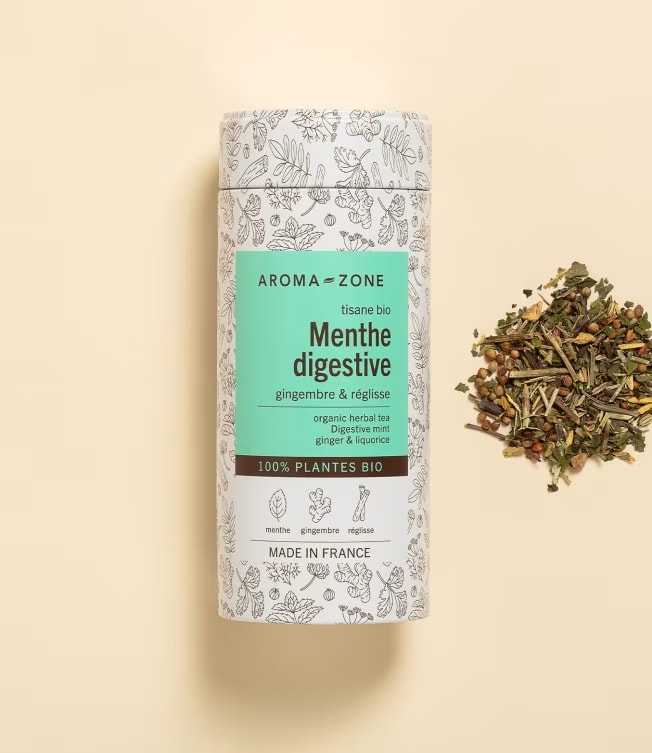
For soothing digestion after meals

This herbal tea combines peppermint, aniseed, fennel and caraway in a blend of herbs traditionally used to aid digestion. It soothes digestive spasms, reduces gas and supports better nutrient absorption. Enjoy it after a meal for an immediate feeling of lightness and digestive wellbeing.

Discover the Organic Digestive Mint Herbal Tea

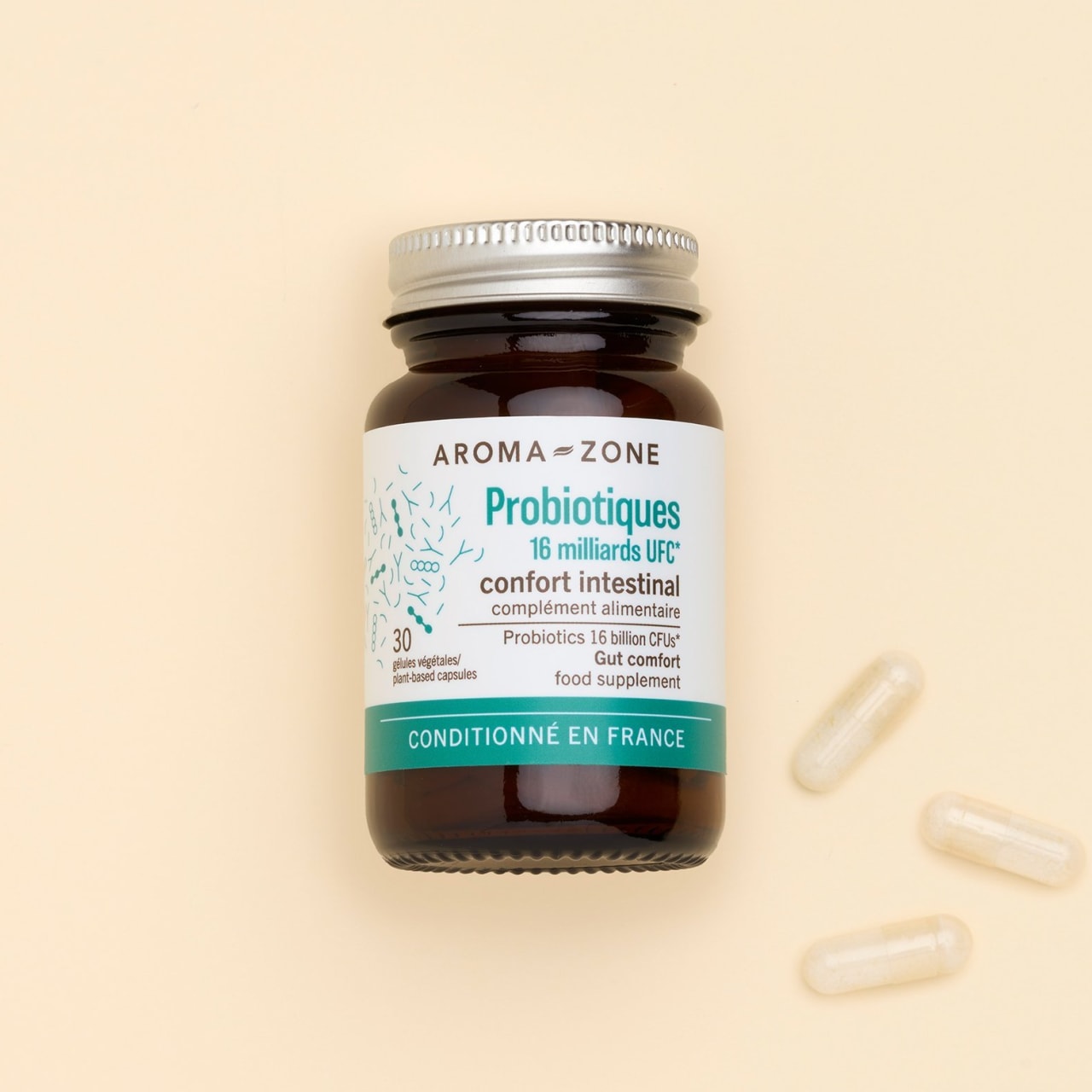
To naturally rebalance the gut flora

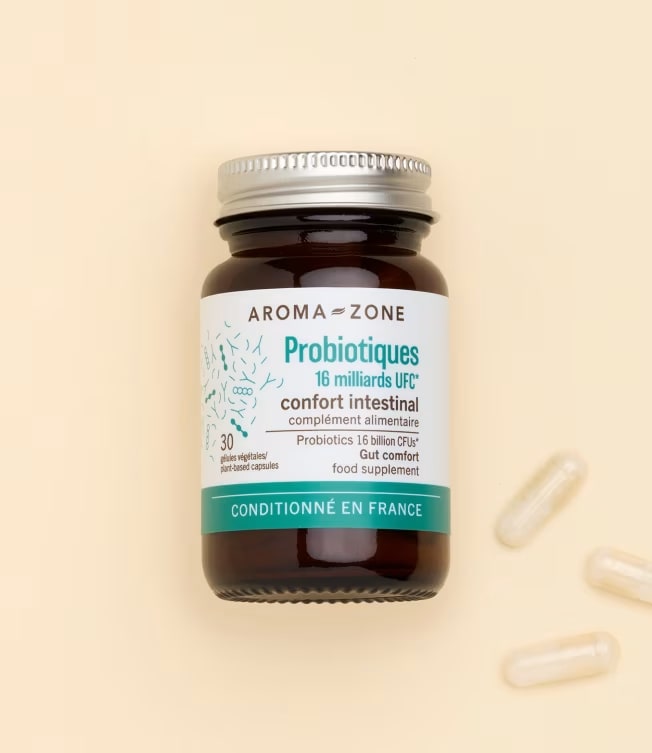
Formulated with carefully selected probiotic strains, this supplement promotes long-lasting gut comfort. It helps to strengthen the gut microbiota, improve digestion and reduce discomfort such as bloating, irregular bowel movements or recurring digestive problems. Take as a course of treatment, particularly during periods of digestive stress or when your routine changes (travelling, unusual diet), to support gut comfort, rebalance the gut microbiota and restore regular bowel movements.

Discover the Probiotics for Gut Comfort dietary supplement

To reduce bloating and intestinal gas

Plant-based activated charcoal is recognised for its high absorbency. It helps to trap gases and toxins present in the digestive tract, thereby relieving feelings of discomfort, bloating or indigestion. Ideal after a heavy meal or in cases of irregular bowel movements, this supplement is valued for its rapid action and good tolerability. Take at least 2–3 hours before or after taking any medication or the contraceptive pill.

Discover the France BIO Plant-Based Activated Charcoal dietary supplement in capsules

Our recipes to try at home to aid your digestion

Contraindications and precautions for use

Betaine is generally well tolerated, but its use requires some precautions, particularly when taken as a supplement. People suffering from gastric ulcers, gastro-oesophageal reflux or inflammation of the stomach should avoid betaine HCl supplements, as increased gastric acidity could worsen their symptoms.

It is also not recommended without medical advice for pregnant or breastfeeding women, or for children. If you are taking medication (particularly for the heart, liver or kidneys), it is best to seek personalised advice to avoid any interactions.

Finally, excessive dosing may lead to adverse effects such as nausea or digestive discomfort. It is always best to start with a low dose and adjust it according to your needs and how your body responds.

Expert advice

Betaine can support digestive comfort and liver metabolism when used correctly. To reap its full benefits, prioritise a variety of dietary sources (beetroot, spinach, quinoa, etc.) and use supplements only when needed. Everybody reacts differently; a gradual, personalised, and supervised approach is usually the most effective and safest option long term.

Spotlight on Our Nutrition and Food Expert, Marie-Anne Vion

Marie-Anne Vion.jpg

Faced with digestive disorders such as IBS and SIBO, Marie-Anne turned to nutrition and natural solutions. Passionate about wellbeing, she is now studying dietetics and nutrition. She shares her expertise through articles that offer accessible advice and insights. Drawn to the brand's natural approach, she helps promote a balanced diet and self-reliance in health matters.

Bibliography

  1. VIDAL

    https://www.vidal.fr/parapharmacie/complements-alimentaires/betaine.html

  2. Wikipedia

    https://fr.wikipedia.org/wiki/B%C3%A9ta%C3%AFne

  3. MSD Manuals

    https://www.msdmanuals.com/fr/professional/p%C3%A9diatrie/maladies-h%C3%A9r%C3%A9ditaires-du-m%C3%A9tabolisme/troubles-du-m%C3%A9tabolisme-de-la-m%C3%A9thionine#Classic_homocystinuria_v88762196_en

Frequently Asked Questions

Frequently Asked Questions

Associated tip