
How to do a detox diet to lose weight after the holidays?

How to do a detox diet to lose weight after the holidays?


By Christine Barris

Published on: Wednesday, January 10, 2024, Updated on: Tuesday, October 20, 2026

The holiday season is a time when we gather around large, beautifully set tables laden with food, which can easily lead to overeating. But after the pleasure of festive meals comes the moment to step on the scale... and discover a few extra pounds. It is possible to shed those extra pounds quickly; we’ll explore how in this article.

Contents

Related products

What is a detox? Definition

Detoxification, or detox, is a process aimed at eliminating toxins from the body by stimulating its natural elimination capabilities through two main organs, known as emunctory organs: the liver and the kidneys.

We generate or absorb toxins daily, in varying amounts depending on our lifestyle. An excessive amount of toxins hinders the proper functioning of our body.

Some toxins are endogenous, meaning they are produced by our body to perform vital functions, such as digestion or respiration.

Others are exogenous. They are primarily introduced through our diet: pesticide residues, food additives such as colorings or preservatives. But they can also come from our environment: air or water pollution and tobacco, for example.

Does a detox lead to weight loss?

A detox program helps cleanse the body. It promotes the natural elimination of toxins by stimulating the function of the emunctory organs: primarily the liver and kidneys, which filter the blood to rid it of waste. 

Detoxification allows the body to eliminate excess fat more effectively, which is particularly helpful for shedding a few pounds after the holidays. It thus enables you to lose weight sustainably, while rebalancing your body’s functions.

What foods are best for an effective detox?

Here is a list of foods to prioritize during a detox period:

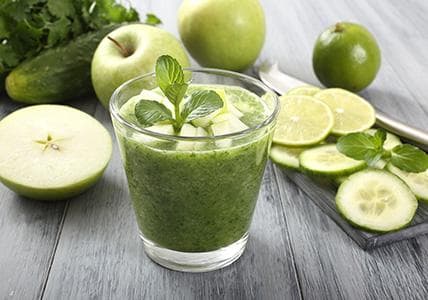
This mainly involves fruits and vegetables, our ultimate allies for detoxing and weight loss.

Vegetables to prioritize

Vegetables offer many benefits, as they are:

  • Rich in minerals and antioxidants

  • High in water content

  • High in fiber

  • Low in calories

They are therefore a staple of a healthy diet. They play a major role in detox programs, thanks to their diuretic properties that help eliminate toxins and promote weight loss.

Among them, certain vegetables are particularly beneficial:

  • Broccoli: rich in antioxidants and fiber, it supports liver detoxification

  • Kale:its sulfur compounds promote detoxification

  • Spinach: contains chlorophyll, which aids in detoxification

  • Garlic: its sulfur compounds stimulate detoxification enzymes in the liver

  • Beets: rich in detoxifying compounds such as betalain, which supports liver function

  • Carrots: some of their compounds can help remove fat from the liver

  • Celery: its high water and fiber content makes it an essential ally for detoxification

  • Cucumber: its high water content gives it diuretic properties

  • Artichoke: stimulates bile production in the liver, which improves waste elimination

  • Black radish : like the artichoke, it promotes bile secretion by the liver

Fruits to prioritize

Fruits, just like vegetables, are allies in a detox and weight-loss program. Among their main benefits are:

  • Rich in vitamins, minerals, and antioxidants

  • High water content: up to 80% or even 90% for melons and watermelons

  • High in fiber

  • Low in calories

Among them, certain fruits are particularly recommended for a detox program:

  • Lemon: contains enzymes that stimulate liver function

  • Grapefruit: some of its antioxidant compounds support liver function

  • Citrus fruits in general, for their high water content: Oranges, lemon juice

  • Pineapple: contains an enzyme, bromelain, which aids digestion

  • Apple: rich in pectin, which promotes the elimination of toxins

  • Melon and Watermelon: their high water content stimulates kidney function

What is the best detox for weight loss?

Sustainable weight loss requires adopting healthy and balanced lifestyle habits, in order to eliminate toxins and fat. The goal is not to lose water or muscle mass, as that would be counterproductive.

Dietary changes, while essential, must be complemented by other measures.

It is necessary to incorporateregular physical activity, which helps preserve muscle mass and release "feel-good hormones," such as endorphins. Practicing relaxation techniques is also beneficial, as they help manage stress more effectively and promote sleep. It is important to remember that stress can contribute to eating disorders such as sugar cravings, and that lack of sleep can disrupt hunger and satiety hormones, leading to weight gain.

How many pounds of toxins do we have in our bodies?

It is not possible to precisely measure the weight of toxins in the body, as this depends on many individual factors. Furthermore, the idea of quantifying the weight of toxins in the body does not reflect the complexity of our body’s natural detoxification processes.

Our body is constantly working to eliminate waste and toxins through the emunctory organs—primarily the kidneys and liver, and secondarily the lungs and skin. Detox regimens help support these natural processes by promoting healthy lifestyle habits.

Our dietary detox program

How to do a one-week detox? My 7-day detox menu

Here are the basic rules for a quick and effective detox diet:

Must-have foods:

These are foods that are easily digested and whose metabolism generates a low amount of toxins. Their high content of fiber, water, and certain components promotes the elimination of waste.

  • Plant-based foods : fruits, vegetables, and salads should make up the majority of every meal. You can even eat only fruits and vegetables for one or more days during your detox; this will make it even more effective

  • A detox food at every meal, chosen from among the fruits and vegetables we listed above: Beets, Artichokes, Celery, Carrots, Black Radishes, citrus fruits, Apples...etc

  • Soups made with vegetables and herbs, which are filling and promote elimination due to their high water and fiber content

  • Vegetable juices, due to their high nutrient and water content

  • Lemon juice, which aids digestion by stimulating the liver

Foods to avoid:

These are all foods that place a significant burden on the digestive system and generate a large amount of waste during digestion. During a detox, it’s important to give the digestive system a rest so that all available energy can be focused on the body’s elimination functions.

  • Processed foods, high in added sugars, saturated fats, and chemical additives.

  • Refined sugar, found in candy, pastries, baked goods, sodas...

  • Alcohol, which puts a strain on the liver 

  • Dairy products, which clog up the body

  • Animal proteins: meat, deli meats, eggs, fish, and seafood, which require a lot of work to digest and generate a significant amount of toxins

The essential supplements for my detox:

  • Rosemary, dandelion, lemon, and mate all have diuretic properties that promote detoxification and weight loss. You’ll find them in herbal teas with detox and slimming properties, such as the Organic Lemon Detox Herbal Tea, full of freshness, or the Organic Slimming Mate Herbal Tea with a fruitier taste.

  • Nopal, with its appetite-suppressing properties, is a valuable ally for lighter meals. It also helps limit fat absorption and lower blood sugar levels, making it the ultimate weight-loss supplement!

  • Smoothies with draining and detoxifying properties, such as Spirulina smoothies, or Guarana powder,—you can find the recipe here. Not only are they delicious, but they’re also your allies for detoxing and weight loss!

spiruline

Feel free to check out our Spirulina and Weight Loss section to learn more about its slimming benefits.

Our menu ideas

Here are several examples of menus for a one-week detox, to choose from based on your preferences and tastes:

Some breakfast ideas:

  • Guarana or Spirulina Smoothie

  • Citrus Salad with Mint

  • Apple-Pear Compote, No Added Sugar

  • Fresh Fruit Medley

Some lunch ideas:

  • Platter of raw vegetables: Green salad, carrots, celery, black radish, avocado...etc., sesame seeds and sesame oil

  • Steamed leeks seasoned with a drizzle of olive oil and lemon juice

  • Raw zucchini "spaghetti" with pesto (olive oil, garlic, basil, and pine nuts blended together)

  • Crisp steamed vegetables with fresh herbs (parsley, cilantro) and olive oil (raw)

To complete the meal (optional)

  • A fillet of steamed fish

  • A piece of poultry cooked en papillote

  • Two hard-boiled or soft-boiled eggs

Some dinner ideas:

  • Mixed Vegetable Soup

  • Cream of Squash, Carrot, and Sweet Potato Soup

  • Leek and Potato Soup

  • Minestrone with mixed vegetables

To round it out (optional)

  • A handful of brown or short-grain rice

  • A handful of quinoa

  • A handful of buckwheat

Here are a few dessert ideas to enhance your lunch and dinner:

  • A Baked Apple with Cinnamon

  • A fresh piece of fruit or a fruit salad with no added sugar

  • A handful of nuts: almonds, hazelnuts, walnuts, cashews, and a few raisins

  • Two or three dried fruits: figs, apricots, dates, prunes, bananas...

The suggested additions are optional. You can add them to your plant-based meals if you feel you won’t be sufficiently full by eating only fruits and vegetables. If you choose to do this, save animal proteins for lunch, as they would be too heavy to digest in the evening and could disrupt your sleep. You can, however, add a serving of starchy foods to dinner if necessary.

Spotlight on Our Naturopathic Writer: Christine Barris

Christine Barris

After completing a Master’s degree in Management, Christine spent 20 years working for leading companies in the food supplement and natural cosmetics sectors. She then turned her passion for nature into a career. Today, she practises naturopathy for people and animals, as well as sophrology, and mentors aspiring naturopaths and sophrologists at various schools.

Bibliography

Frequently Asked Questions

Frequently Asked Questions