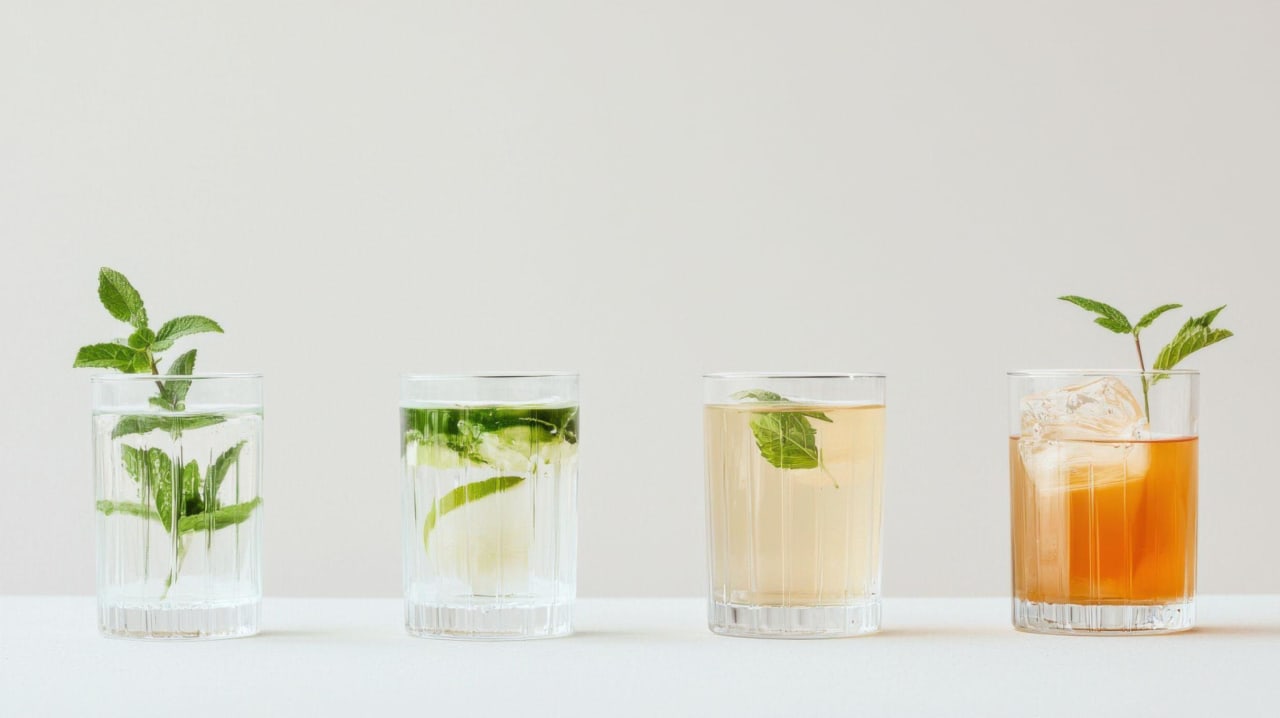
Detox, in the broadest sense, refers to a set of practices designed to support the body’s elimination organs (emunctory organs), particularly the liver, kidneys, intestines, skin, and lungs. The goal is to help your body when it is subjected to excesses or an unbalanced lifestyle. Thus, in naturopathy, detox is viewed as a way to support the body’s natural elimination functions. A detox drink is a preparation made from water, fruits, vegetables, plants, or spices—sources of natural compounds (vitamins, antioxidants, etc.)—to be incorporated into a balanced lifestyle. Similarly, it is important to emphasise that a detox drink does not replace a balanced diet. It can complement a healthy lifestyle, particularly when consumed regularly alongside physical activity, restful sleep, and a balanced diet.
What’s the Difference Between an Infusion, Herbal Tea, Juice, and a Smoothie?
All these types of drinks can be incorporated into a detox regimen, provided you choose the right ingredients.
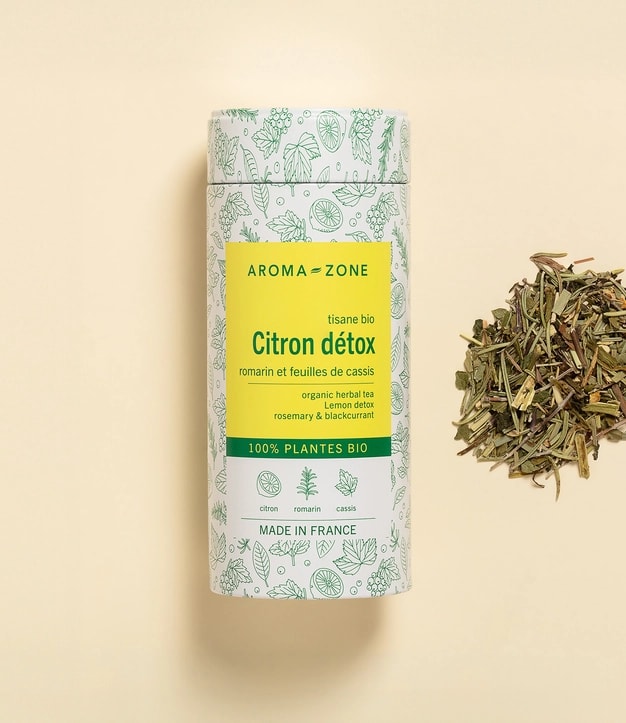
An infusion is an extraction technique that involves steeping plants or substances in hot water to extract their soluble compounds. Herbal tea is the beverage obtained through this extraction process. Among the most common are those made with chamomile, mint, linden, or verbena. As part of a detox regimen, herbal teas and infusions are particularly recommended, especially for digestive issues such as nausea or bloating.
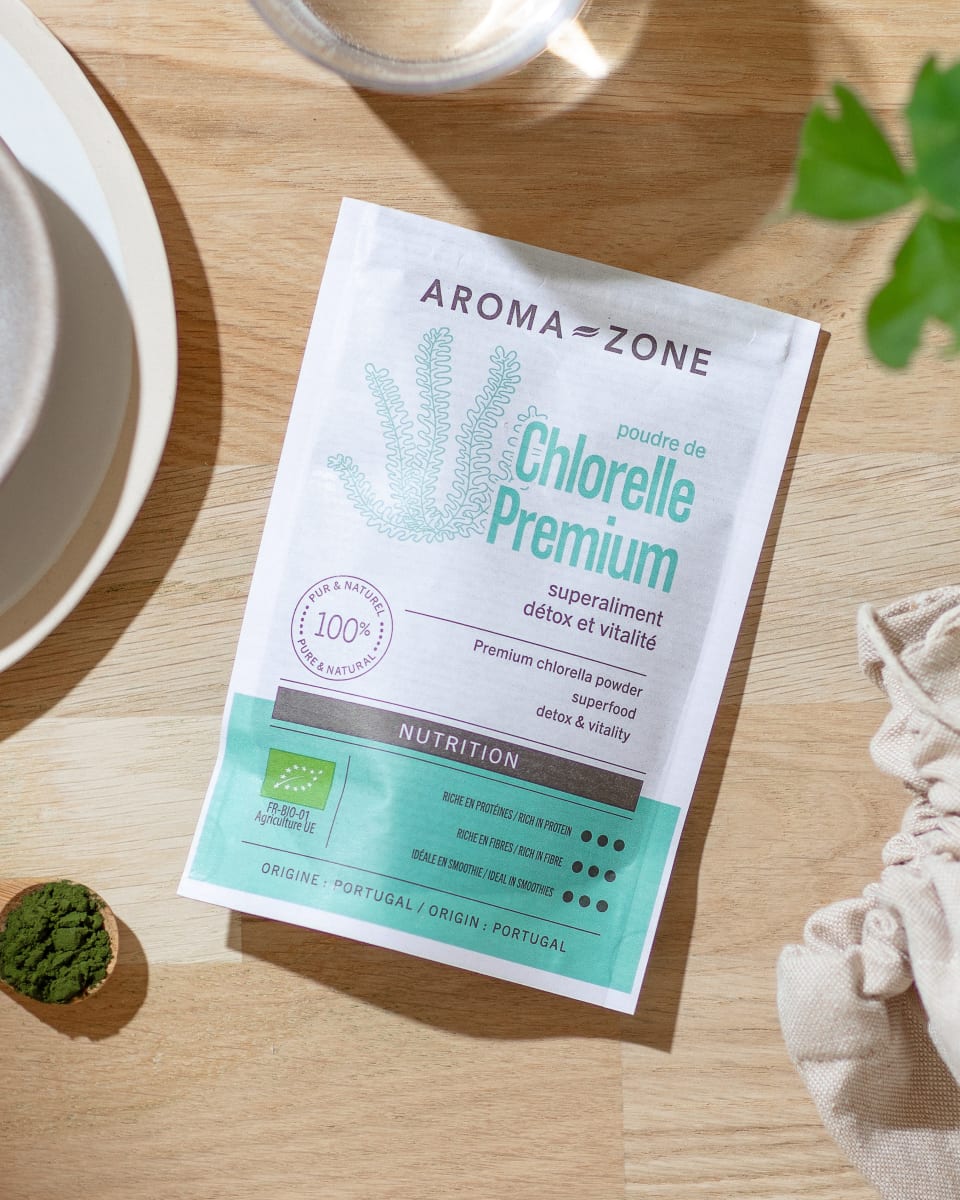
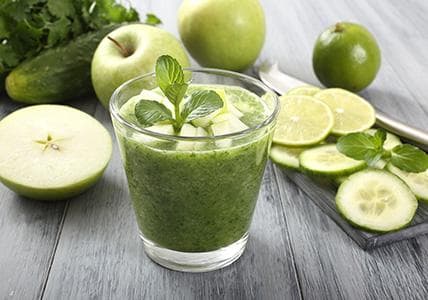
A juice is a beverage made by extracting only the liquid from fruits or vegetables, without retaining the fibre. A smoothie, on the other hand, is prepared by blending whole fruits or vegetables, including the pulp and sometimes the skin, which preserves the fibre. It may also contain milk, yoghurt, ice cubes, or nut butters. Both types of drinks can be consumed as part of a detox regimen and are particularly effective when energy levels are low, thanks to their high vitamin content.