
Which body oils should you use to moisturise very dry skin?
Published on: Thursday, December 26, 2024, Updated on: Thursday, October 29, 2026
Having very dry skin can quickly become a daily burden. Are you looking for a natural and effective solution to deeply nourish your skin? Plant-based oils, rich in beneficial active ingredients, are true treasures for soothing, hydrating and repairing even the driest skin. Discover the causes of this dryness, its specific characteristics, and the best natural oils to say goodbye to that rough, scaly texture and restore supple, comfortable skin.
Contents
Related products
Nourishing
Protective
£8.00
250 ml
3 options
Anti-ageing
£8.75
£12.50
250 ml
2 options
Protective
£13.00
250 ml
2 options
Repairing
Protective
£7.00
30 ml
What is considered very dry skin?
Very dry skin is a sign of a profound imbalance in water and lipids, the two fundamental components of the skin barrier. When this barrier is weakened, the skin struggles to retain moisture and defend itself against external aggressors. The result: it becomes uncomfortable and rough, causing tightness or itching.
The most commonly affected areas include the hands, legs, face, and elbows. Very dry skin is characterised by a rough or flaky texture, sometimes accompanied by cracks or fissures that make the skin painful. It may also appear dull and lack elasticity.
When these signs appear, it is essential to address them with targeted skincare to deeply nourish and repair the skin. Plant-based oils, rich in moisturising and protective ingredients, offer a natural and effective solution to restore the skin barrier, restore its softness, and provide long-lasting protection against external aggressors.
Why is my skin so dry?
Dry skin results from a combination of internal and external factors that weaken its protective barrier and impair its ability to retain moisture. Identifying these causes allows you to adopt appropriate solutions.
Climate plays a key role: dry air, heating, air conditioning, wind, cold, or prolonged sun exposure dry out the skin.
Inappropriate products or habits, such as harsh cleansers or alkaline soaps, as well as excessively hot baths or showers, damage the skin barrier.
Insufficient hydration, particularly a lack of water or excessive consumption of coffee and alcohol, exacerbates dryness.
A diet low in essential nutrients (omega-3, vitamins A and E, antioxidants) deprives the skin of the elements needed to maintain its hydration.
Ageing: As we age, the skin produces less sebum, which reduces its ability to retain water. Additionally, the natural decline in hyaluronic acid, which helps maintain hydration, contributes to skin dehydration.
Stress and lack of sleep weaken the skin barrier and slow down its regeneration.
Certain skin conditions (eczema, psoriasis) or medications can also intensify this dryness.
Identifying the specific causes of your dry skin allows you to establish a tailored routine and choose effective natural solutions to rehydrate it.
The characteristics of very dry skin
Very dry skin has distinct signs that are visible and can be felt on a daily basis:
Persistent tightness: These uncomfortable sensations, particularly noticeable after showering or exposure to cold or wind, are one of the first signs of skin lacking lipids and hydration.
Rough and dull texture: A lack of sebum gives the skin an uneven texture and often a matte appearance, lacking natural radiance.
Visible flaking: On the driest areas (such as the elbows or legs), small flakes of dead skin, called scales, peel off, exacerbating the feeling of dryness.
Lack of elasticity: The skin feels tight, less supple, and may even show fine lines, signs of premature skin ageing.
Irritation and itching: Dryness can cause a burning sensation, tingling, or itching (pruritus), increasing discomfort.
Increased sensitivity: Very dry skin is often more reactive to cosmetics and environmental conditions, with frequent redness and irritation.
These characteristics highlight the importance of appropriate skincare to nourish, protect, and restore the skin barrier.
How do you moisturise very dry skin?
To moisturise very dry skin, certain plant oils and oil macerates are invaluable allies thanks to their unique properties that work both on the surface and deep within the skin. Here’s why they’re essential:
Rich in essential fatty acids: Plant-based oils such as argan, avocado, and macadamia are rich in omega-3, -6, and -9. These fatty acids strengthen the skin’s lipid barrier, preventing transepidermal water loss and maintaining long-lasting hydration.
Formation of a protective film: These oils create a natural barrier that limits water evaporation while protecting the skin from external aggressors like wind or cold. This protection improves suppleness and reduces feelings of tightness.
Vitamin supply: Plant oils are often rich in vitamins A, E, and K, which play a key role in cell regeneration, reducing inflammation, and preventing signs of ageing.
Anti-inflammatory and soothing properties: Oils such as camelina or borage soothe redness and irritation, making them ideal for calming dry skin that is often prone to discomfort.
Improved skin texture: By promoting cell regeneration, these oils restore elasticity and softness, for visibly smoother and more radiant skin.
By combining these benefits, plant oils deeply nourish, effectively protect, and restore radiance and comfort to even the driest skin.
The best natural plant oils to combat dry skin
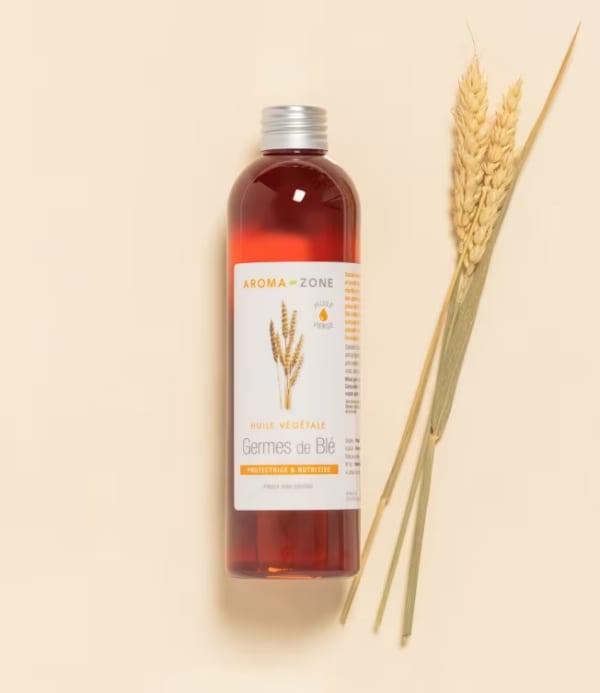
Wheat Germ Vegetable Oil
Regenerating, protective, and restorative, wheat germ vegetable oil restores the skin’s natural hydrolipidic film to address the issue of rough, flaky skin. It promotes the removal of dead skin cells and leaves the skin feeling soft and velvety.
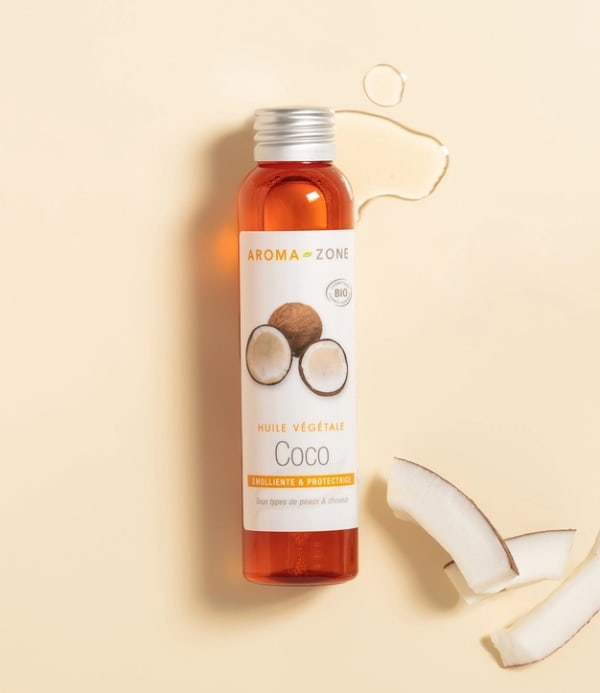
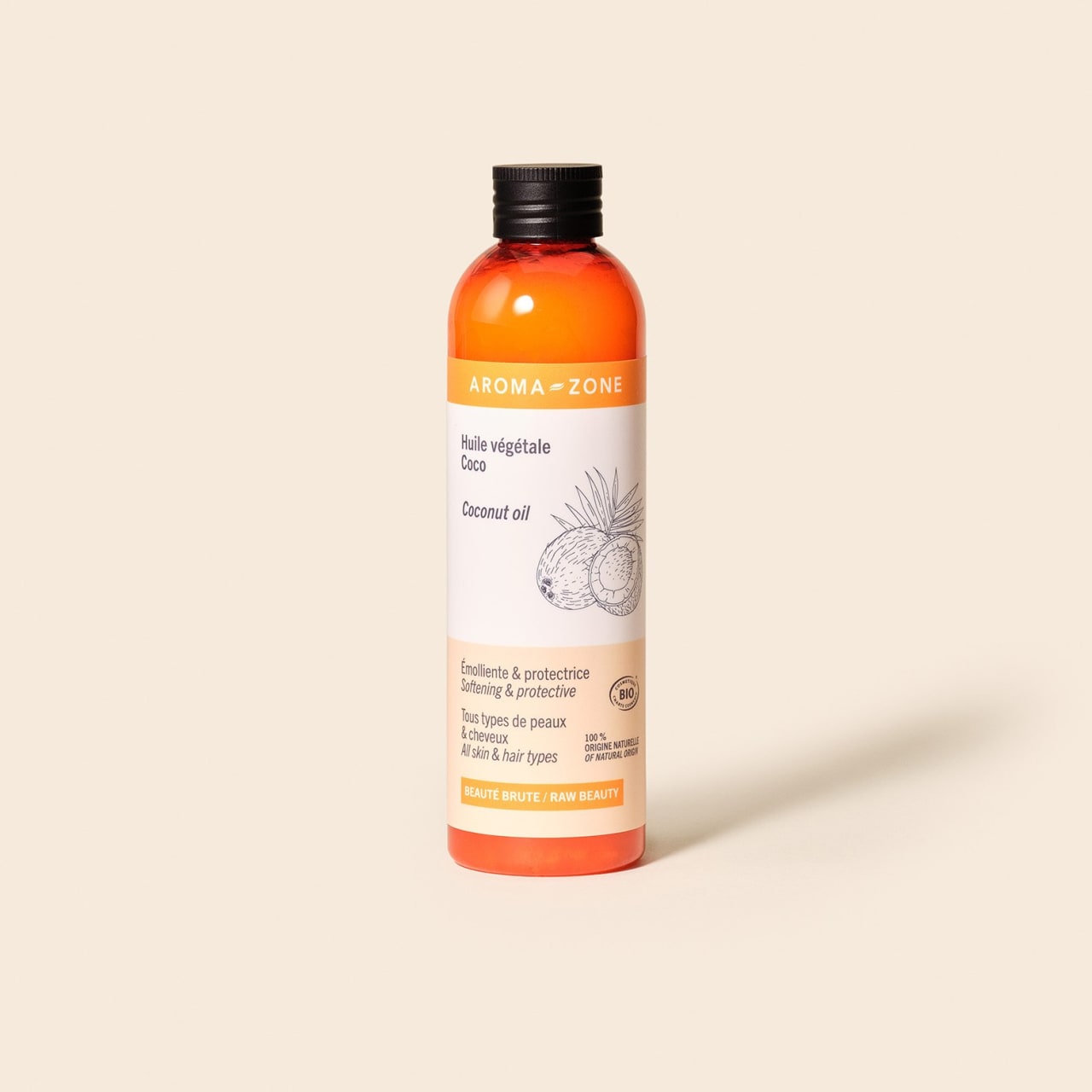
Organic Coconut Vegetable Oil
Highly nourishing, organic coconut oil provides the skin with the nutrients it needs to prevent the buildup of dead skin cells and the "crocodile skin" appearance on the surface. Soothing and softening, it reduces tightness and provides comfort to dry to very dry skin.
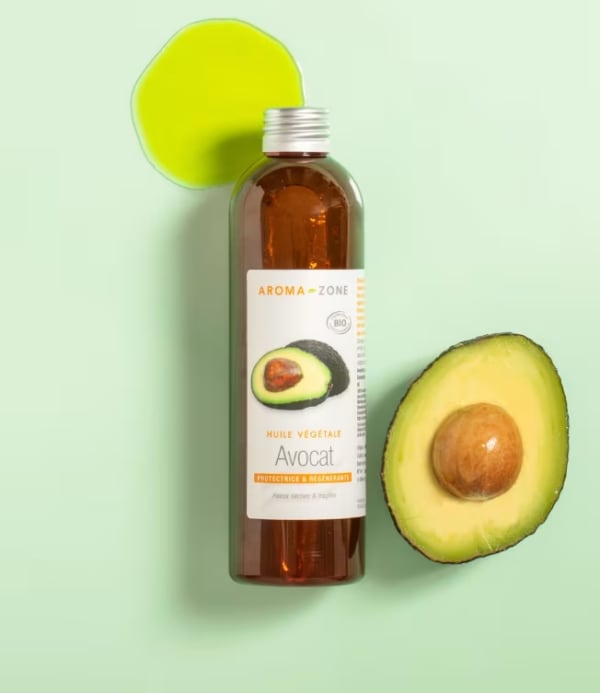
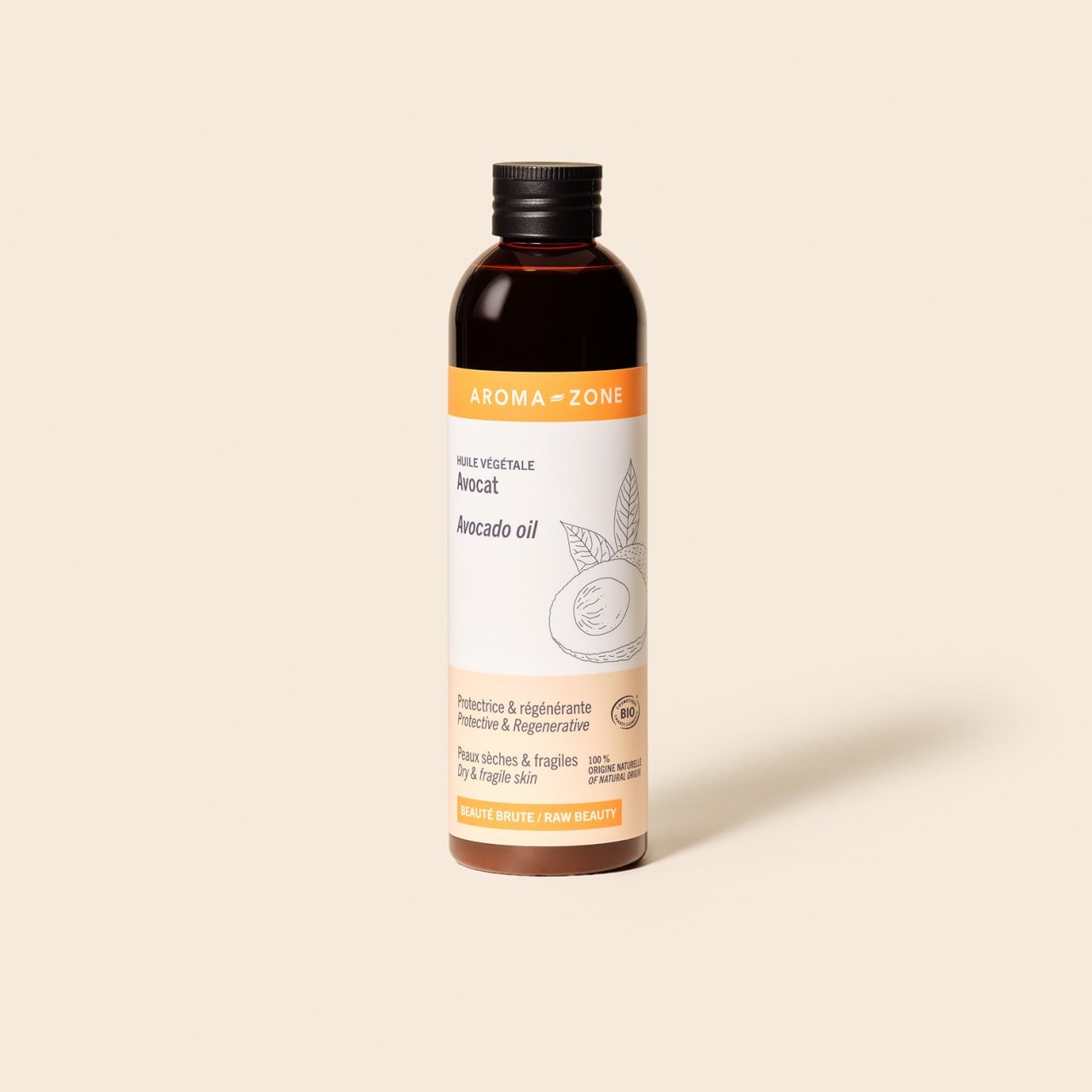
Organic Avocado Vegetable Oil
Very rich in nutrients, Avocado Vegetable Oil softens dry skin and smooths out "crocodile skin." With its regenerating properties, it restores the skin’s natural lipid barrier and protects against external aggressors that cause the skin to become grainy and rough.
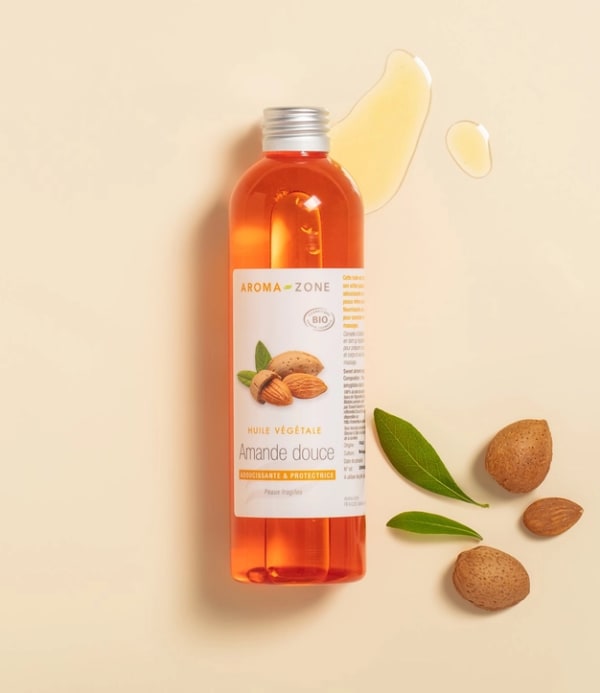
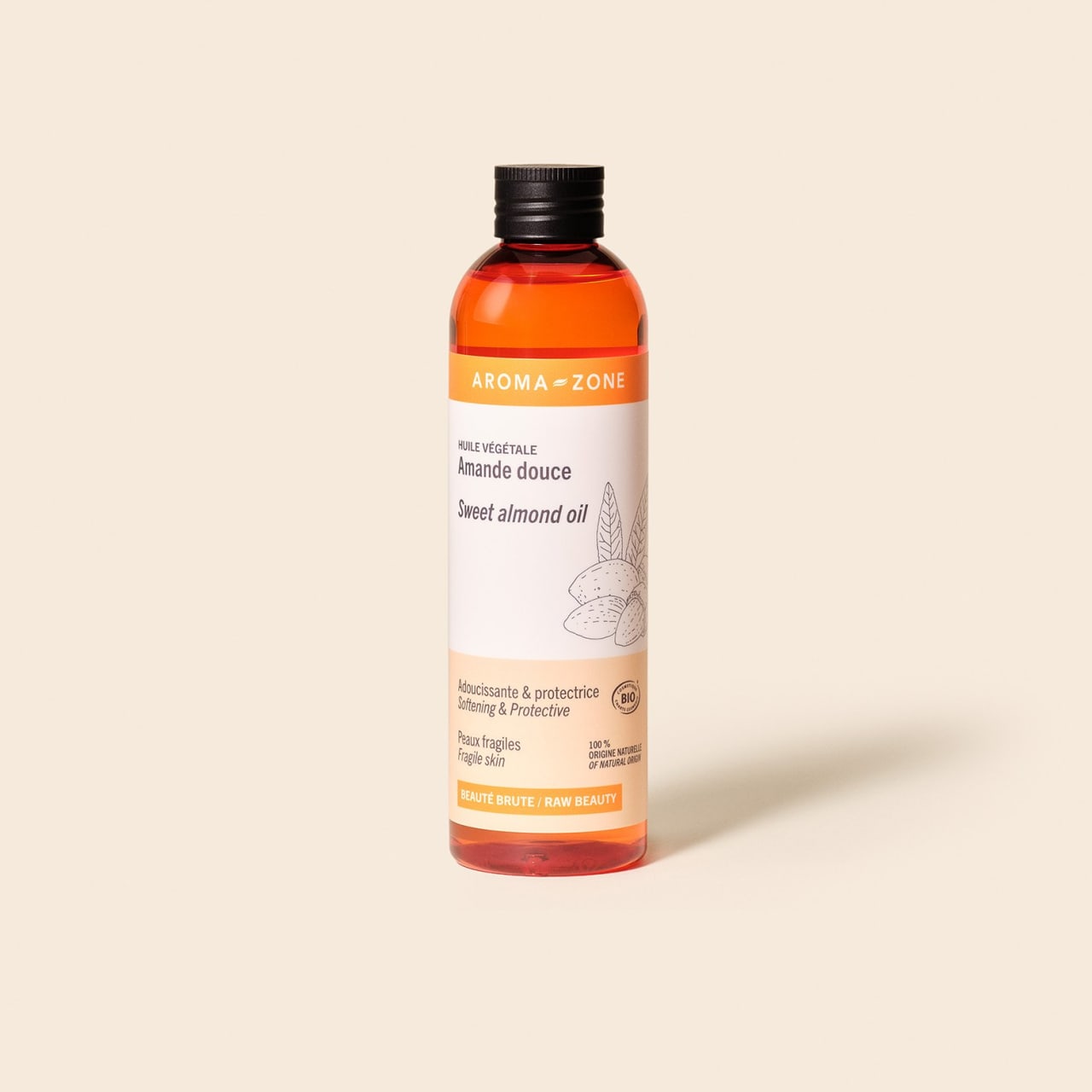
Organic Sweet Almond Vegetable Oil
Soothing, softening, and nourishing, this vegetable oil is ideal for delicate and dry skin. Very gentle, it is a pleasure to apply and leaves the skin with a velvety appearance and a soft feel.
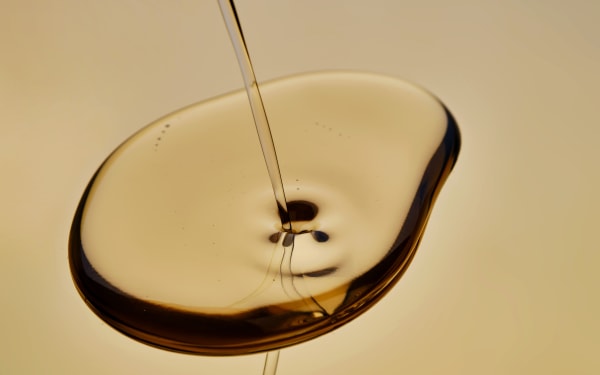
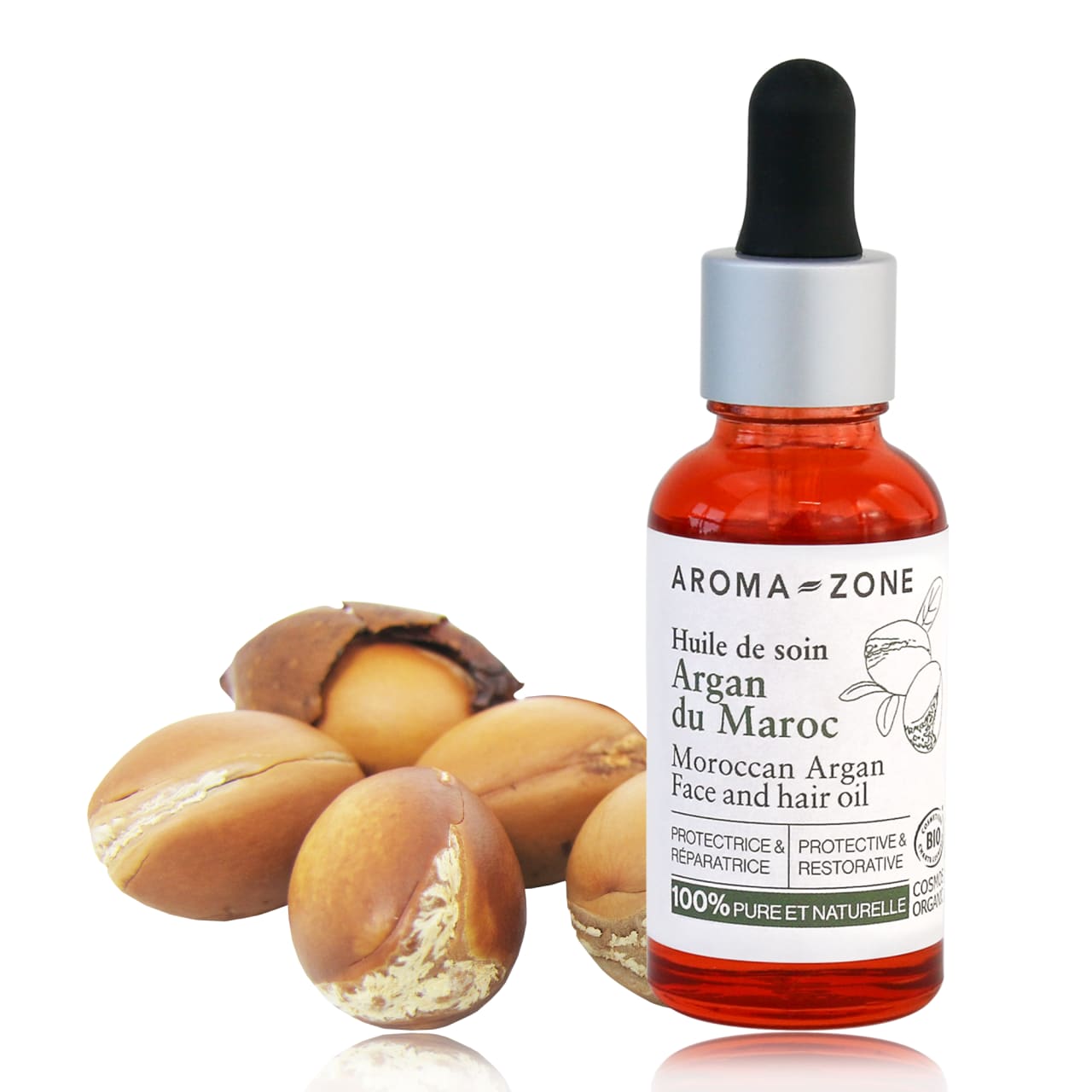
Organic Moroccan Argan Oil
Ultra-nourishing, this beauty oil is ideal for mature, dry, or devitalised skin. Rich in antioxidants, it helps maintain skin hydration and fights the effects of ageing.
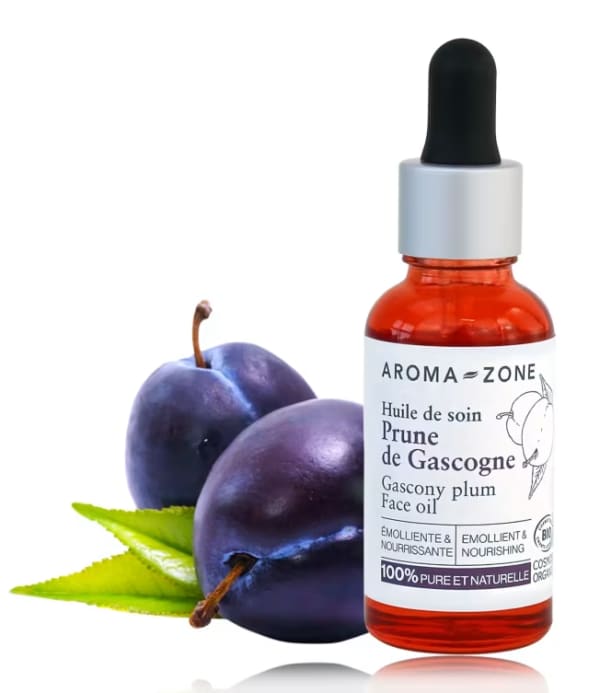
Organic Gascony Plum Skincare Oil
Extracted from Ente plum kernels, this virgin oil with a delicious scent is an ideal treatment for very dry and reactive skin. Rich in vitamin E and omega-9, its composition deeply nourishes the skin and protects it from dryness. Softened, the skin becomes more supple and regains its elasticity.
Our routine for rehydrating very dry skin
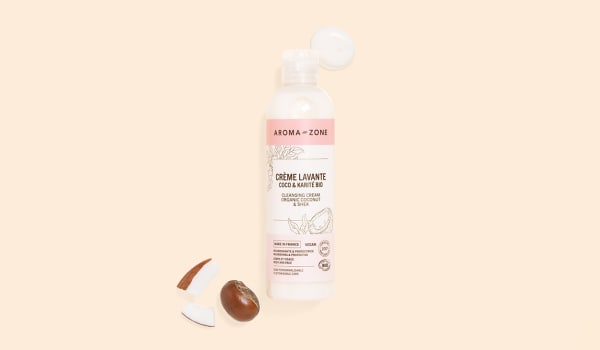
1. Prepare your skin with a gentle cleanse
Under a lukewarm shower—never too hot to avoid aggravating dryness—start by cleansing your skin with our Coconut & Shea Cleansing Cream, perfect for delicate, dry, and dehydrated skin. This cleanser will respect your skin barrier while providing an initial dose of nourishment.
2. Exfoliate with a gentle scrub
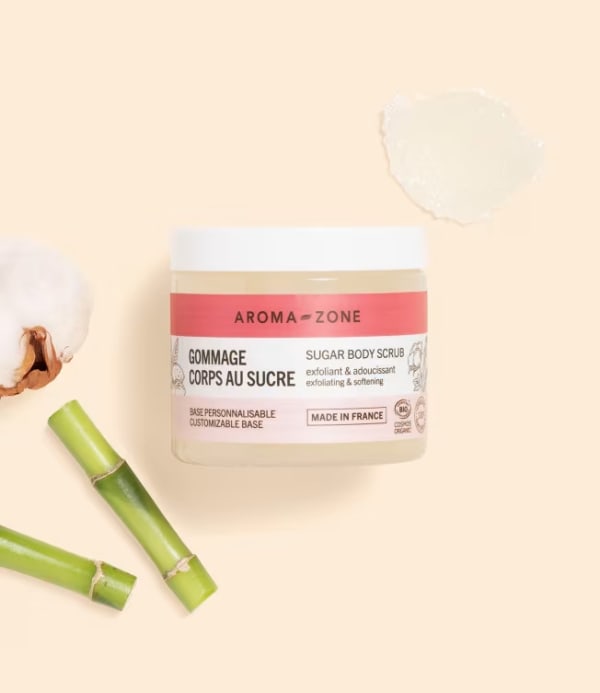
Once a week, exfoliate your clean skin with a gentle sugar-based scrub, using our Kessa Exfoliating Glove from Morocco, which is ideal for deeply exfoliating dead skin cells while stimulating blood circulation. This step removes dead skin cells, helps moisturisers absorb better, and restores your skin’s radiance and softness.
3. Moisturise your skin with a suitable plant-based oil
After showering, apply a plant-based oil to your slightly damp skin to maximise absorption. Opt for rich oils such as avocado oil, which is very rich in nutrients, providing essential lipids and strengthening the skin barrier while leaving a satin finish.
4. Boost hydration with a plant-based butter on targeted areas
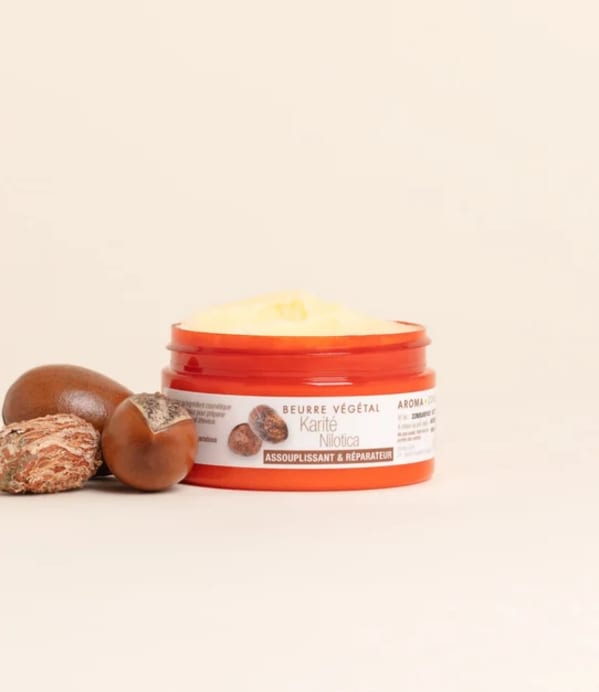
For particularly dry areas (elbows, knees, heels), apply a generous layer of Shea butter. Soft and creamy, rich in fatty acids and vitamins, it nourishes dry skin, rebalances dehydrated skin, and soothes tightness. Warm a small amount of the product between your hands to make it easier to apply.
Our recipes for very dry skin




Precautions for use
Tolerance test: Apply your homemade treatment to the inside of your elbow 48 hours before use to avoid any allergic reactions.
Right choice: Choose non-comedogenic oils to avoid clogging pores, especially on the face.
Storage: Store oils away from light and use them before their expiration date to prevent oxidation.
Photosensitivity: Avoid sun exposure without sunscreen after applying oils containing photosensitising substances.
Expert tip
Never underestimate the power of regular hydration for your skin and your health. I recommend drinking regularly throughout the day, even before you feel thirsty. Opt for water at room temperature or lukewarm, as ice-cold water can slow down digestion and nutrient absorption. For a boost, add a slice of lemon or a few mint leaves. If you struggle to drink enough, consider herbal teas or water-rich foods like cucumber or watermelon.
Spotlight on Our Writer: Louise Hourcade

After graduating from ESCP Business School in 2020, Louise began her career as a writer in 2021. Today, she writes a newsletter where she shares cultural recommendations and more personal articles, such as dating apps, therapy, and career guidance. She also writes for media outlets, brands and agencies on subjects such as well-being, mental health, culture, and society.
Bibliography
Lin, T. K., Zhong, L., & Santiago, J. L. (2018). "Anti-inflammatory and skin barrier repair effects of topical application of some plant oils."
International Journal of Molecular Sciences, 19(1), 70.
Bali, R., & Nayak, S. (2019). "Plant-based oils: A review of their potential in dermatology."
Clinical, Cosmetic and Investigational Dermatology, 12, 157-171.
Bose, B., & Agrawal, R. (2020). "Role of omega fatty acids from natural oils in maintaining skin hydration and integrity."
Journal of Dermatological Science, 98(3), 174-182.
Verdier-Sévrain, S., & Bonte, F. (2007). "Skin hydration: A review on its molecular mechanisms."

Frequently Asked Questions
Associated tips
Face care tips

Skin care tips


