Vitamin B12 and joint pain: What’s the link?
By Emilie Ondet
Published on: Tuesday, January 21, 2025, Updated on: Tuesday, November 03, 2026
Joint pain is common and usually caused by a combination of factors. One such cause is a vitamin B12 deficiency. Although little known, the link between vitamin B12 and joint pain has nevertheless been described in the scientific literature. We’ll tell you more in this article.
Contents
Related products
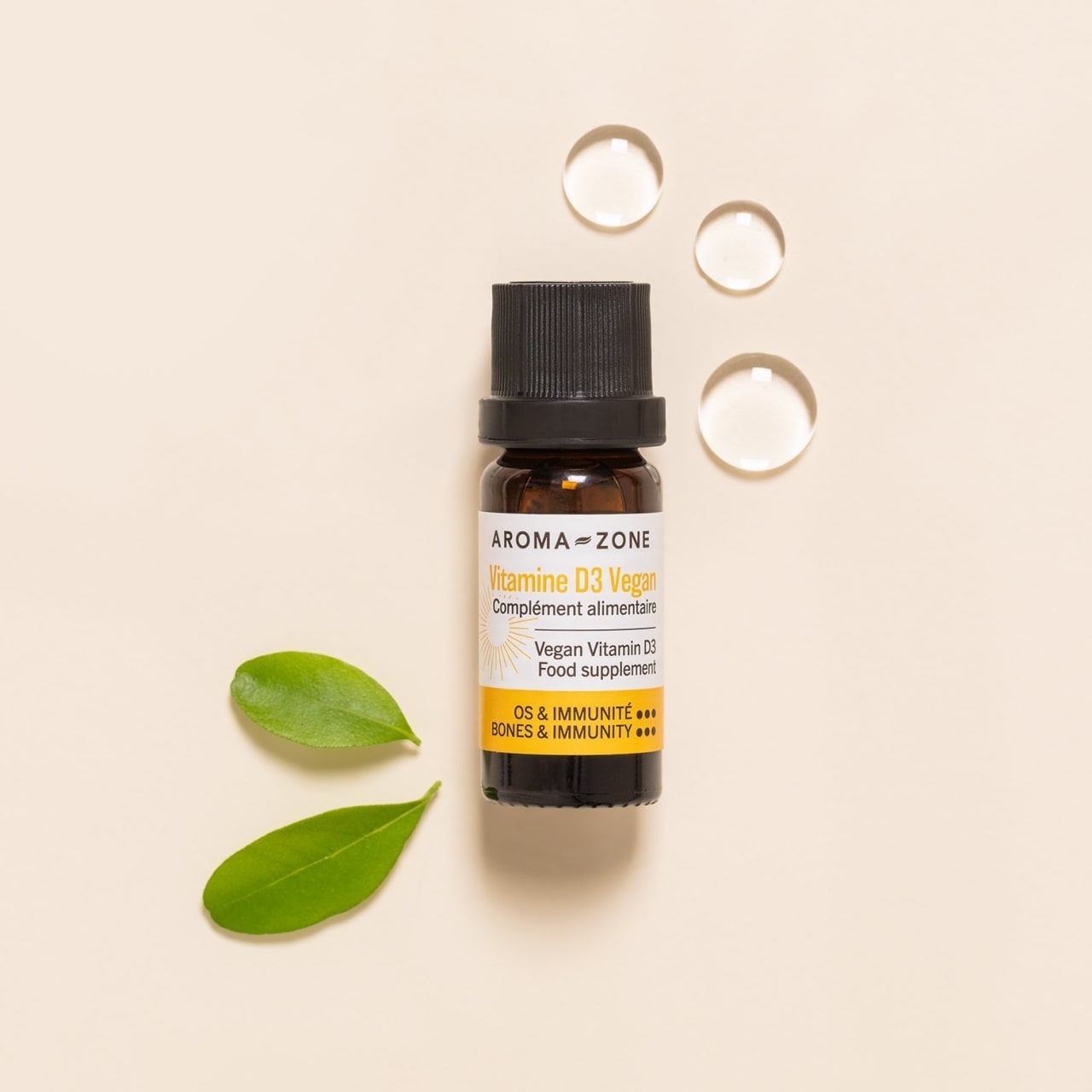
Natural defenses
Bone health
£10.00
10 ml
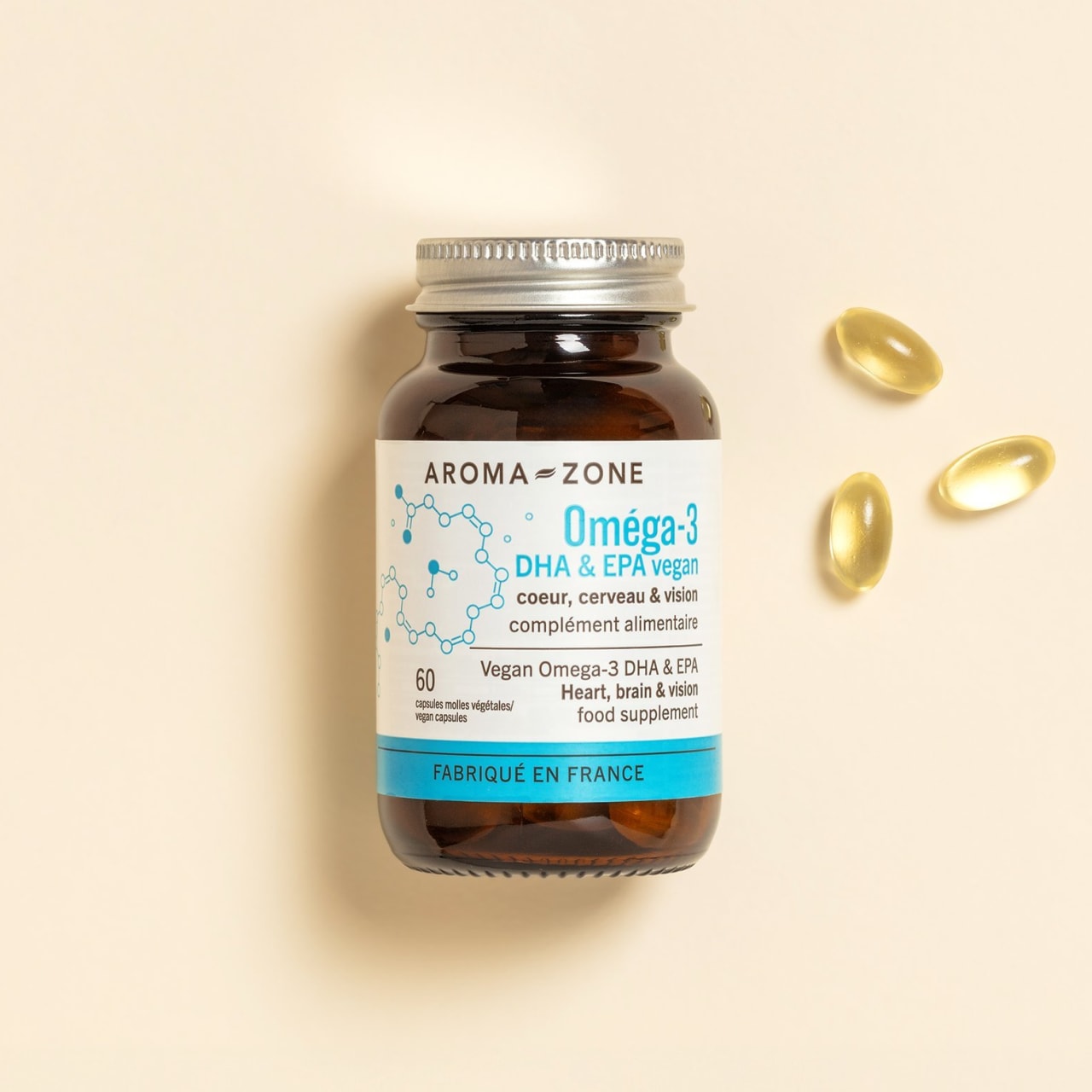
Heart
Vision
£20.00
article
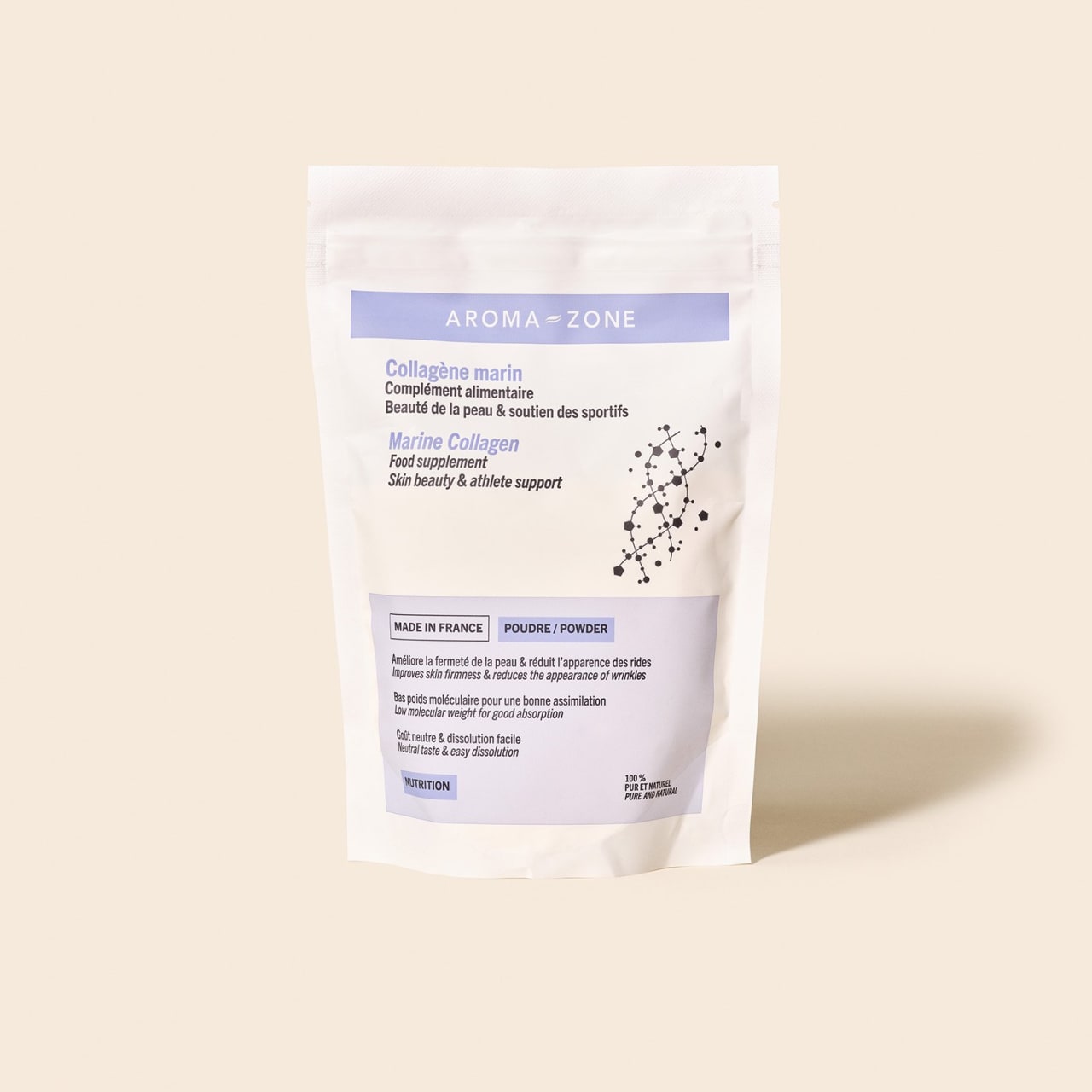
Firming
Sport
£22.00
250 g
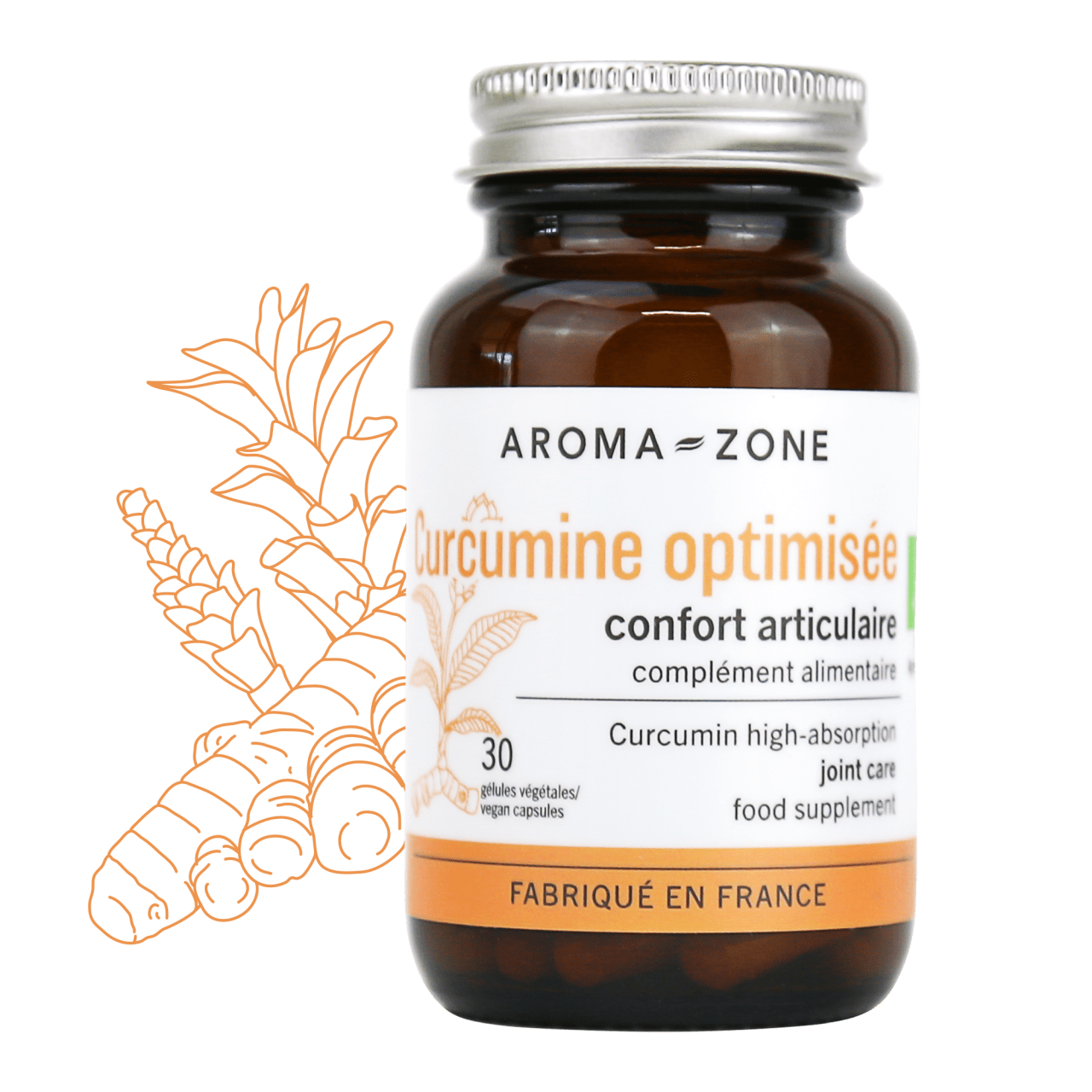
Joint comfort
£15.00
article
In brief
Vitamin B12, which is essential for nerve health and the production of red blood cells, is recognised for its role in overall vitality and in supporting muscle and joint function, particularly in people prone to fatigue or joint discomfort.
An assessment protocol makes it possible to link unexplained joint pain to a possible vitamin B12 deficiency, with clearly defined deficiency thresholds and appropriate supplementation guidelines; the article details how to adjust one’s intake and presents complementary natural solutions to optimise joint comfort.
The article highlights the risks of self-supplementation, particularly for people on medication or with malabsorption disorders, as well as the signs associated with other deficiencies, and encourages readers to consult the full article for personalised advice.





What lifestyle habits should you adopt to look after your joints?
Opt for an anti-inflammatory diet, rich in vitamin B12 and folate: An anti-inflammatory diet means less sugar, fewer stimulants (coffee, alcohol), fewer dairy products and more unprocessed foods. Make sure to include plenty of green vegetables for their high folate content, as well as fruit, nuts and oily fish for their omega-3 content – not forgetting animal-based foods for their high vitamin B12 content, of course. A bone broth once a week will also provide the collagen your joints need!
Get out in the daylight: it’s good for your mood and it’ll help your body produce its own vitamin D. It’s a win-win!
Get active : if you’re going out anyway, you might as well make the most of it by getting some exercise. Do some gardening, go for a walk, have a cycle… Exercise is essential for good joint health.
Stay hydrated : water plays a key role in keeping your joints hydrated and protecting the connective tissue of the cartilage. Drinking water also helps flush toxins from the body, which can help combat inflammation.
Manage your stress and sleep: reducing stress and prioritising restful sleep will help limit tissue inflammation. Meditating and practising breathing exercises will help you step back and take a breather, and promote better sleep.








Article Written by Emilie Ondet, Biochemistry Engineer

Emilie is a biochemistry and natural active ingredients engineer. Emilie is also a naturopath, nutrition adviser and writer specialising in health, nutrition and wellbeing. She has worked for over 10 years in the pharmaceutical industry and in scientific communication, which gives her a comprehensive understanding of health and enables her to discuss the subject with authority and clarity. Science is her foundation; words are her tools. She advocates a more preventative, more reasoned, more scientific and, of course, more natural approach to health!
Bibliography