Numb Legs: What Are the Natural Solutions?

Numb Legs: What Are the Natural Solutions?


By Louise Hourcade

Published on: Wednesday, April 30, 2025, Updated on: Friday, October 30, 2026

Have you ever woken up with a leg that's gone to sleep, or felt unexpected tingling after a long day sitting at your desk? These numb, tingly sensations are common, and rest assured, there are plenty of natural, gentle ways to find relief quickly. Let's take a look together at how to understand, ease, and prevent these everyday little discomforts, with simple, caring steps.

Contents

Related products

Numb Legs: What Are We Talking About?

While a sensation of stiff and swollen legs is characterised by a feeling of stiffness and tension in the legs, numbness is a sensation often described as a partial or temporary loss of sensation in the legs, frequently accompanied by tingling, heaviness, or a feeling of weakness. You may experience it after sitting for a long time, standing still, or sometimes even lying in bed. This sensation indicates a disruption in the transmission of nerve signals between your legs and your brain. It differs from simple, temporary tingling or more sharp, persistent pain. Occasional numbness is generally harmless. However, if it becomes frequent, chronic, or is accompanied by other symptoms (pain, marked weakness), it may indicate a circulatory, nervous, or mechanical disorder requiring consultation with a healthcare professional.

Taking the time to understand the cause of these symptoms allows you to adopt the right natural habits in your daily life and maintain your well-being over the long term.
What causes a sensation of numbness in the legs and thighs?

Various factors can explain the onset of numbness in the legs. Let’s explore the main causes together:

Lifestyle

Our daily habits can contribute to feelings of numbness:

  • Lack of physical activity: A sedentary lifestyle slows down blood circulation, contributing to the sensation of heavy and numb legs.

  • Excess weight: Excess weight puts additional pressure on the legs, hindering circulation.

  • Prolonged standing or sitting: Remaining immobile for long hours, whether at the office or in a car, can lead to venous stasis and tingling.

  • Intense physical exertion: After endurance sports, tired muscles may demand more oxygen, causing heaviness and numbness.

  • Pregnancy: Pressure from the uterus on the veins slows circulation and increases the risk of discomfort.

  • Age: As we age, vein tone naturally decreases, making the legs more sensitive.

  • Stress and anxiety: Generalised muscle tension related to stress can contribute to a feeling of heaviness or tingling in the legs.

Blood circulation issues

Poor blood circulation can reduce tissue oxygenation and lead to numbness:

  • Poor venous circulation: Contributes to heavy legs, swelling, and tingling sensations.

  • Arterial disorders: Can reduce blood flow to the legs, leading to a sensation of coldness and numbness.

  • Varicose veins: Impede the proper return of blood to the heart, which can cause heaviness and discomfort.

Illnesses and certain medications

Certain conditions can affect nerve health:

  • Inflammatory diseases: Such as lupus or other autoimmune conditions that can affect the peripheral nerves.

  • Infections: Certain infections (Lyme disease, shingles) can affect nerve transmission and cause numbness.

  • Medication side effects: Certain treatments can cause numbness.

What are the signs and symptoms of leg numbness?

  • A sensation of tingling or pins and needles

  • Feeling of "heavy legs" or loss of energy

  • Difficulty sensing touch or temperature

  • Feeling of muscle weakness in the legs

  • Diffuse pain or associated cramps

What natural solutions are there to relieve the symptoms of numb legs?

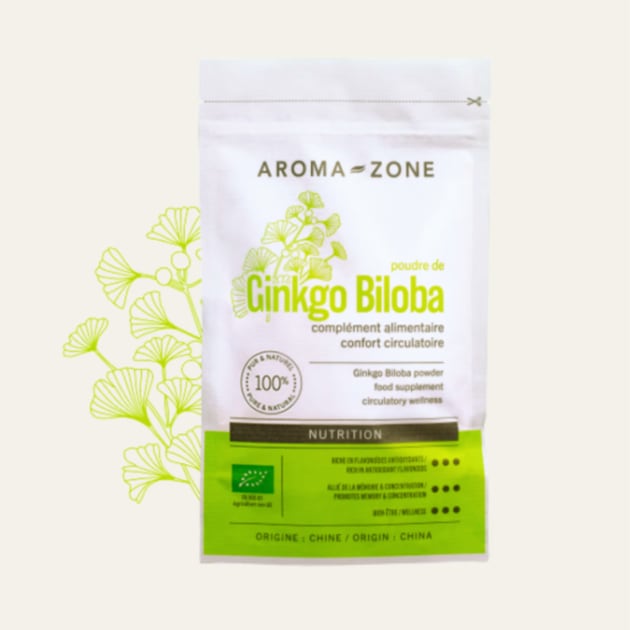
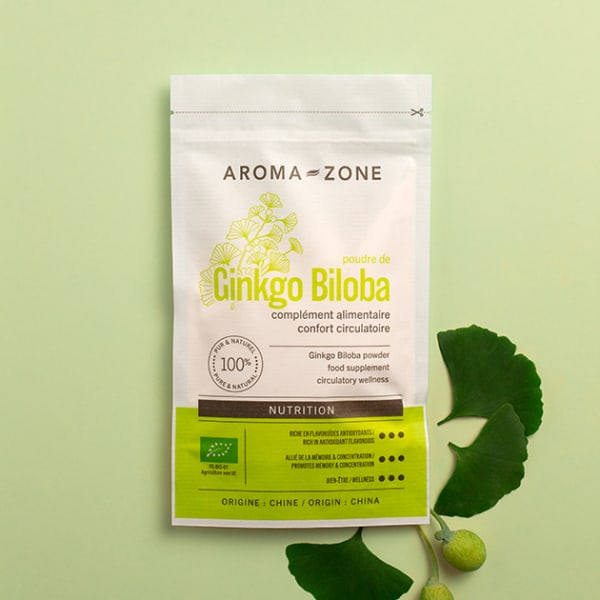
Organic Ginkgo biloba powder

Organic Ginkgo Biloba Powder

This 100% Natural Organic Ginkgo Biloba powder is ideal for use in herbal teas or beverages. Renowned for its exceptional ability to survive, Ginkgo biloba is rich in flavonoids known for their antioxidant and circulatory-toning properties. Traditionally used for its benefits on cognitive function, this dietary supplement helps maintain memory and contributes to good mental balance.

Discover Organic Ginkgo Biloba Powder

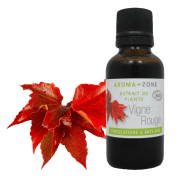
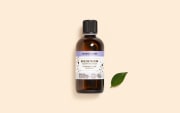
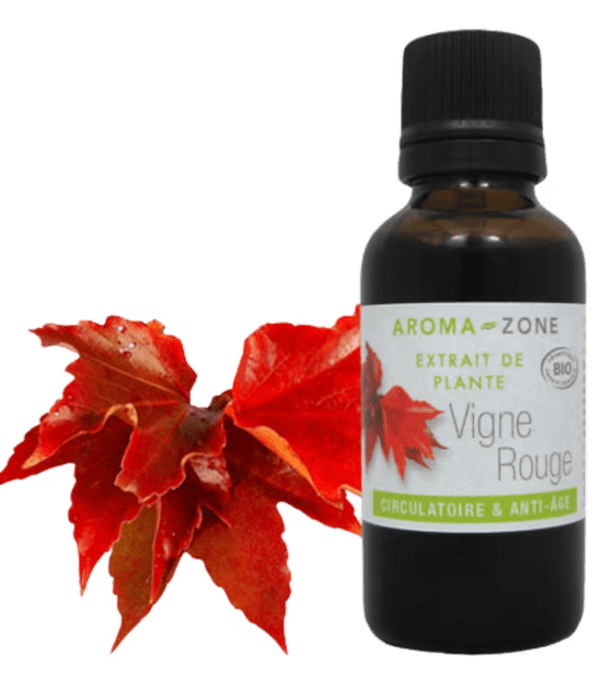
Organic Red Vine Extract

Organic Red Vine Extract

Traditionally known for its benefits for circulatory health, red vine contains procyanidic oligomers and resveratrol, which provide an effective antioxidant action to combat the signs of skin ageing. This extract is therefore ideal as an active ingredient for formulating treatments for numb legs.

Discover Organic Red Vine Extract

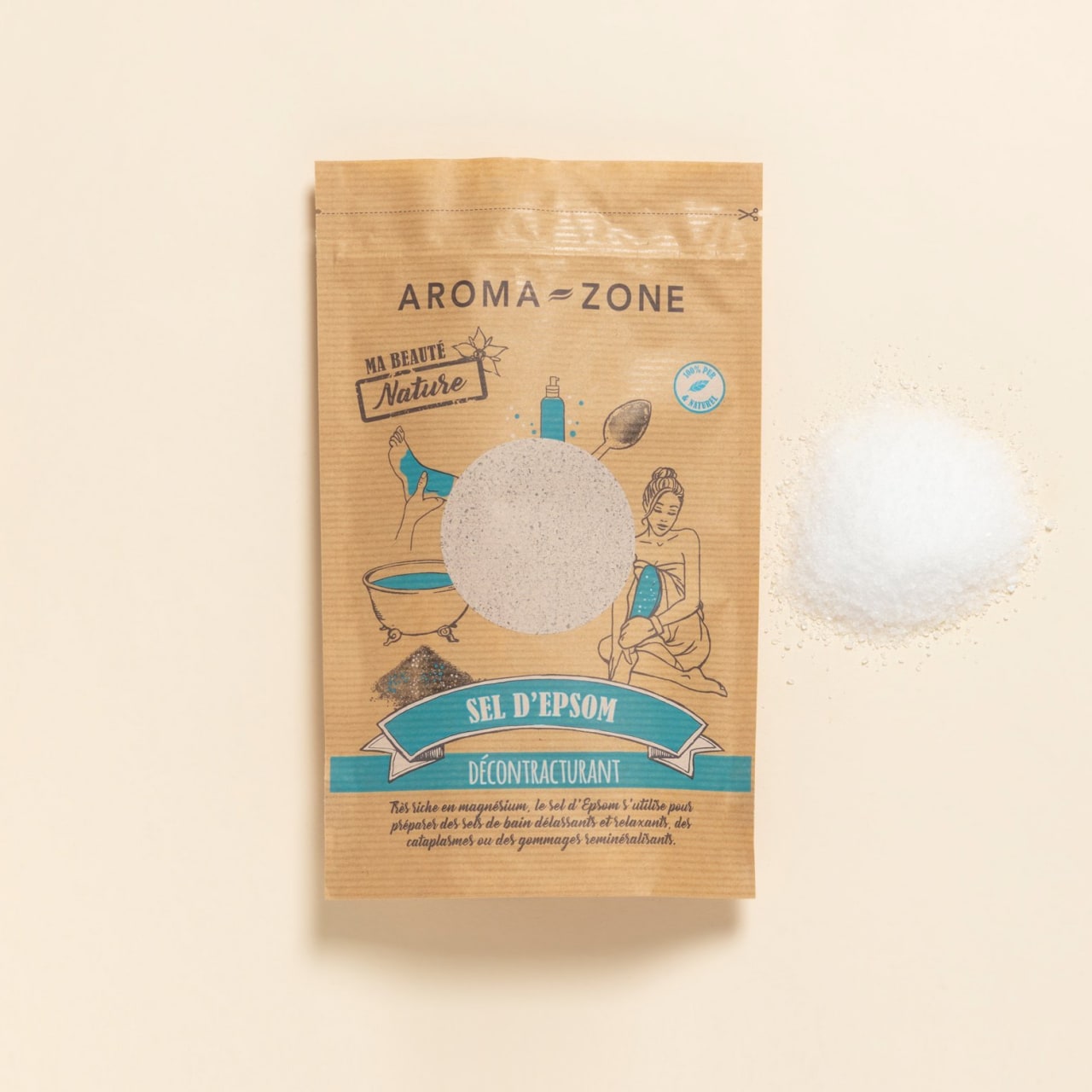
Epsom salt

Epsom Salt

Epsom salt, or magnesium sulfate, is highly valued in spas and beauty salons for its high content of bioavailable magnesium, known for its relaxing effects. It is used to prepare bath salts, lotions, or remineralising scrubs.

Discover our Epsom Salt

Organic Peppermint Hydrosol

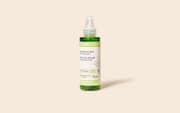
Known for its invigorating and refreshing effect, this natural hydrosol helps relieve the sensation of numb legs. Sprayed on after a cool bath or a massage, it stimulates circulation and provides immediate relief.

Organic Peppermint Hydrosol

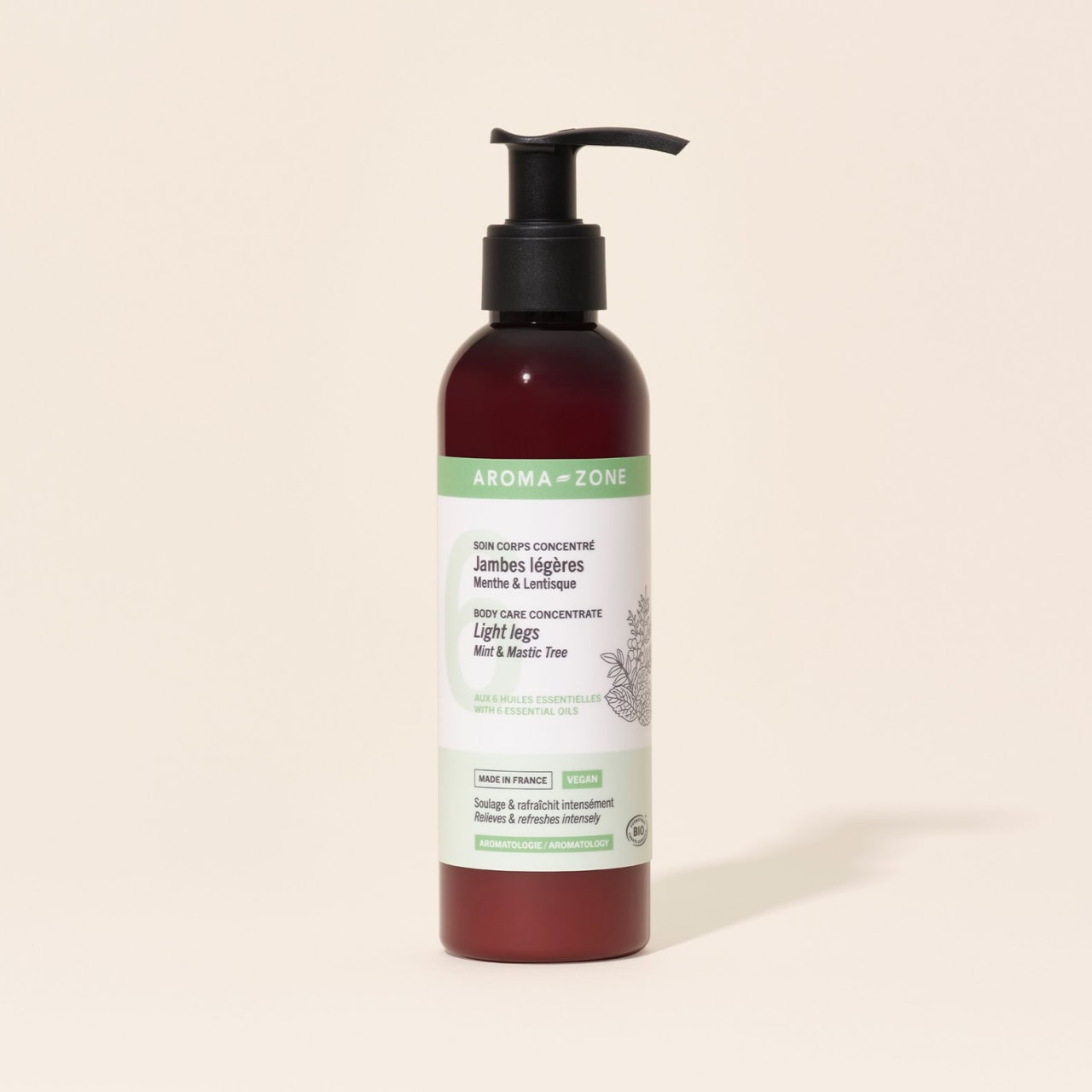
Light Legs Care Gel

Light Legs Care Gel

This cream gel is a concentrate of natural active ingredients combining essential oils of mastic, Provençal cypress, and peppermint, renowned for their toning, decongesting, and refreshing properties. Its melt-in, penetrating texture, combined with this synergy of essential oils, makes it an ideal ally for a relaxing massage. A true ally for freshness and light legs!

Discover our Light Legs Care Gel

Preventing tingling in the legs and feet on a daily basis

Adopting a few simple daily habits is essential for limiting the onset of numbness and keeping your legs in top shape:

  1. Mind your posture: Whether you’re sitting, standing, or moving around, make sure to align your back and legs. Good posture supports blood circulation, maintains nerve function, and reduces discomfort. Use a small lumbar cushion or adjust your workstation if needed—every detail matters.

  2. Move regularly: Focus on physical activity! Gentle walking, swimming, or a few minutes of yoga every day are your best allies. Even short sessions stimulate blood and lymphatic circulation, strengthen your muscle tone, and naturally prevent numb legs.

  3. Take active breaks: If you have a sedentary job, stand up every hour. Take a few steps, stretch your legs, or do some simple ankle flexions. These simple actions reactivate microcirculation and prevent blood stagnation, which causes tingling.

  4. Eat a balanced diet: Choose fruits, fresh vegetables, and nuts, and make sure to stay hydrated regularly. Limit alcohol and tobacco, which impair vascular health. Adequate intake of B vitamins, magnesium, and antioxidants also helps support your nervous and circulatory systems on a daily basis.

  5. Stretch daily: A few morning and evening exercises, such as stretching your calves, quadriceps, or hamstrings, promote better venous return. They also help loosen up the muscles, prevent joint stiffness, and improve tissue oxygenation.

  6. Managing stress: Taking the time to breathe deeply, meditate, practice relaxation, heart coherence, or listen to relaxing music helps relax your muscles, improve circulation, and reduce the frequency of heavy or numb legs.

Taking care of your legs every day also means taking care of your overall well-being. These simple yet powerful steps are your best allies for keeping your legs light, full of energy, and naturally vibrant.

Our remedies for tingling

Precautions for use

  • Avoid applying any active ingredients without first performing a skin test.

  • Do not massage if you have a known case of phlebitis.

  • Monitor the progression of symptoms and consult a healthcare professional if they persist or worsen.

Expert Tip

As soon as I feel a tingling sensation in my legs, or if they feel numb, I take five minutes to gently stretch and massage them in circular motions with Organic Red Vine Extract, starting from the ankles and working up toward the thighs. This simple step boosts circulation and provides an immediate feeling of lightness. It's a little ritual I adopt at the first sign of discomfort to keep my legs toned and relaxed every day.

Spotlight on Our Writer: Louise Hourcade

After graduating from ESCP Business School in 2020, Louise began her career as a writer in 2021. Today, she writes a newsletter where she shares cultural recommendations and more personal articles, such as dating apps, therapy, and career guidance. She also writes for media outlets, brands and agencies on subjects such as well-being, mental health, culture, and society.

Bibliography

  1. Ahn, S., Kim, J., "Pathophysiology and Management of Paresthesia," Journal of Clinical Neurology, 2017.

  2. Zambelis, T., et al., "Peripheral Neuropathy and Diabetes," Diabetes Research and Clinical Practice, 2020.

  3. Davies, R., "Vascular Health and Exercise," The Lancet Vascular Medicine, 2021.

  4. Maheu, E., "Neurological Disorders and Paresthesia," Clinical Neurology Journal, 2022.

Frequently Asked Questions

Frequently Asked Questions