
Tooth enamel covers the visible surface of the teeth. Highly mineralized, it allows them to withstand the mechanical stresses of chewing and the damage caused by the acidity of foods and beverages. Its condition directly affects the appearance of the teeth: when it is smooth and intact, it reflects light better and gives the smile a brighter appearance. Over time, enamel can wear down or become brittle due to certain foods, overly abrasive brushing, or poor oral hygiene. It does not regenerate. Hence the importance of preserving its integrity to maintain the strength and natural appearance of the teeth.

How can you naturally whiten your teeth?
By The Aroma-Zone editorial team
Published on: Monday, August 01, 2022, Updated on: Wednesday, October 21, 2026
There’s nothing like natural solutions for keeping your teeth sparkling every day. Tartar, dental plaque, stains, or yellowing: certain ingredients can help improve the appearance of your teeth. Baking soda, activated charcoal, coconut oil, and essential oils like lemon and tea tree all contribute to a healthier mouth while restoring your teeth’s natural whiteness. Discover our homemade recipes to adopt a natural, effective, and effective oral hygiene routine.
Contents
Related products
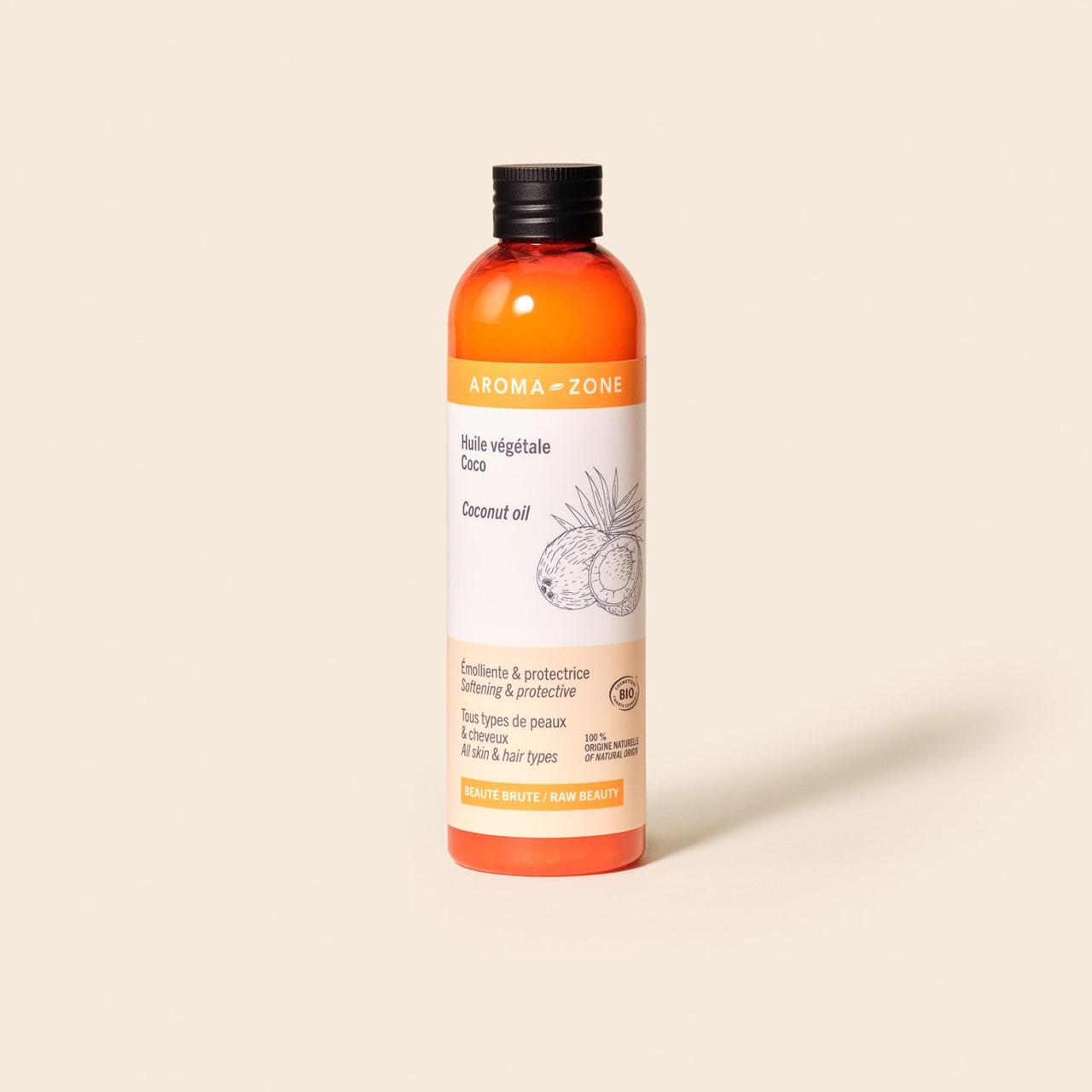
Organic Coconut Oil
Nourishing
Protective
£8.00
250 ml
3 options
What is tooth enamel?
What is the natural color of teeth?
The natural color of teeth varies from person to person and depends on various factors such as genetics, age, and oral health. Generally speaking, natural teeth have a slightly yellowish to grayish tint. This color is determined by the composition of enamel, the protective outer layer of the teeth, as well as by the color of dentin, the layer beneath the enamel. Although the natural color of teeth can vary, healthy teeth tend to have a uniform and bright shade.
How can you naturally whiten your teeth?
Teeth whiteness is closely linked to oral hygiene habits and the products used. Certain practices, when done correctly, can help limit stains, reduce plaque, and preserve the natural appearance of your teeth without weakening the enamel.
Everyday tips and tricks
Enhancing the appearance of your smile : Makeup can influence how white your teeth appear. An even, luminous complexion helps avoid visually emphasizing yellowing, while very dark lipsticks tend to accentuate tooth discoloration.
Practice oil pulling : originating from Ayurvedic tradition, oil pulling involves swishing a teaspoon of vegetable oil around in the mouth for a few minutes. This practice complements brushing by helping to remove certain residues and limit plaque buildup.
Follow up brushing with mouthwash: Used after brushing, mouthwash helps remove any remaining impurities and prevents them from settling on the surface of the teeth.
Use dental floss: essential for reaching areas inaccessible to a toothbrush, dental floss helps remove food particles that can promote plaque and tartar buildup.
Pay attention to your diet : biting into an apple naturally stimulates saliva production, which helps clean the mouth between meals. Green tea, consumed without sugar, can also contribute to oral health thanks to its natural compounds.
Our natural ingredients and active ingredients for whiter teeth
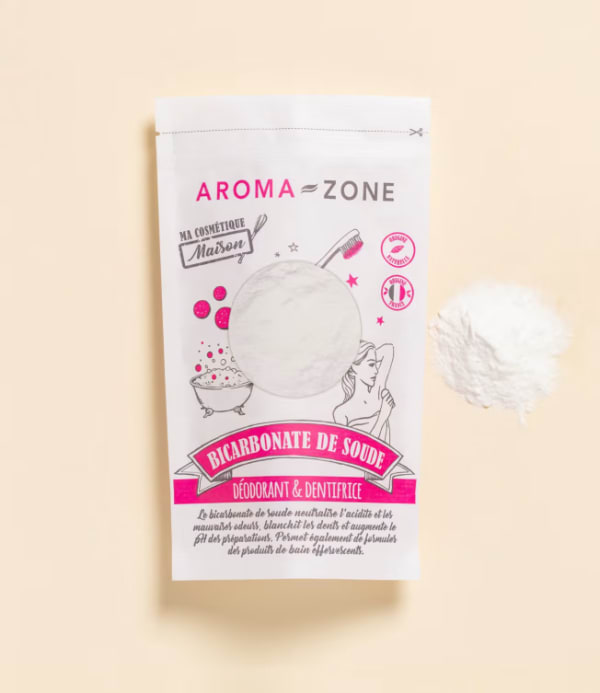
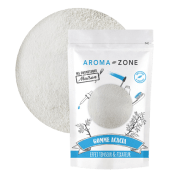
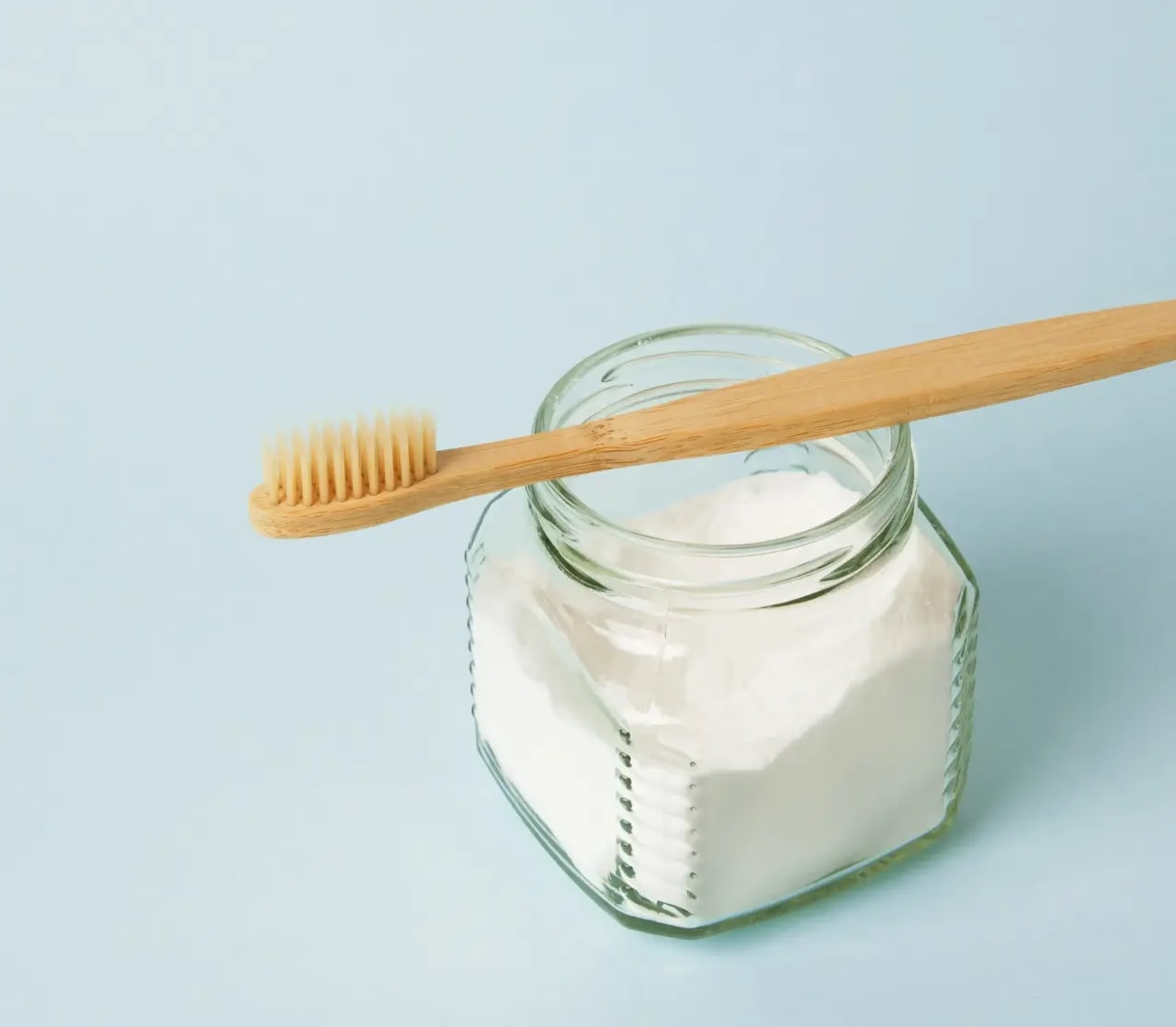
Baking Soda (sodium bicarbonate): Used sparingly, baking soda is valued for its mildly abrasive effect. It helps remove surface stains and smooth the surface of the teeth, contributing to a more uniform appearance without damaging the enamel when used in the right amount.
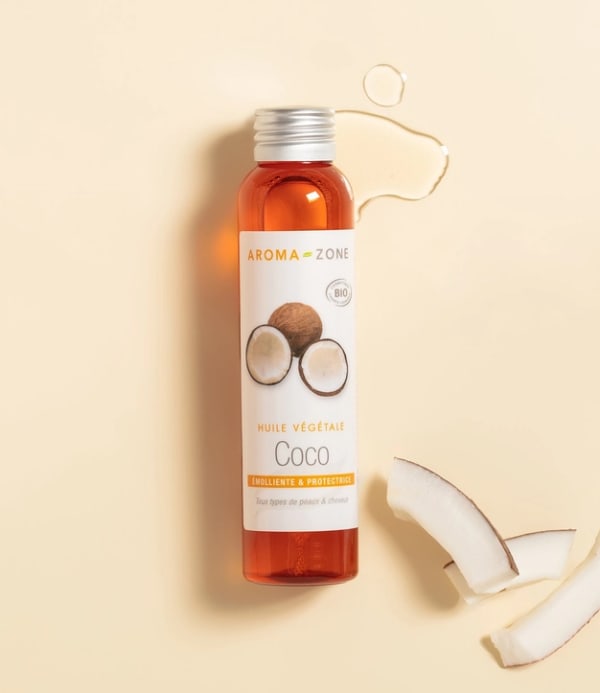
Organic Coconut Oil: Rich in lauric acid, coconut oil is known for its purifying properties. Used for oil pulling or incorporated into dental care, it helps limit the buildup of plaque, which is often the cause of yellowing teeth.

France BIO Activated Vegetable Charcoal: With its strong absorbent power, activated vegetable charcoal captures certain impurities responsible for tooth discoloration. Using it occasionally helps clean the surface of your teeth and brighten a dull smile.

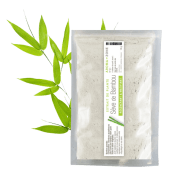
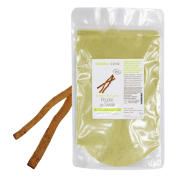
Organic Siwak Powder: Traditionally used for oral hygiene, Siwak gently cleans teeth thanks to its plant fibers. It helps reduce plaque and improve the appearance of teeth without excessive abrasion.
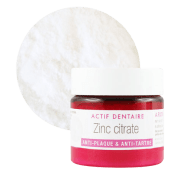
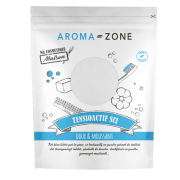
Active Ingredient: Zinc Citrate: Often included in dental care products, zinc citrate helps slow the formation of plaque and tartar. By limiting these deposits, it indirectly helps preserve the brightness and natural appearance of teeth.
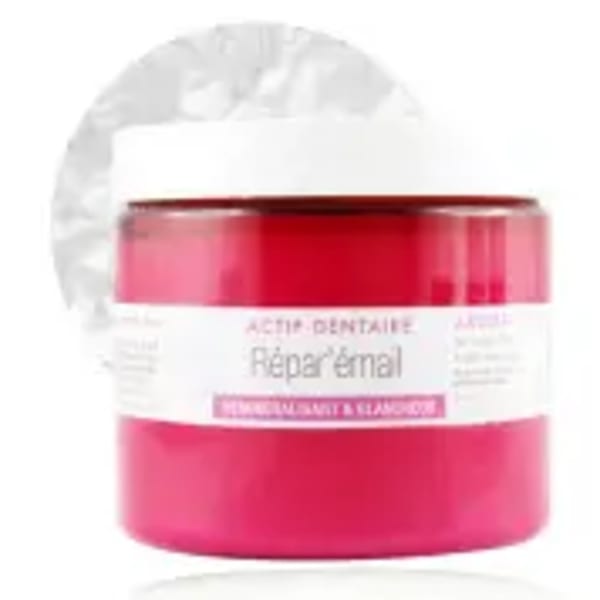
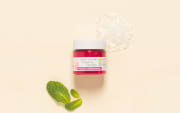
Enamel Repair Active: A source of calcium and phosphate—major components of enamel—this active ingredient is designed to support remineralization and smooth the tooth surface. More uniform enamel reflects light better, which visually enhances the brightness of your smile.
Discover the Enamel Repair Active
Our homemade recipes for whiter teeth



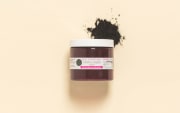
Precautions for use
Ingredients used for oral hygiene must be suitable for dental use and properly measured. Slightly abrasive powders, such as baking soda or activated charcoal, should be used only occasionally to avoid weakening the enamel. Overuse or brushing too hard can damage the tooth surface and increase tooth sensitivity. If you have weakened enamel, sensitive gums, or oral health issues, it is best to consult a healthcare professional before changing your routine.
Expert Tip
The brightness of your teeth depends primarily on the condition of your enamel. Weakened enamel retains more pigments and makes teeth look duller. It is therefore best to limit the repeated use of abrasive products and opt for gentle brushing, while taking daily diet into account. Over time, these good habits help preserve the appearance of your teeth.
Bibliography
Gasmi Benahmed, A., Gasmi, A., Menzel, A., Hrynovets, I., Chirumbolo, S., Shanaida, M., Lysiuk, R., Shanaida, Y., Dadar, M., & Bjørklund, G. (2022), A review on natural teeth whitening, Journal of Oral Biosciences
DOI: 10.1016/j.job.2021.12.002
Joiner, A. (2004), Tooth color: A review of the literature, Journal of Dentistry
DOI: 10.1016/j.jdent.2003.10.013
Zope, S. A., Suragimath, G., & Kale, V. (2017), Effect of coconut oil pulling on plaque-induced gingivitis: A prospective clinical study, International Journal of Green Pharmacy
DOI:10.22377/ijgp.v11i04.1355
Zhou, Y., Zhou, Y., Liao, B., Chen, X., Niu, Y., & Ren, B. (2024), Effects of toothpaste containing 2% zinc citrate on gingival health and three related bacteria – a randomized double-blind study, Clinical and Experimental Dental Research
DOI: 10.1002/cre2.70020
Parkinson, C. R., Butler, A., & Ling, M. R. (2023), Antigingivitis efficacy of a sodium bicarbonate toothpaste: Pooled analysis, International Journal of Dental Hygiene
DOI: 10.1111/idh.12626
Frequently Asked Questions
Associated tips
Oral care tips

Oral care tips

Hair care tips

Oral care tips

Nutrients, Vitamins, Minerals & Antioxidants

Oral care tips


