
Gum inflammation: Causes and symptoms?

Gum inflammation, also known as gingivitis, is a common oral health concern that is often underestimated in its early stages. It typically appears as red, tender, or bleeding gums, especially during brushing or flossing. Although it is generally reversible when addressed promptly, persistent inflammation can gradually weaken gum tissue and affect overall oral health. In this article, discover what gum inflammation really is, its most common causes, the key warning signs to look out for, as well as natural solutions and a suitable routine to help maintain healthy gums in the long term.

Reading time: 0 min.

Summary

  • Gum inflammation, also known as gingivitis, is characterised by red, swollen, and sometimes painful gums. It is primarily caused by the build-up of bacterial plaque and can be worsened by factors such as stress, smoking, or certain nutritional deficiencies.

  • This article offers a detailed overview of the symptoms to watch for, along with practical guidance on how to relieve inflammation naturally. It outlines appropriate oral hygiene measures, suitable mouthwashes, and plant-based active ingredients that can be incorporated into your daily oral care routine.

  • You will also find advice on when to seek medical attention — particularly if symptoms persist — as well as the precautions to take to prevent worsening or recurrence, ensuring comprehensive and safe management of gum health.

What is gum inflammation?

Gum inflammation, also known as gingivitis, is characterised by swelling, redness and bleeding of the gums, particularly when brushing your teeth. It affects around one third of the French population. Of infectious origin, it is generally caused by the build-up of dental plaque, a sticky film composed of bacteria, food debris and saliva. If not removed through regular brushing, this plaque can harden into tartar, further aggravating inflammation of the gum tissue.

Often painless in its early stages, gingivitis can worsen if not addressed promptly. If left untreated, it may progress to periodontitis, a more severe condition affecting the tissues that support the teeth. Over time, this can lead to gum recession and loosening of the teeth. Unlike gingivitis, periodontitis does not resolve without professional dental care.


What are the possible causes?

Several factors can contribute to inflammation in this area:

Plaque build-up: The main cause of gingivitis is poor oral hygiene, which can lead to bacterial growth.

Tartar: When dental plaque is not removed, it mineralises to form tartar, which can further irritate the gums.

Hormonal changes: Pregnancy, puberty, and menopause can make the gums more sensitive and reactive to bacteria.

Tobacco: Smoking impairs gum microcirculation, promotes the accumulation of bacteria, and weakens the body's natural defence mechanisms.

Certain nutritional deficiencies: Insufficient intake of vitamins, particularly vitamin C, can weaken the gums and promote inflammation.

Certain chronic conditions: Certain disorders, such as diabetes or autoimmune diseases, can increase the risk of gum inflammation

Taking certain medications: Certain medicines, such as anti-epileptics or immunosuppressants, can cause gum swelling.

Chronic stress: Chronic stress weakens the immune system, making the gums more vulnerable to infection.

Poorly fitting dental appliances: Poorly fitting orthodontic devices or dentures can irritate the gums and facilitate plaque buildup.

What symptoms should raise concern?

Gum inflammation can manifest itself in various signs:

  • Red, swollen, or sensitive gums: local inflammation that results in a visible change in the colour and volume of the gums, sometimes accompanied by tenderness to the touch

  • Bleeding when brushing or flossing: a common sign of gum irritation, even when hygiene practices are gentle and appropriate

  • Persistent bad breath: halitosis linked to bacterial proliferation in dental plaque or gum pockets

  • Increased sensitivity to hot, cold, or certain foods: a heightened reaction of the teeth and gums to temperature changes or acidic, sweet, or spicy foods

  • Gum recession: the gums appear to gradually recede, exposing more of the base of the teeth and increasing their sensitivity

  • Local discomfort or mild pain: diffuse or occasional discomfort, often moderate, but indicative of an established inflammatory imbalance

  • The appearance of pockets between the teeth and gums: spaces in which bacteria can accumulate, helping to sustain inflammation if left unaddressed

  • A change in the appearance of the gums: a smoother or shinier surface, contrasting with the usual slightly grainy appearance of healthy gums

What natural solutions can help relieve symptoms?

Certain natural remedies can help soothe gum tissue, limit bacterial growth, and support good oral hygiene, in addition to proper brushing.

Our tailored natural solutions

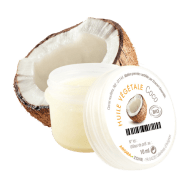
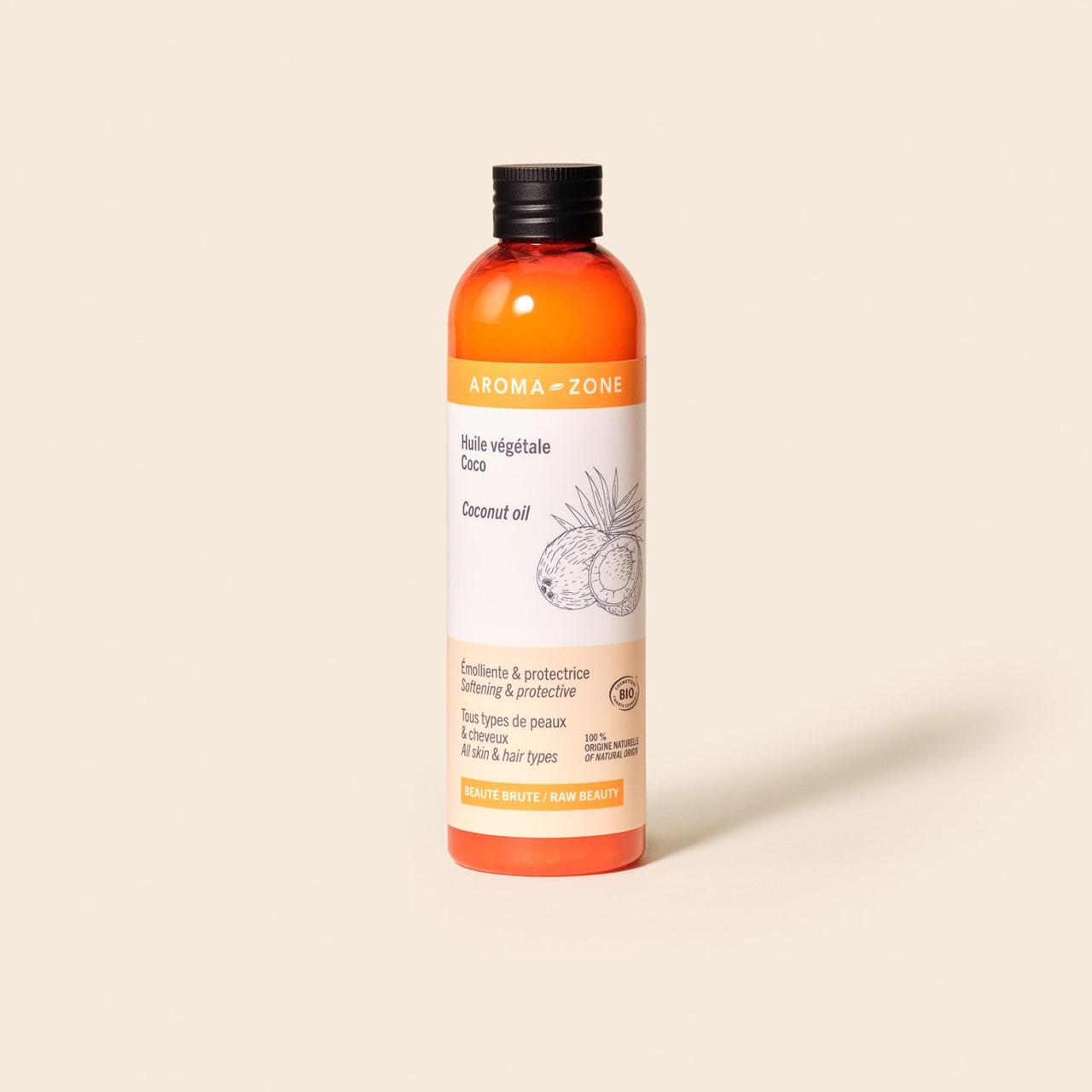
Coconut oil

Coconut oil has antibacterial and soothing properties. When used in oral care, it helps reduce plaque and combat bad breath thanks to its fatty acids, particularly lauric acid. When used as a mouthwash (oil pulling), it helps purify the oral cavity while being gentle on the gums. Swish a tablespoon of coconut oil around your mouth for 10 minutes, then spit it out and rinse thoroughly. For massages, apply gently to the gums to moisturize and soothe sensitive areas.

Discover Coconut Vegetable Oil

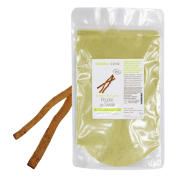
Organic Siwak powder

This powder, made from the Siwak stick traditionally used in Africa and India, is an excellent oral cleanser. It gently cleans teeth and helps remove plaque, while protecting and soothing the gums. It also helps whiten teeth naturally. Mix Siwak powder with water to create a paste that you can apply to a toothbrush or use to make a mouthwash. You can also incorporate it into your homemade toothpaste.

Discover Organic Siwak Powder

The soft bamboo toothbrush

An eco-friendly alternative to plastic, the bamboo toothbrush is gentle on the gums thanks to its soft bristles. Use it like a conventional toothbrush, moistening it before each use. Use gentle circular motions without pressing down.

Discover The soft bamboo toothbrush

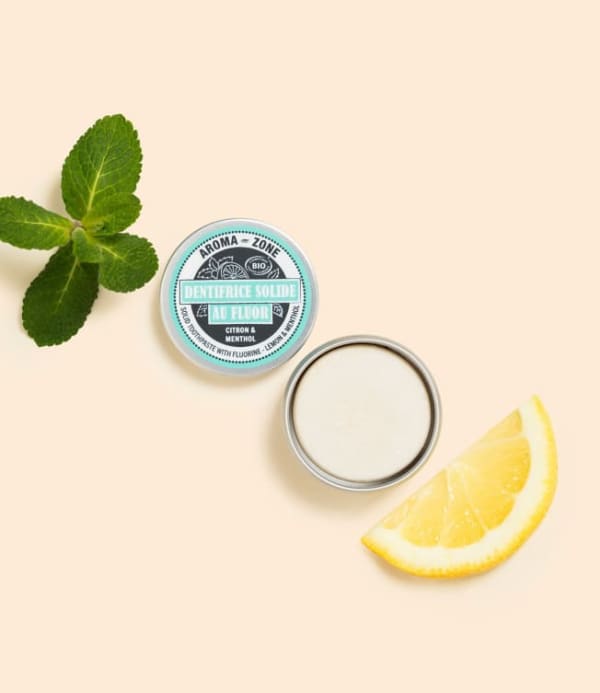
Solid Fluoride Toothpaste - Menthol & Lemon

Formulated to strengthen enamel and limit plaque formation, it helps maintain good oral hygiene on a daily basis. Moisten your toothbrush, rub it on the solid toothpaste bar until you get a creamy paste, then brush your teeth as usual. This toothpaste is suitable for children aged 7 and up.

Discover Fluoride Solid Toothpaste - Menthol & Lemon

Effective home remedies


Sage infusion

Sage is a plant with antiseptic and soothing properties, ideal for calming irritated gums. Steep 1 to 2 teaspoons of dried sage leaves in a cup of boiling water for 10 minutes. Once cooled, use it as a mouthwash or drink a cup for its internal benefits. Sage is contraindicated for pregnant and breastfeeding women and people prone to hormone-dependent conditions.

Clove

Clove is a natural remedy known for its analgesic and antiseptic properties. It helps relieve toothache and disinfect the oral cavity. It can be chewed occasionally or infused in hot water to be used as a mouthwash after cooling. Another option is to prepare clove oil by macerating the cloves in olive oil, then applying a small amount of the mixture locally once it has cooled. As cloves are particularly powerful, they should be used in moderation. If used in excess or poorly diluted, they can irritate the mucous membranes.

Which daily routine should you adopt to help prevent this issue?

To prevent or reduce gum inflammation, here are our simple tips to incorporate into your daily routine: 

  1. Thorough brushing: Brush your teeth three times a day with a soft-bristled toothbrush to protect your gums. Use a natural, gentle, and suitable toothpaste, and brush in circular motions for two minutes. Also, remember to gently brush the gum line to remove plaque.

  2. Flossing: Clean between your teeth every day with dental floss to remove food debris and reduce plaque, the main cause of gum irritation.

  3. Natural mouthwashes: Incorporate daily rinsing with a mild, natural mouthwash to enhance your oral hygiene

  4. Adequate hydration: Drink enough water (at least 1.5 Liters per day) to maintain good saliva production, which is essential for fighting bacteria

  5. A balanced diet: Choose foods rich in vitamins C and D, such as citrus fruits, green vegetables, and oily fish. These nutrients help support gum tissue and help prevent inflammation.

Our related recipes

Natural mouthwash for "sensitive gums"

Ingredients

Preparation

1

Mix the Solubol and clove essential oil in a bowl.

2

Gradually add the rest of the ingredients, mixing well between each addition.

3

Use this mixture without delay.

Solid toothpaste "calm gums" siwak & lemon

Ingredients (without scale)

Preparation

1

Heat phase A (SCi surfactant + mineral water + xylitol + stearic acid + coconut oil) in a bowl in a double boiler.

2

Still in the double boiler, add phase B (calcium carbonate + powdered siwak).

3

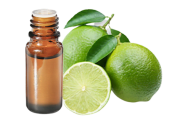
Remove from heat, add phase C (lime essential oil), and mix.

4

Put the dough in a mold.

5

Place the mold in the freezer for 30 minutes before unmolding.

6

Allow to dry for 4 to 5 days at room temperature before use.

Precautions

If symptoms persist or worsen, we recommend that you see a dentist promptly. Untreated inflammation can lead to more serious complications that can compromise the health of your teeth and gums.

Expert advice

Don't forget to visit your dentist regularly, ideally every 6 to 12 months. These checkups allow you to take care of your teeth and gums before small problems become bigger ones. It's a simple habit that will preserve your smile and your long-term health.

Learn more

What are the three main symptoms of gingivitis?

The three main symptoms are swelling of the gums, redness, and bleeding, especially when brushing your teeth.

How can gum inflammation be prevented?

Good oral hygiene, combined with a balanced diet and appropriate mouthwashes, is the key to preventing these inflammations. 

Focus on our Naturopathic editor, Stéphanie Catrysse

Stéphanie Catrysse is a naturopath (certified by the FENA), a wellness massage and lymphatic drainage practitioner, and a personal development consultant. 

Passionate about alternative medicine, she practices a holistic approach to health.

Bibliography

1

The MSD Manual Professional Edition. "Gingivitis - Dental Disorders." Authors: Ubertalli, J. T., & Murchison, D. F. Merck & Co., Inc., Rahway.

2

The MSD Manual Consumer Edition. "Gingivitis - Oral Disorders." Authors: Ubertalli, J. T., & Murchison, D. F. Merck & Co., Inc., Rahway.

3

Agence Nationale d'Accréditation et d'Évaluation en Santé (ANAES). "Periodontal disease: diagnosis and treatment." Professional recommendations and references service. May 2002.

4

Ministry of Health and Prevention (France). "Gingivitis and periodontitis."