Gum Abscess: How to Relieve It Naturally

A gum abscess (or gingival abscess) is caused by a bacterial infection. This results in the formation of a pus-filled lump that requires an immediate visit to the dentist. The causes can vary, but the root cause is often linked to untreated gum disease. The resulting pain is usually quite intense. Fortunately, there are ways to relieve it while you wait for your dentist appointment.

How does a gum abscess form? What are the symptoms? And how can you relieve the pain with natural remedies? We’ll cover all of this in this article.

Reading time: 0 min.

What is a gum abscess?

Oral abscesses are caused by a bacterial infection that leads to a buildup of pus within the tissues. Depending on its location, there are two types of abscesses:

  1. Periodontal abscess: It is located in the gum near the alveolar bone. Untreated periodontal disease can lead to this type of abscess. A pocket forms between the tooth and the gum, which then becomes a breeding ground for bacteria. When bacteria proliferate, an infection sets in, potentially causing a periodontal abscess.

  2. Periapical abscess: This type of abscess forms at the tip of a tooth’s root. When the root is weakened—for example, by untreated tooth decay or a crack—bacteria multiply, and the infection eventually leads to an abscess.

Is a cavity causing you pain? Check out our natural solutions for relieving a toothache.
Why do gum abscesses occur?

A gum abscess can occur for several reasons:

Abscess caused by gum disease: When tartar builds up between the teeth and the gums, dental plaque forms. If this isn’t removed, it can lead to a gum disease called gingivitis. The gums become swollen, sometimes painful, and bleed regularly due to inflammation caused by bacterial growth. If left untreated, gingivitis can progress to periodontitis. The gums become increasingly inflamed, and pockets form between the teeth and the gums. In addition to contributing to tooth loss, they also increase the risk of periodontal abscesses.

Abscess caused by a gum injury: A gum injury can lead to the formation of an abscess. Bacteria multiply at the site of the injury, which eventually becomes infected. A painful, pus-filled bump may then appear at the site of the wound.

Abscess caused by a wisdom tooth: When a wisdom tooth breaks through the gum, its crown may remain partially covered by tissue. This creates a space between the tooth and the gum where food particles can get trapped. Bacteria multiply and can lead to the formation of an abscess.

What are the symptoms of a periodontal abscess?

  • Intense, throbbing pain on the side of the abscess that can radiate to the ear, lower jaw, or even the neck

  • Swelling of the gum

  • Unpleasant taste and bad breath

  • Local hypersensitivity to heat and cold

  • Pus discharge

  • Difficulty opening the mouth

  • Possible loosening of the tooth at the site of the abscess

  • Sleep disturbances due to pain

If the abscess is not treated promptly, other symptoms may develop:

  • Severe fatigue

  • Feeling unwell

  • Fever

  • Swollen lymph nodes in the neck

  • Headaches

  • Swelling of the face

How long does it take for a gum abscess to go away?

A gum abscess does not go away on its own. If you experience the symptoms mentioned, see your dentist promptly. They can treat the infection by draining the abscess. Once this is done, the pain will decrease significantly. Depending on the causes of the abscess, they can then recommend an appropriate treatment to heal your gums and prevent recurrence.

What are the natural treatments to relieve the symptoms of a gum abscess?

While waiting for your dentist appointment, several natural remedies can help relieve the pain.

Quick steps to relieve the pain

Clove: To provide quick relief, you can chew on a clove. Cloves have analgesic properties that help with toothaches while also offering anti-infectious benefits.

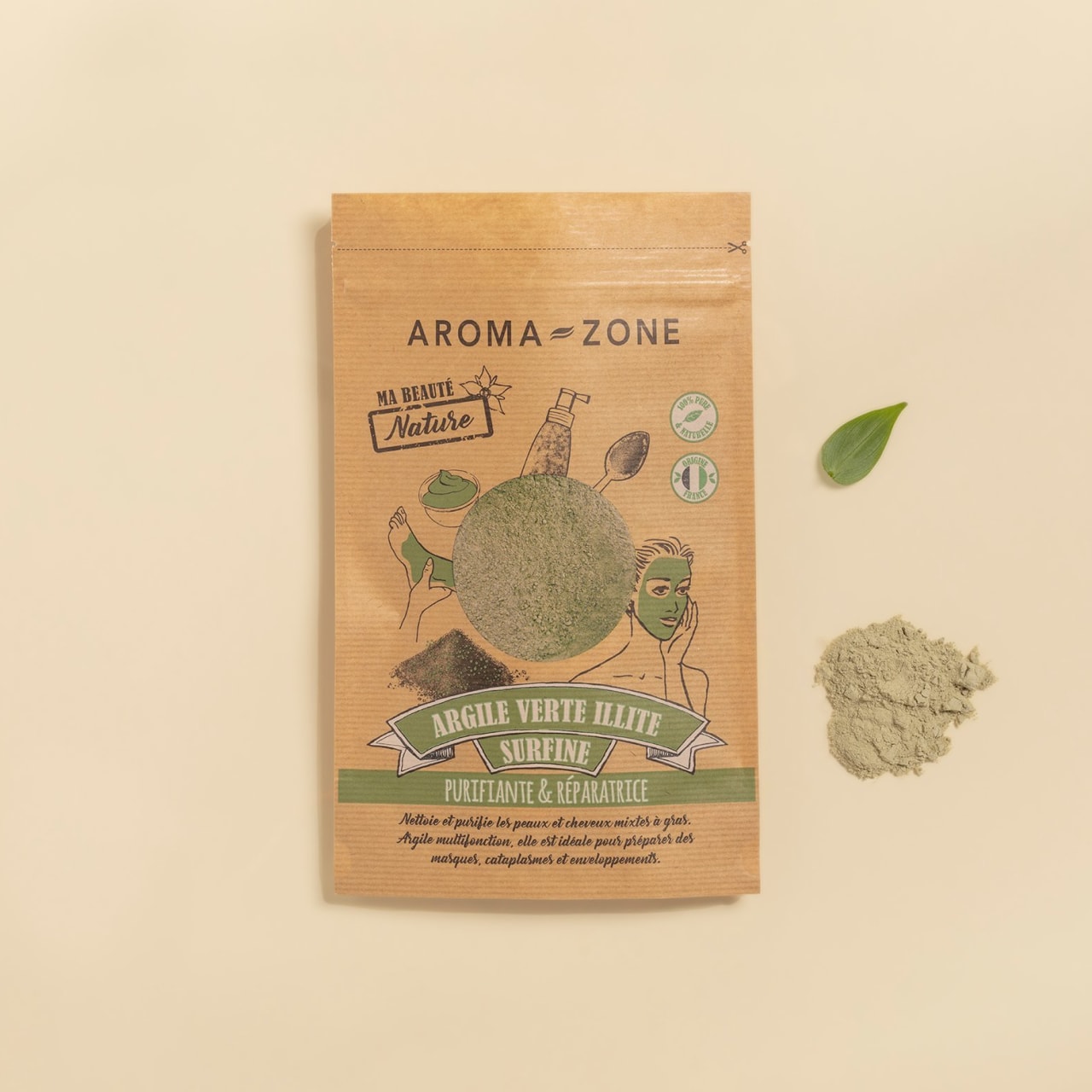
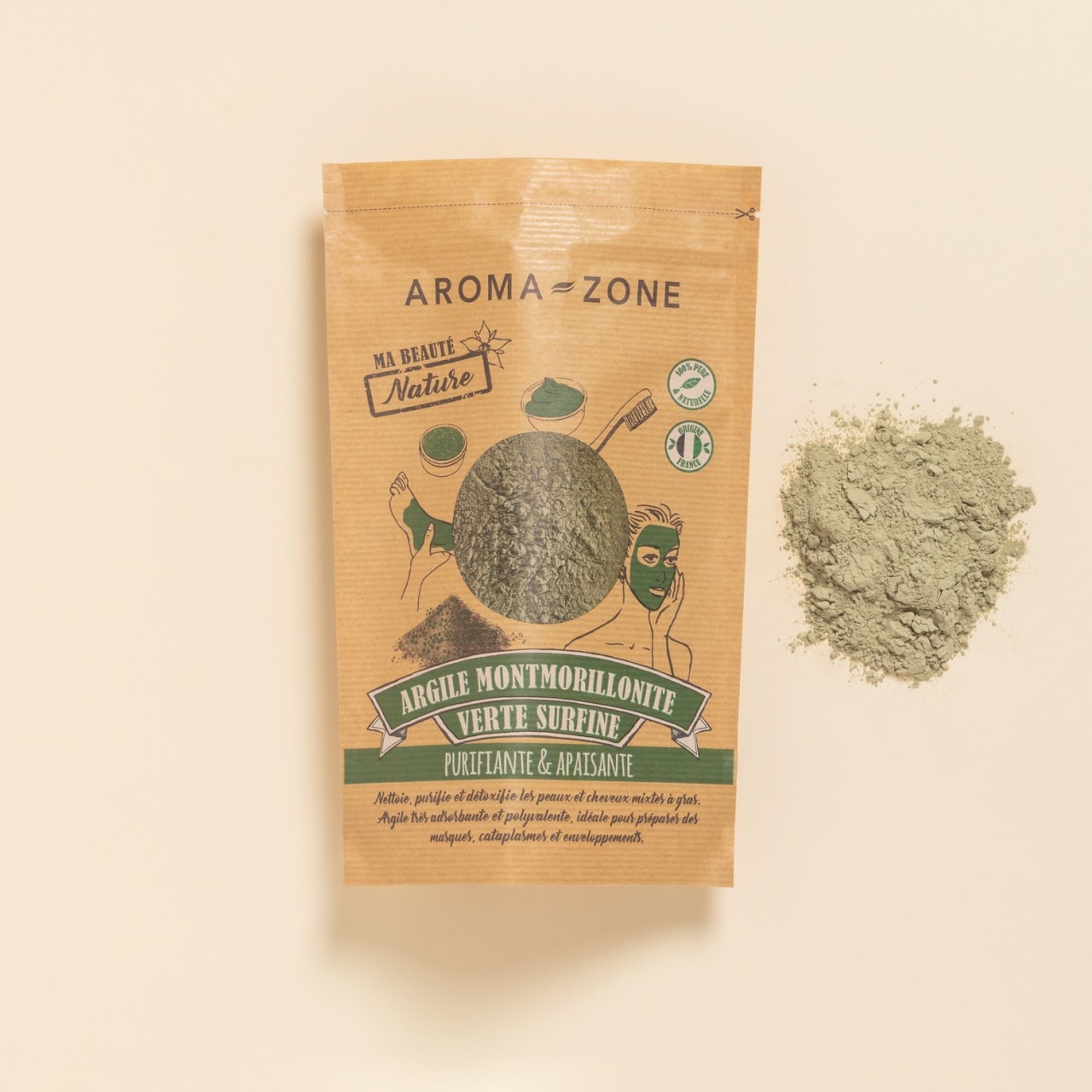
Green Clay

Known for centuries for its detoxifying, purifying, and absorbent properties. Make a green clay poultice with cool water and apply it to the painful area. It will help the abscess mature and relieve the pain. As soon as the poultice becomes warm, remove it and repeat the process.

Discover superfine green montmorillonite clay

Use hydrosols to make mouthwashes

Hydrosols are produced by distilling a plant. They are a water rich in aromatic molecules obtained during the production of essential oils. As a result, they are less concentrated and therefore gentler.

Hydrosols can be used in many different ways, including for dental hygiene. Here is a selection of hydrosols—to be used alone or in combination—that will help relieve pain and help limit the infection in your abscess:

Peppermint Hydrosol

Refreshing and purifying, peppermint hydrosol is ideal for making mouthwashes. It cleanses and contributes to better oral hygiene.

Discover Organic Peppermint Hydrosol

Laurel Hydrosol

Laurel hydrosol is purifying and refreshing. It is therefore perfect for relieving the discomfort associated with periodontal abscesses.

Discover Organic Noble Laurel Hydrosol from Provence

Linalool Thyme Hydrosol

Also antibacterial and purifying, linalool thyme hydrosol soothes oral infections. It is also a very good immune booster.

Discover Organic Linalool Thyme Hydrosol

Precautions

One tablespoon of hydrosol diluted in a little water; swish it around in your mouth for 1 to 2 minutes before spitting it out.

In cosmetics, for wellness, or in the kitchen... floral waters have many uses. Browse our guide to learn how to use hydrosols and enjoy all their benefits.

Expert advice

Visits to the dentist are never anyone's favourite activity. Between the discomfort of keeping your mouth open and the fear of pain, we’re more than happy to put off these unpleasant moments. However, regular check-ups—even without any specific issues—can help prevent many complications. In fact, it takes time for a cavity to become painful, just as it does for plaque to form. We therefore recommend that you see your dentist at least once a year to maintain the health of all your teeth! As the saying goes: “Prevention is better than cure!”

Learn more

How can you reduce swelling from a dental abscess quickly?

Making an appointment with a dentist is the first step you should take when you have a gum abscess. Your dentist can perform a surgical procedure that will quickly reduce the swelling of the abscess.

While waiting for your dental appointment and in addition to the natural remedies suggested in this article, we recommend that you:

  • Stop smoking and drinking coffee;

  • Avoid chewing on the side where the abscess is located;

  • Apply an ice pack: you can wrap an ice pack in a cloth and hold it against the painful area. The cold will help reduce inflammation and have an anesthetic effect.

  • Continue brushing your teeth with a soft-bristled toothbrush: even if the pain is severe, it is important to maintain good oral hygiene to limit bacterial growth.

  • Avoid foods or drinks that are too hot or too cold.

These simple steps can help reduce swelling. If the abscess eventually bursts and the pus drains, the pain may go away. However, we recommend that you keep your dentist appointment. Even if the abscess is gone, the infection may still be present. In addition, it is necessary to identify the cause of the infection in order to treat the problem at its source.

Is a dental abscess serious?

If left untreated, a dental abscess can have serious consequences and lead to:

  • Loss of the tooth where the abscess is located;

  • Ludwig’s angina (a severe respiratory tract infection);

  • Endocarditis;

  • A sinus infection;

  • Sepsis.

However, the pain from a dental abscess is so intense that it’s impossible to ignore. Generally, when you have a toothache, you call every dentist in the area to get an appointment as soon as possible!

Canker sores or abscesses: what’s the difference?

A canker sore is a small, oval-shaped, whitish ulceration of the mucous membrane surrounded by a bright red halo. It usually appears on the inside of the cheek, but can also affect the tongue or gums. Unlike an abscess, it does not contain pus. Although uncomfortable and painful, canker sores are mostly benign and heal on their own within a few days.

Discover our natural remedies to soothe a canker sore quickly.

White gums: why do they change colour?

Gums that turn white can be a sign of various issues or changes in oral health. This phenomenon can be linked to several causes, ranging from minor problems to more serious conditions:

  1. Irritation or trauma: A toothbrush that’s too hard, aggressive brushing, or ill-fitting braces can cause temporary discolouration of the gums due to irritation.

  2. Infections: A bacterial or fungal infection, such as severe gingivitis or oral thrush, can cause the gums to appear whitish.

  3. Plaque or tartar: The buildup of plaque or tartar can sometimes mask the natural colour of the gums, giving them an abnormal tint.

  4. Poor blood circulation: Insufficient blood flow to the gum tissues can cause them to appear pale or whitish. This may be associated with conditions such as anaemia.

  5. Reaction to chemicals: Prolonged use of certain mouthwashes or harsh products can cause discolouration of the gums.

  6. General medical conditions: In some cases, white gums may be a symptom of a systemic disease, such as leukoplakia or an autoimmune disorder, which requires medical evaluation.

If the unusual colour of the gums persists or is accompanied by pain, bleeding, or other symptoms, it is important to consult a dentist to determine the exact cause and receive appropriate treatment.

Pericoronitis: What Is It?

Pericoronitis is an inflammation of the soft tissues surrounding a partially erupted tooth, most commonly a wisdom tooth. It occurs when food debris and bacteria accumulate under the gum flap partially covering the tooth, causing an infection. Symptoms include pain, swelling, redness, and sometimes fever or difficulty opening the mouth. Thorough cleaning and appropriate care usually treat this condition, although tooth extraction may be necessary in severe or recurrent cases.

Spotlight on our specialist editor, Amandine Granger

Amandine is an editor specialising in natural health. Passionate about alternative medicine, she is training to become a naturopath. Through her articles, she aims to share her knowledge with as many people as possible so that everyone can bring more well-being and balance into their daily lives.

Bibliography

1

2

3