Burns: looking after yourself with traditional home remedies

Burns: looking after yourself with traditional home remedies


By The Aroma-Zone editorial team

Published on: Thursday, August 04, 2022, Updated on: Thursday, October 29, 2026

A burn is a very painful injury to the skin or mucous membranes caused by exposure to intense heat (flames, boiling liquids, electric hobs, excessive friction, etc.), chemical agents (hydrochloric acid, caustic soda), electricity or ionising radiation (radiotherapy).

Contents

Warning

Disclaimer

The properties, indications and methods of use set out below are quotations taken from reference books or websites on aromatherapy, hydrolat therapy and phytotherapy.

This general information is provided for information purposes only and does not in any way constitute medical advice. Under no circumstances can this information replace a medical diagnosis, consultation or follow-up, nor does it engage our liability. We recommend that you consult the guide to essential oils before using them, to familiarise yourself with the precautions. If in doubt, consult a doctor before using essential oils.


The different types of burns

  • First-degree burns, which are superficial, are characterised by redness, pain and swelling. Sunburn is almost always within this category.

  • Second-degree burns, which are deeper, result in the appearance of very painful blisters on a red, swollen area of skin. Damage to the skin barrier (burst blisters) increases the risk of secondary infection.

  • Third-degree burns , or charring, are very deep (muscles, tendons and even bones may be affected). They are very serious, particularly in older people.

What should you do in the event of a burn?

First aid in the event of a burn: run the affected area under cold running water for at least 7 minutes to prevent the burn from spreading and becoming deeper. If the burn is severe (extensive, deep, or affecting a baby, young child or the face), seek medical attention immediately.

The first essential oil to turn to in the event of a burn is Spike lavender, the perfect choice for its exceptional pain-relieving and healing properties. Apply a few drops of pure spike lavender essential oil to the burn.

To promote healing of the burn, apply Calendula oil macerate, a powerful anti-inflammatory, which reduces swelling and congestion following a burn whilst promoting skin regeneration. In the event of sunburn, apply some St. John’s Wort oil macerate, a very powerful and soothing remedy, to the skin (do not expose your skin to the sun for 6 hours after application).

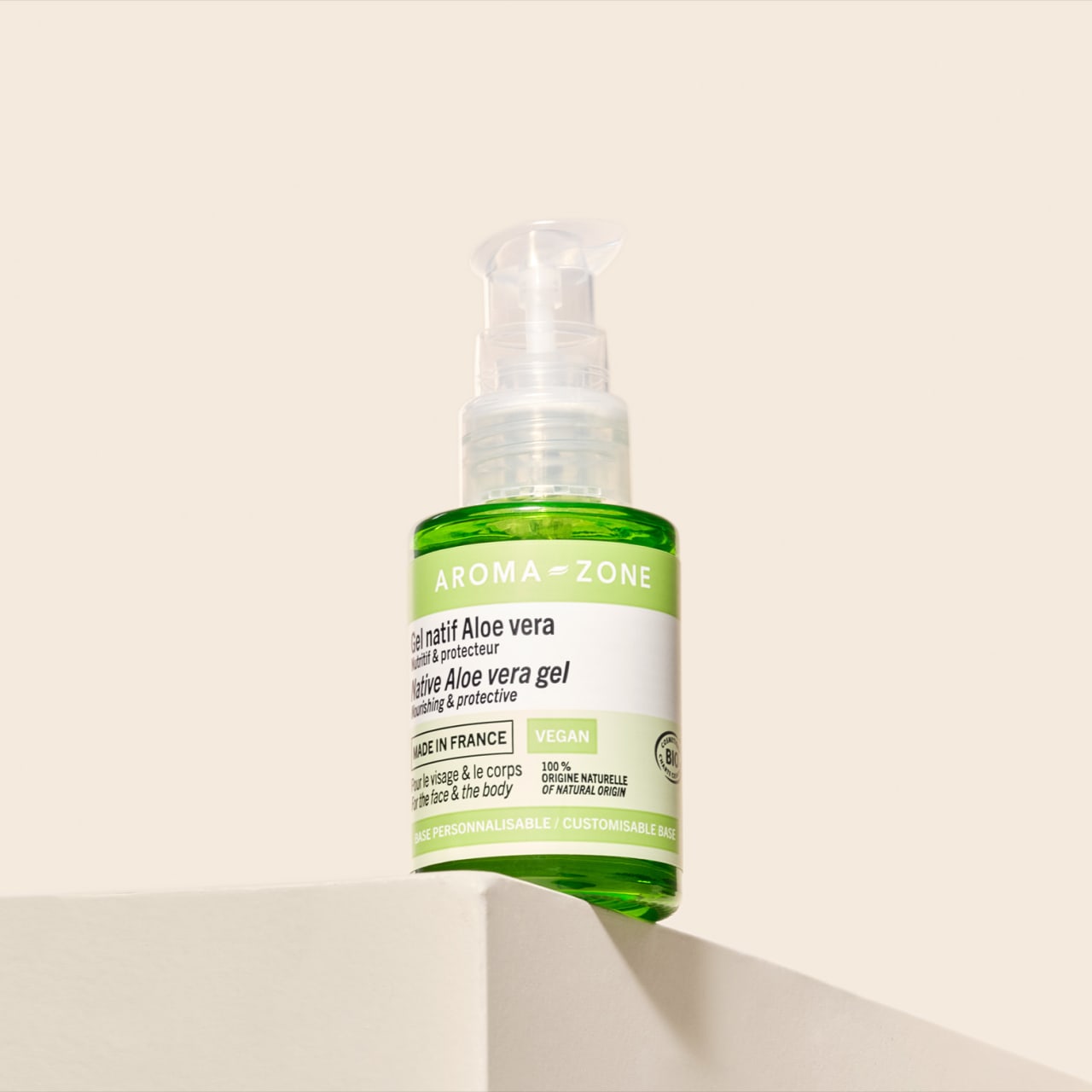
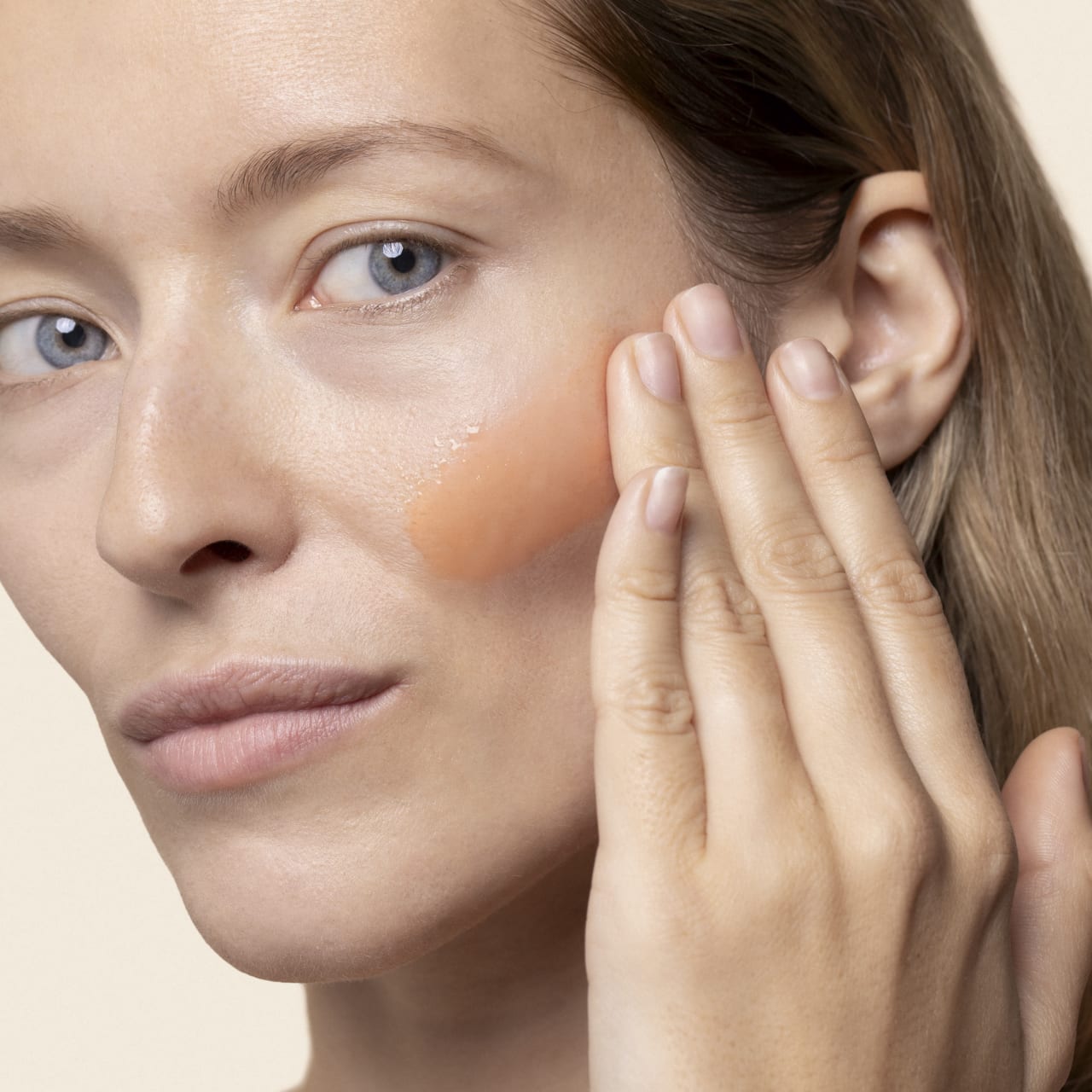
For a burst of freshness and instant relief, you can also apply Aloe vera gel to superficial burns and sunburn.

How can you quickly relieve severe sunburn?

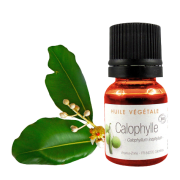
In the event of severe sunburn , you should act quickly to relieve the pain and promote skin healing. To do this, you can apply a compress soaked in cold water to the burnt area to soothe the sensation of heat. Next, using essential oils such as true lavender or Roman chamomile can help to soothe inflammation and reduce redness. Dilute a few drops of essential oil in a suitable carrier oil, such as coconut oil or Calophylle oil, and apply gently to the skin.

What are the risks after a sunburn?

After a sunburn, it is important to monitor for symptoms such as blisters, a feeling of fever, nausea or dizziness. These signs may indicate a more serious burn requiring immediate medical attention. Furthermore, repeated sunburns can increase the long-term risk of skin cancer (carcinomas and melanomas) while accelerating premature ageing of the skin (loss of elasticity, premature dryness and appearance of brown spots). It is therefore essential to protect your skin from the sun with sun cream and to take steps to prevent sunburn.

Should you be concerned about the peeling phase?

Peeling is a natural process by which the skin heals after sunburn. It involves the shedding of dead cells from the outermost layer of the skin, which can occur a few days after exposure to the sun. Although it can be uncomfortable, peeling is usually a sign that the skin is regenerating and repairing itself. It is important not to actively peel or scratch the skin that is flaking, as this can lead to infections or scarring. You can help relieve the discomfort by regularly moisturising your skin and avoiding prolonged exposure to the sun.

Some examples of remedies

Here are some proven aromatherapy recipes taken from reference works on essential oil combinations to help you soothe and heal burns.

Precautions and contraindications regarding the use of essential oils

The use of essential oils to relieve burns requires certain precautions. It is essential to dilute essential oils in a suitable carrier oil before applying them to the skin, as they can be irritating when used undiluted. Do carry out a patch test before application to avoid any allergic reaction.

Furthermore, certain essential oils may be contraindicated for pregnant women, children, the elderly or people suffering from certain medical conditions. It is therefore recommended that you consult a healthcare professional before using essential oils, particularly in the case of burns or skin lesions.

Find out more about everyday aches, pains and injuries

Frequently Asked Questions

Frequently Asked Questions