Is Aloe vera effective against burns?

Is Aloe vera effective against burns?


By Stéphanie Catrysse

Published on: Wednesday, March 22, 2023, Updated on: Thursday, October 29, 2026

Have you got sunburn or just suffered a superficial burn? If your burn is first- or second-degree, Aloe vera is the natural remedy you need. Moisturising, soothing, calming, healing, restorative, protective, anti-inflammatory, antibacterial… the pure gel extracted directly from the Aloe vera leaf relieves the pain and promotes optimal healing of your burn. But what is Aloe vera, what types of burns is it effective for, and how does it work? How should you use it, and what other natural remedies are available to help heal a minor burn? Find out more, and start using Aloe vera to treat minor burns.

Contents

Related products

What is Aloe vera?

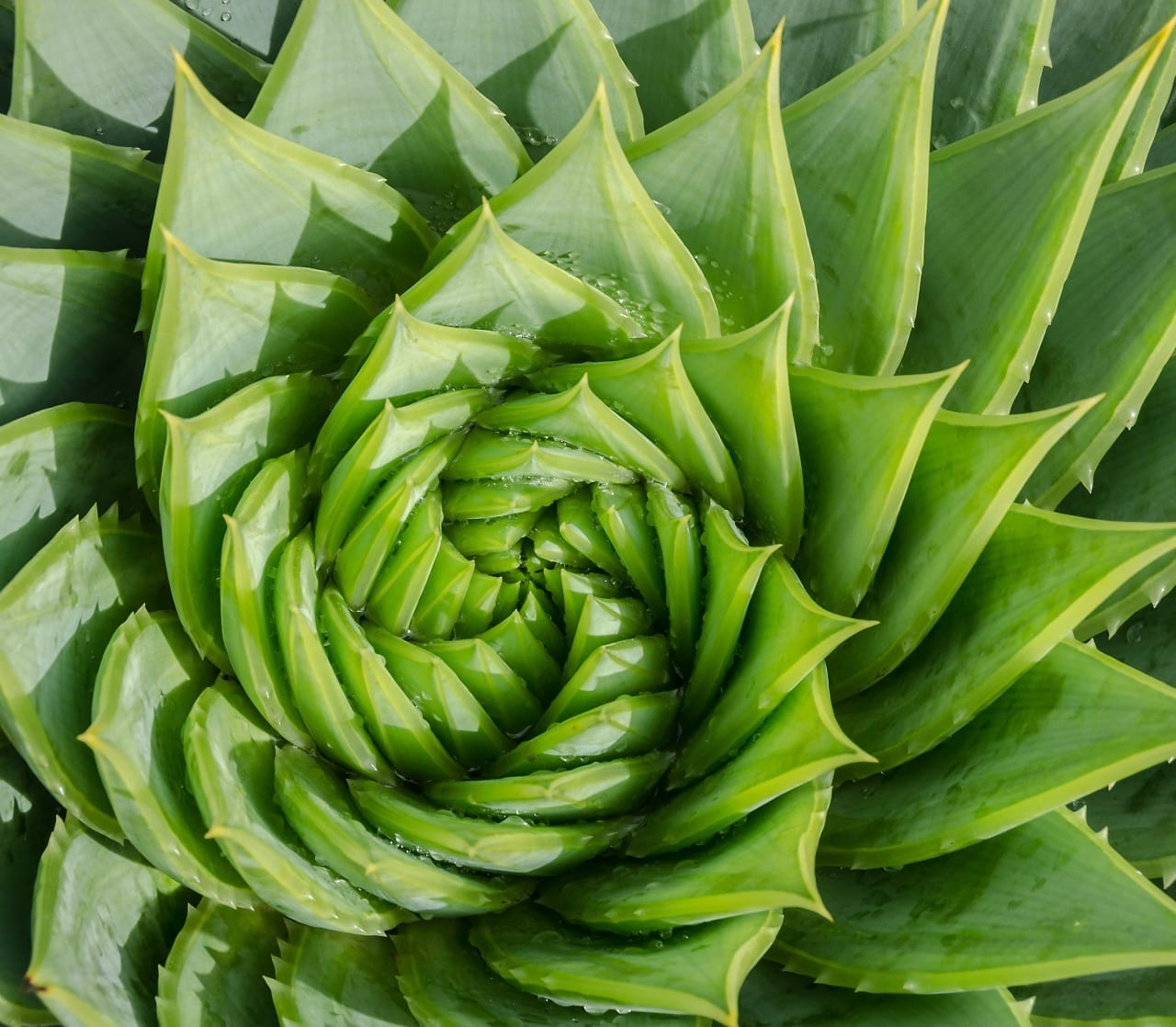
Aloe vera (Aloe barbadensis) is a succulent plant, native to Africa and growing up to 1 metre tall. Its long, pointed, thick green leaves contain two valuable substances:

  • a yellow, bitter sap known as aloe juice

  • a thick, viscous, transparent mucilaginous gel (or pulp) known as aloe gel

The sap (also known as aloe latex) is mainly used as a powerful natural laxative when taken internally. It consists of 20 to 40 per cent anthraquinones, primarily aloin, a substance that can be highly irritating and dangerous with prolonged use. It should therefore be consumed with great caution, in accordance with the recommendations of a healthcare professional.

Aloe vera gel, on the other hand, is used for its emollient, wound-healing, calming, soothing, moisturising, anti-ageing, restorative and anti-inflammatory properties, as well as its astringent, antimicrobial, antiseptic, regenerative and softening effects. It can be used both internally (in the form of juice containing at least 50% gel) and externally. 

This gel consists mainly of water, but also contains vitamins (A, B1, B2, B3, B4, B6, B9, B12, C and E), minerals and trace elements (iron, calcium, magnesium, potassium, manganese, zinc, sodium, phosphorus, copper, chromium…), 18 amino acids (including 7 of the 8 essential ones), fatty acids (linoleic acid), enzymes, salicylic acid, mono- and polysaccharides, and saponins.

Here, we will focus solely on Aloe vera gel for soothing and treating the skin in cases of first- and second-degree burns.
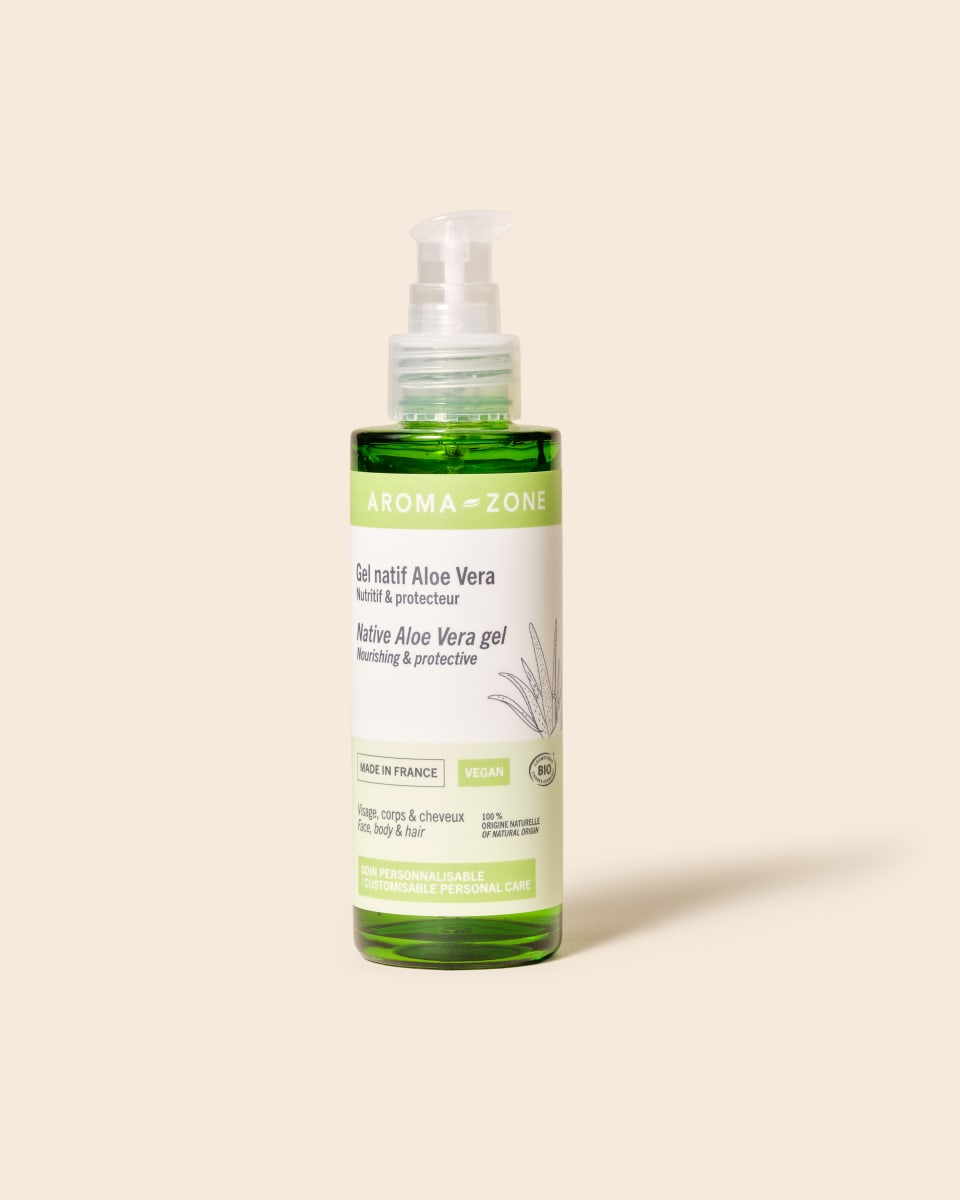
082-heros11-aromazone-0556

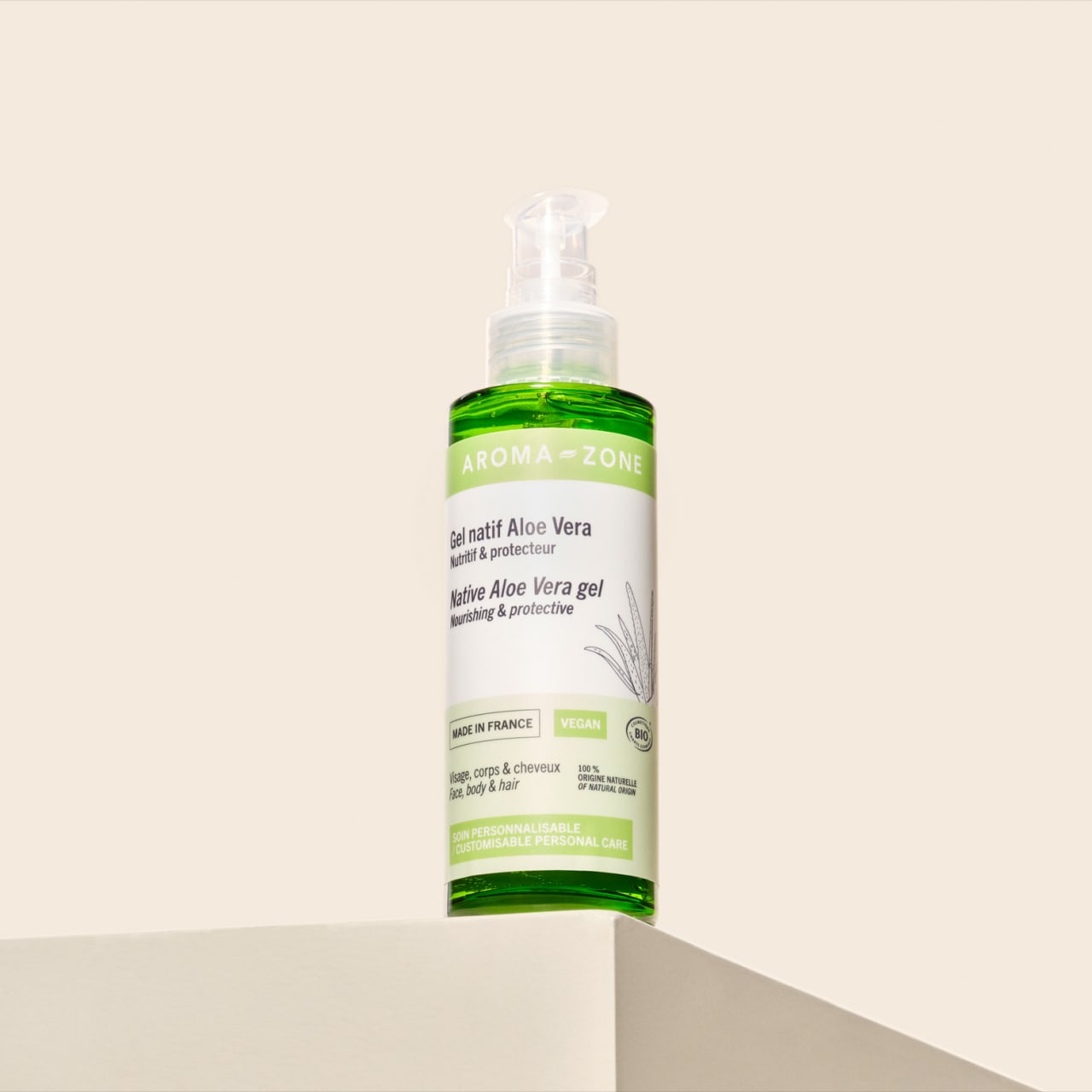
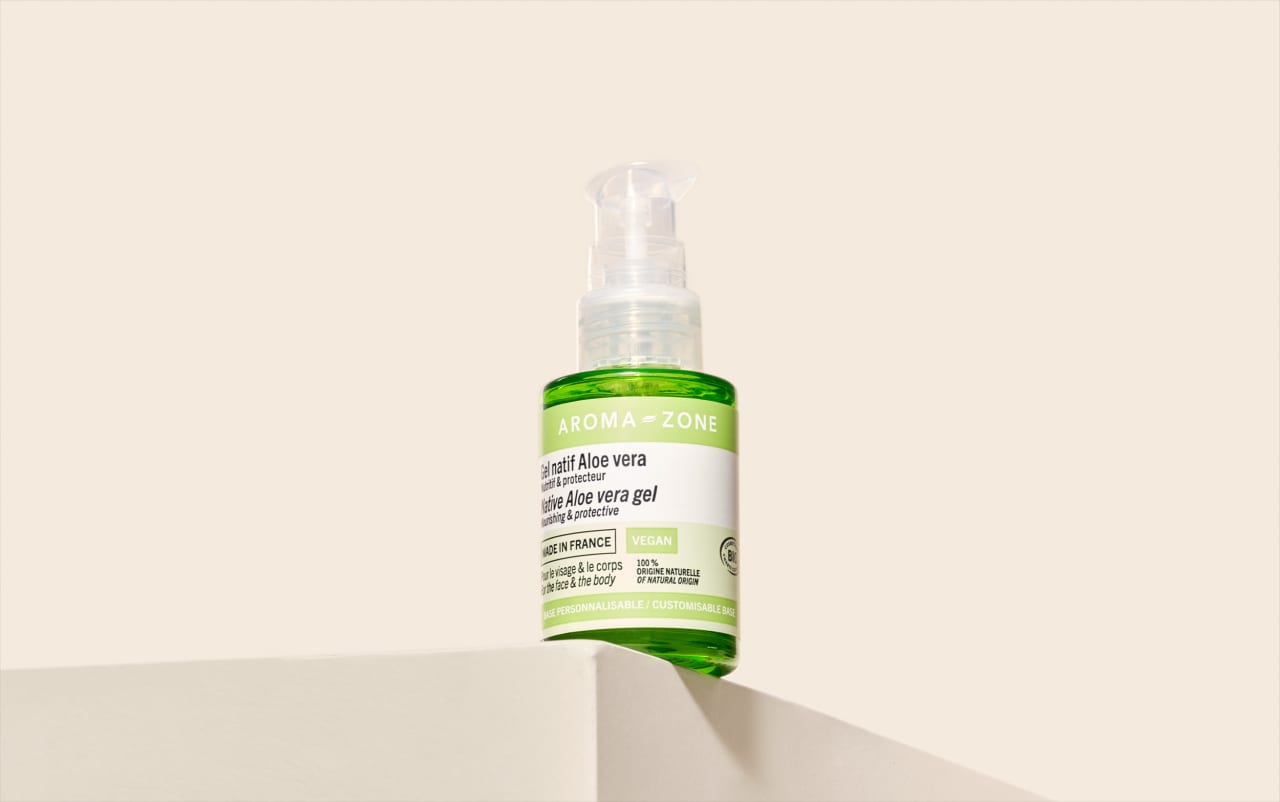
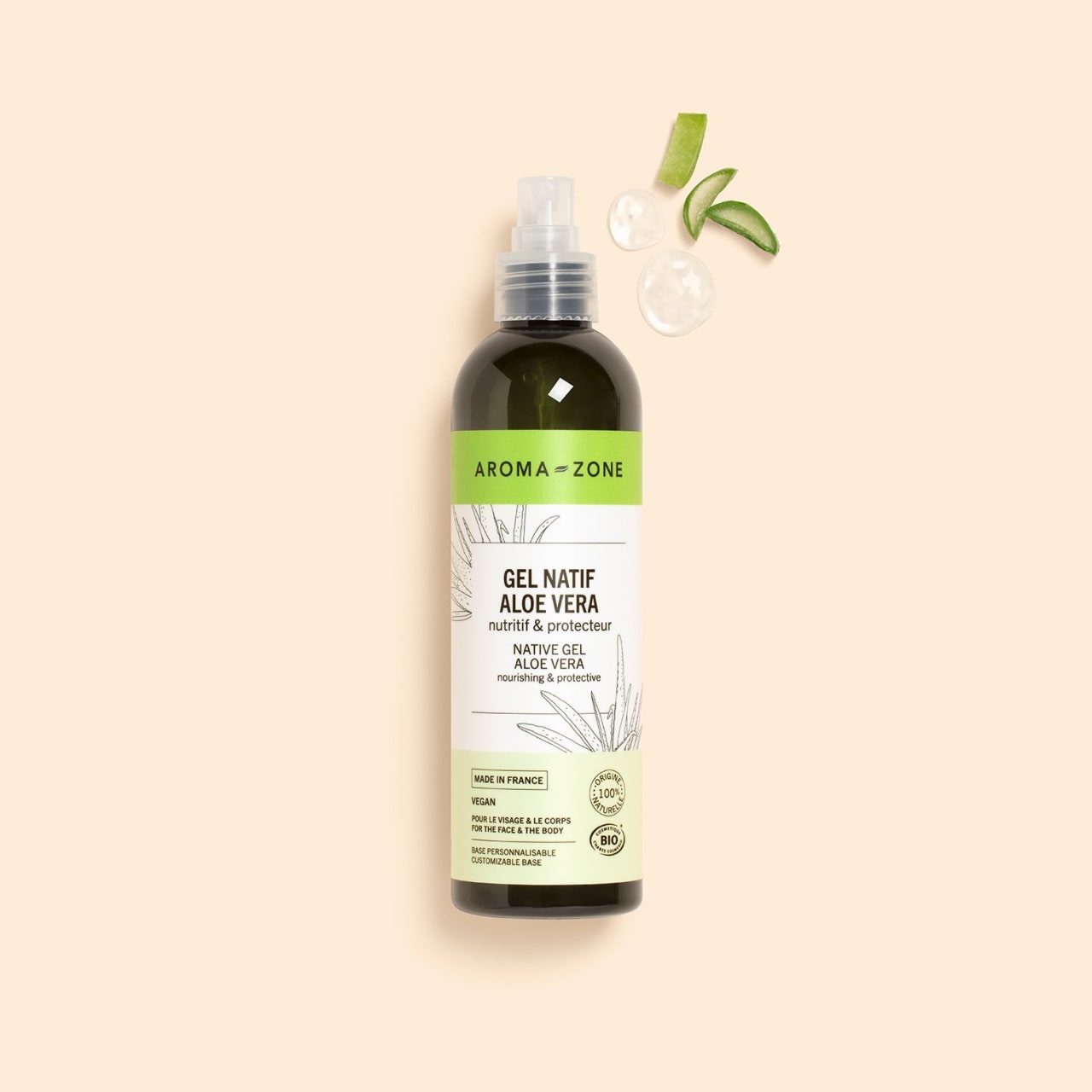
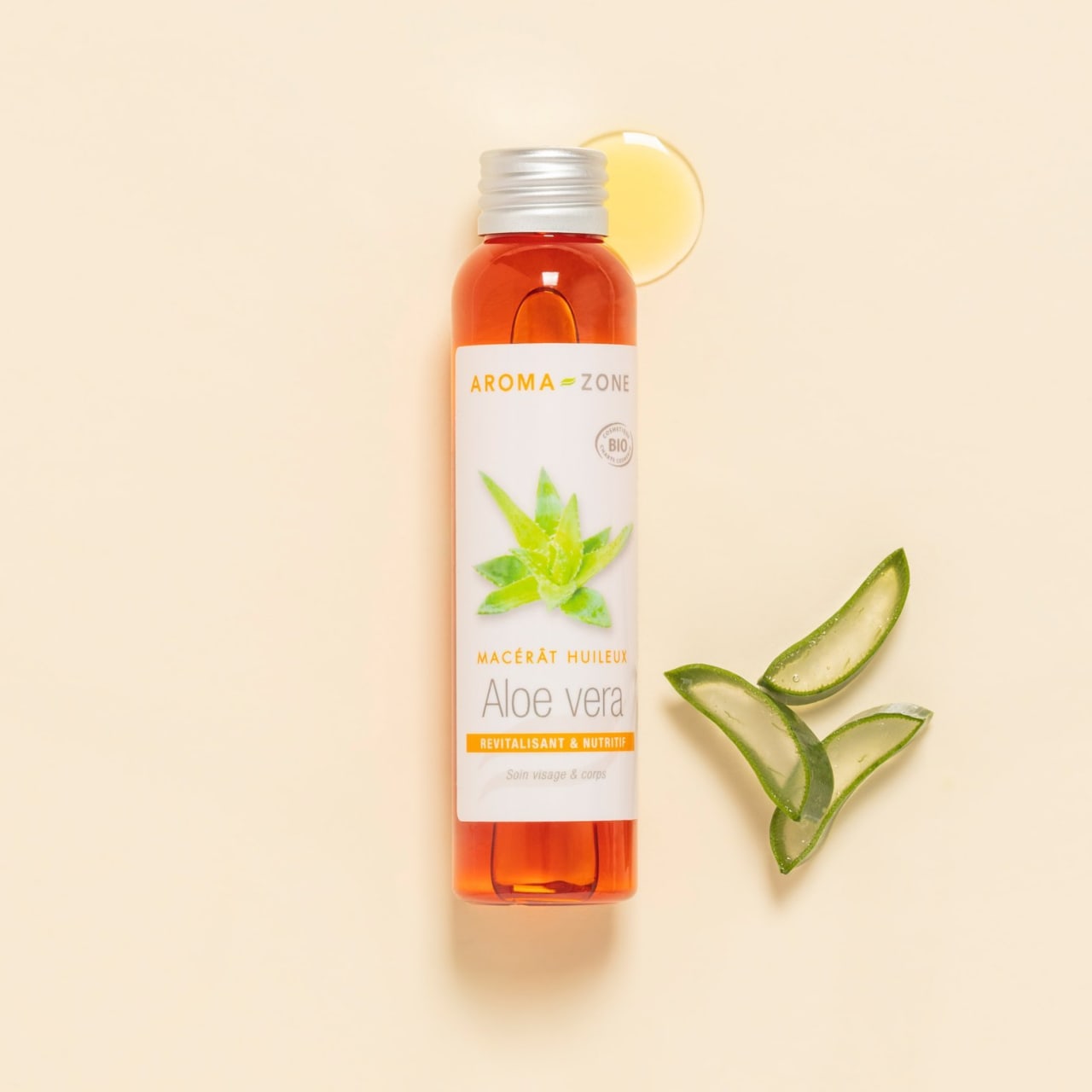
Plant extract Organic aloe vera gel

This gel is cold-processed to preserve its high content of mucilage, vitamins and nutrients. Aloe vera juice is known for its many beneficial properties for the skin… A true treasure of nature and a must-have for all skin types!

Discover the plant extract Aloe Vera Gel

The different types of burns

A burn is an injury to the skin or mucous membranes caused by exposure to intense heat or by contact with a physical or chemical agent. It can be caused by a flame, electricity, a hot liquid or object, a chemical, UV rays, radiation or friction. Frostbite (caused by cold) is also classified as a burn.

Burns are classified into three categories, determined by the depth and severity of the injury.

First-degree burns:

These are superficial and result in redness, pain and swelling. Only the epidermis is affected; the skin is dry and does not blister. Sunburn is one such example. Healing takes 3 to 5 days.

Second-degree burns

  • Superficial:

These are slightly deeper and affect the superficial layer of the dermis. They appear as one or more red, painful blisters. Healing takes 12 to 15 days and leaves a minimal scar.

  • Deep:

These are deep and extend into the deep dermis. The skin is red, very painful and has ruptured blisters with a whitish or pinkish centre. Surgical treatment (skin graft) may be required and scarring is very likely.

Is Aloe vera good for burns?

We advise you first of all to make sure you know exactly what type of burn you have before applying anything. Aloe vera gel is ideal for first- and second-degree burns, which only affect the outer layer of the skin.

Aloe vera gel is particularly suitable for mild to moderate sunburn and is, in fact, very often an ingredient in after-sun creams.

Aloe vera gel is a natural, effective and convenient remedy that can be applied directly to minor burns to soothe them, keep your skin moisturised, promote healing, scar formation and skin repair, and prevent peeling (following sunburn, for example).

Aloe vera gel has, in fact, been used to treat burns for thousands of years (as far back as the 6th century BC!).

If you have a more serious injury or a second-degree burn with an infection, seek medical attention immediately to receive the appropriate treatment.

Why does Aloe vera gel soothe burns?

Aloe vera gel has numerous properties that help to soothe, moisturise and heal burns:

Soothing, calming, anti-inflammatory

Aloe vera gel relieves the pain caused by burns thanks to its enzymes and polysaccharides, which reduce inflammation and increase blood flow to the damaged tissue. Its high water content and ‘cooling effect’ immediately soothe the pain and local inflammation.

Moisturiser

Its composition of water, poly- and monosaccharides, vitamins and minerals gives it powerful moisturising properties and enables it to retain water, thereby compensating for the skin’s water loss following a burn. This moisturising action soaks and rehydrates the entire affected area, whilst its vitamins and minerals nourish the skin cells.

Healing, restorative

Aloe vera gel promotes tissue repair and the healing process by encouraging the production of new skin cells and increasing blood circulation around the affected area. It also stimulates collagen production (via the fibroblasts beneath the skin) thanks to its many active ingredients.

Antibacterial, protective

It has antiseptic and purifying properties that help prevent infection at the site of the skin injury and maintain an environment conducive to rapid healing.

It also forms a protective film on the skin’s surface, shielding the burn from external irritants.

How should you use Aloe vera for burns?

First and foremost, if you’ve burnt yourself, your first instinct should be to cool the wound to stop the burn from spreading and to soothe the pain. To do this, run cold water over the affected area for 10 to 15 minutes. You can also use compresses or cool cloths, applying them to your burn at intervals of 5 to 10 minutes. Please note: do not apply ice or any fatty substances (such as oil or butter).

If the burn is first- or second-degree, you can then apply aloe vera gel directly to the affected area after disinfecting it if necessary. 

You can:

  • Apply pure, unadulterated Aloe vera gel to the skin and massage very gently to help it absorb

  • Apply a generous layer of Aloe vera gel and cover with a sterile gauze dressing to create a poultice. Please note: the gauze must never stick to the damaged skin.

You can also choose to use your own aloe vera gel if you have a plant at home. To do this: cut off a large leaf, then, using a sharp knife, cut the leaf lengthways and extract the viscous, translucent gel, taking care to remove the yellow, irritating liquid (the sap).

Then gently spread the gel over your burn, massaging it in lightly. 

You can then store the gel in the fridge for 3 or 4 days (add a few drops of Cosgard to extend its shelf life).

Tip

We recommend applying Aloe vera gel three times a day until the burn has fully healed.

We also recommend that you keep a close eye on your burn to ensure it heals properly.

Please note

Do not apply Aloe vera gel to a third-degree burn. Seek medical attention immediately to receive appropriate treatment.

What other natural remedies are there to relieve burns?

To relieve a first- or second-degree burn, you can also choose from a range of other natural remedies that can soothe and help heal your burn, such as:

Hydrosols

As hydrosols are extremely gentle whilst possessing numerous medicinal properties, they make excellent remedies for burns:

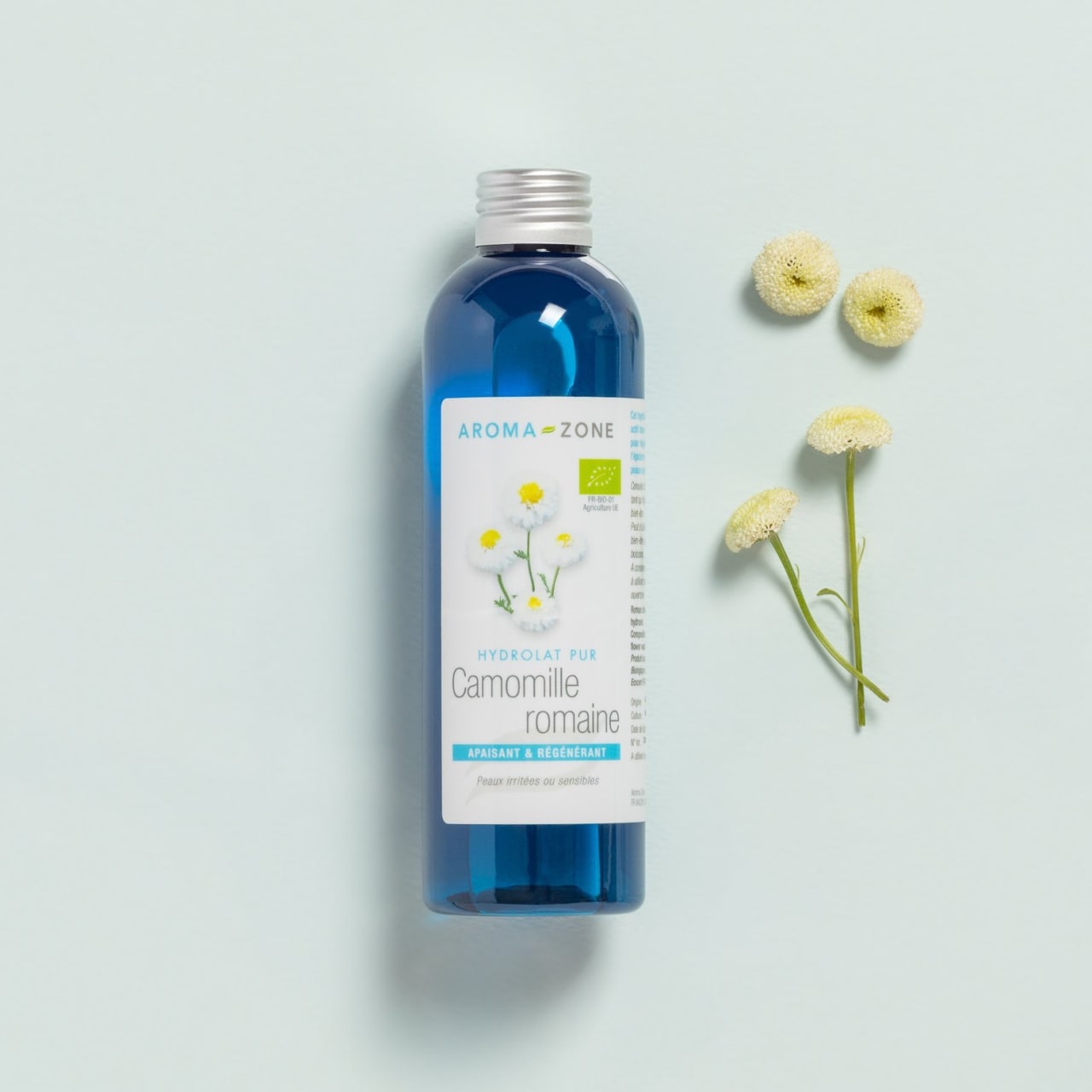
Roman chamomile hydrosol

For its powerful soothing properties.

Discover Roman chamomile hydrosol

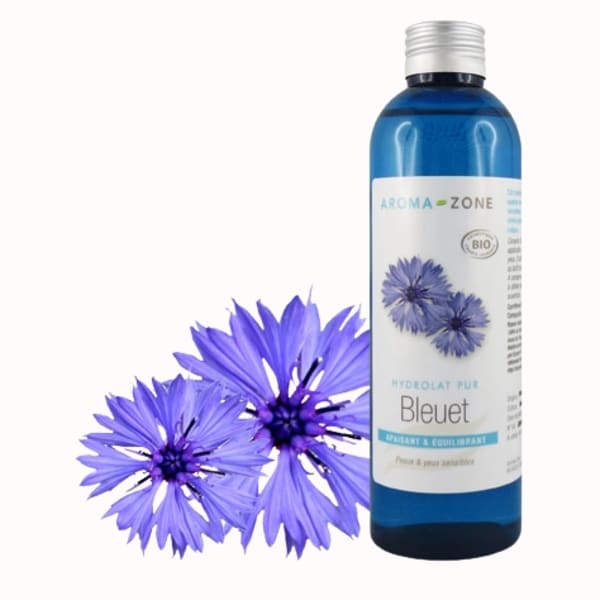
Cornflower hydrosol

For its powerful soothing properties

Discover cornflower hydrosol

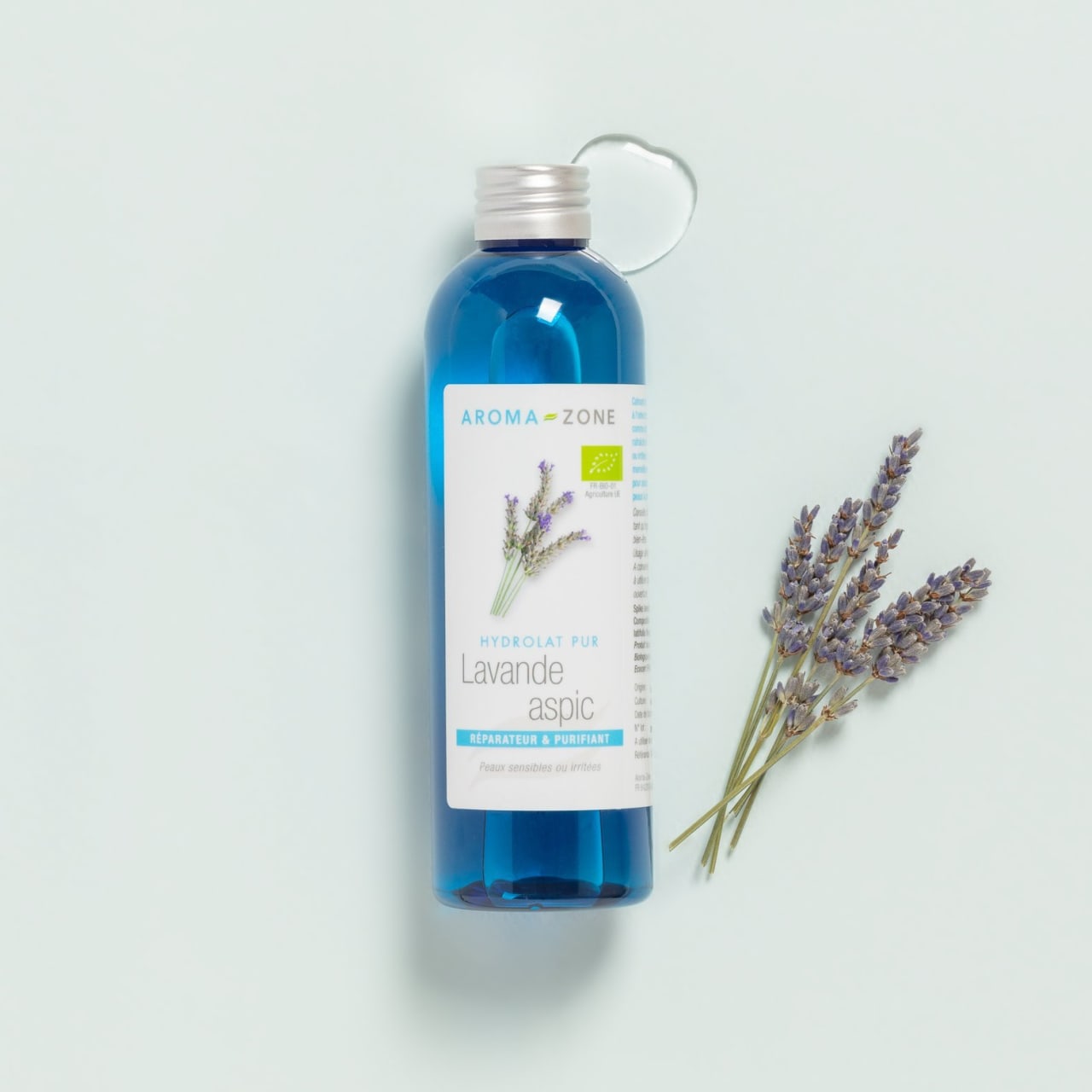
Lavender hydrosol

For its powerful soothing properties

Discover Spike Lavender hydrosol

Peppermint hydrosol

For its cooling and soothing effect on your skin, particularly in cases of mild sunburn

Discover peppermint hydrosol

Use: Spray on the hydrosol of your choice or soak a sterile compress and apply it to your burn. Secure it in place with a plaster if necessary and change the dressing every day.

Oily macerates or vegetable oils

Oily macerates and vegetable oils are effective and gentle natural remedies for soothing your minor and superficial burns:

St. John’s Wort oil macerate

This is the most effective remedy for burns and sunburn, thanks to its healing, anti-inflammatory and soothing properties. It will help promote tissue repair and relieve pain.

Discover St John’s Wort oil macerate

Please note

As this oily macerate is photosensitising, we advise you not to expose yourself to the sun after application.

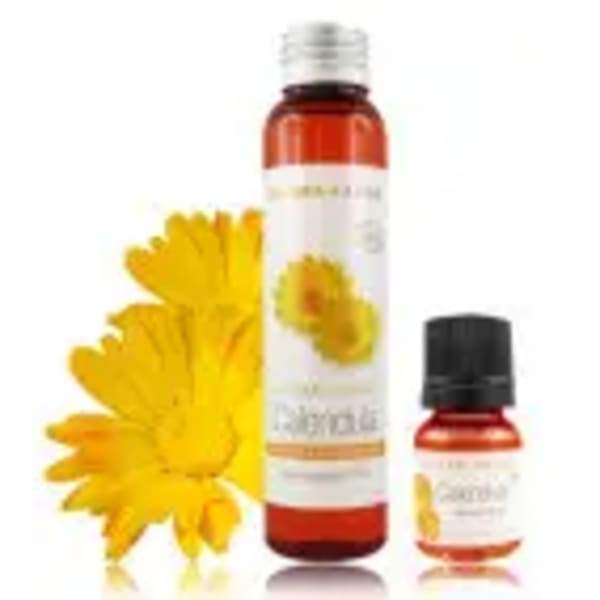
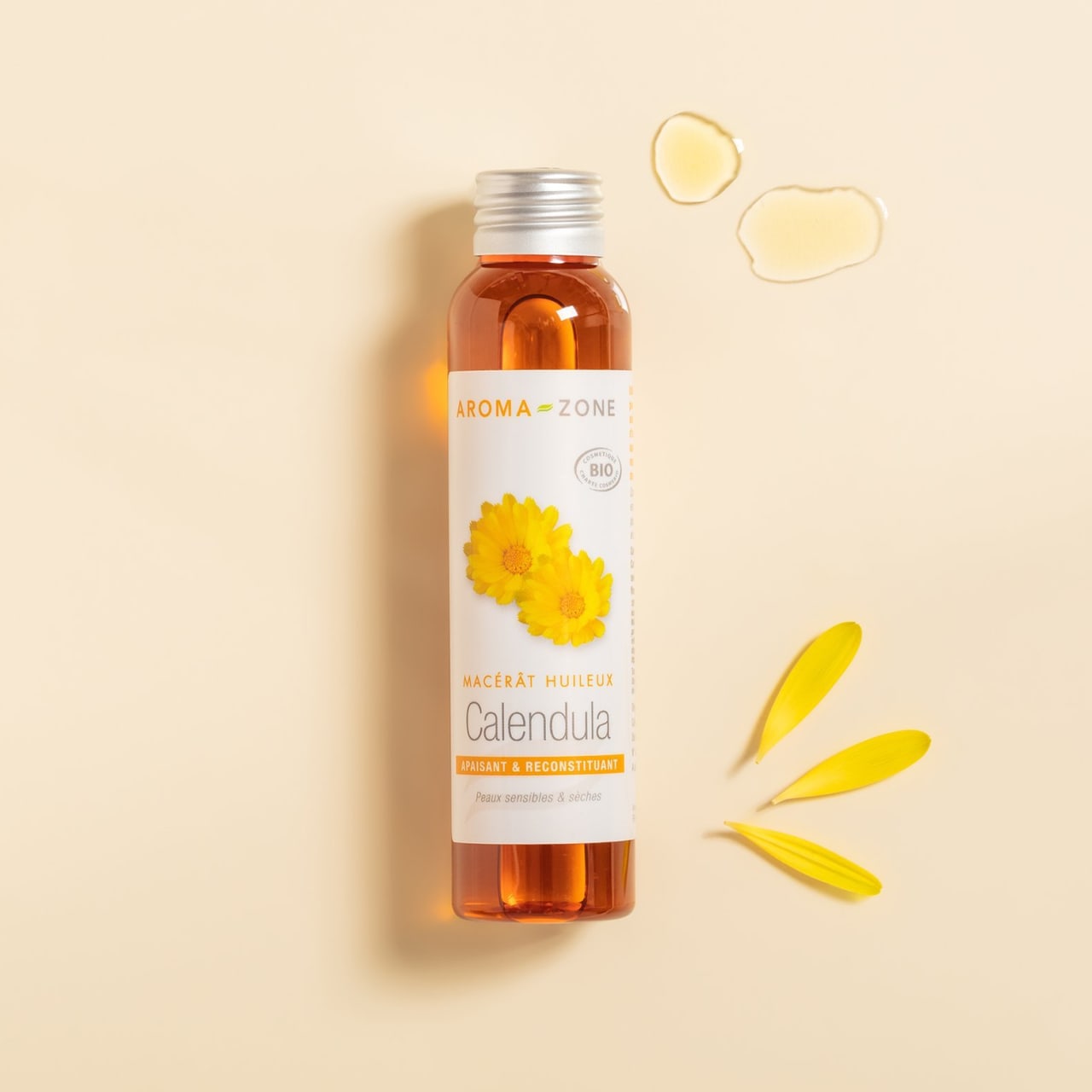
Calendula oil macerate

For its powerful soothing, healing, revitalising and anti-inflammatory properties.

Discover Calendula oil macerate

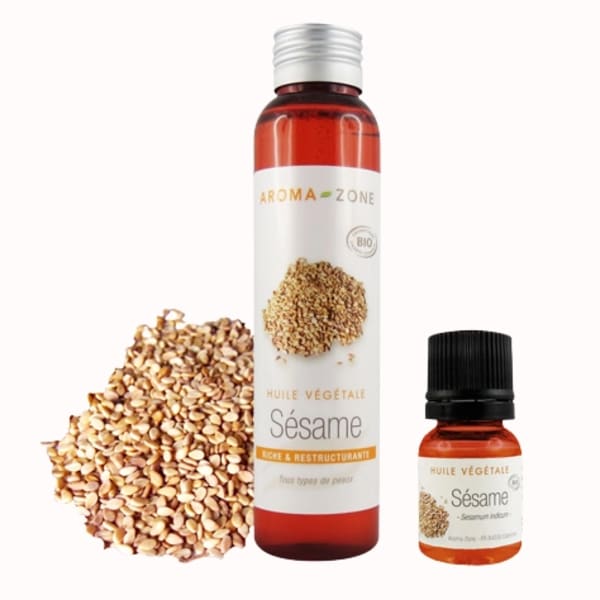
Sesame vegetable oil

As it is rich in antioxidants, it should always be diluted with a more neutral vegetable oil, such as jojoba or sweet almond oil.

Discover sesame oil

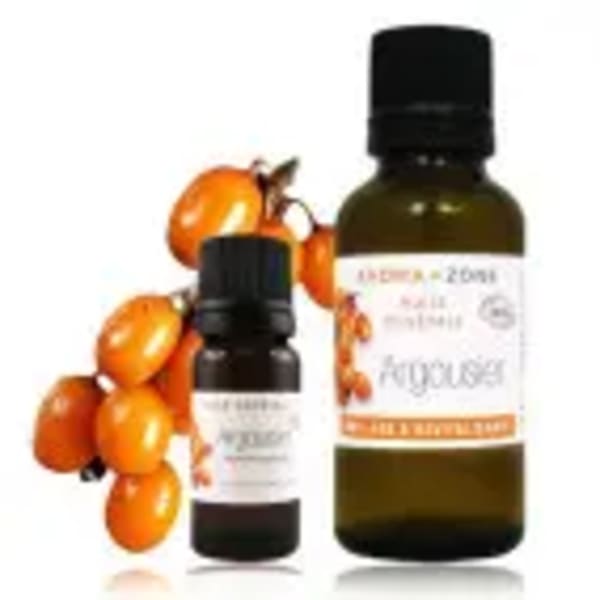
Organic sea buckthorn vegetable oil

Sea buckthorn oil

Due to its skin-regenerating properties, it should always be diluted with a more neutral vegetable oil, such as jojoba or sweet almond oil.

Discover sea buckthorn oil

To use: apply the macerate directly to the burn three times a day, massaging very gently until it is absorbed, or soak a compress in the oily macerate of your choice and apply it to the affected area. Secure it with a bandage if necessary and change the compress at least once a day.

Honey

Honey is a powerful natural healing agent and has soothing, moisturising, antiseptic, anti-inflammatory and antioxidant properties. We recommend choosing pure, organic honey, preferably, to avoid additives. Do not use if you are allergic to bee products.

How should you apply it? Apply a thick layer of honey to your superficial burn and cover with a compress secured with a plaster if necessary. Leave it on for a few hours and repeat daily until the burn has healed.

Disclaimer

  • Aloe vera gel is intended for cosmetic use only; do not ingest it.

  • Seek medical advice immediately if your burn is a third-degree burn, if it covers a large area of your face, or if you are in any doubt.

  • If your burn does not heal over the course of a few days despite your care, we advise you to see a doctor.

  • In the event of an infection (oozing, redness and swelling around the affected area, a strong odour or a fever), see a doctor promptly to receive appropriate treatment.

  • Burns and sunburn are sensitive to UV light; we advise you to protect the affected area from the sun and sunlight until it has fully healed and beyond.

Further reading

Spotlight on Our Naturopathic Writer: Stéphanie Catrysse

Stéphanie Catrysse is a naturopath (certified by the FENA), a wellness massage and lymphatic drainage practitioner, and a personal development coach. She is passionate about alternative medicine and practices a holistic approach to health.