
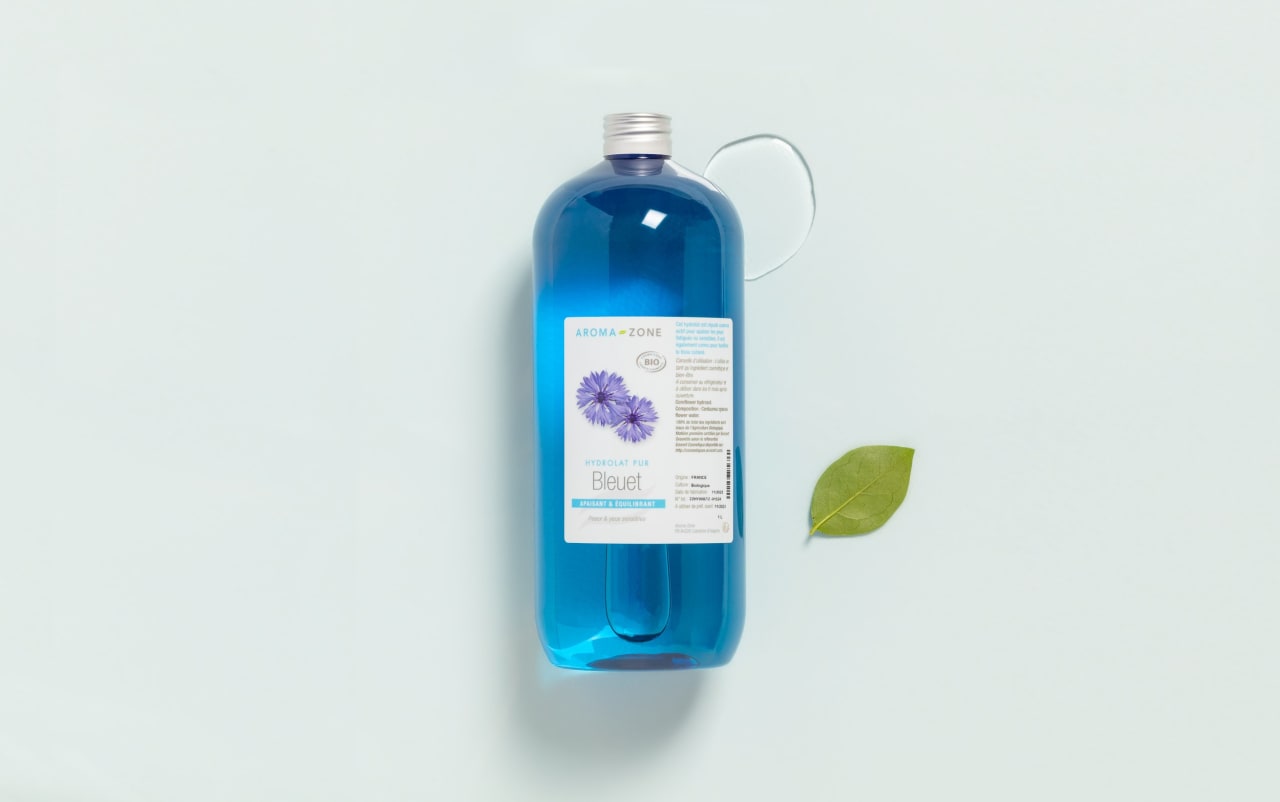
Organic Cornflower Hydrosol
Soothing
free delivery up to £25 in United Kingdom
100% secure payment CB, Visa, Mastercard, Paypal, Apple Pay, Google Pay

Ecocert

From France

100% Pure And Natural
Properties
Organic Cornflower Hydrosol is known for the following properties:
It soothes eyes that feel tired after a long day
Calming and revitalising, it refreshes, stimulates and brightens the complexion
Astringent and toning, it helps revitalise dry or lacklustre skin
Purifying and soothing, it relieves and comforts skin prone to sensitivity or irritation
Indications
Eye area care products
For tired, puffy, or irritated eyes
Dull or sagging skin
After-sun soothing body care
As an ingredient in your blends for spraying onto the skin of your face and neck after cleansing. Then apply your skincare cream or oil immediately to damp skin.
As a mild ingredient in soothing creams and lotions, or in homemade make-up remover lotions.
Incorporated in the aqueous phase of your homemade cosmetic formulas, it is ideal for:
Gentle make-up remover
Mascara for sensitive eyes
Lotion for overworked skin
Shower gel for sensitive skin
Rinse-off lotion for delicate skin
After-sun body care
A face mask
A lotion to apply with a compress to soothe the eyes
Synergies
To combat fine lines: gum rockrose, Helichrysum italicum, damask rose, May rose hydrosols, etc.
To cleanse and soothe the eyes: Roman camomile, rose, orange blossom hydrosols, etc.
Instant recipe by Aroma-Zone
"Back from work" swabs
Cornflower hydrosol
2 tablespoons
Roman chamomile hydrosol
1 tablespoon
Step 1
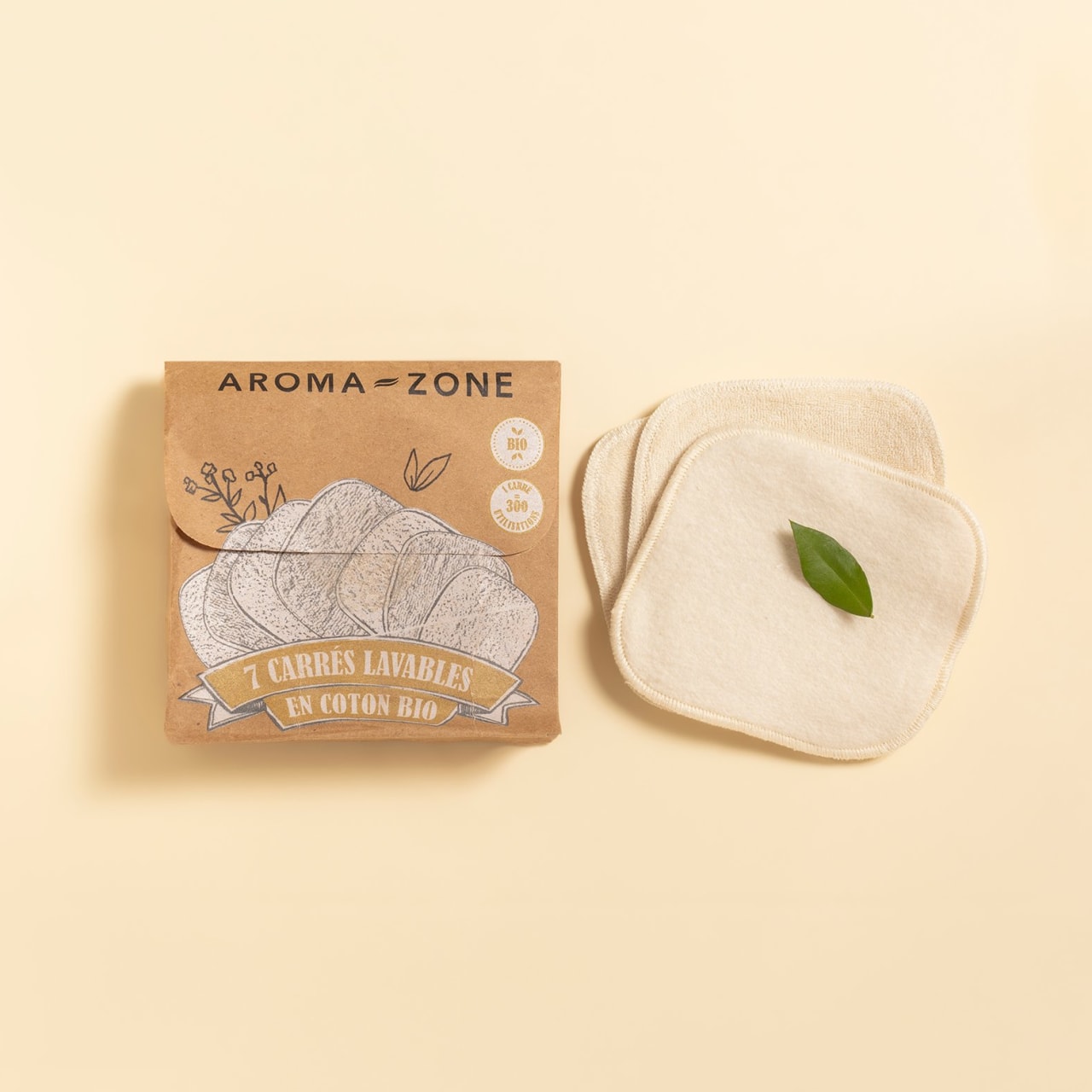
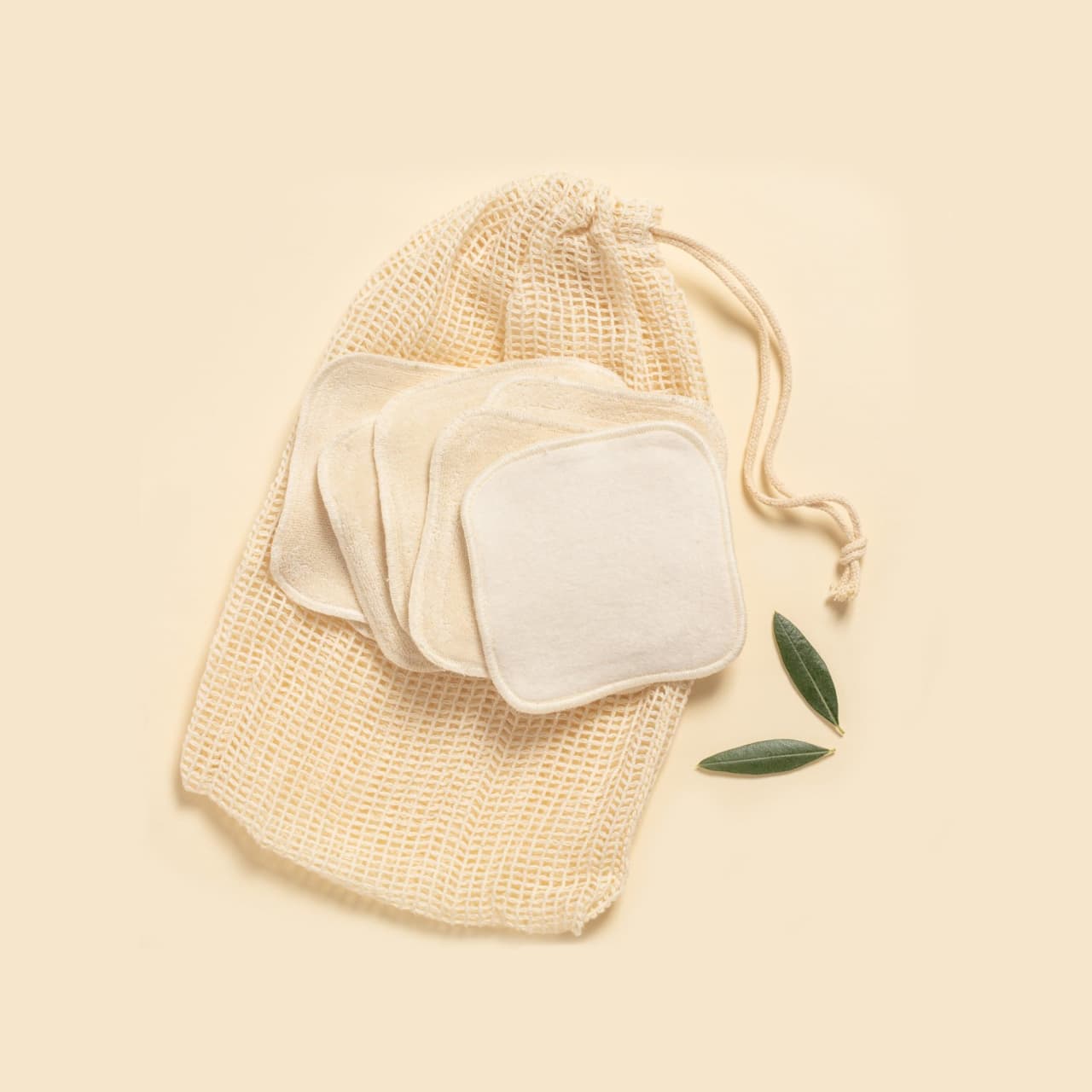
Soak 2 cotton pads in the mixture and place them over your closed eyes.
Step 2
Leave for 10 minutes and relax.
Cultivation
Organic, certified by Ecocert Greenlife in accordance with the Ecocert standard available at http://cosmetiques.ecocert.com
Quality
Fresh and 100% pure preservative-free product, microbiologically tested by the Aroma-Zone quality laboratory.
Production process
Steam distillation
Part of the plant used
Flowers
Botanical name
Centaurea cyanus
Botanical family
Asteraceae
Function
Cosmetic ingredient
INCI designation: Centaurea cyanus flower water
Concentration
To make 1 litre of hydrosol, 0.1 kilo of dried flowers are needed, known as the 1:10 ratio. This extraction ratio is lower than that required for most other hydrosols (1:1), but it is enough to obtain a pleasant olfactory result and a good concentration of active ingredients to ensure the hydrosol keeps well, as dry flowers are more concentrated in active aromatic ingredients.
Other names
Cornflower floral water, blue centaury, eyeglass water
Learn more
Cornflower is an annual plant native to Europe and a member of the Asteraceae family. It grows naturally in wheat fields, where its lovely blue to mauve blossoms appear between May and July. Today, it has become quite rare in the wild due to the widespread use of herbicides. Its Latin name derives from the Greek Kentaureion, meaning “herb of the Centaur Chiron,” who is said to have been the first to discover its healing virtues.
Cornflower has always been a symbolic flower. In France, for example, it represents the Armistice of November 11, 1918, and the veterans of the First World War, known as the "Poilus".
In traditional English folklore, young men in love would wore a cornflower in their buttonhole, and if the colour faded too quickly, it was said to mean that their love was not reciprocated.
Recognised by the Greeks for its decongestant properties, Cornflower Hydrosol is the perfect ingredient for soothing tired, puffy, or irritated eyes after a long day's work. It was also affectionately known as "eau de casse-lunettes" or "broken glasses water". This active ingredient will also charm you with its astringent, soothing and revitalising properties, ideal for restoring radiance to dull, damaged skin.
Organoleptic properties
Appearance: clear liquid
Colour: colourless
Odour: sweet, hay-like and slightly lemony
pH
4.5–6.0
Hydrosols are sensitive to pollution. As our Aroma-Zone hydrosols are fresh, pure products with no preservatives, we strongly recommend that you store them in the refrigerator and use them within 6 months of opening. When using them, make sure your hands are always clean and that you disinfect all utensils and bottles that come into contact with the hydrosols when preparing your homemade cosmetics. If you notice a change in appearance or smell, stop using the hydrosol.
Warning
The properties, indications and methods of use described above are derived from scientific literature and/or reference books or websites in aromatherapy, hydrolatherapy and phytotherapy. This general information is provided for informational purposes only and cannot under any circumstances be considered as medical information. This information cannot under any circumstances replace a diagnosis, consultation or medical follow-up, nor engage our liability.
Environmental qualities and characteristics product sheet
Reference
00778 - ORGANIC cornflower hydrosol 200 ml
Main packaging material
RPET (recycled PET) bottle
Recyclability
Most packaging can be recycled
Recycled material
Packaging contains at least 85% recycled material
Rewards and penalties
Aroma-Zone gets a bonus for managing packaging made from recycled plastic.
Reference
01524 - ORGANIC cornflower hydrosol 1 L
Main packaging material
RPET (recycled PET) bottle
Recycled material
Packaging contains at least 95% recycled material
Rewards and penalties
Aroma-Zone pays a penalty for managing this packaging: contains an element that disrupts sorting

EO = Essential Oil
VO = Carrier Oil or Macerated Oil
for 100g
Oily phase:
12 g of Macadamia nut carrier oil
10 g of Squalene
8 g of carrot macerated oil
4 g of emulsifying Vegetable wax
4 g of Jasmine wax
4 g of Lecithin
2 g of Stearic acid
Aqueous phase:
60 g of Cornflower hydrosol
0.5 g of Xanthan gum
0.75 g of Borax
Directions: Make an emulsion following the usual protocol. At the end of the process, perfume with essential oils of your choice.
Aroma-Zone Notes: Borax is an irritating and controversial raw material. You can replace the borax with an emulsifying wax. This cream should ideally be stored in a pump bottle to avoid contamination. Store in a cool place and use within two weeks of preparation. You can improve preservation by adding ten or so drops of grapefruit seed extract or Cosgard.
50 ml of Sesame carrier oil
30 ml of Cornflower hydrosol
10 ml of Roman chamomile hydrosol
2 teaspoons of vegetable lanolin substitute
20 drop of grapefruit seed extract
7 drops of vitamin E extract
Directions: Whisk together the lanolin and carrier oil. Slowly add the two hydrosols one after the other while emulsifying. Add the remaining ingredients.
Sweet almond carrier oil: 50 ml
Castor oil: 5 ml
Cornflower hydrosol: 10 ml
Chamomile hydrosol: 10 ml
Directions: Mix all the products in a bottle and shake vigorously before each use to mix the oils and hydrosols. Gently dab onto the eyelid to dissolve make-up, then wipe up and down very gently to avoid damaging the lashes.
4 g coconut butter
2 ml sea buckthorn oil
4 ml raspberry seed oil
6 ml avocado carrier oil
3 ml soy lecithin
2 g gum arabic
35 ml cornflower hydrosol
30 drops lavender essential oil
20 drops green myrtle essential oil
30 drops palmarosa essential oil
Directions: Melt the butter and lecithin in the oil in a bain-marie. Incorporate the gum into the hydrosol and then create a hot emulsion according to the usual procedure. Add the essential oils at the end of the process. Preferably pack in a pump bottle.
5 ml organic avocado carrier oil (highly penetrating oil, ideal for the eye area).
5 ml aromatic cornflower hydrosol (soothes, decongests and combats puffiness and bags under the eyes)
5 g organic aloe vera gel
9 drops of liquid soy lecithin
4 drops of plant bisabolol
1 drop of helichrysum essential oil (activates blood circulation, anti-haematoma properties, perfect for combating dark circles).
1 drop of vitamin E
3 drops of grapefruit seed extract
A pinch of aosaine (to stimulate the production of collagen).
Directions:
1- In a bowl, mix the aloe vera gel, carrier oil and hydrosol, in which you have previously dissolved the aosaine.
2- Add the lecithin, bisabol, helichrysum, vitamin E and grapefruit extract and mix thoroughly.
3- Pour the mixture into the roll-on and store in a cool place.
2 tablespoons of pink clay
Cornflower hydrosol
Directions: Add a few drops of the hydrosol to the clay to obtain a creamy paste. Apply to the eye contour area, leave on for about ten minutes, then rinse thoroughly with lukewarm water.
"Hydrosol Therapy: A Handbook for Aromatherapists and Other Practitioners"
Lydia Bosson and Guénolée Dietz - Editions Amyris
'Hydrosols, the next aromatherapy'
Suzanne Catty
'Understanding hydrosols: the specific hydrosols for aromatherapy'
Len and Shirley Price
'Plantes, huiles et parfums de beauté'
Marie-Françoise Delarozière and Raymonde Trierweiler
'Pharmacognosie. Phytochimie et plantes médicinales' 3ème éd.'
Jean Bruneton
Anti-inflammatory and immunological effects of Centaurea cyanus flower-heads.
Garbacki N, Gloaguen V, Damas J, Bodart P, Tits M, Angenot L., J Ethnopharmacol, 1999, 68(1-3), 235-41.
'Cosmétiques naturels'
Tiphaine Chagnoux and Hélène Baron
"Secrets de beauté au naturel"
Amélie Brochier
"The Essential Guide to Natural Skin Care"
Hélène Berton
'90 recettes de beauté bio à faire soi-même'
Sophie Macheteau and Vanina Guet
"Making Aromatherapy Creams & Lotions: 101 Natural Formulas to Revitalise & Nourish Your Skin".
Donna Maria
Frequently Asked Questions
Essential Oils
1 ml = approximately 35 drops (with our Aroma-Zone dropper caps)
Carrier Oils
1 pump (Aroma-Zone aluminium pump) = approx. 0.15 ml
Mass / Volume conversion (for a liquid)
Mass (g) = Density x Volume (ml) at 20°C
Further information
1 full teaspoon = between 3 and 4.5 ml
1 full tablespoon = between 7.5 and 10 ml
However, these spoon ratios depend on a number of factors (e.g. viscosity of the liquid, temperature, depth and size of the spoon, rheological behaviour of the liquid), and we strongly advise you to use precise measuring equipment, such as graduated test tubes, graduated pipettes, and precision scales.
Loading...
I tried it following the depletion of my usual rose water. It's different but it suits me too: incorporated into my evening routine until the restock of the rose water, which I prefer by far
Use twice a day
Very good scent and quality. Keep refrigerated.
This lotion is very pleasant and effective. I put it in the refrigerator as you advised and it really makes all the difference.
Good
Associated products
£2.00
1 article
£2.00
1 article
£0.50
1 article
£6.00
1 article
£7.00
1 article
£12.50
1 article
Associated tips
Face care tips
Face care tips


