Hydrosols or floral waters: what is the difference?

Hydrosols, or floral waters, are very gentle products and are generally well tolerated. Similar to scented skincare waters, they can be used by the whole family on a daily basis. They share more similarities than differences. For example, both can be used in recipes, cosmetics, perfumes, or aromatic baths (depending on the species distilled). The key difference lies in the part of the plant used during distillation.

Reading time: 0 min.

In short:

  • Hydrosols and floral waters are natural skincare products, known for their gentleness and versatility. They can be used in cosmetics, cooking, and wellness, and are suitable for the whole family thanks to their excellent tolerance.

  • The difference between them lies in the part of the plant that is distilled: floral waters come exclusively from flowers, while hydrosols can come from various parts (flowers, leaves, stems), with subtle differences in their use and composition to be discovered.

  • The article explains how to incorporate them into your routine according to your skin type and concerns.

Hydrosol: definition

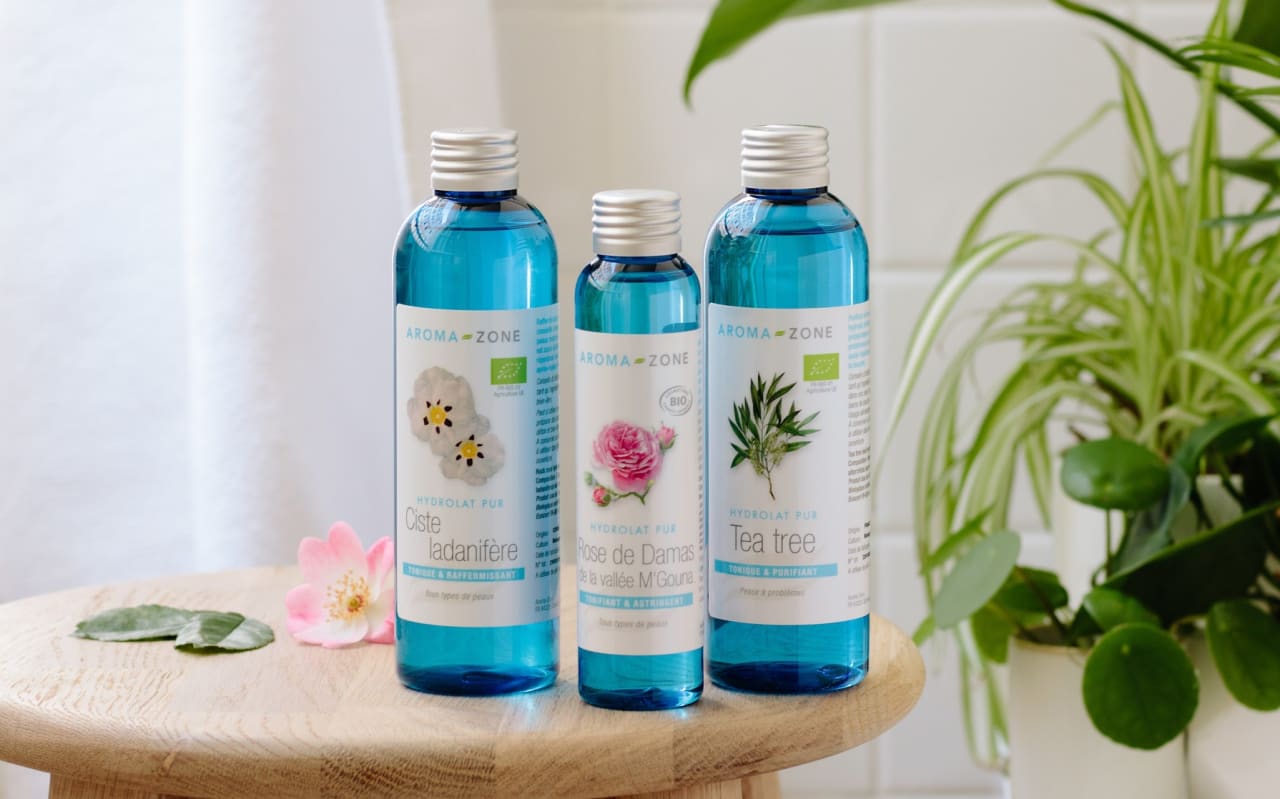
A hydrosol is also called a "hydrosol." It is a water-soluble liquid that is recovered during the steam distillation of plants. It can be made from any part of the plant above ground: leaves, twigs, flowering tops, resins, etc. It contains the same components as the associated essential oil, but in much lower proportions. In most cases, its beneficial properties are relatively similar. It is therefore a gentler option, particularly interesting for those who cannot use essential oils. This is the case for pregnant women, among others.

Example: we make our Cypress hydrosol by distilling fresh branches using steam distillation.

Did you know?

Some plants, such as linden, cannot be used to produce essential oils. However, it is still possible to make hydrosols from them.

How should it be used?

  1. In cosmetics. Pure or diluted, sprayed or applied as compresses to refresh the skin, remove limescale residue and even revitalize the appearance of your hair. It can also be used as an excipient in your beauty product recipes (replacing water in an emulsion, for example).

  2. In an aromatic bath. To subtly perfume the water in your bathtub.

  3. In perfume. To make pillow mists or body mists.

Floral water: definition

This is a "flower hydrosol" (and only flowers). It is obtained by steam distillation of the flowers of the desired plant species. This steam is charged with aromatic molecules: they are fragrant and give it specific properties. Once cooled in the still, the steam changes from a gaseous to a liquid state. As with hydrosols, distillers sometimes pass these small waters over the plants several times (a technique known as cohobation) in order to further impregnate them with their fragrance. The finished product is therefore a genuine skincare water.

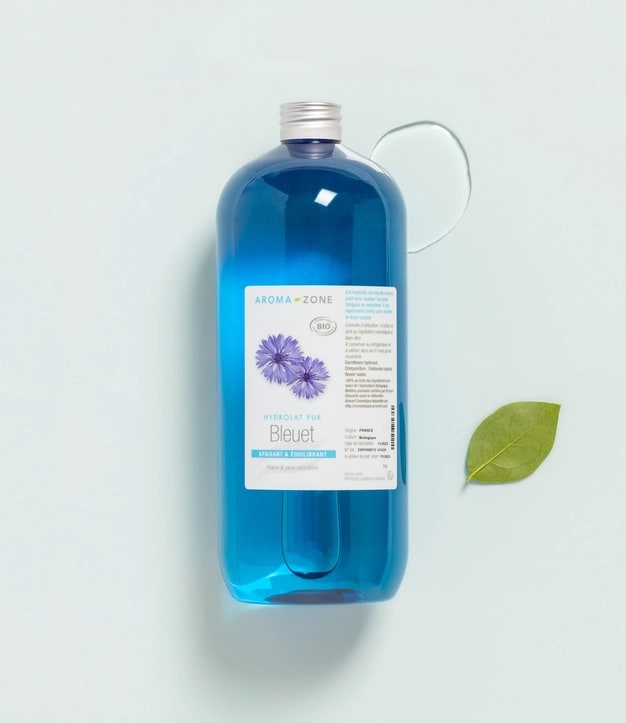
Example: Cornflower water is a floral water made exclusively from the flowers of Centaurea cyanus.

How to use it?

  1. For taking care of your skin and hair. Apply it pure or diluted to your skin or use it as an excipient in your cosmetic recipes (lotions, emulsions, serums, etc.).

  2. To perfume your baths. Pour a few tablespoons of floral water into your bathtub to enhance your moment of relaxation.

  3. To make scented waters. They add a very soft scent to your recipes for alcoholic perfumes, room sprays, or body waters.

Hydrosols and floral waters are by-products of the distillation process of plants (aromatic or otherwise). They are the water-soluble fraction that is recovered during the extraction of the plant's essential oil (the latter being the oil-soluble fraction).

The only difference: it is not the same part of the plant that is distilled. In the case of hydrosols, it can be any aerial part of the original plant (leaves, stems, bark, flowers, etc.). In the case of floral waters, only the flowers of the plant are distilled.

Good to know

Despite this difference, we tend to use the word "hydrosol" as a generic term that also encompasses floral waters.

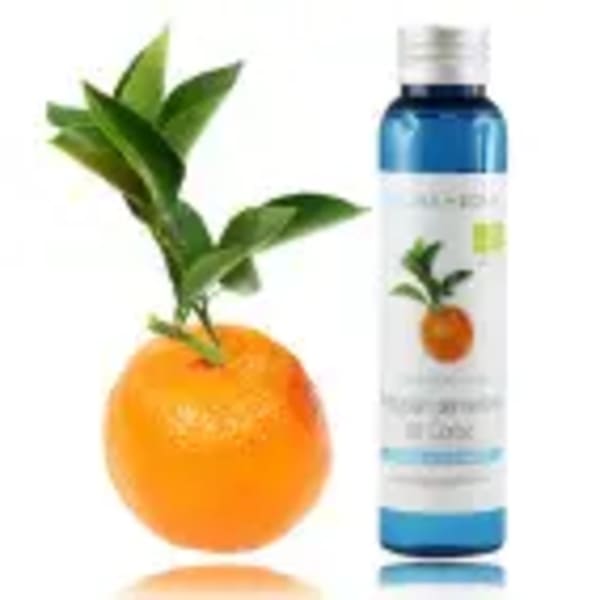
Organic Corsican Clementine Petitgrain Hydrosol

Its purifying properties help improve the appearance of oily skin and oily scalps.

Discover Organic Corsican Clementine Petitgrain Hydrosol

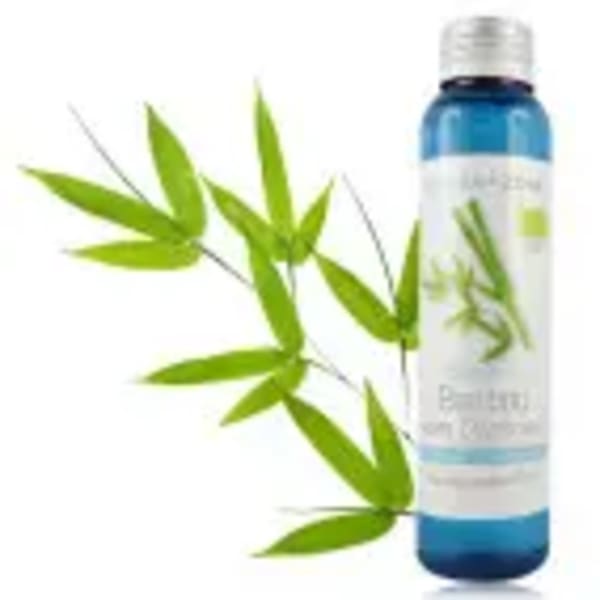
Organic Cévennes Bamboo Hydrosol

Ideal for combination skin prone to shine in the T-zone, it mattifies and softens the skin thanks to its natural silica content.

Discover Organic Cévennes Bamboo Hydrosol

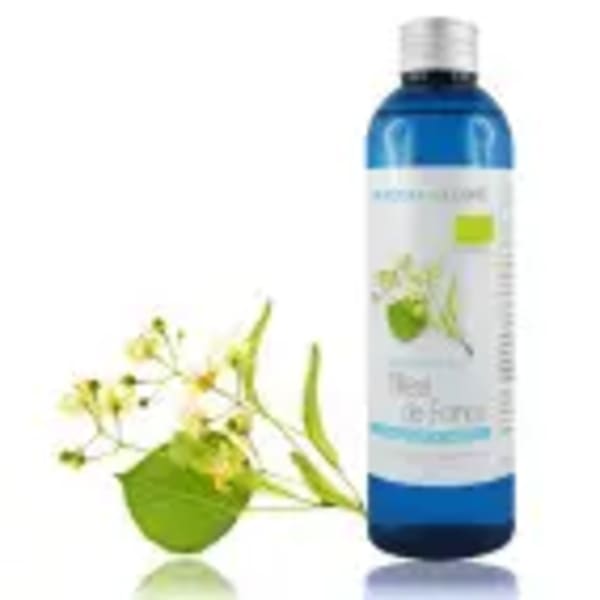
Organic French Linden Hydrosol

Soothing and calming, it cares for dry skin and brightens the complexion.

Discover Organic French Linden Hydrosol

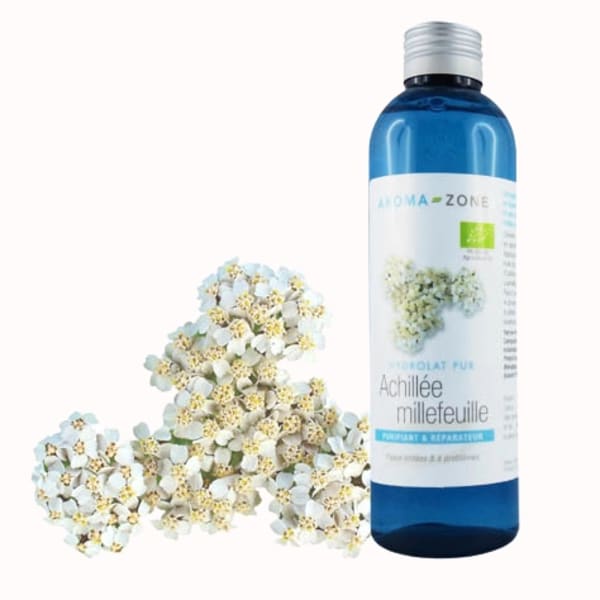
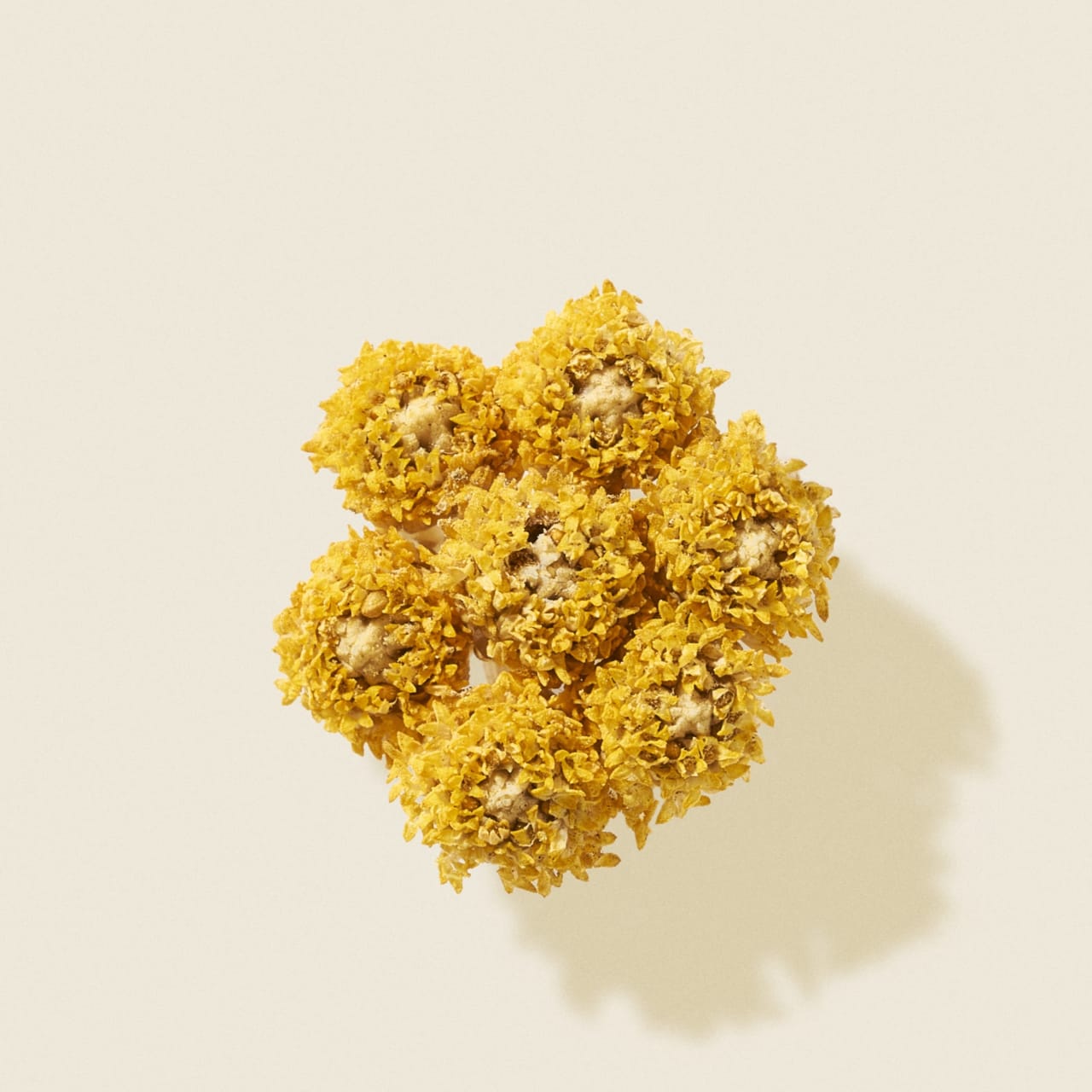
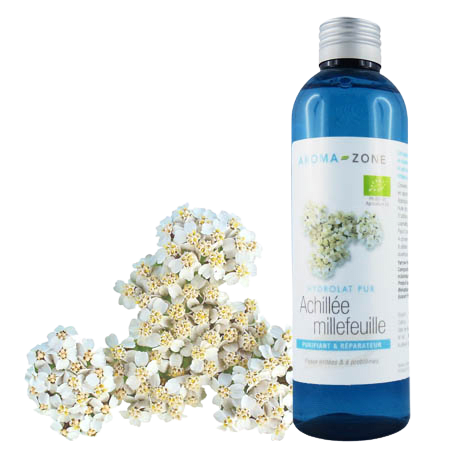
Organic Yarrow Hydrosol

Traditionally recommended for sensitive skin, it combats minor redness and skin discomfort.

Discover Organic Yarrow Hydrosol

As they contain fewer active molecules than essential oils, hydrosols and floral waters are very easy to use. They are just as easy to combine, either with each other (mixing several hydrosols/floral waters) or with other aqueous substances. This is an opportunity to create beautiful plant synergies to target the beauty concerns of your skin type. Here are a few examples of synergistic combinations to guide and inspire you.

  • You have redness: orange blossom hydrosol + rockrose hydrosol.

  • You have blemishes: Spike lavender hydrosol + Tea tree hydrosol.

  • You have a dull complexion: wild carrot hydrosol + ylang-ylang hydrosol.

  • You have sensitive skin: Roman chamomile hydrosol + calendula hydrosol.

  • You have fine lines and wrinkles : wild frankincense hydrosol + Damask rose hydrosol.

Pschitt prodigieux nouvelle peau

Energizing and rejuvenating May Rose skincare water

Orange blossom pillow mist

Cucumber Cream with Mint & Bay St. Thomas Hydrosols

In our nature notebook, you will find hydrosols, floral waters... but also aromatic waters! Unlike hydrosols, the latter are not obtained by direct distillation of the plant. They are often produced by steam redistillation of a mixture of water and aromatic substances, such as essential oils and absolutes. This is the case with our aromatic waters of Yuzu, Lemon Litsea, Sambac Jasmine, and Sandalwood. The method of use (cosmetics, aromatic bath, perfume, etc.) varies from one aromatic water to another. You will find all the necessary information and our recommendations on our technical data sheets.

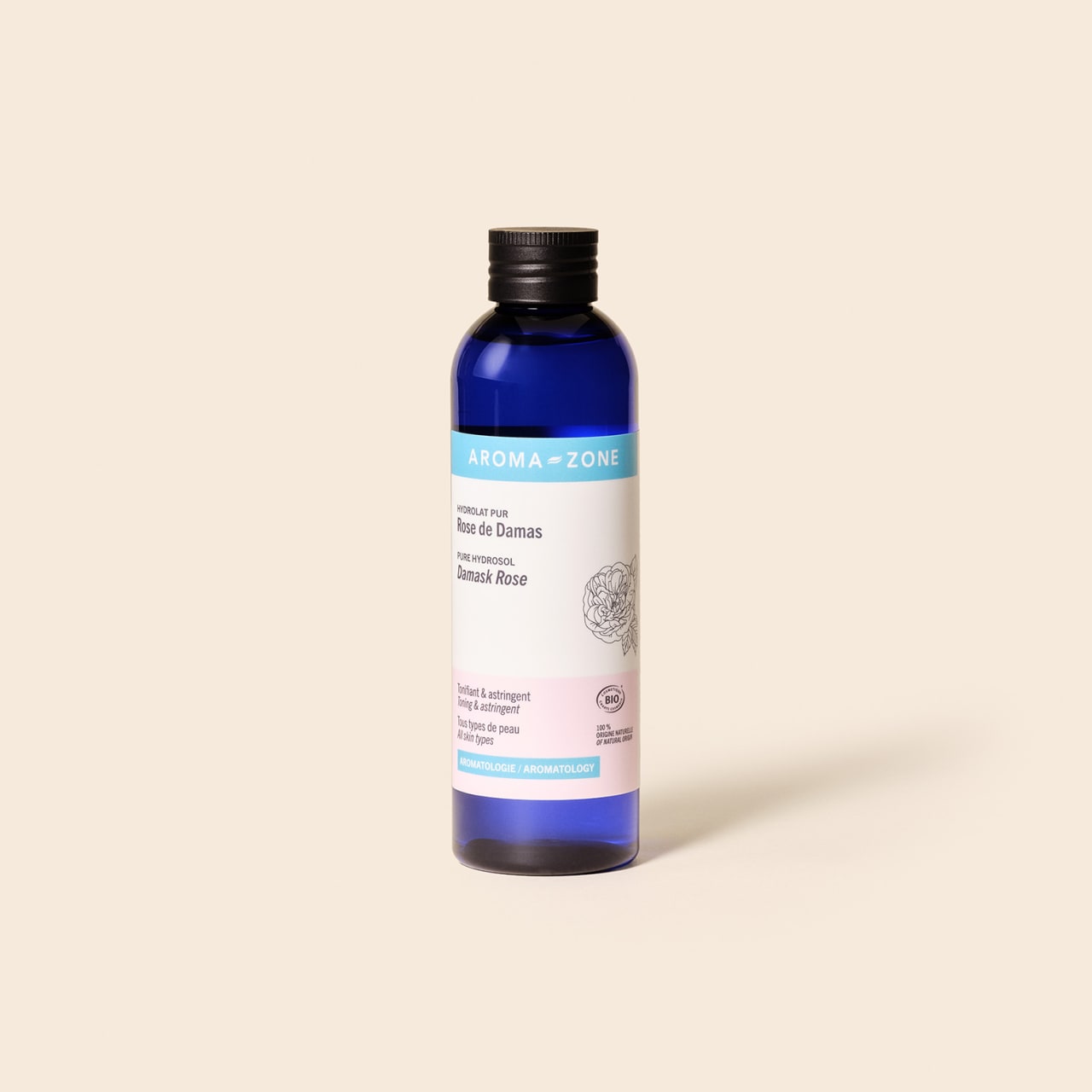
No, rose water is a floral water, because it is the petals of the flower that are distilled. In fact, it takes 1 kg of fresh rose petals to obtain 1 liter of high-quality floral water. It is this 1:1 ratio that makes it such a precious product. Rose floral water (from Damask or May roses) is used in cosmetics to soften delicate skin.

Here again, we are talking about stricto sensu floral water. This product is particularly appreciated for its floral, sweet and soothing scent. It can be used in many ways, starting with skin care. An ally for dry and sensitive skin, it restores radiance and freshness. In terms of well-being, it is known to calm nervous states and facilitate sleep. It can even be used in the formulation of perfumes.

Spotlight on our specialist editor, Hélène Betoux

Hélène Betoux is a French beauty journalist specialising in web media. Every day she writes tips, advice and guides to help consumers choose the right beauty products. With a strong interest in natural, organic and clean cosmetics, she analyses and shares trends and innovations in the sector.