
Blisters form when the skin is subjected to repeated friction or localised pressure. Imagine the outer layer of the skin sliding slightly over the layer beneath: this movement creates a small tear between them, and to protect the weakened tissue, the body fills the space with a clear fluid called serum. This fluid acts like a natural cushion, protecting the area and promoting skin repair. The most common areas affected are therefore the feet – particularly when new shoes rub against the heel or toes – and the hands, especially among sportspeople or musicians who regularly handle tools or instruments. Skin is more prone to blisters when it is thin, damp, or exposed to heat, as these factors increase friction.
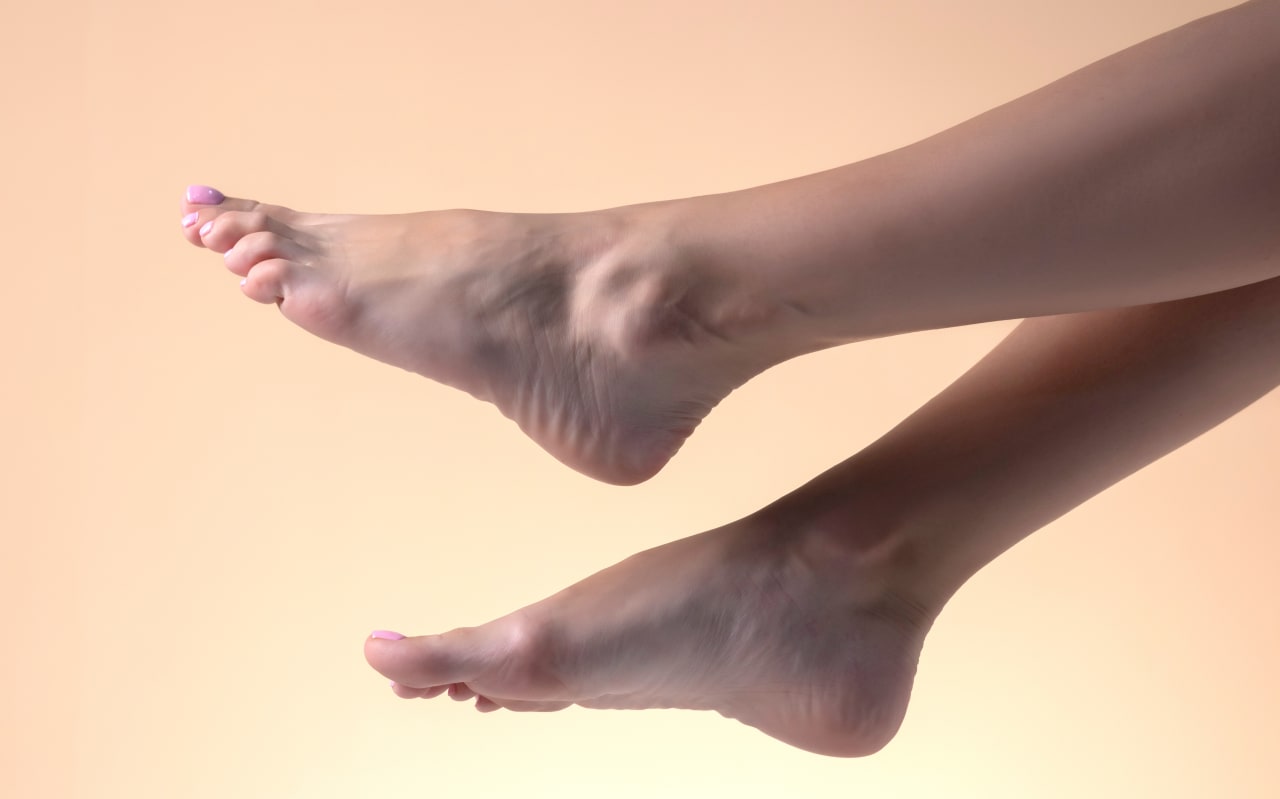
How to Treat a Foot Blister with Traditional Home Remedies
Published on: Wednesday, August 03, 2022, Updated on: Wednesday, October 28, 2026
A blister, or phlyctena, is a small pocket of clear fluid that forms on the skin as a result of repeated rubbing, for example, inside shoes for blisters on the feet, or from contact with sports equipment for those on the hands. Similar blisters can also appear after a burn, sunburn or skin reaction, but this article focuses only on friction blisters. Discover our simple tips and traditional home remedies to help ease the pain, protect the skin and support the natural healing of foot blisters.
Contents
Related products
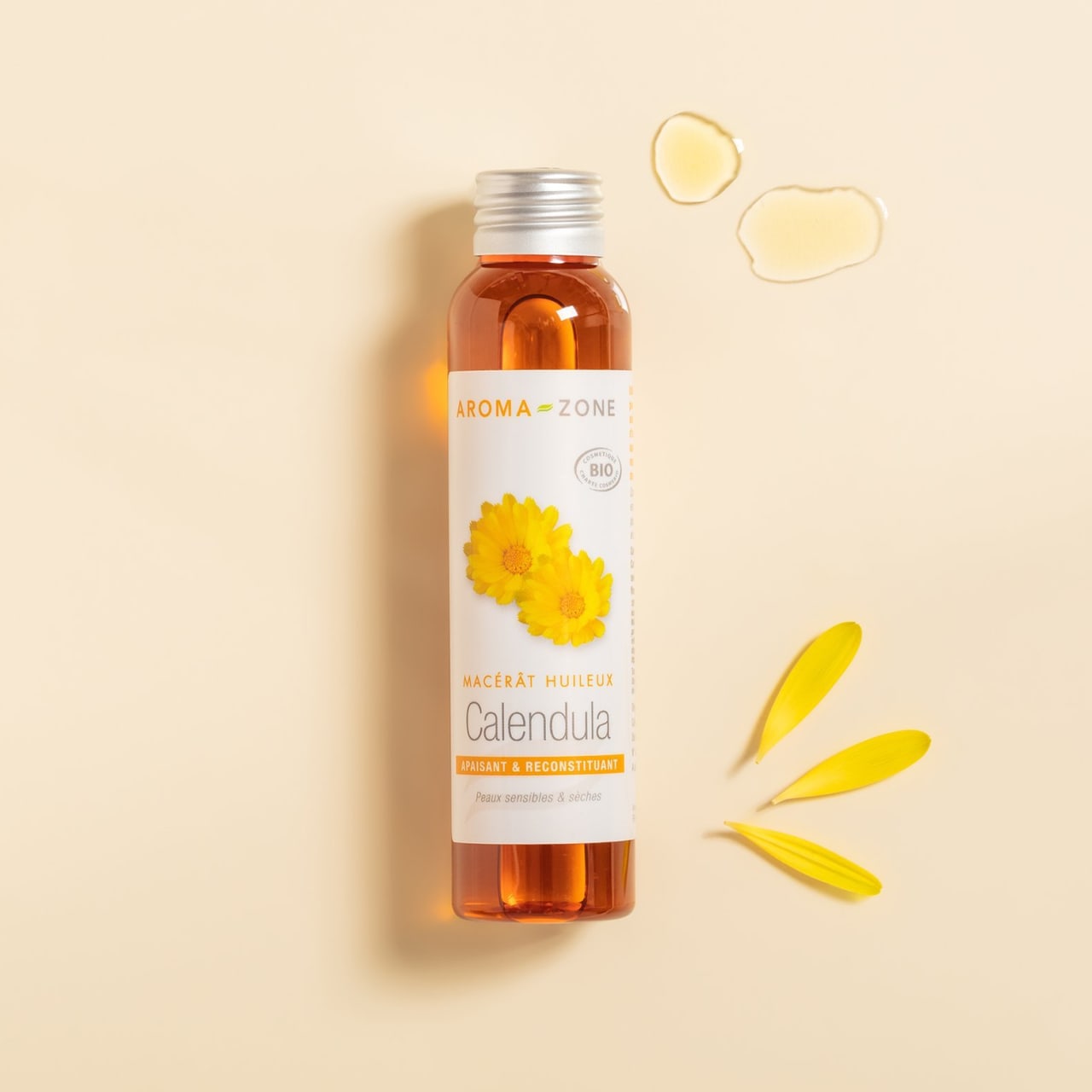
Organic Calendula Infused Oil
Soothing
£6.50
100 ml
2 options

£5.00
100 ml
2 options
How Do Blisters Form on the Feet?
Good to know: A blister is a sign that the skin is protecting itself from mechanical stress; in other words, reduce friction and allow time for the area to heal.
What Steps Should You Take?
Blisters, although harmless, can quickly become uncomfortable, especially on the feet. Taking the right steps as soon as they appear helps to minimise pain, protect the skin and promote optimal healing. Discover our tips:
Protect the Area: Cover the blister with a plaster or soft dressing to minimise friction and prevent it from bursting accidentally. The aim is to create a physical barrier whilst allowing the skin to breathe slightly.
Do not Pierce the Blister: Even if it seems uncomfortable or painful, the fluid inside forms a natural barrier against bacteria and promotes healing. Piercing the blister increases the risk of infection and can slow healing.
Wash Gently: Clean the area with lukewarm water and mild soap, without rubbing. This removes impurities whilst being gentle on the delicate skin and minimising irritation.
Let the Skin Breathe: Whenever possible, remove the plaster for a few moments to allow air to circulate and the skin to dry naturally. This short break aids healing and prevents moisture build-up, which could encourage bacteria.
Reduce Pressure and Friction: Adjust your shoes, socks or kit so as not to aggravate the blister. Specialised pads or plasters can help distribute pressure and relieve pain.
Monitor Its Progress: Check the blister every day. Significant redness, marked swelling, or unusual discharge are signs to watch for and, if needed, consult a healthcare professional.
Prioritise Comfort: Wear looser-fitting shoes, clothing, and socks made from natural fibres to minimise friction, especially during prolonged activities such as walking or playing sport.
The Best Home Remedies
Natural, gentle, and effective ways to relieve blister pain on your foot exist. Follow our guide to prevent blisters from forming, or to get back to feeling comfortable if a blister has already appeared:
Soothing Foot Baths
After a tough day on your feet, treat yourself to a lukewarm foot bath using one of the following options, depending on your preference:
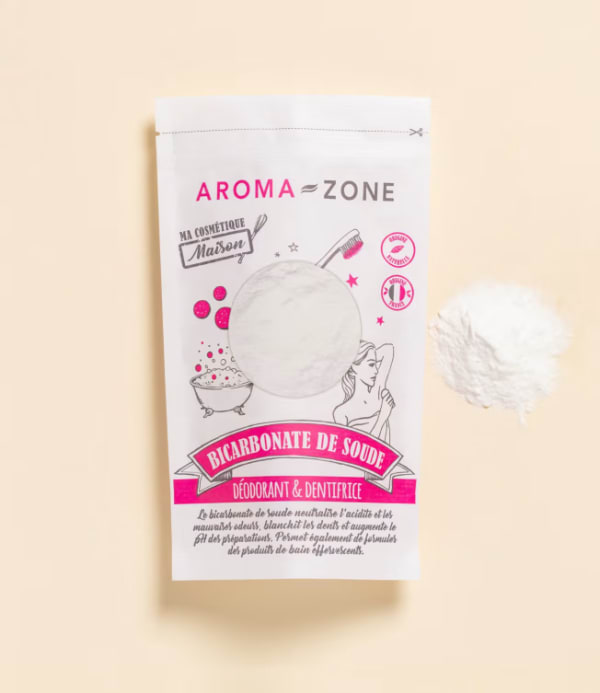
Bicarbonate of Soda Foot Soak: Pour 2 tablespoons of bicarbonate of soda into a basin of lukewarm water. This mixture cools overheated feet, soothes redness from rubbing, and helps cleanse areas that are already sensitive or prone to blisters.
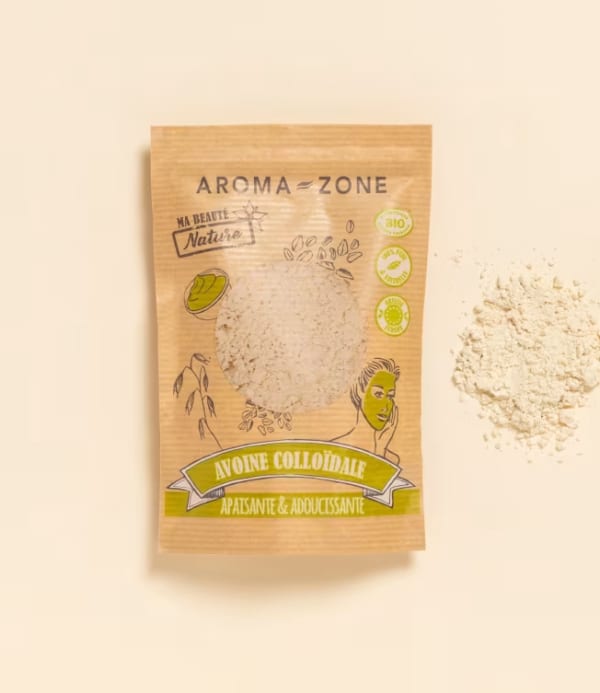
Colloidal Oatmeal Foot Soak: Add 2 tablespoons of colloidal oatmeal powder to lukewarm water to create a gentle, soothing soak. This traditional remedy softens the skin, provides immediate relief and can help prevent new blisters from forming by softening areas prone to friction.
The Top 3 Essential Oils for This Purpose
Essential oils can help relieve a blister on the foot. Discover our three favourite essential oils for this type of discomfort below, and how to use them:
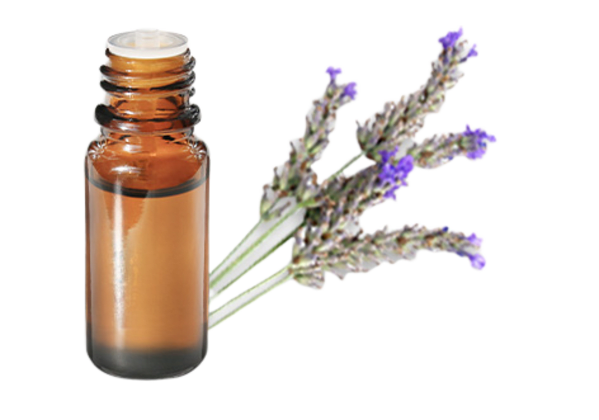
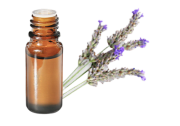
Organic Spike Lavender Essential Oil: An essential item in any ‘first-aid’ kit, Spike Lavender essential oil helps to relieve burns, sunburn and blisters. Rich in linalool and camphor, it quickly soothes discomfort, calms irritated skin, and promotes skin recovery after a blister.
Precautions: Not recommended for children under 6 years of age, pregnant or breastfeeding women, or people with epilepsy; always keep out of reach of children. Avoid contact with the eyes and mucous membranes. Do a skin test 48 hours before use, and avoid contact with the eyes, following the specific precautions for cosmetic use.
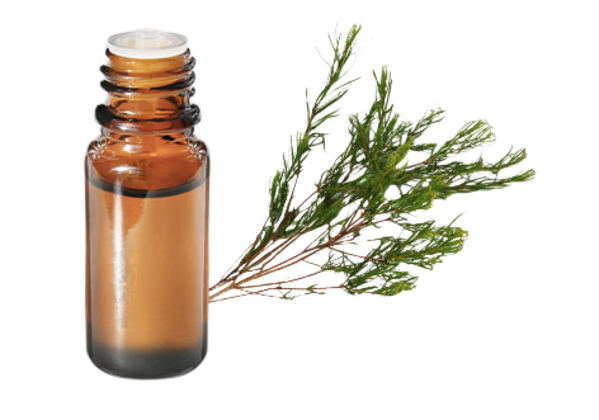
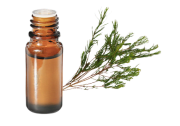
Organic Tea Tree Essential Oil: Also a must-have in any first-aid kit, tea tree essential oil is best known for cleansing the skin in the event of blisters, spots or grazes. Thanks to its properties, it helps prevent the risk of infection if a blister bursts.
Precautions: Not recommended for pregnant or breastfeeding women, or for children under 6 years of age. Not recommended in cases of kidney failure. Always use in diluted form. Avoid contact with the eyes and mucous membranes. Do a skin test 48 hours before use, follow the precautions for cosmetic use, and store it in a cool place away from light, ideally in the fridge.
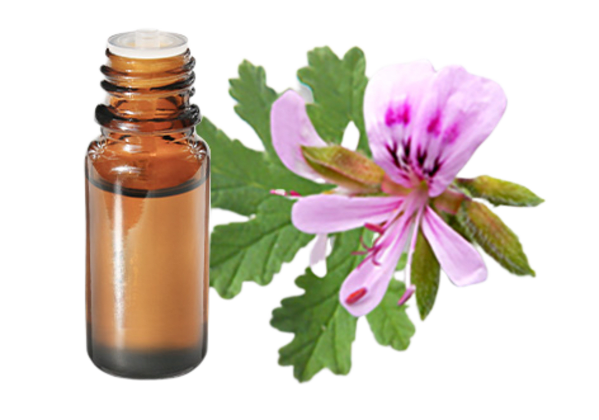
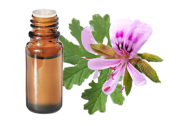
Egyptian Geranium Essential Oil: Rich in monoterpenols and with purifying, restorative properties, rose geranium essential oil is ideal for soothing blister discomfort. With its astringent properties, it helps dry out oozing, burst blisters and promotes the healing of small wounds.
Precautions: Do not use on pregnant or breastfeeding women, children under 6 years of age, or people with epilepsy. Avoid contact with the eyes and mucous membranes. Internal use is restricted to therapists. Risk of drug interactions. Carry out a skin test 48 hours before use.
How to Help Prevent Blisters on the Feet
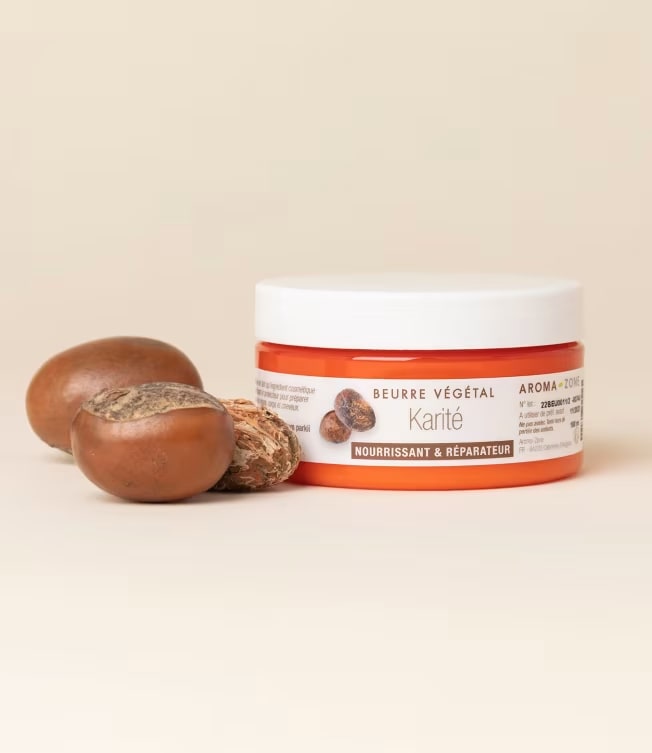
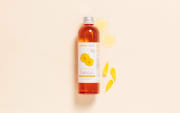
Deodorised (Wild) Shea Butter
To prevent blisters, apply a small amount of shea butter to friction-prone areas before a hike or long run. The butter forms a protective film and helps prevent blisters.
Recipes by Aude Maillard, PhD in Pharmacy and aromatherapist
Precautions
Essential oils are powerful natural concentrates. Please refer carefully to the intended uses and precautions for use on each product information sheet. Store them in a suitable glass bottle, away from light and air.
Keep out of reach of children. Do not use on pregnant or breastfeeding women, or on children under 6 years of age. Avoid contact with the eyes and mucous membranes. Please refer to the General Safety Information Sheet for Essential Oils as well as the specific information sheet for each essential oil.
Expert advice
Popping a blister is generally not recommended as it can increase the risk of infection and slow down the healing process. Allow the skin to cover the area naturally and protect it with a suitable plaster to minimise friction. If the blister becomes very uncomfortable or is likely to burst on its own, consult a healthcare professional or ask your pharmacist for advice.
Aude Maillard, Doctor of Pharmacy, Aromatherapist, and Reflexologist

Aude is a practitioner and graduate in scientific aromatherapy, foot reflexology, and olfactotherapy; she takes a comprehensive approach to essential oils, combining scientific and energetic perspectives. She is passionate about essential oils and eager to share her knowledge. Aude now leads aromatherapy workshops at Aroma-Zone and is also available for personalised consultations.
Bibliography
NHS. (2023). Blisters. NHS. https://www.nhs.uk/conditions/blisters/
Vidal. (2020). Blisters – symptoms, causes, treatments and prevention.
VIDAL. https://www.vidal.fr/maladies/peau-cheveux-ongles/ampoule.html
Amin, M., & co-authors.
(2020). The effects of lavender essential oil on wound healing: A review of the current evidence. Journal of Ethnopharmacology. PubMed. https://pubmed.ncbi.nlm.nih.gov/32589447/
Silva, T., & co-authors.
(2023). Effects of carvacrol, thymol and essential oils containing such monoterpenes on wound healing: A systematic review. Journal of Pharmacy and Pharmacology, PubMed. https://pubmed.ncbi.nlm.nih.gov/30537169/
Essential oils: Warnings and precautions for use
https://www.aroma-zone.com/public/pdf/GC019.pdf

Frequently Asked Questions
Associated tips
Wound care tips

Skin care tips
Body Care Tips


