Myth or reality: preparing your skin for the sun – a useful habit or a myth?

Myth or reality: preparing your skin for the sun – a useful habit or a myth?


By Lou Dumas

Published on: Thursday, April 23, 2026, Updated on: Monday, October 12, 2026

Every spring, the same idea resurfaces: preparing your skin before sun exposure is said to help you tan more evenly, limit sun damage, and even better manage UV rays. It’s an appealing idea, but one that warrants further clarification. The scientific literature suggests that there are indeed effective ways to improve the skin’s resistance to certain effects of ultraviolet radiation. However, it also emphasises that no preparatory measures can replace properly applied sun cream or common-sense precautions (2).

Contents

Related products

In brief

  • Whilst certain strategies can help the skin cope better with UV-related oxidative stress, they are never a substitute for proper sun protection.

  • Dietary supplements and antioxidants act as supplementary measures, with effects that vary depending on the dose, duration and the active ingredients studied.

  • According to the literature, the most effective preparation remains a combination of preventive measures: clothing, a hat, shade and topical sun protection used correctly.

Preparing your skin for the sun: is it really worth it?

Yes… provided we clearly define what we mean by ‘preparing’. 

  • If the aim is to protect the skin from the sun, the answer is no. 

  • On the other hand, if we’re talking about helping the skin cope better with UV-induced oxidative stress, the verdict becomes more nuanced. Several studies show that certain carotenoids, taken over several weeks, can modulate the skin’s response to UV radiation. For example, a randomised trial observed an improvement in certain parameters related to UVA-induced pigmentation after 12 weeks of supplementation (1). Recent reviews confirm this trend: certain supplements (carotenoids, polyphenols, botanical extracts) show potential as oral photoprotection. However, at this stage, the evidence remains mixed and still limited (2). 

Preparing the skin may therefore be worthwhile as part of a holistic approach, but it remains a complementary strategy rather than a form of protection in its own right (2).

What are the limitations of this practice?

  1. The first limitation concerns timing. Studies show effects after several weeks, not after a few days. A last-minute treatment is therefore unlikely to be effective (1).

  2. The second limitation lies in the over-interpretation of the results. An improvement in certain biological markers does not mean you won’t get sunburnt, nor does it guarantee protection against skin damage.

  3. The third limitation, linked to the previous one, is probably the most significant: a false sense of security. Feeling prepared may lead to greater exposure to the sun or to neglecting standard protective measures. However, prevention relies on a set of complementary measures, of which sun protection remains central (5).

  4. Finally, this approach does not take individual factors into account: skin type, skin sensitivity, medical history or photosensitising treatments.

According to research, what measures are actually effective in preparing for sun exposure?

Before looking into preparing your skin, it is worth revisiting what research considers to be truly effective in limiting the impact of UV rays. Rather than relying on a single approach, sun protection is based on a combination of complementary measures, some of which take effect beforehand, whilst others act at the time of exposure. 

Steps to take before sun exposure

What the research says and how to apply it in practice

Taking a course of carotenoids several weeks in advance

Some clinical studies show that regular carotenoid supplementation can modulate the skin’s response to UV radiation, in particular by increasing certain tolerance thresholds (1). In practical terms, this means that the skin can better withstand some of the oxidative stress associated with exposure. This effect is gradual, depends heavily on the duration of the course of treatment, and does not protect against sunburn or long-term damage.

Supporting the skin with antioxidants

Antioxidants (carotenoids, polyphenols, vitamins C and E, etc.) help to neutralise some of the free radicals generated by UV radiation. The literature suggests they offer real benefits, particularly when used in conjunction with sun protection (2)(4). In practice, they form part of a comprehensive routine to limit oxidative stress, but do not in any way act as a barrier against UV rays.

Apply a suitable broad-spectrum sun cream in sufficient quantity

This is the best-documented measure to date. Sunscreens help reduce direct exposure to UV rays and contribute to the prevention of photoageing and certain skin cancers (5). However, their effectiveness depends on correct use: sufficient quantity, even application and regular reapplication. Without this, the protection is significantly reduced.

Using physical protection (clothing, hats, etc.)

Scientific recommendations emphasise the importance of physical measures, which are often underestimated. They directly reduce the dose of UV radiation absorbed by the skin, regardless of the products used (3). In reality, it is often these simple measures, such as wearing appropriate clothing, that make the biggest difference, particularly during prolonged exposure.

Adjusting one’s behaviour in the sun

Avoiding the hours when radiation is at its strongest (generally between 12 noon and 4 pm) remains a key strategy for limiting cumulative exposure (3). This behavioural approach is sometimes overlooked, even though it is one of the most effective ways of reducing UV-related risks. Weather apps now include a UV index, which is useful for gauging the strength of the sun’s rays.

Combining approaches rather than seeking a single solution

The literature converges on a central idea: no single strategy is sufficient on its own. Effectiveness relies on a combination of several measures: topical protection, physical measures, exposure management and, where appropriate, antioxidant support (2)(5). It is this ‘layered’ approach that enables the development of a coherent and realistic protection strategy.

Our conclusion, based on the scientific literature

Myth or reality?

Preparing your skin for the sun is therefore neither a myth nor a miracle cure. It is based on a sound intuition: that you can support your skin in advance to help it cope better with intense environmental stress. And, on this point, the scientific literature provides some interesting insights, particularly regarding carotenoids and antioxidants (2). However, this idea becomes misleading when interpreted as a form of ‘protection’: no preparation, however rigorous, can replace external photoprotection mechanisms.

What sun preparation actually achieves

Under certain conditions, particularly when started several weeks before exposure, sun preparation can help to strengthen certain skin defence mechanisms. This is mainly achieved by supporting the antioxidant systems, which help the skin to better manage some of the oxidative stress induced by UV radiation (1)(2). It can also help the skin adapt more gradually to exposure, particularly when returning to the sun after winter. It is therefore less about preparing the skin to tan and more about better supporting the skin in the face of a harsh environment, in line with a holistic approach to skincare.

What it does not guarantee

This point is essential, and often misunderstood. Preparing the skin for the sun does not protect against sunburn, skin burns, or the cumulative effects of ultraviolet radiation. Nor does it prevent photoageing, pigmentation spots or even DNA damage linked to excessive exposure (5). Above all, it does not significantly alter the risk in the event of prolonged exposure without suitable protection. It is precisely this confusion that fuels the misconception that a single product is sufficient, whilst the literature emphasises the need to combine several forms of protection (2)(5).

Food for thought

What if the question were not “how do we prepare our skin for the sun?”, but rather: “why do we seek to compensate for exposure that we could, in part, avoid?” The notion of preparation can sometimes reflect an implicit desire to expose ourselves to more sun, based on the idea that the skin would be better equipped. However, science does not support this view. On the contrary, it urges us to rethink our relationship with the sun by prioritising gradual and sensible exposure, fully incorporating protective measures, and viewing supplements and skincare products as supports, not as solutions. Preparing one’s skin, in this context, becomes a logical step. But to believe that this preparation is sufficient in itself is to harbour an illusion. 

Changing our approach to tanning means understanding that it is nothing more than a protective mechanism against UV rays. As some UV rays are classified as carcinogenic, deliberately tanning is tantamount to exposing ourselves to foreseeable damage to the DNA of our cells, which can lead to skin cancer. Deliberate tanning is therefore an activity to be avoided. If you want a healthy glow, self-tanning is the way to go.

Our best products for preparing your skin for the sun

visuel-catalogue_ca-complexe-solaire.png

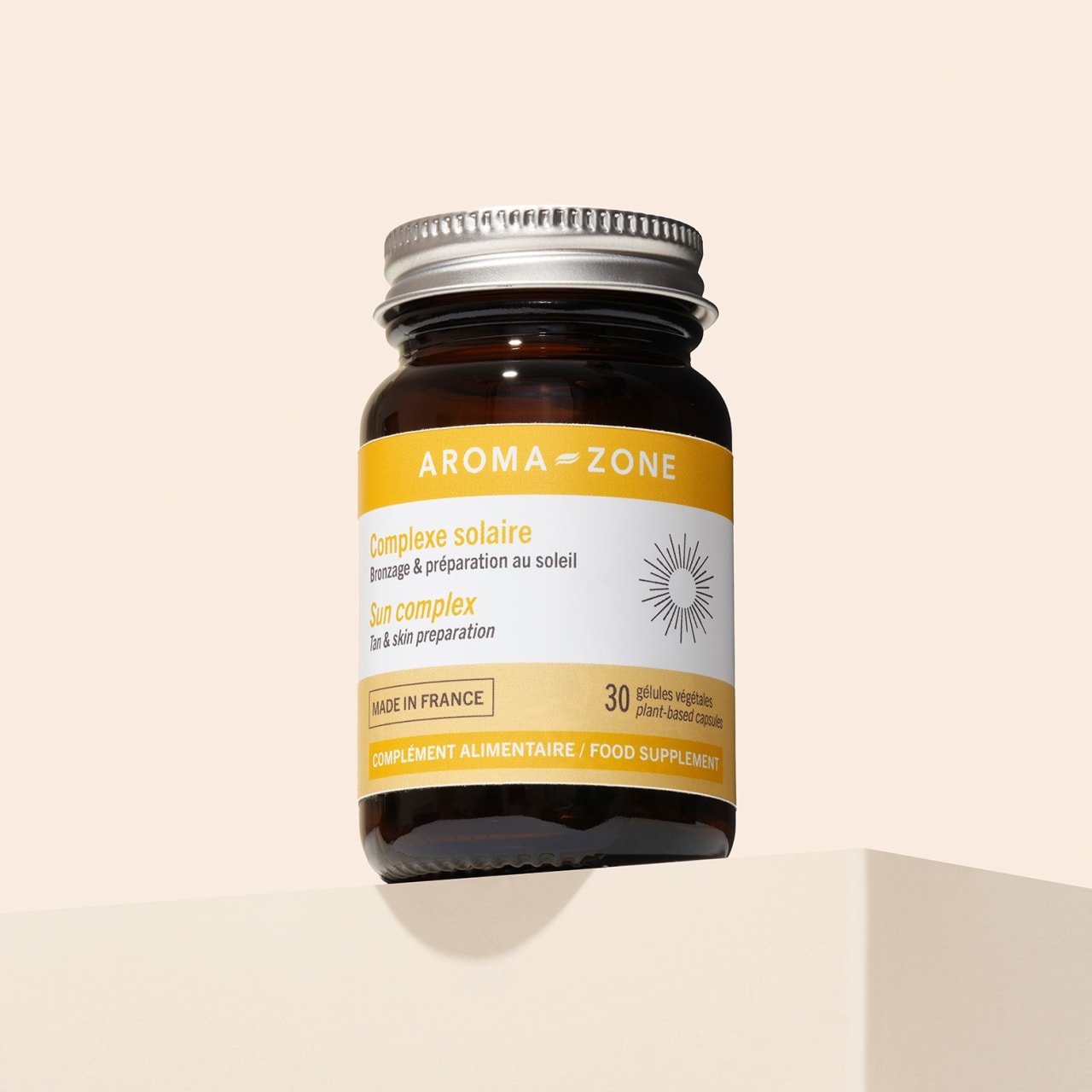
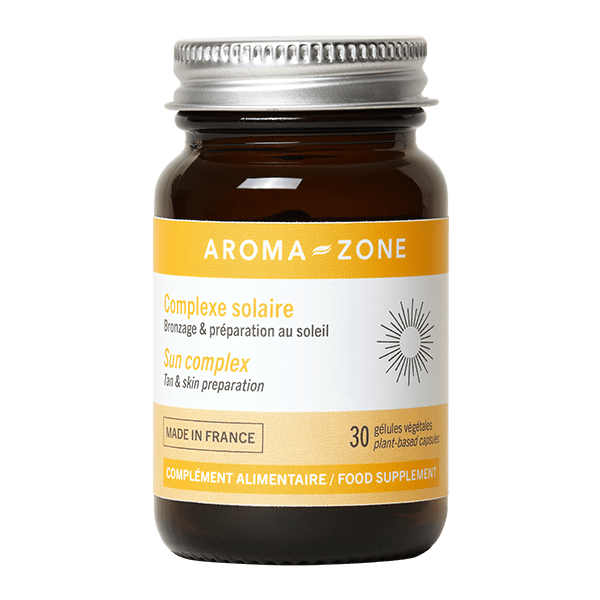
Sun Care Complex

A targeted and comprehensive formula containing the active ingredient NutroxSun®, proven to strengthen the skin against the harmful effects of solar radiation; a synergy of carotenoids (lutein, zeaxanthin, lycopene) with skin-brightening and antioxidant effects, selenium and vitamin E for cellular protection, copper to support pigmentation, and evening primrose oil to keep the skin supple and nourished. Take 1 capsule daily, with a glass of water. For adults only. Not recommended for pregnant or breastfeeding women. Not recommended in cases of biliary obstruction or other disorders of biliary function. Does not replace the use of sun protection.

Discover the Sun Complex

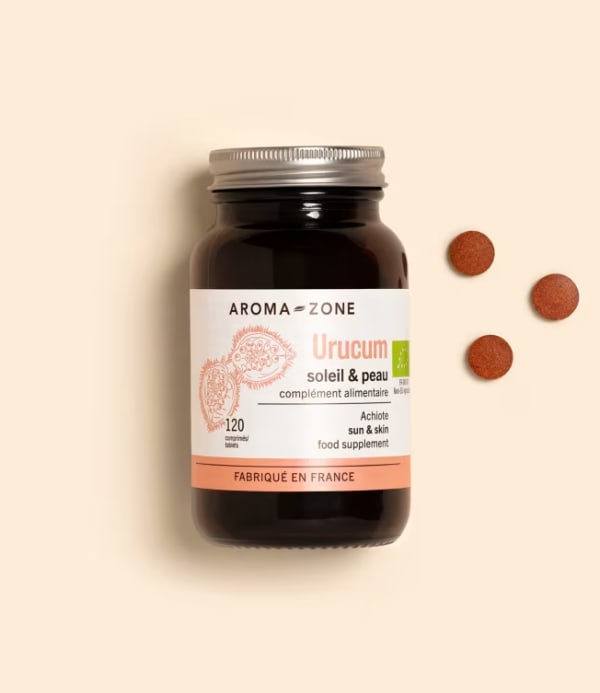
Organic Urucum – 120 tablets – Dietary supplement

Organic Urucum dietary supplement

Rich in carotenoids, particularly bixin, Urucum is traditionally used in seasonal skincare routines. This plant-based microalgae is prized for its natural pigment content, which helps to enhance the colour and radiance of the complexion. As part of a course of treatment, Urucum forms part of a holistic approach aimed at supporting the skin ahead of periods of sun exposure, particularly as part of a beauty routine designed to promote a healthy glow. It is not a sunscreen and does not replace sun protection measures. To maximise the effectiveness of Urucum, it is best to start the course several weeks before sun exposure, but it is never too late. Take 2 to 4 tablets a day, swallowed with a large glass of water, until the jar is finished. You may continue taking it for the duration of your sun exposure. Not recommended for pregnant or breastfeeding women, or for smokers. Do not use if you are allergic to annatto (roucou).

Discover the Urucum Organic dietary supplement

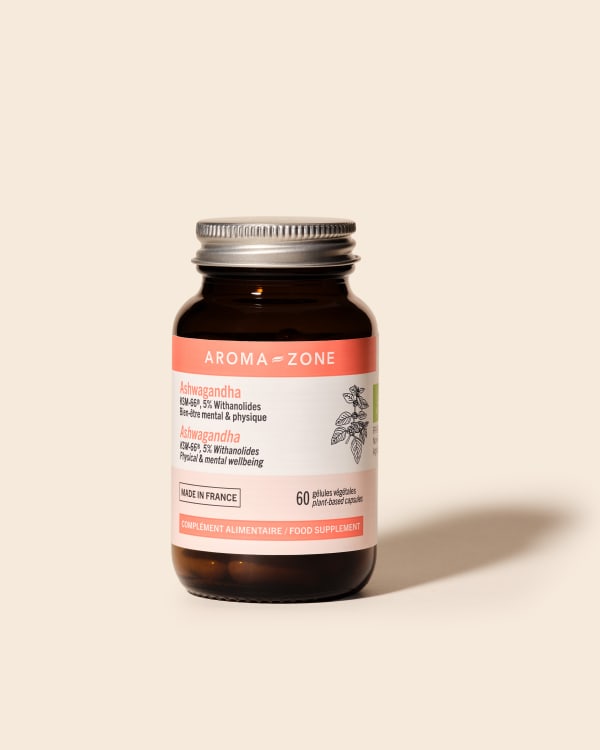
Ashwagandha Organic Dietary Supplement – 60 capsules

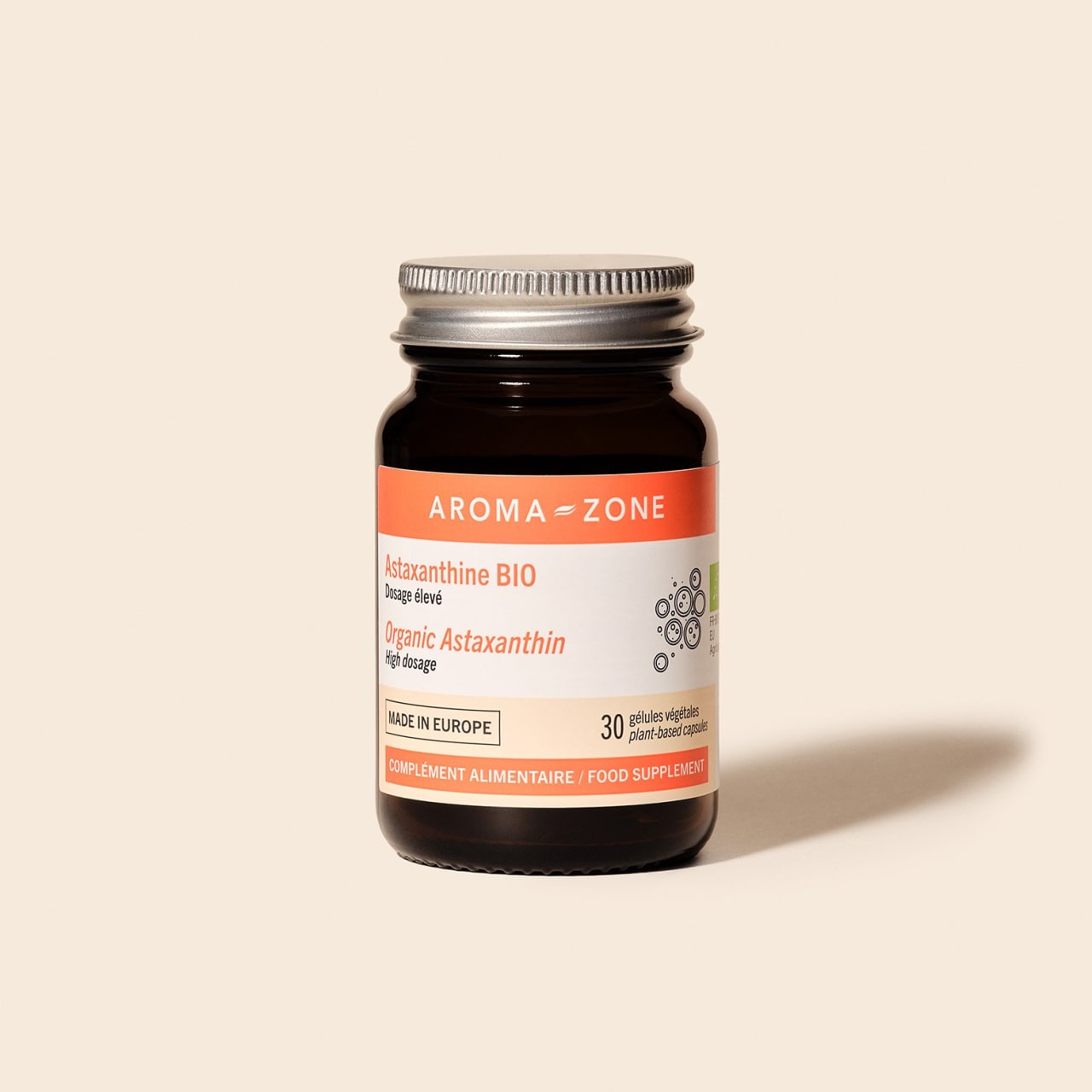
Organic Astaxanthin dietary supplement

Derived from microalgae, astaxanthin is a pigment naturally found in certain marine organisms. It is sought after for its antioxidant properties and its role in holistic skincare routines. As a dietary supplement, it forms part of a strategy to support the skin against external aggressors, particularly during seasonal changes. Its use forms part of a holistic approach, complementing sun protection measures. Take 1 capsule a day, with a glass of water. Not recommended for pregnant or breastfeeding women. This dietary supplement does not constitute sun protection and does not replace the application of sun cream or the usual protective measures and sensible sun exposure.

Discover the Organic Astaxanthin Food Supplement

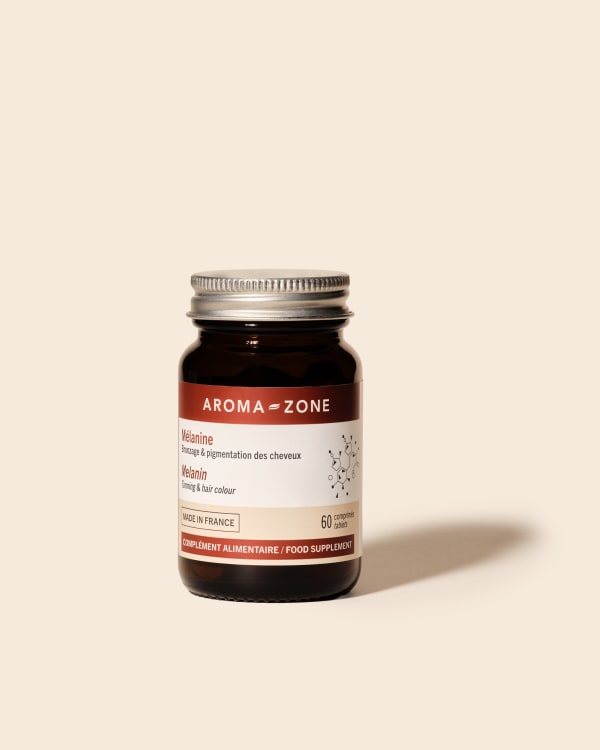
Melanin – 60 tablets – Dietary supplement

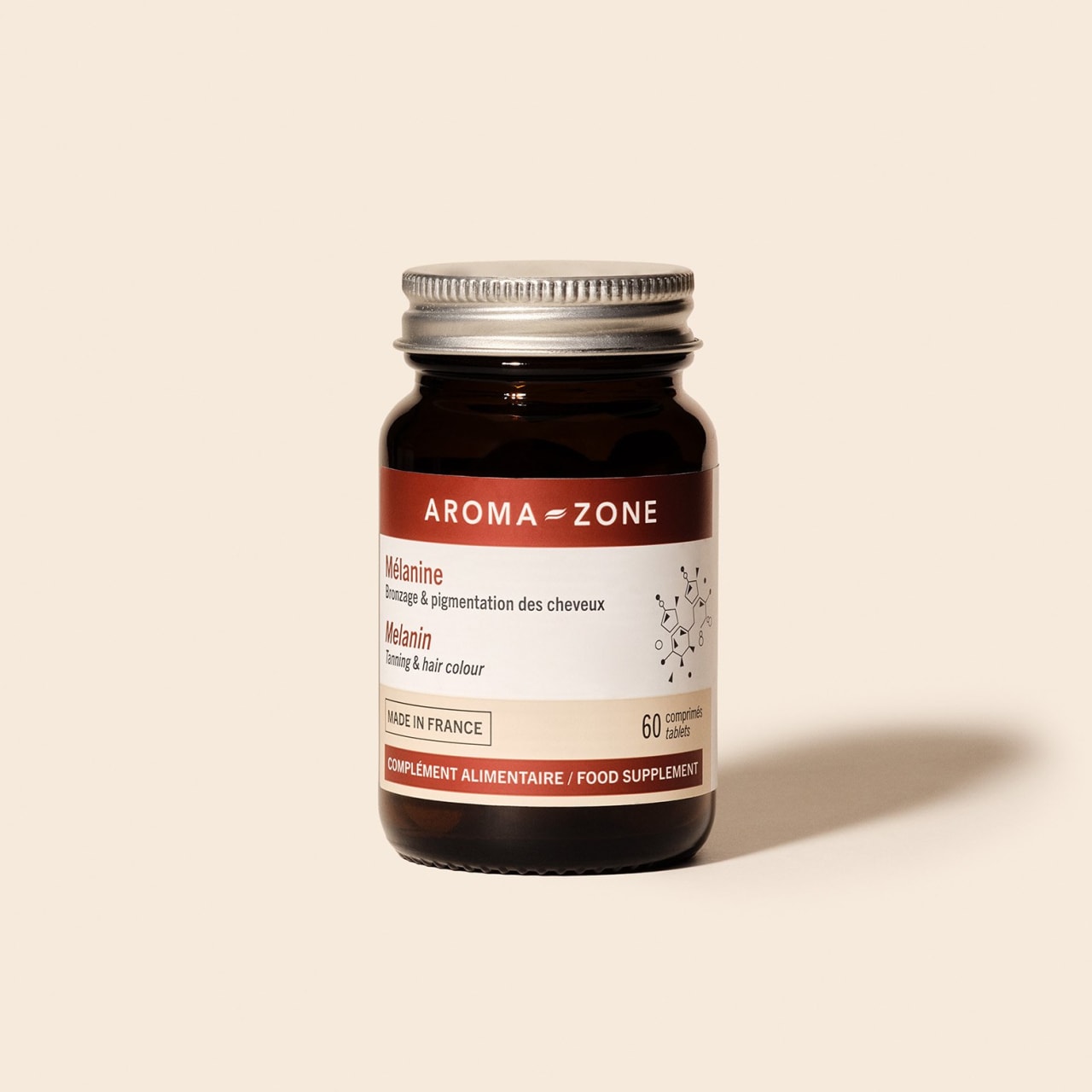
Melanine dietary supplement

Ideal for preparing for sun exposure and prolonging your tan, this proven-effective dietary supplement is made from the wool of black sheep reared in France. It contains the patented active ingredient Melaline® or Melatine®, which has been clinically tested; its enzymatic extraction process ensures optimal bioavailability of the active ingredients. Standardised for Melanin, the natural pigment responsible for the colour of skin and hair, and for Copper, which contributes to the normal pigmentation of skin and hair, these easy-to-swallow tablets support you from the start of summer to help you achieve a beautiful, tanned complexion. Take 2 tablets a day, with a glass of water. Does not protect against sunburn. Does not replace the use of sun protection. Not recommended for pregnant or breastfeeding women.

Discover the Melanin dietary supplement

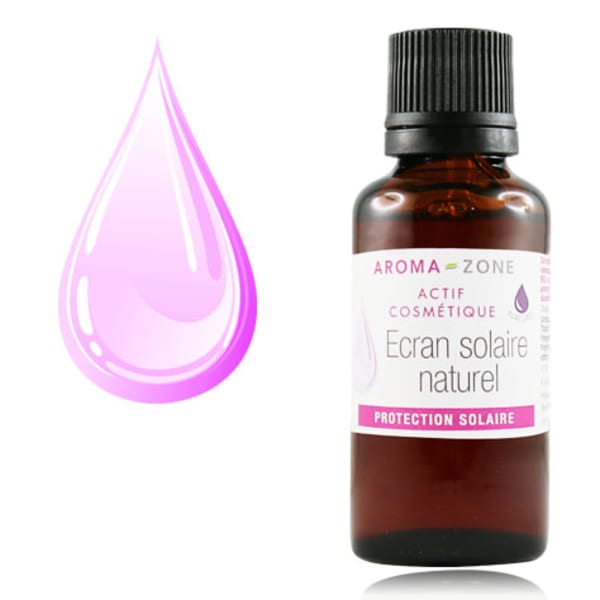
Cosmetic active ingredient: Natural sunscreen

This active ingredient is designed to be incorporated into homemade cosmetic formulations to help protect the skin against the effects of UV radiation. It is used in conjunction with other ingredients in suitable preparations. It is important to note that effective sun protection relies on comprehensive, tested and validated formulations. This active ingredient is therefore intended for use in bespoke formulations and does not replace a ready-made suncare product with a measured SPF rating. The natural sunscreen can be incorporated at a concentration of 5–80 per cent as an active ingredient in all your oil-based formulations: creams, lotions, gel-based oils, balms, sticks, etc.

Discover the Natural Sunscreen Cosmetic Active Ingredient

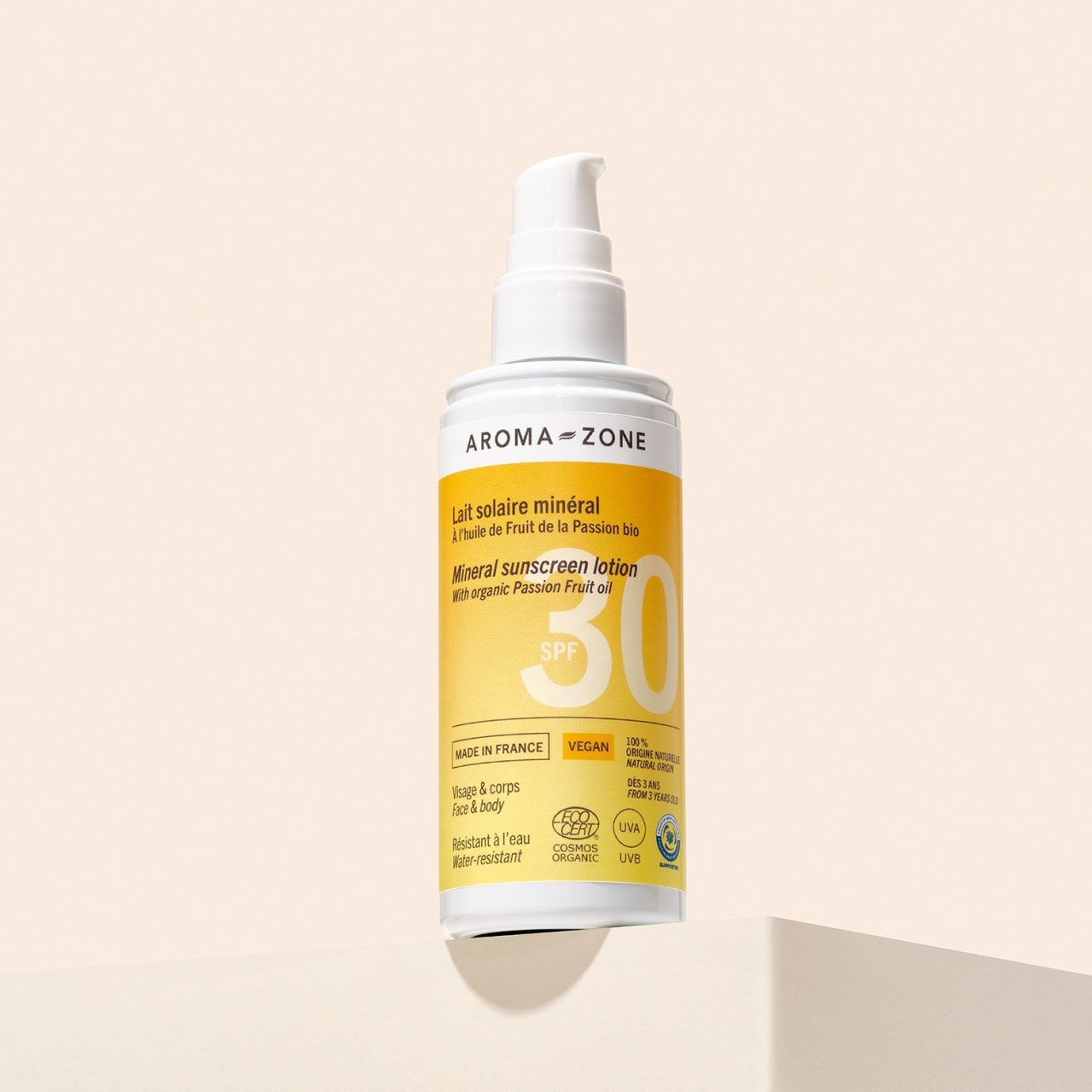
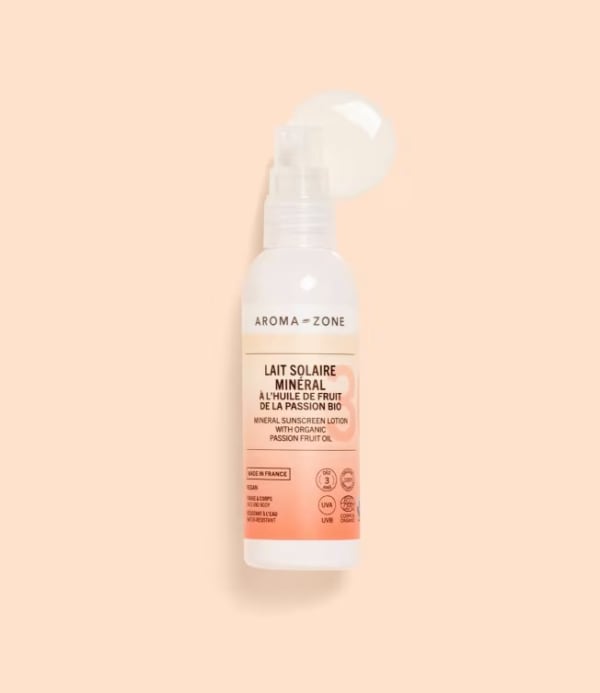
SPF 30 Sun Milk

This sun milk offers protection against UVA and UVB rays, whilst providing comfort and hydration to the skin. Its light, fluid texture makes it easy to apply and suitable for use on both the body and the face. It fits into a sun protection routine by providing suitable protection for moderate sun exposure, provided it is applied in sufficient quantities and reapplied regularly. As with any suncare product, its effectiveness depends directly on how it is used.

Discover the SPF 30 Sun Milk

Sun balm

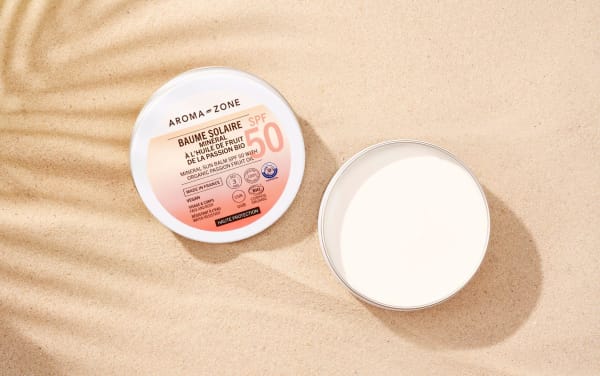
Mineral Sun Balm SPF 50

Formulated with mineral filters, this sun balm offers high protection against UVA and UVB rays. Its richer texture allows for targeted application, particularly on sensitive or highly exposed areas. It is an ideal choice for intense sun exposure or areas requiring enhanced protection. Here too, its effectiveness depends on even application and regular reapplication whilst out in the sun.

Discover the Mineral Sun Balm SPF 50

What if we could get a tan without the sun, rather than preparing our skin?

Rather than seeking to prepare the skin for sun exposure, at Aroma-Zone we favour an approach that aims to preserve its long-term health. This involves simple steps: limiting UV exposure, protecting yourself effectively when it is unavoidable, and avoiding the pursuit of a tan as a goal in itself. In line with this, we prefer to help you achieve a healthy glow without the sun, using suitable skincare products that respect the skin’s natural balance. This approach allows you to combine a radiant complexion with safety, without compromising your health.

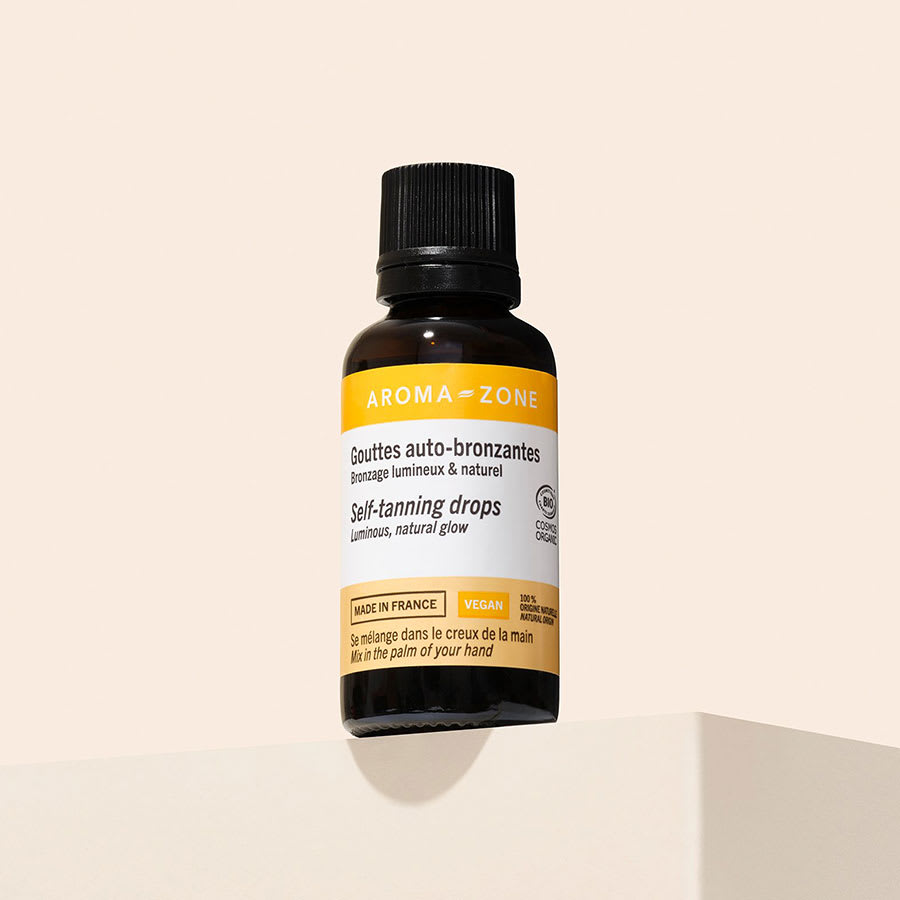
Our tanning drops for a sun-free glow

self-tanning-drops-mc

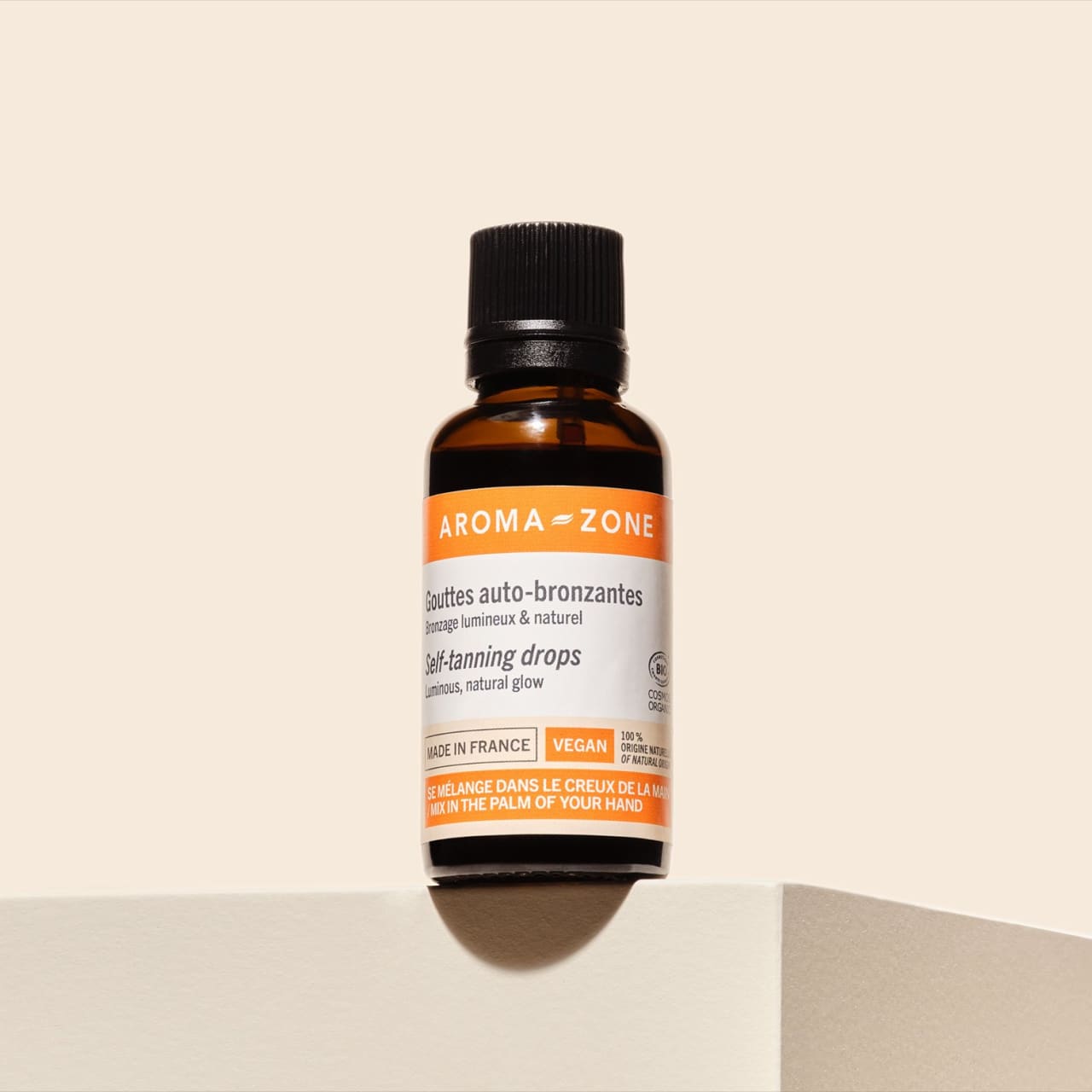
Self-tanning drops

These certified organic self-tanning drops promise a gradual, natural and streak-free tan without exposure to the sun. They can be easily incorporated into your face and body skincare routine. Enriched with DHA and erythrulose to colour the skin’s surface, they combine brown seaweed extract and trace elements to stimulate melanin synthesis and prolong that healthy glow. Mix directly into your creams or lotions, or dispense into the palm of your hand before combining with your usual skincare product.

Discover our self-tanning drops

A word from our dermatologist

“What is the difference between strengthening the skin and protecting it effectively? The question reveals an ambivalent attitude towards the sun. UV radiation is classified as a definite carcinogen. Tanning is a defence mechanism against this damage. It would therefore make sense to adopt a strategy of avoiding UV rays, and thus tanning. Yet many people still choose to sunbathe and would like to do so whilst minimising the risks… This is completely illogical. Given the risk of cancer, people with fair skin should avoid exposure when the UV index exceeds 3, and should wear protective clothing and apply sun cream to exposed areas when exposure is unavoidable. If you enjoy the sensation of the sun on bare skin, without wanting to tan, keep an eye on the UV index – and generally speaking, the lights are green before 10 am and after 5 pm in our part of the world!"

Dr Reyhan Amode, dermatologist and member of the Aroma-Zone College of Dermatologists

Precautions

Preparing your skin for the sun should never lead to deliberately increasing the length of time you spend in the sun. Targeted dietary supplements and antioxidants are no substitute for appropriate sun protection or physical measures (clothing, shade). Extra caution is recommended for fair or sensitive skin, or in the case of treatment that causes photosensitivity (5).

Expert advice

Rather than trying to prepare your skin as you might prepare a plot of land, it is more accurate to think in terms of gradual adaptation. The skin is not a material that you strengthen once before exposure: it is a living organ that reacts continuously to its environment. What makes the difference, therefore, is not just what you do before summer, but how you expose your skin over time. In practical terms, prioritising short, repeated and gradual exposure remains one of the most effective ways to support your skin. This approach allows for gradual adaptation, which is very different from sudden and prolonged exposure.

Article written by Lou Dumas, Naturopath

Lou_Dumas_02.JPG

Lou graduated from HEC in 2012. She gained ten years of experience in marketing for cosmetics and perfumes before becoming an independent consultant in this field. She recently completed a three-year naturopathy program at the European College of Holistic Naturopathy (CENATHO, Paris) with the goal of supporting the physical and mental health of the people she works with through a holistic approach to lifestyle.

Bibliography

  1. Heinrich U et al. “Orally administered mixed carotenoids protect human skin against ultraviolet A-induced skin pigmentation: A double-blind, placebo-controlled, randomised clinical trial.” Photodermatol Photoimmunol Photomed, 2020.

    https://pubmed.ncbi.nlm.nih.gov/32072695/

  2. Khanna N et al. “Oral Supplements and Photoprotection: A Systematic Review.” 2025.

    https://pubmed.ncbi.nlm.nih.gov/39804624/

  3. Torres AE et al. “Botanicals for photoprotection.” 2020

    https://www.oaepublish.com/articles/2347-9264.2020.87

  4. A Topical Antioxidant Solution Containing Vitamins C and E with Ferulic Acid Protects Human Skin from Sunlight Damage and DNA Mutations Associated with Skin Cancer Murray, J.C.; Burch, J.A.; Iannacchione, M.A.; and Pinnell, S.R.

    Duke University Medical Centre, Dermatology, Durham, North Carolina resources/INT_EN/pdf/SCIENCELP_KEYSTUDY_4.pdf

  5. The efficacy and safety of sunscreen use for the prevention of skin cancer Megan Sander, Toni Burbidge, Jennifer Beecker 2020

    https://pmc.ncbi.nlm.nih.gov/articles/PMC7759112/

Frequently Asked Questions

Frequently Asked Questions