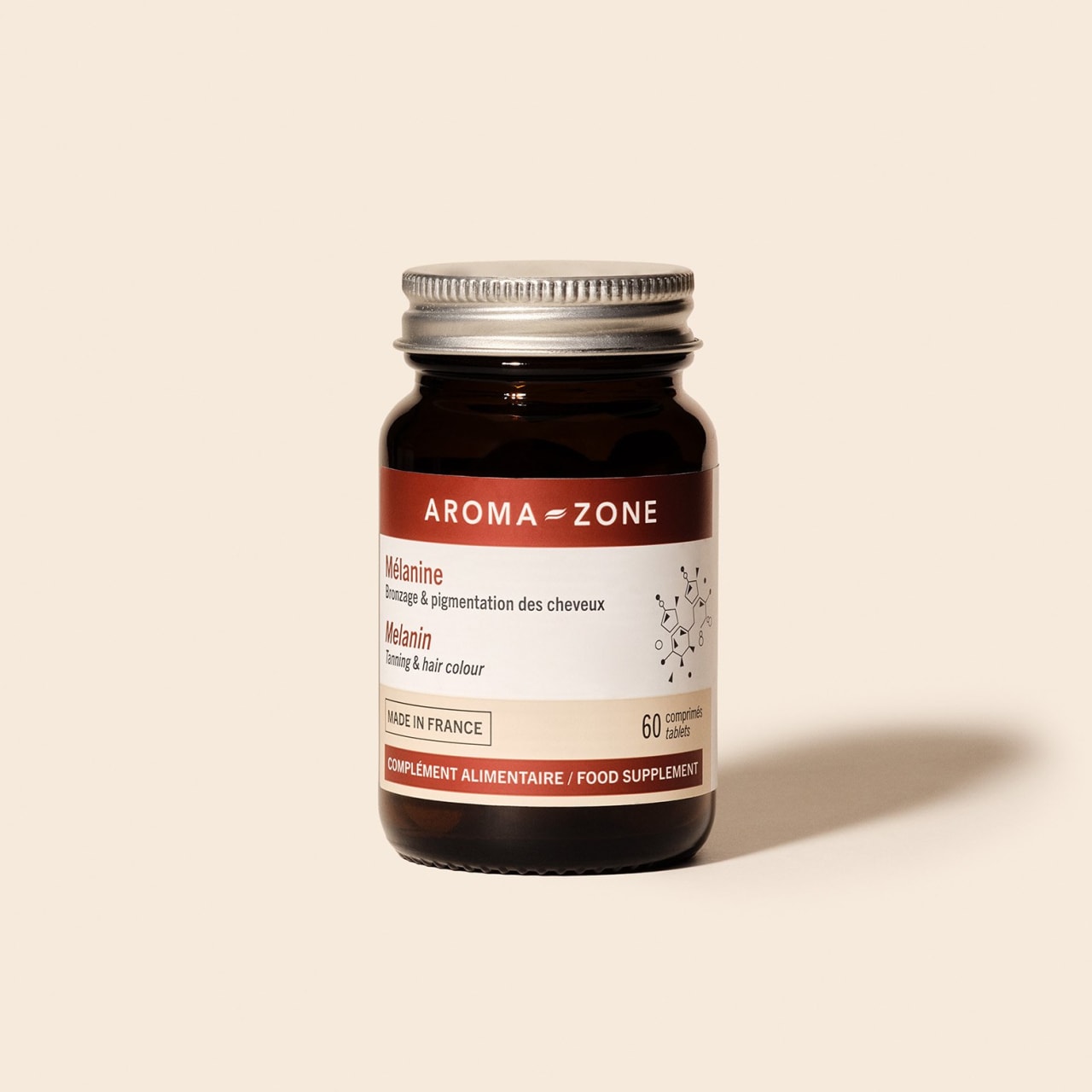
Achiote - 120 Capsules
Tanning
free delivery up to £25 in United Kingdom
100% secure payment CB, Visa, Mastercard, Paypal, Apple Pay, Google Pay


100% natural origin

Organic Farming

Made in France
Why we love it
Ideal as a pre-summer beauty treatment, as a food supplement to prepare your skin for exposure to the sun, or for a healthy glow!
Cold-pressed to preserve their active ingredient content, with no unnecessary additives.
Key ingredients: ORGANIC Achiote powder, renowned for its high carotenoid content, and organic Bamboo extract, good for the skin's beauty.
For whom?
For people who want to prepare their skin for the sun, or for a healthy glow. Suitable for all skin types and complexions.
How do I use it?
Take 2 to 4 tablets a day, swallowed with a glass of water.


Frequently Asked Questions
Associated products
Tanning
Anti-ageing
£16.00
1 article
Tanning
£9.50
30 ml