
Bruises: what natural remedies are available?
Published on: Tuesday, August 05, 2025, Updated on: Tuesday, October 20, 2026
A haematoma, also known as a bruise or ecchymosis, appears following a knock, a fall or sometimes for no obvious reason. Sometimes swollen and painful, it is as puzzling as it is bothersome. Is it something to worry about? How long does it take to go away? There are natural approaches to relieve the symptoms and support the healing process. Find out how to gently manage a bruise, and when to seek medical advice if it persists.
Contents
Related products
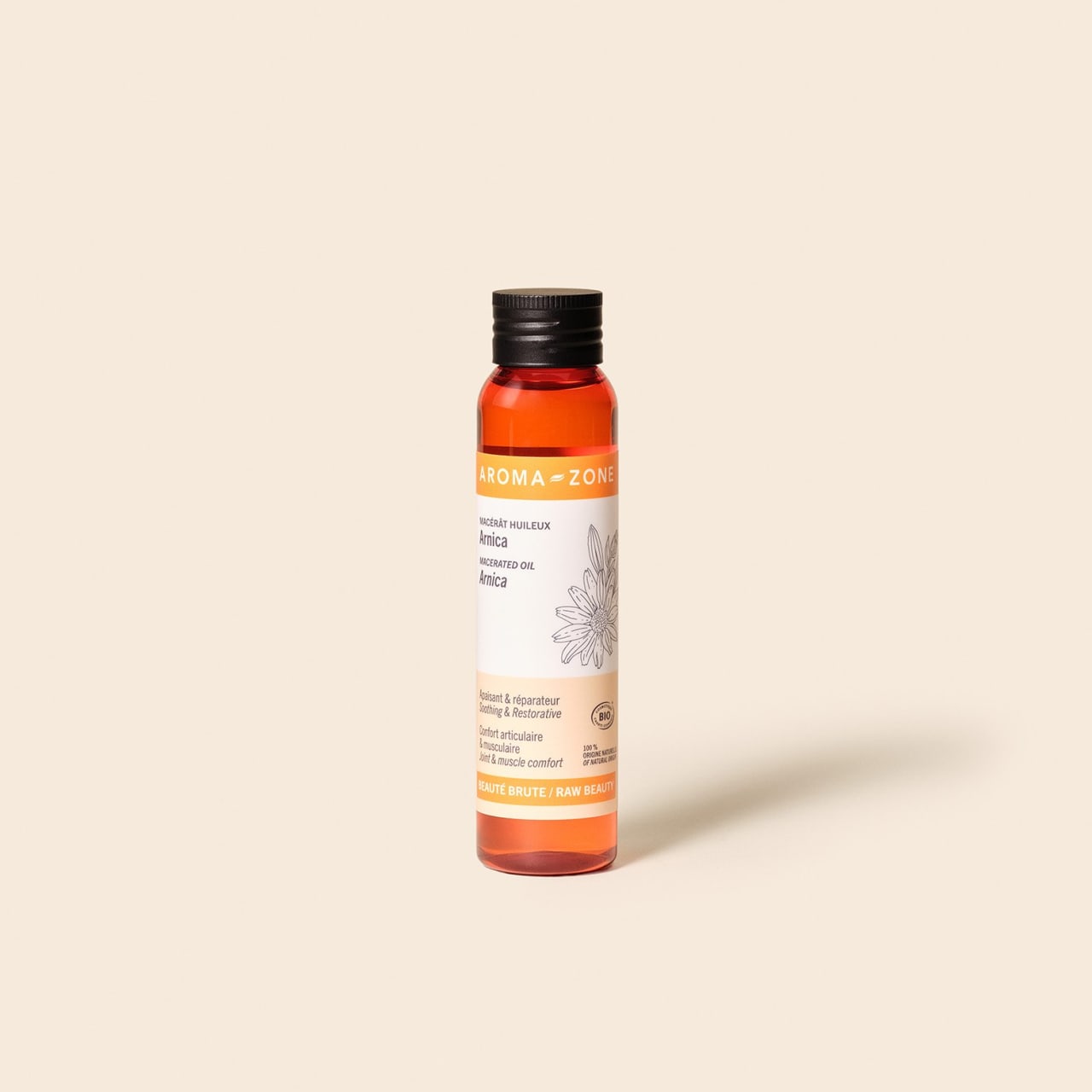
Repairing
Soothing
£5.60
£8.00
100 ml
What are the different types of bruises?
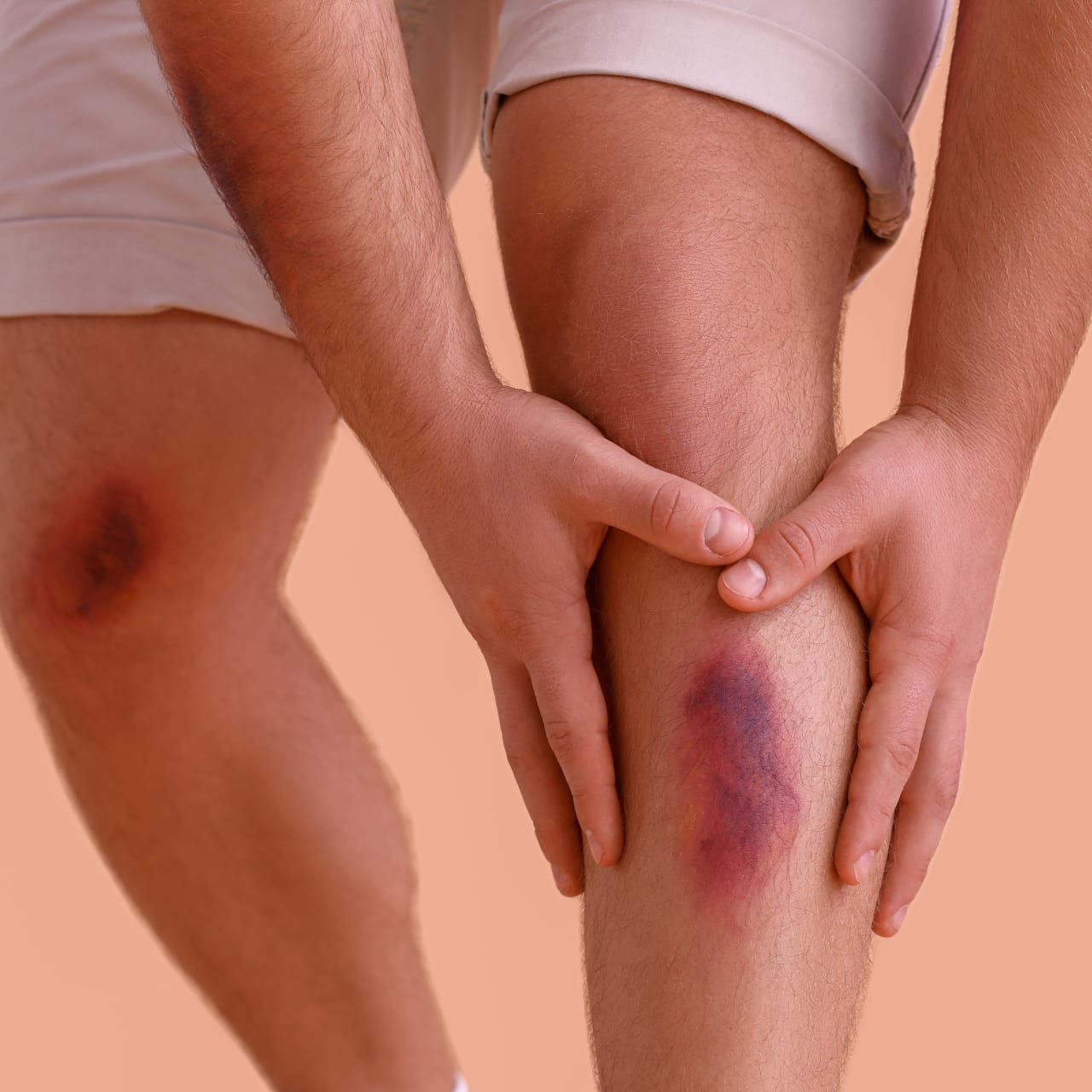
Subcutaneous haematoma This is the most common type: it occurs just beneath the skin, often following a blow. It presents as a bluish, painful and swollen area, which gradually takes on greenish or yellowish hues as it resolves. It is benign in the majority of cases.
Muscular haematoma This forms within the muscle tissue, usually following strenuous physical exertion or a severe blow. It can cause significant pain, local stiffness, or even difficulty moving the affected muscle. As it is sometimes invisible on the surface, only a medical examination can confirm its presence.
Joint haematoma Located in or around a joint, it often results from a sprain or trauma. It is accompanied by swelling, pain and restricted movement. If a haematoma is suspected, medical advice is essential.
Subungual haematoma Common following a blow to the nail (a kick, a door slamming shut, etc.), it manifests as a purplish patch under the nail, caused by a build-up of blood. It is very painful, particularly when pressure is applied, and may require drainage if the pressure becomes too great.
Encysted haematoma When the blood does not resolve completely, it can form a lump that is more or less firm and persistent, known as an encysted haematoma. This type can last several weeks or even longer, and may sometimes require medical monitoring if the lump becomes thicker.
Internal haematoma Rarer but more serious, this forms inside the body, within organs or deep cavities (such as the abdomen or brain). It is not visible to the naked eye and is accompanied by symptoms such as severe pain, malaise or neurological signs. It requires urgent medical attention.
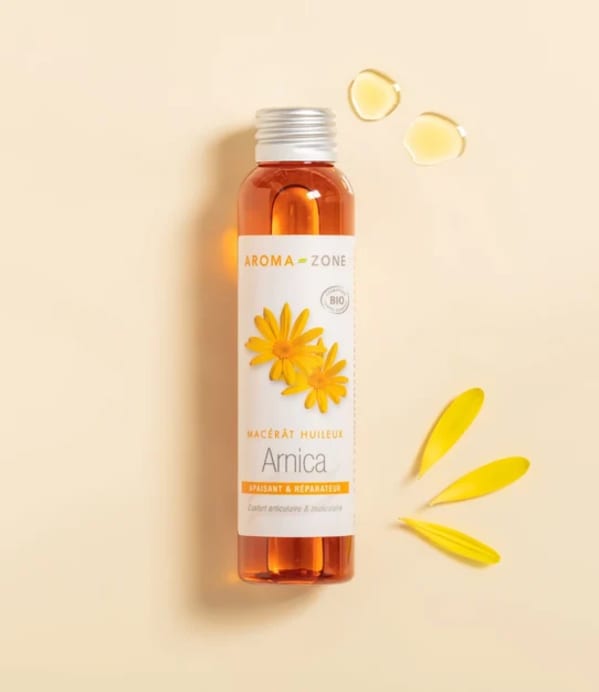
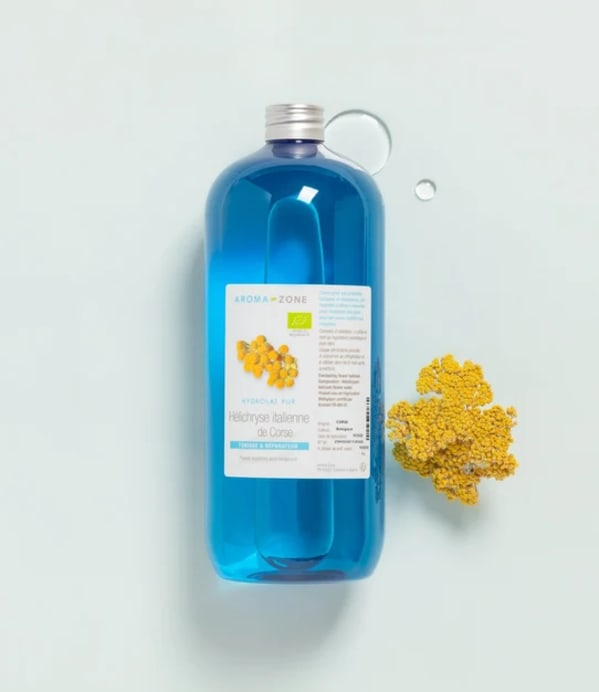
How can you naturally prevent bruises?
Certain daily habits can strengthen the resilience of blood vessels and reduce the likelihood of bruising, even following a minor knock. Here are some simple steps to follow:
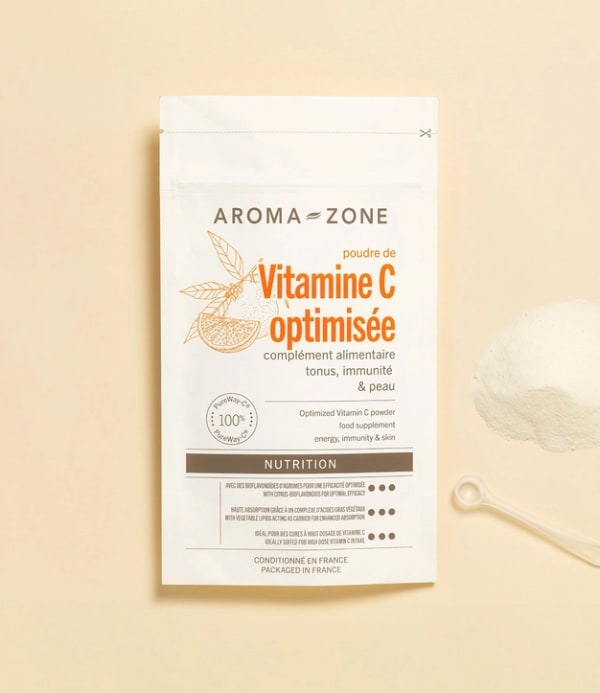
Strengthen the blood vessel walls with a regular intake of vitamin C (fresh fruit, acerola, citrus fruits), which aids collagen formation.
Follow a diet rich in antioxidants, particularly flavonoids (blackcurrants, blueberries, black grapes), which support microcirculation.
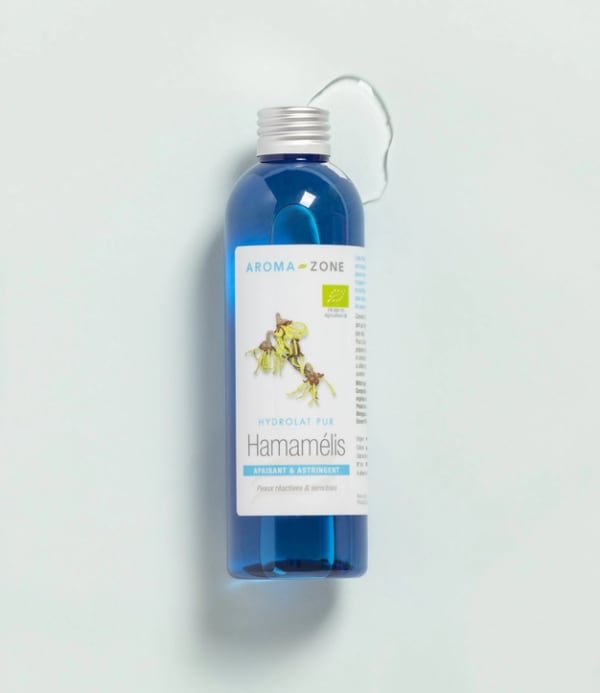
Support venous tone with a seasonal course of treatment using extracts of red vine, ginkgo biloba or witch hazel.
Avoid deficiencies in iron, vitamin K or zinc, which can contribute to increased vascular fragility.
Protect your skin from injury if it is thin or fragile by wearing suitable clothing during high-risk activities.
Stimulate circulation regularly through gentle physical activity (walking, swimming) and circulatory massages.




Spotlight on Our Nutrition and Food Expert, Marie-Anne Vion

Faced with digestive disorders such as IBS and SIBO, Marie-Anne turned to nutrition and natural solutions. Passionate about wellbeing, she is now studying dietetics and nutrition. She shares her expertise through articles that offer accessible advice and insights. Drawn to the brand's natural approach, she helps promote a balanced diet and self-reliance in health matters.
Bibliography

Frequently Asked Questions
Associated tips
Wound care tips

Skin care tips


