
A brown spot on itchy skin is an area of dark pigmentation found on a part of the skin that is irritated or prone to a tingling sensation. The spot results from an excess of melanin, while the itching may be linked to dryness, inflammation, or an allergic reaction affecting the affected area. This type of hyperpigmentation can appear on the face, hands, back, or legs, and has many causes: sun exposure, skin ageing, skin conditions, or external irritants. Identifying the underlying cause is essential for choosing the right treatment and alleviating both the discolouration and the discomfort.
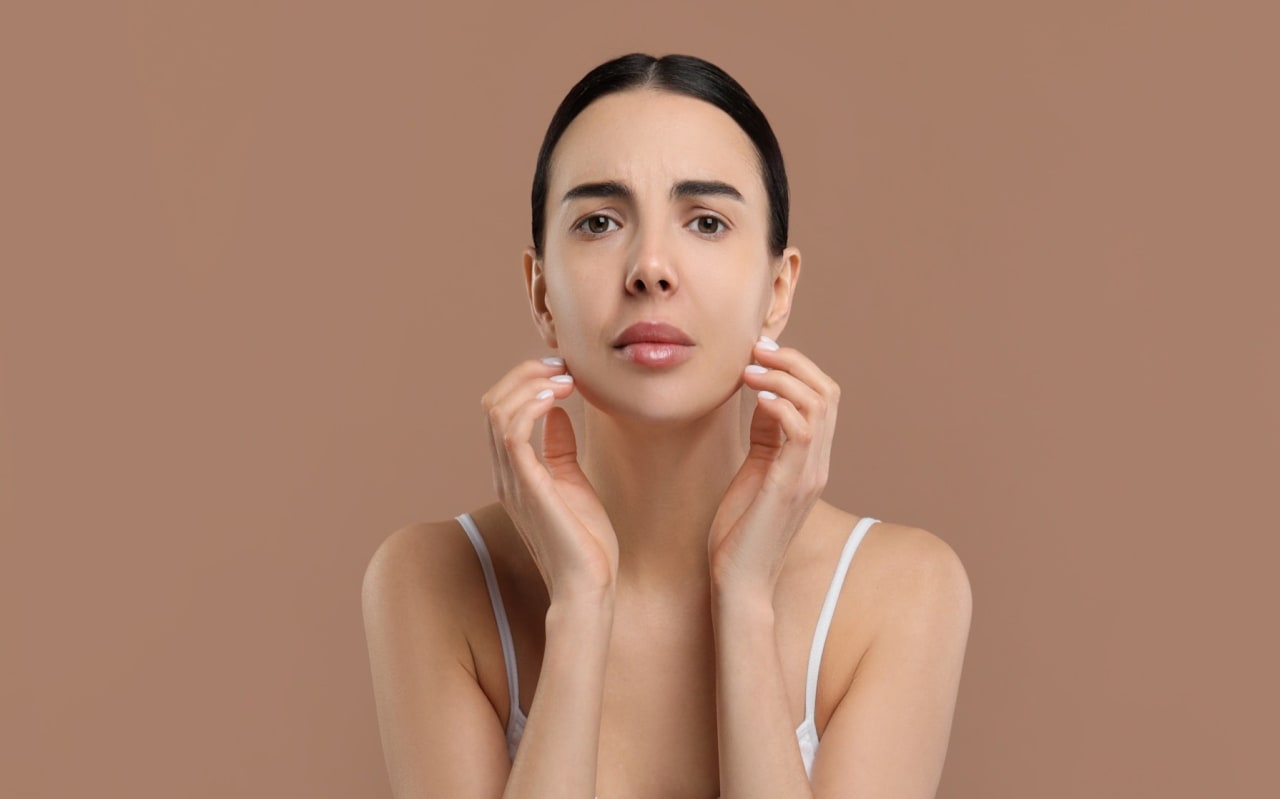
Brown spots and itchy skin: what should you do?
Published on: Monday, April 07, 2025, Updated on: Wednesday, October 28, 2026
Brown spots on itchy skin often raise many questions: Is it just irritation, a reaction to the sun or a sign of a more serious skin problem? To better understand this phenomenon, it’s essential to know its causes and how to identify the associated symptoms. In this article, let’s take a look at the best steps to take and solutions to soothe these itchy brown spots.
Contents
Related products
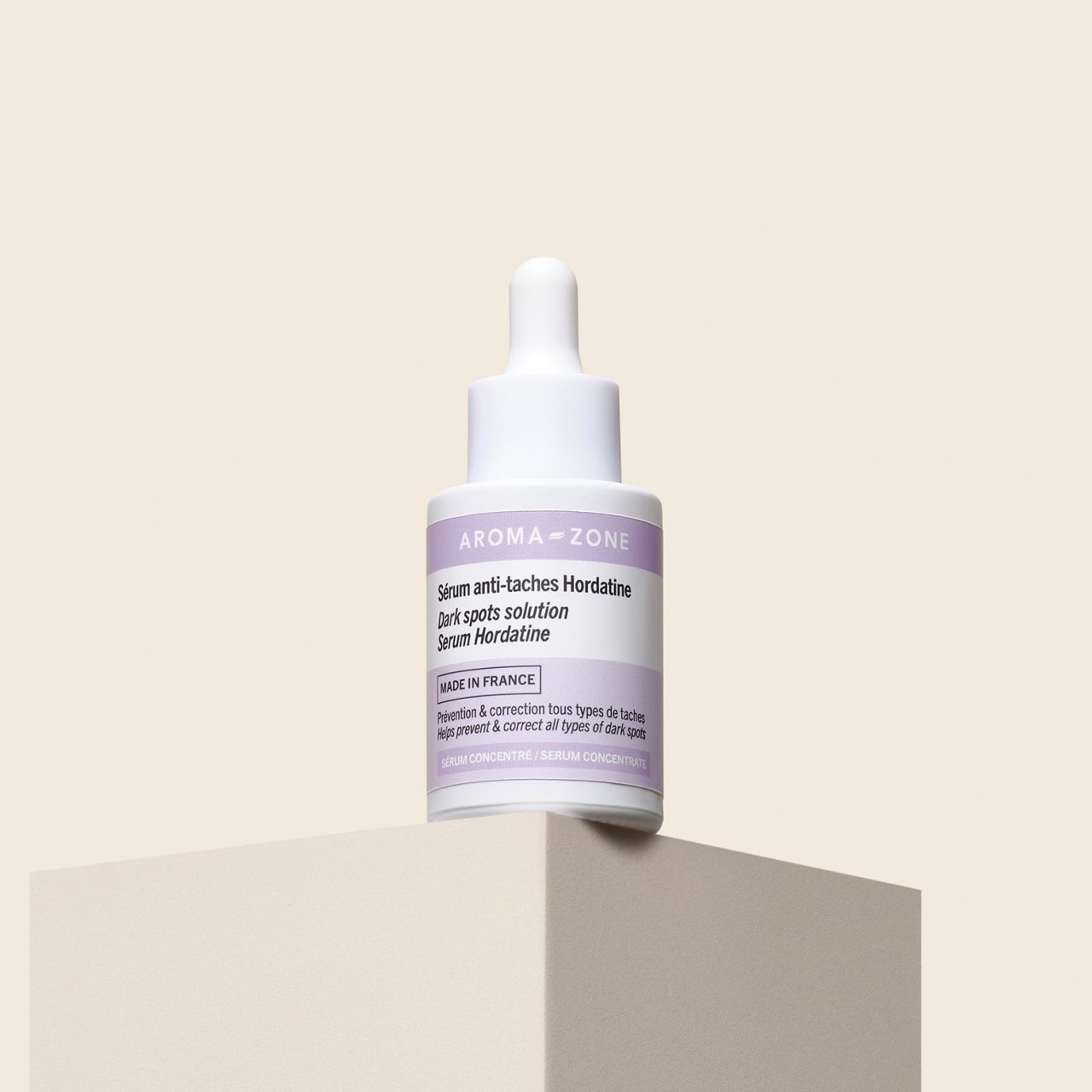
Hordatine & Liquorice Extract Serum
Anti-dark spots
Unifying
£11.00
30 ml
2 options
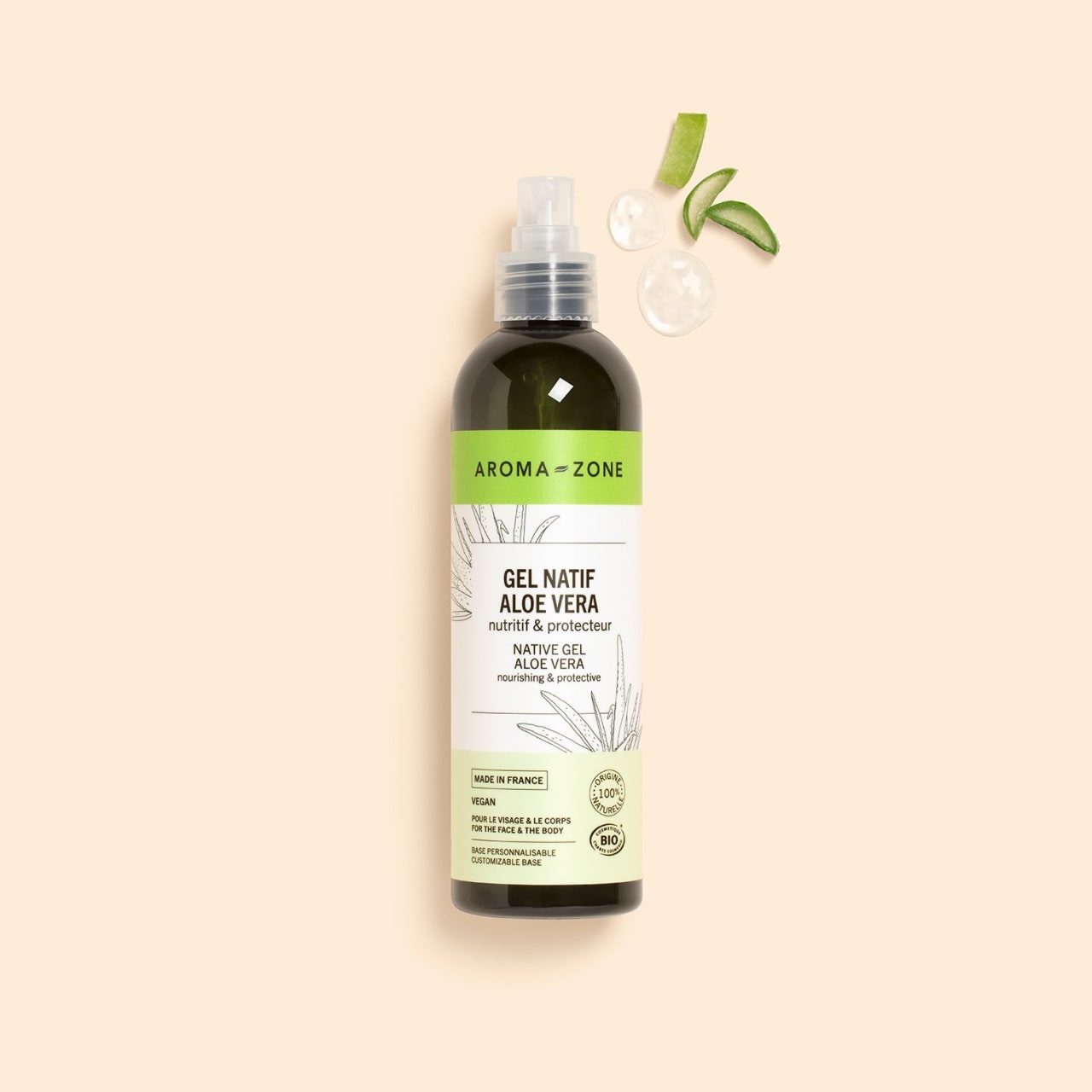
Organic Native Aloe Vera Gel
Protective
Nourishing
£10.00
250 ml
3 options
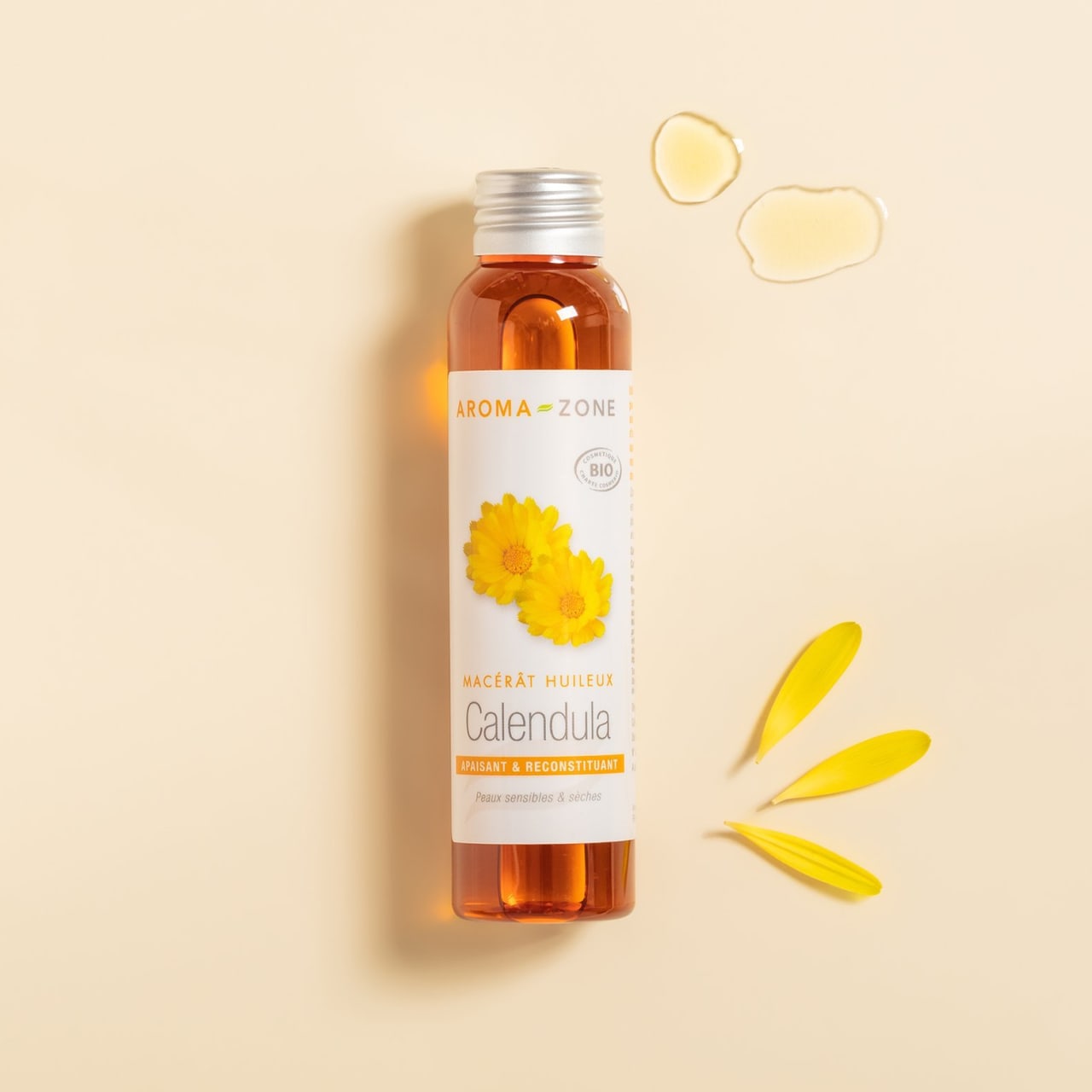
Organic Calendula Infused Oil
Soothing
£6.50
100 ml
2 options
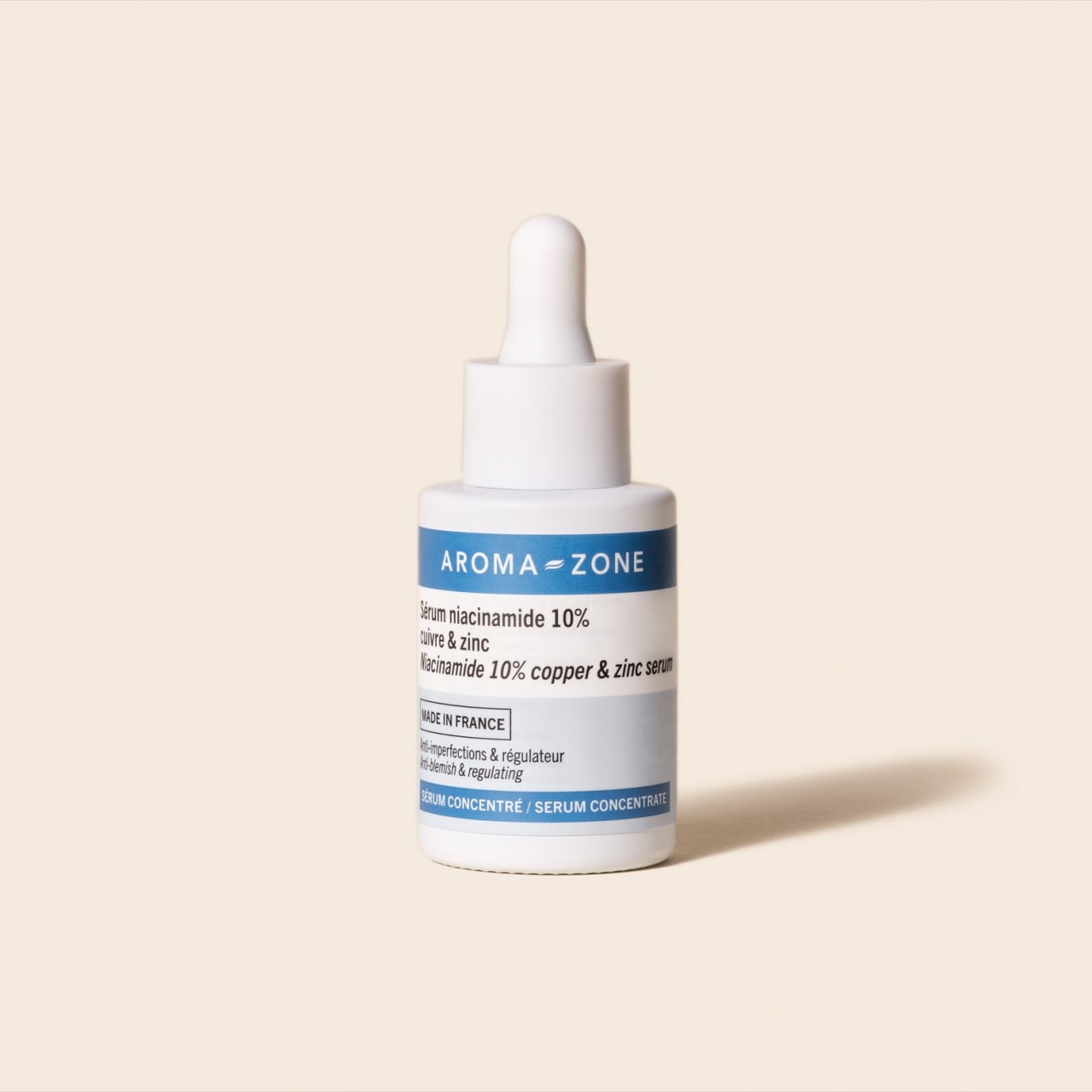
Niacinamide 10%, Copper & Zinc Serum
Anti-blemishes
Sebum-regulating
£8.00
30 ml
4 options
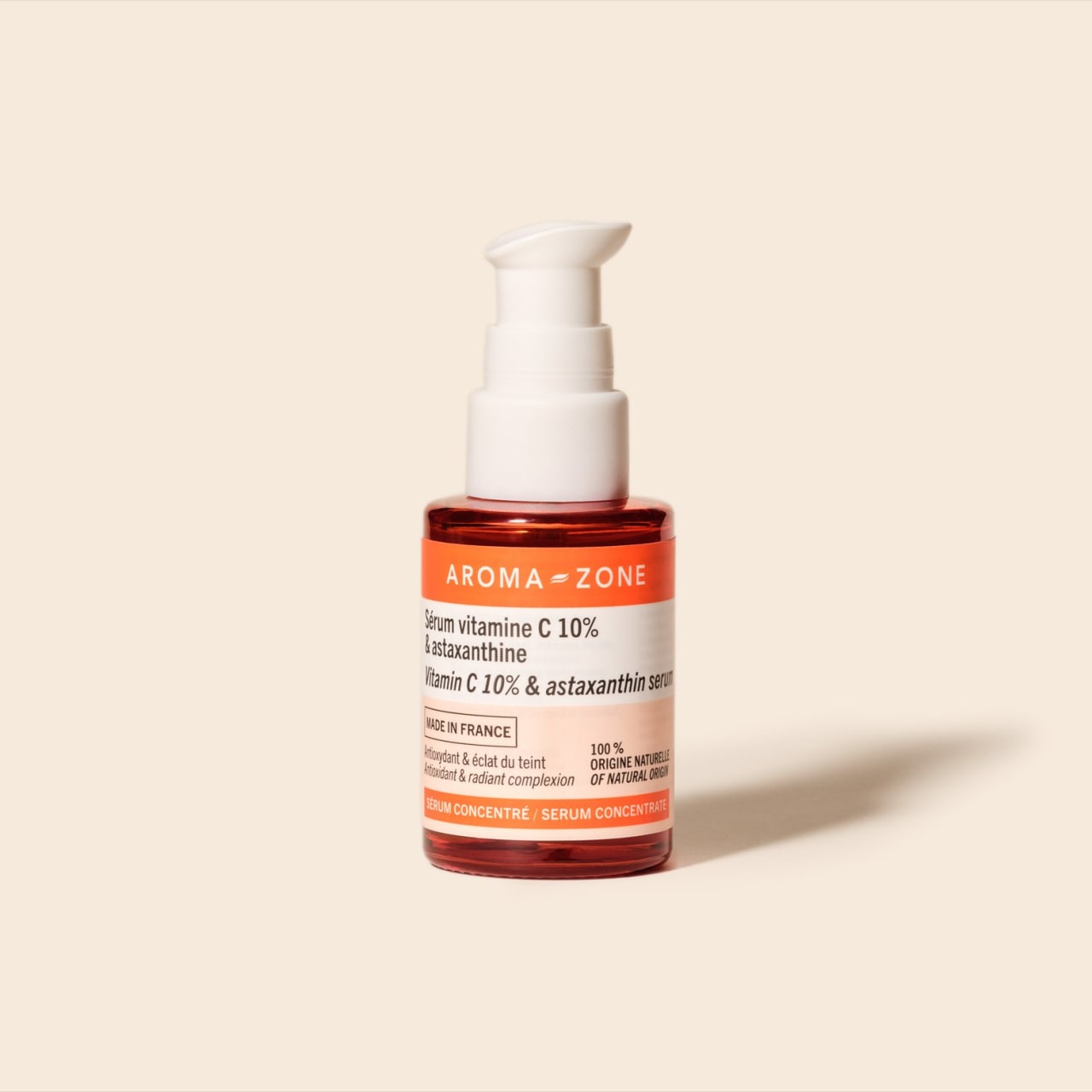
Vitamin C 10% & Astaxanthin Serum
Radiant complexion
Antioxidant
£9.00
30 ml
2 options
Brown spots on itchy skin—what do they mean?
What causes itchy brown patches?
Itchy brown spots can have several causes. Here are the factors known to cause dark spots on the skin:
Sun exposure
Melanin is the pigment that protects our skin from the sun’s rays. Prolonged exposure to UV rays stimulates the production of this pigment, which can cause the appearance of brown spots. Furthermore, UV rays can also weaken the skin, dry it out, and cause irritation, which explains the associated itching. UVB and UVA rays damage the DNA of skin cells. To defend itself, the skin increases melanin production, but this response can become excessive and disorganised, forming a brown spot.
Skin ageing
As we age, skin cells regenerate less effectively and melanin production can become less uniform. This can lead to the formation of brown spots in localised areas where melanocytes are more active. In addition, mature skin tends to be drier and produce less protective sebum, which can contribute to feelings of tingling, tightness and itching.
An allergic reaction
Certain localised allergic reactions can lead to an overproduction of melanin in the skin, leaving behind a dark, itchy spot. In such cases, the inflammation activates immune cells and stimulates the skin’s nerves, resulting in intense itching.
Hormonal imbalances
Significant hormonal fluctuations, particularly in oestrogen and progesterone, can stimulate melanocytes. In fact, hormones stimulate the hormone receptors on melanocytes, increasing melanin production. This can lead to the appearance of brown spots, particularly on the face. In cases of hormonal imbalance, the skin can also become more sensitive and fragile, which also explains the itching.
Fungal infections
Certain types of fungal infections, such as pityriasis versicolor, can cause brown spots or, conversely, depigmented patches. In this case, fungi disrupt melanin production by releasing enzymes that interfere with melanogenesis (melanin production) and destroy certain protective lipids in the skin. They thus attack the outermost layer of the epidermis, causing redness and itching.
Associated symptoms
A brown spot on itchy skin may be accompanied by various signs that help better understand its origin and progression. Some symptoms are benign, while others may require medical attention:
Colour: The brown spot may darken over time, depending on sun exposure, which stimulates melanin production.
Size: The spot may gradually increase in size due to melanocyte hyperactivity caused by UV rays or a hormonal imbalance.
Feeling of dryness: Dry skin loses its protective hydrolipidic film. This increases skin sensitivity and promotes itching.
Urge to scratch: The urge to scratch is often caused by the release of histamine and other inflammatory mediators that activate the skin’s nerve endings, creating irritation.
Peripheral redness: It is common to see redness appear around the brown spot. This is caused by vasodilation of the blood vessels. This sign generally indicates an allergic reaction or local irritation.
Presence of blisters: in the event of an allergic reaction or underlying infection, blisters may form on the spot. These are caused by an immune defence reaction against the pathogen or irritant causing the skin imbalance.
In any case, when a brown spot starts to itch, it’s important to monitor its progression to rule out any risks to skin health. If in doubt, don’t hesitate to consult your primary care physician or a dermatologist to assess your condition.
Our natural solutions to relieve itching and fade spots
Brown spots on itchy skin can quickly become uncomfortable, but there are natural solutions to soothe your skin and help reduce the appearance of these spots. Don’t worry—we’ve rounded up the best products and tips to help you achieve smoother, more comfortable skin. Take care of yourself with gentle, tailored skincare!
Our top products for naturally soothing itching
Itching can be particularly unpleasant, but natural solutions exist to soothe these irritations. Our favourites for quick and effective relief:
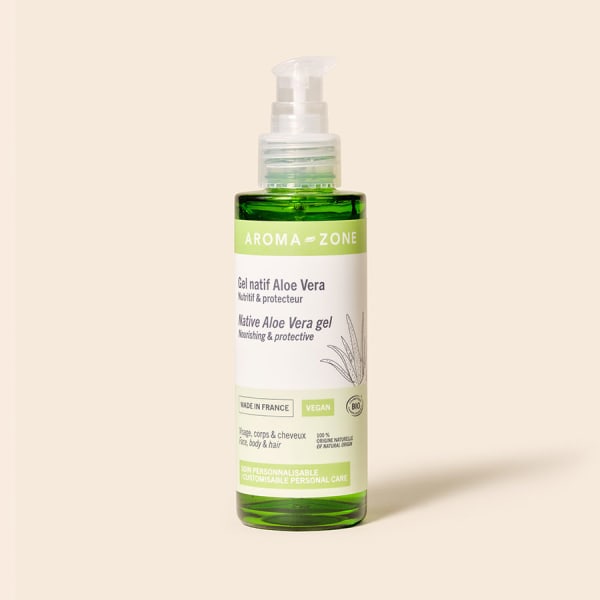
Organic Aloe Vera Gel: Known for its soothing and moisturising properties, Aloe Vera gel is a top choice for skin prone to itching. But that’s not all: thanks to its abundance of natural active ingredients (such as polysaccharides, vitamins, and enzymes), it also helps reduce the appearance of dark spots by supporting cell renewal and soothing inflammation that can worsen hyperpigmentation. Apply a thin layer to the affected area and gently massage until fully absorbed. Repeat the application 2 to 3 times a day. Store your Aloe Vera gel in the refrigerator.
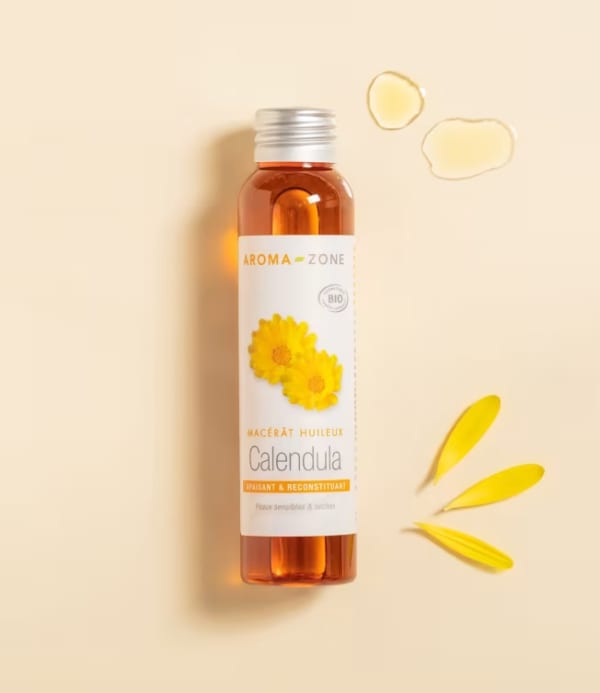
Organic Calendula Oil: Calendula oil macerate is renowned for its soothing and healing properties. It is ideal for calming skin reactions and relieving itching gently and naturally. Massage a few drops of oil into the irritated area using circular motions until fully absorbed. Use it morning and night, as needed. May cause allergic reactions in people sensitive to the Asteraceae family. This colored oil macerate may stain clothing; we recommend allowing it to fully absorb into the skin before putting on clothes.
Our favourite serums for reducing the appearance of brown spots
Here are our flagship products, specially formulated to reduce hyperpigmentation and gently even out skin tone thanks to their anti-dark spot active ingredients:
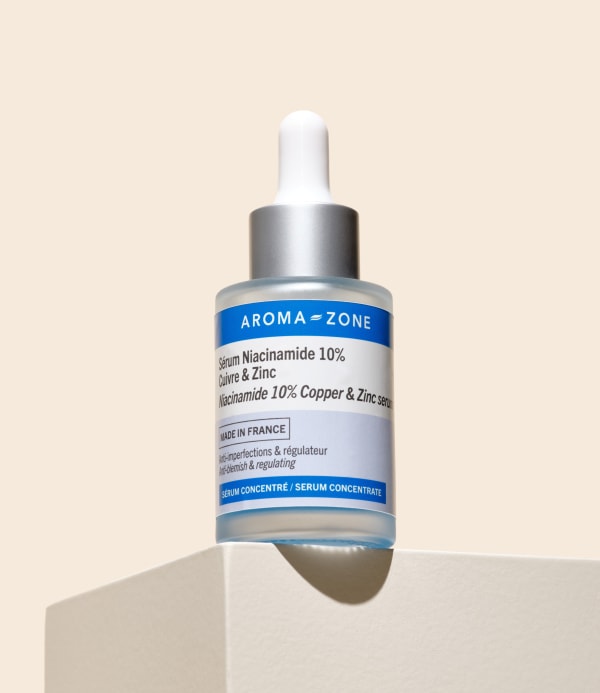
10% Niacinamide, Copper & Zinc Concentrated Serum: Highly concentrated in Niacinamide (vitamin B3), Zinc, and Copper, this clinically proven serum tightens pores, regulates sebum production, prevents breakouts, and reduces redness and dark spots. Enriched with hydrating hyaluronic acid, it evens out the complexion and refines skin texture. To combat uneven pigmentation and promote proper hydration.
Discover the 10% Niacinamide, Copper & Zinc Concentrated Serum
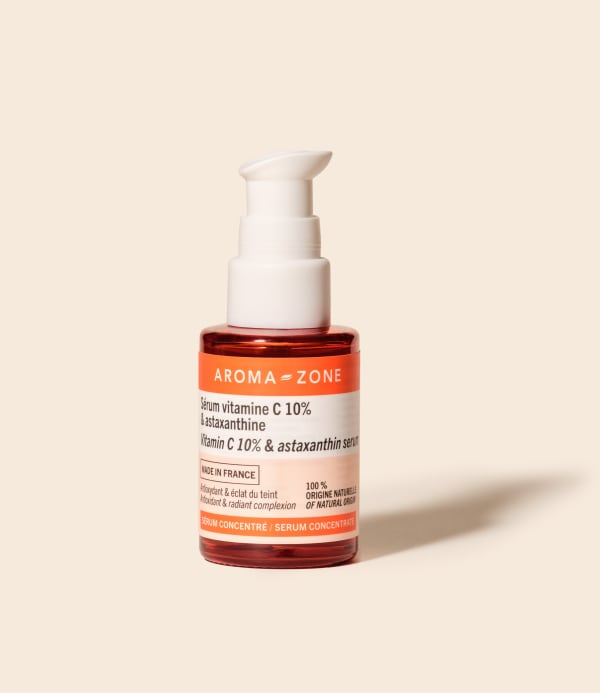
10% Vitamin C & Astaxanthin Concentrated Serum : Vitamin C is a powerful antioxidant that brightens the skin and reduces dark spots. Its added bonus? It also stimulates collagen production and evens out the complexion, leaving skin smooth, supple, and hydrated. Astaxanthin, meanwhile, protects the skin from free radical damage and naturally evens out the complexion. Apply a few drops of the 10% Vitamin C Concentrated Serum to the affected areas, gently massaging with your fingertips. Follow with a moisturiser and an SPF product.
Spotlight on our Hordatine and Licorice Anti-Dark Spot Serum
With 90% of spots reduced and visibly lightened, this proven-effective serum—specially formulated for all skin tones—offers a triple action: anti-spot, anti-ageing, and radiance-boosting. Its formula combines Hordatine, niacinamide, and licorice extract to target spots on all skin types. For a luminous, even complexion.
How can you prevent itchy brown spots from appearing on your skin?
Itchy brown spots can be effectively prevented by adopting a few good habits:
Protect yourself from the sun: Sun exposure can worsen the appearance of brown spots. Remember to wear a hat or sunglasses to protect your skin, especially on sunny days. You can also apply sunscreen with an SPF suited to your skin type, for peace of mind all day long. Depending on your preference, choose products with light, non-greasy textures for optimal comfort!
Avoid sun exposure during peak hours: the sun is strongest between noon and 4 p.m. If possible, try to avoid being out during these hours. If you must go out, take the opportunity to take a short walk in the shade of trees or under a parasol. It’s also nice to spend time indoors, out of the sun, with a good book or a cold drink.
Adopt a moisturising routine: dehydrated skin is more prone to irritation and itching. To deeply nourish and hydrate it, apply a gentle moisturiser every day. Do this whenever you like—after a shower or before bed—for a moment of relaxation and self-care. Hydration helps strengthen the skin barrier and prevent irritation.
Avoid skin irritants: if you have sensitive skin, avoid soaps or shower gels that are too harsh. Opt for gentle products that are kind to your skin. If necessary, also reconsider your laundry detergent to protect your skin from harsh chemicals that may trigger skin reactions such as dark spots and itching.
Try not to scratch: If you’re already experiencing itching, resist the urge to scratch. It’s difficult, but scratching can make things worse by irritating the area and leaving marks on your skin. If the spot is itchy, you can apply a soothing treatment to help you feel better.
Our recipes that are both soothing and anti-spot

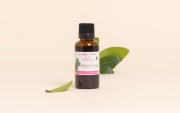
Precautions
If you have a brown spot accompanied by persistent itching, it is recommended that you consult a healthcare professional to rule out any underlying dermatological causes.
Expert advice
Taking care of yourself is essential, so don’t forget to listen to your skin and treat it gently. Every step, no matter how small, can help you feel better in your own skin. And remember, itchy brown spots don’t define your beauty—it’s the care you give yourself that makes all the difference. Take your time and be patient with your skin, while treating yourself to pleasant daily skincare routines.
Spotlight on Our Naturopathic Writer: Marine Leleux

Marine is a naturopath specialising in children’s well-being and a parenting coach. With 10 years’ experience supporting families, she now channels her passion into serving her community by sharing natural and caring advice.
Bibliography
Pityriasis versicolor: from symptoms to treatments, Doctissimo.
Everything you need to know about brown spots to better reduce them, Santé Magazine.

Frequently Asked Questions
Associated tips
Face care tips
Skin care tips


