
Skin problems: what is pityriasis versicolor, and how can you relieve it naturally?

Skin problems: what is pityriasis versicolor, and how can you relieve it naturally?


By Camille Clément

Published on: Wednesday, December 20, 2023, Updated on: Monday, November 02, 2026

Skin problems can sometimes be a nuisance, but that doesn’t mean you have to put up with them without doing anything about them. In this article, we’ll explore pityriasis versicolor and show you how to naturally relieve the symptoms of this common skin condition.

Contents

What is pityriasis versicolor?

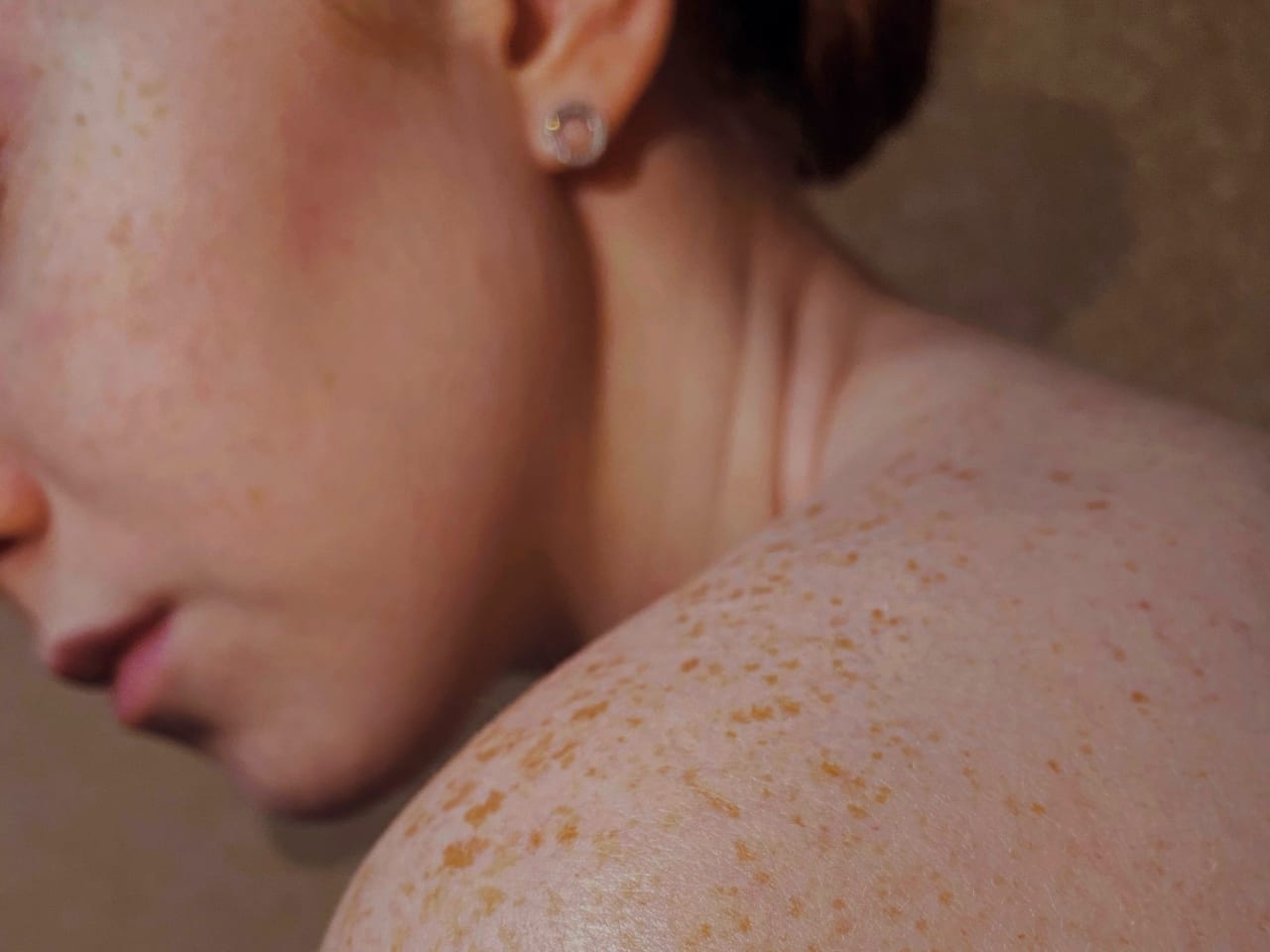
Pityriasis versicolor is a common skin condition caused by a fungal infection. It is characterised by light or dark patches on the skin, usually on the chest, back, arms or neck. These patches may be scaly, accompanied by itching, and can worsen in hot or humid conditions. Fortunately, pityriasis versicolor can be effectively treated with an antifungal treatment. 

It is also important to keep your skin clean and dry, avoid wearing clothes that are too tight, and avoid sharing personal items with others to prevent the infection from spreading. If you notice patches on your skin that are itchy, don’t worry, pityriasis versicolor isn’t that serious, but here are a few tips to relieve the symptoms naturally.

Our tips for naturally relieving the symptoms of pityriasis versicolor

Pityriasis versicolor is a skin condition caused by a yeast of the genus Malassezia. To naturally relieve the symptoms of pityriasis versicolor, you can try the following tips:

1. Tea tree oil: Tea tree oil has antifungal properties that can help combat the yeast responsible for pityriasis versicolor. You can apply it directly to the affected area using a cotton bud. Dilute the tea tree oil with a carrier oil such as coconut oil if you have sensitive skin.

2. Apple cider vinegar: Apple cider vinegar can help balance the skin’s pH and combat the fungal infection. Mix one part apple cider vinegar with two parts water and apply this solution to the affected skin using a cotton bud. Leave to dry before rinsing with lukewarm water.

3. Aloe vera: Aloe vera has soothing and healing properties. Apply pure aloe vera gel to the affected area. Leave to dry and rinse gently with lukewarm water.

4. Personal hygiene: Maintain good personal hygiene by showering regularly and using a mild soap. Avoid irritating or perfumed products that could aggravate the symptoms.

It is always advisable to consult a healthcare professional before starting any treatment, even a natural one, to ensure it is suitable for your individual health condition. It is also important to note that pityriasis versicolor may take a few weeks to a few months to clear up after treatment has finished.

Find out more

Fancy finding out more? Check out our articles on skin problems:

  • How to identify your skin type?

  • Tea tree and peppermint ‘anti-blemish’ lotion

Spotlight on Our Writer: Camille Clément

AdobeStock 1204111407

Camille specialises in writing content on the topics of beauty, health, and natural well-being. Passionate about these subjects, she writes articles for major media outlets to help everyone look after themselves in a natural and holistic way.

Photo by Valeria Smirnova on Unsplash