
As we age, small brown marks, commonly known as age spots, can appear on the skin. They are particularly common in areas regularly exposed to the sun, such as the face, hands, décolletage and forearms. These spots are associated with a build-up of melanin, the pigment responsible for skin colour. Over time, changes in the activity and distribution of pigment-producing cells can contribute to the development of small, darker patches.
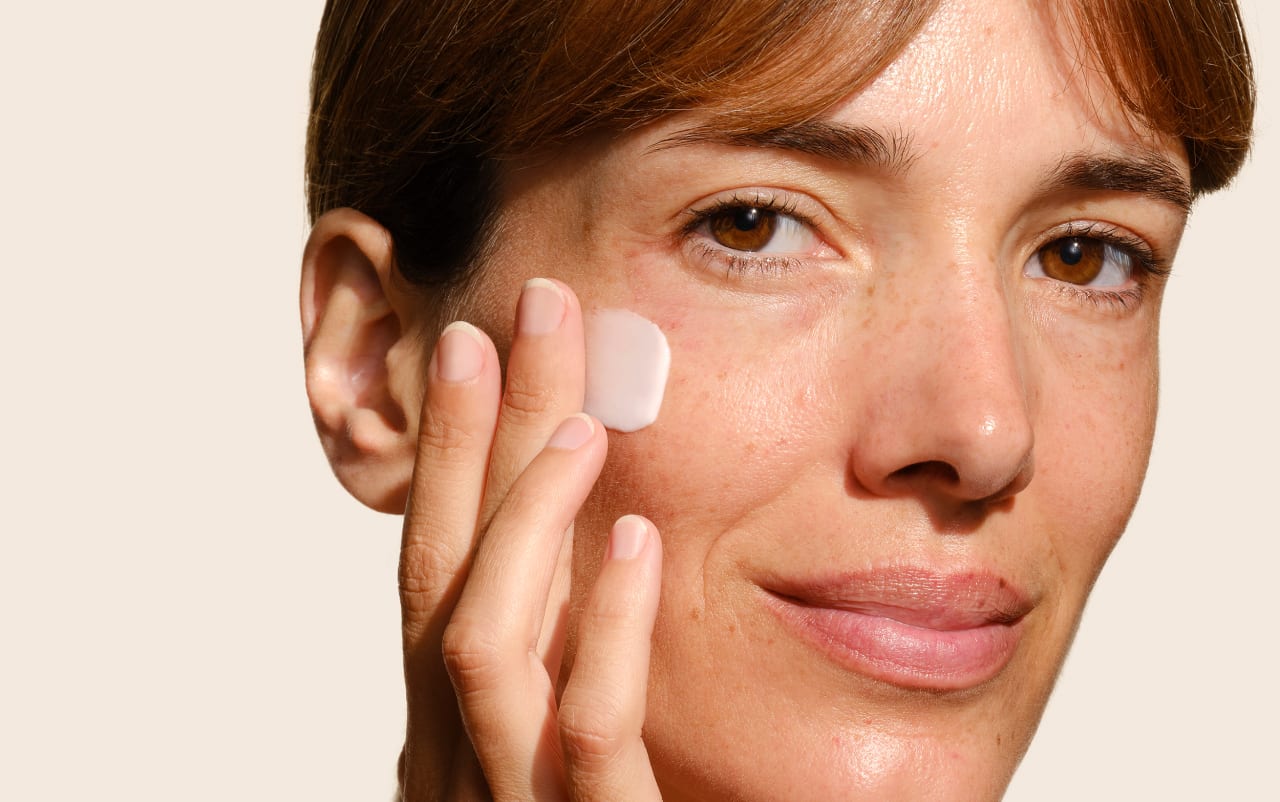
How Can You Remove Age Spots Naturally?
Published on: Friday, November 24, 2023, Updated on: Thursday, October 29, 2026
Age spots are common as we get older, but they can also appear earlier due to repeated exposure to the sun. Although they are generally harmless, they are often seen as a sign of skin ageing and can make the complexion appear less even. To reduce their appearance, many people turn to home remedies, which are seen as natural, simple, and accessible solutions. But are these tips actually effective? Discover our recommendations for effective anti-age-spot treatments to adopt as part of your skincare routine, tailored to your needs.
Contents
Related products
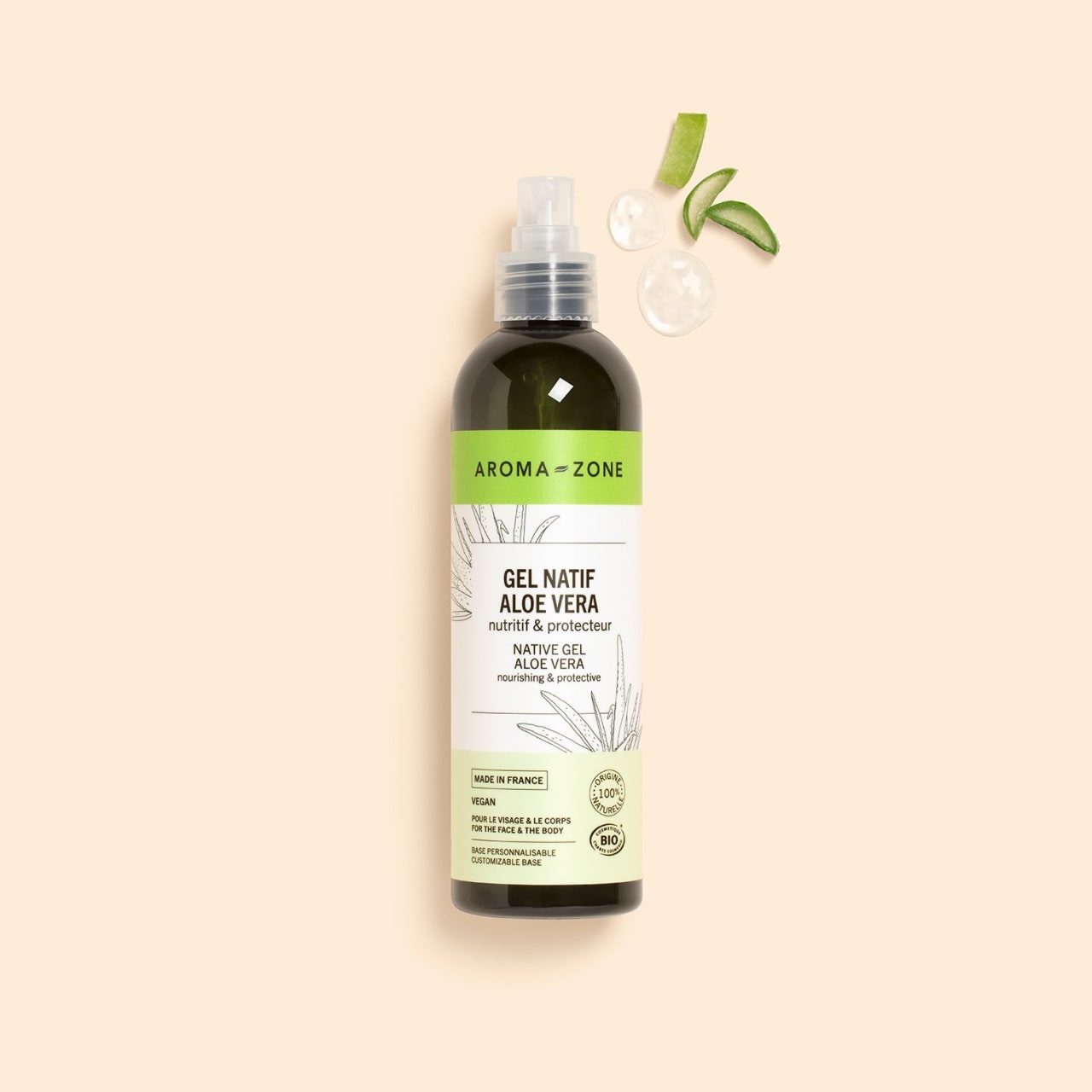
Organic Native Aloe Vera Gel
Protective
Nourishing
£10.00
250 ml
3 options
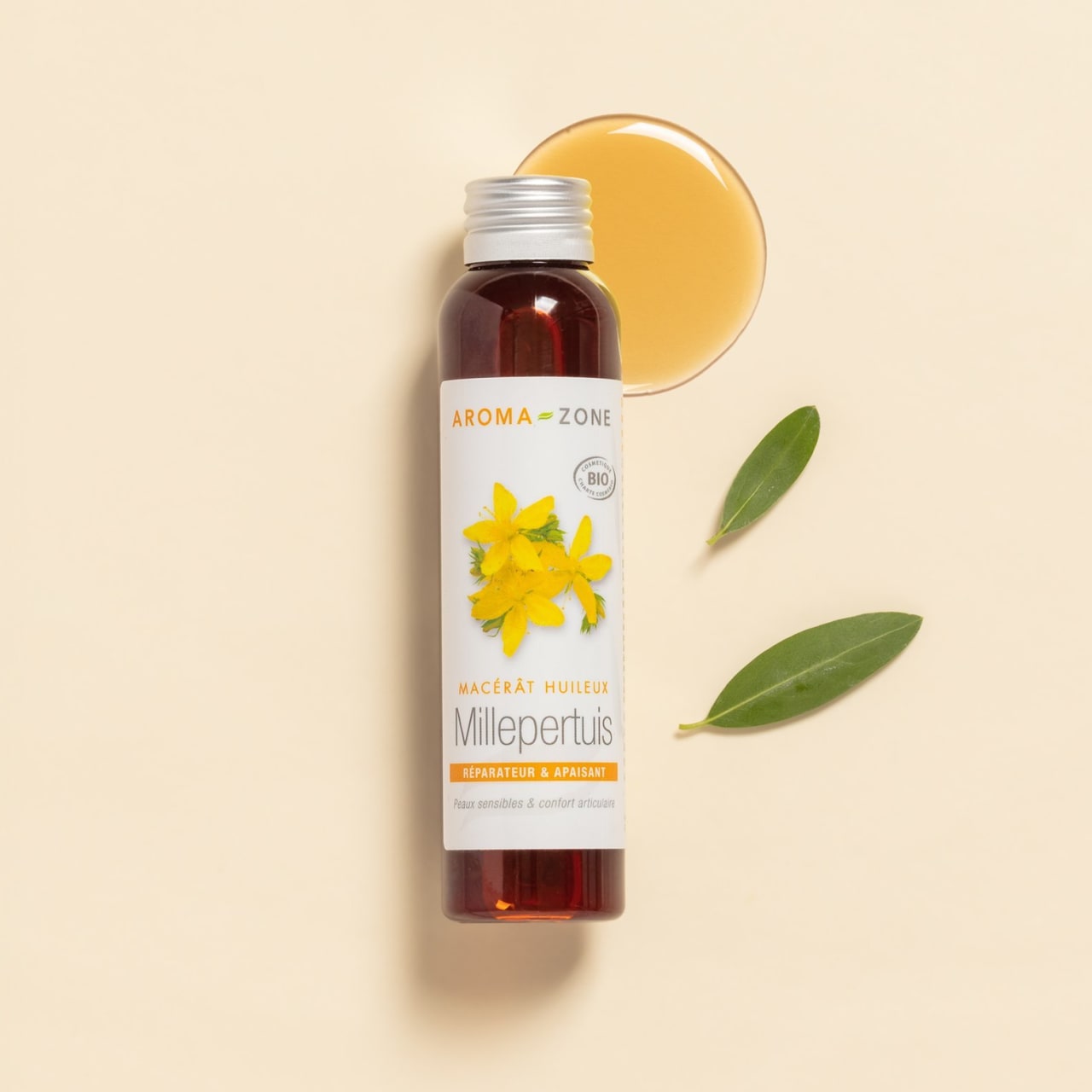
£7.00
100 ml
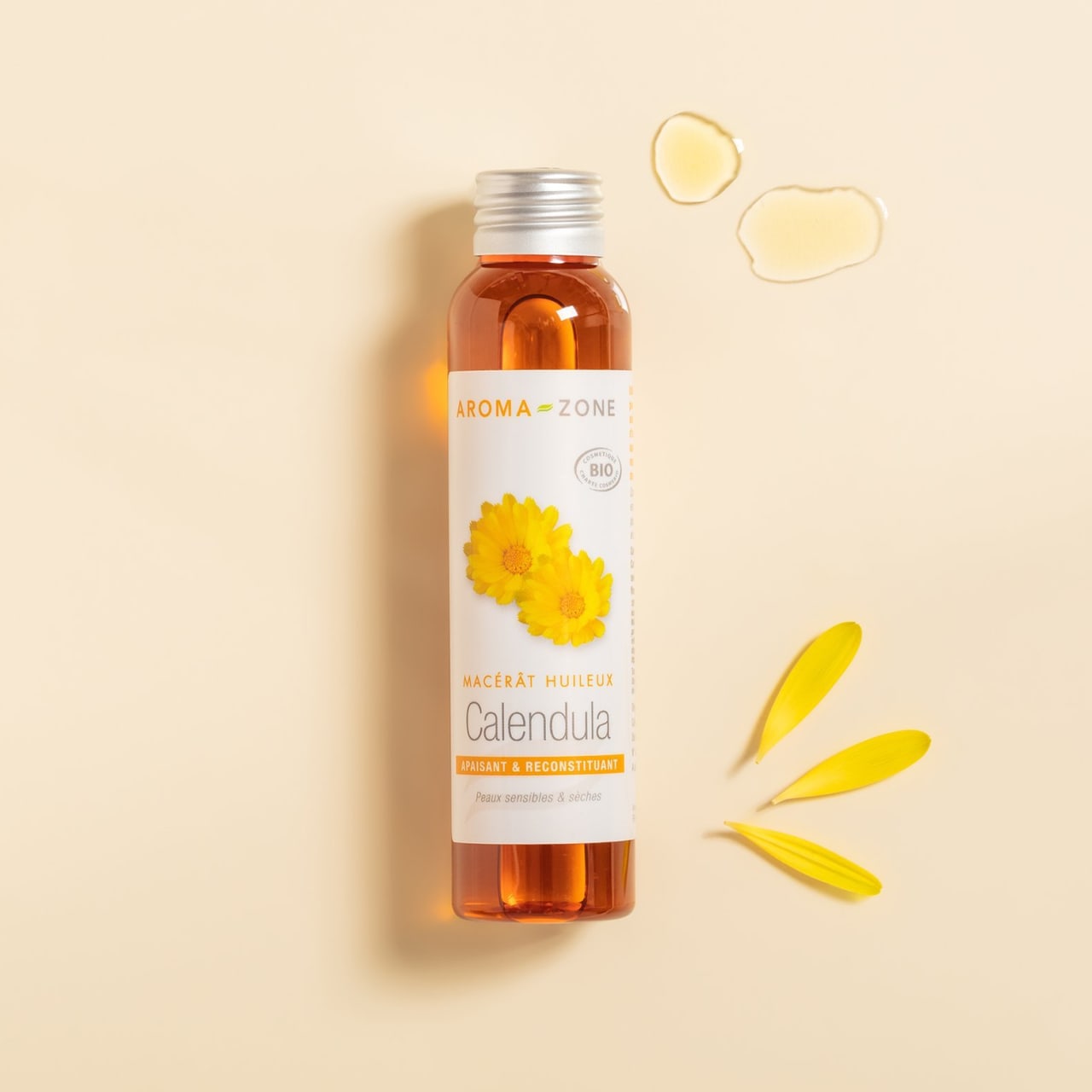
Organic Calendula Infused Oil
Soothing
£6.50
100 ml
2 options
In brief
The article explores age spots as a sign of skin ageing and discusses natural approaches to reducing their appearance, including skincare routines and facial treatments.
It explains the causes of age spots and offers recommendations for a natural skincare routine. The estimated reading time is 3 minutes, although the full article is needed for details on specific treatments, application frequency and how to incorporate them into a routine.
The extract provided does not specify contraindications, potential interactions or precautions associated with the recommended treatments. The full article should be consulted for further details on safe use, sun protection and the natural solutions discussed by the author, who specialises in beauty, health and well-being.
What Are Age Spots?
Please Note
Although they are one of the visible signs of skin ageing, age spots are generally not a cause for concern as long as their appearance remains unchanged.
What Is the Difference Between Age Spots, Lentigines, and Melasma?
Not all brown marks on the skin are age spots. Although they may look similar, these different forms of hyperpigmentation have different causes and appearances. Let’s take a closer look:
Age Spots: Also known as solar lentigines, they are mainly linked to repeated exposure to UV rays over the years. They generally appear on the areas most exposed to the sun. They appear as small brown spots with clear borders, which may become more visible over time.
Lentigo: The term ‘lentigo’ refers to a broader category of pigmented spots associated with a localised build-up of melanin. Solar lentigines are therefore a type of age spot, but lentigines also include other forms, notably certain genetically related types. They have sharp, well-defined edges and remain present over time without changing significantly.
Melasma: Melasma is another form of hyperpigmentation. It tends to manifest as irregular, often symmetrical brown patches on the face, particularly on the cheeks, forehead or around the mouth. Its onset is triggered by hormonal changes, such as during pregnancy or when taking hormonal contraception, but also by exposure to the sun, which can intensify the patches. For more, read our article: Melasma Caused by Sun Exposure: What Is It?
What Are Some Effective Home Remedies for Age Spots?
Certain natural ingredients can be used to care for the skin and restore a more even complexion. Although they do not completely remove age spots, when used regularly they can help brighten the complexion, nourish the skin, and minimise the appearance of uneven pigmentation.
Why Do We Get Brown Spots on Our Skin?
Over time, it is common to see small, darker patches appear on the skin. Several factors can explain their appearance, although the sun remains the main culprit:
Years of Sun Exposure
Sun exposure is the primary cause of age spots. When the skin is exposed to UV rays, it produces melanin to protect itself. This is a natural process, but repeated exposure over the years can eventually disrupt this production. The pigment then accumulates unevenly, and certain areas of the skin become darker than others. This is why dark spots often appear on the parts of the body that are most exposed to the sun. On this topic, read our article: Which Sun Protection Should You Use on Your Face?
The Natural Ageing of the Skin
Brown spots are also one of the signs of skin ageing. As we get older, melanocytes, the cells that produce melanin, become less regular in their function. The skin then finds it harder to distribute pigments evenly, which can lead to the appearance of small brown marks. This is a normal and very common phenomenon.
Hormonal Changes
Hormones can also influence skin pigmentation. During certain periods of life, such as pregnancy or menopause, hormonal changes can stimulate melanin production. This is one of the main reasons for the appearance of melasma, often known as the pregnancy mask, which manifests as brown patches spreading across the face.
Marks Left by Blemishes or Irritation
Certain skin blemishes can sometimes leave a pigmented mark. After a spot, a minor injury or irritation, the skin may produce more melanin while it heals. These marks, known as post-inflammatory hyperpigmentation, can take time to fade.
Skin That is More or Less Prone to Dark Spots
Not everyone has the same susceptibility to pigmentation spots. Some people have skin that reacts more strongly to UV rays or produces melanin more readily. This predisposition may be partly linked to genetics.
Please Note
The term ‘age spots’ covers several different conditions. Understanding their causes helps you tailor your skincare routine and choose natural or cosmetic solutions suited to your skin’s needs.
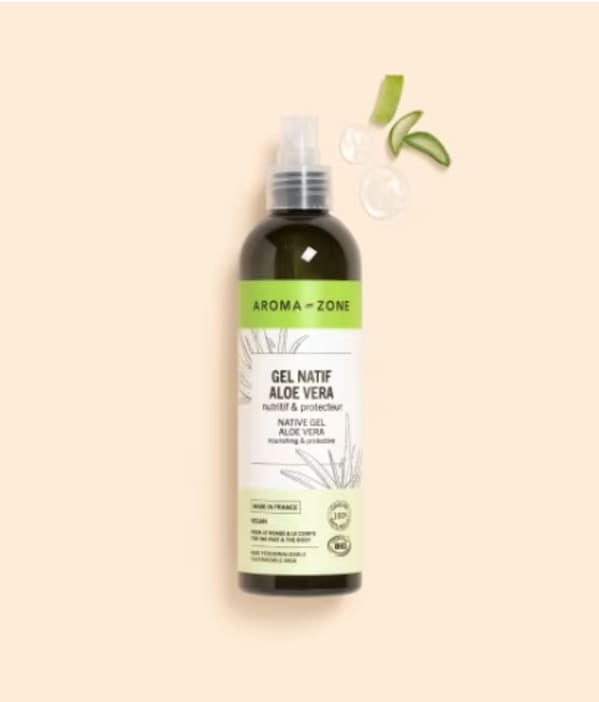
Aloe vera: Aloe vera gel is a classic ingredient in natural skincare. Rich in polysaccharides, it helps maintain good hydration and soothes the skin. In the case of dark spots, it can be beneficial for skin that has been weakened or sensitised by external aggressors
Honey: Honey has long been used in home skincare for its nourishing and antioxidant properties. Applied as a mask, it leaves the skin feeling soft and comfortable. As part of a skincare routine for dull skin or skin showing signs of ageing, it can help restore a fresher, more radiant complexion. Read our article on this topic: Make a honey face mask to brighten your complexion.
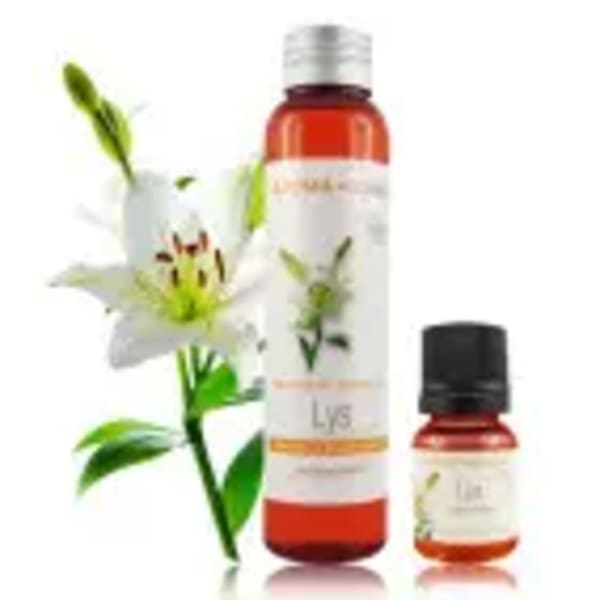
Lily Oil Macerate: Traditionally used in natural skincare for skin with pigmentation irregularities, lily macerate is prized for its nourishing and softening properties. It can be incorporated into a skincare routine aimed at naturally lightening the skin and preventing the appearance of age spots. Please note that this macerate should not be used undiluted but as part of a cosmetic formulation
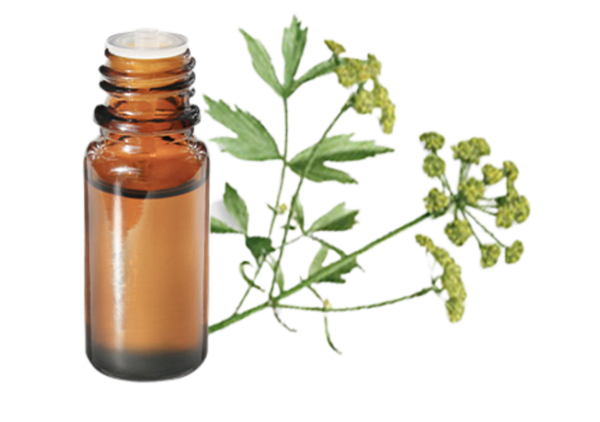
Celery Essential Oil: This is the ultimate essential oil for tackling age spots. It is very potent and must be used with caution. It is used as a cosmetic active ingredient to brighten and even out the complexion. Before use, please consult our guide to essential oils to view the precautions for use. Warning: this essential oil is photosensitising: do not expose yourself to the sun within 12 hours of application. Celery essential oil is contraindicated for pregnant women, breastfeeding women and children. Never use undiluted. Use at a concentration of less than 1% in cosmetics
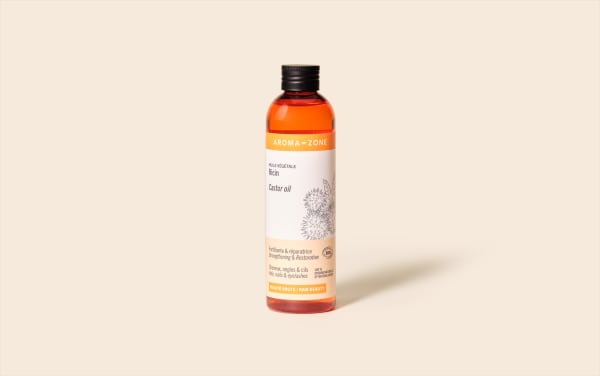
Castor Oil: Known for its rich texture, castor oil is ideal for skin lacking nourishment. As part of a treatment for dark spots, it can be used to care for dry areas and keep the skin feeling comfortable. Please note that this oil should not be used undiluted, but as part of a blend suited to your skin type
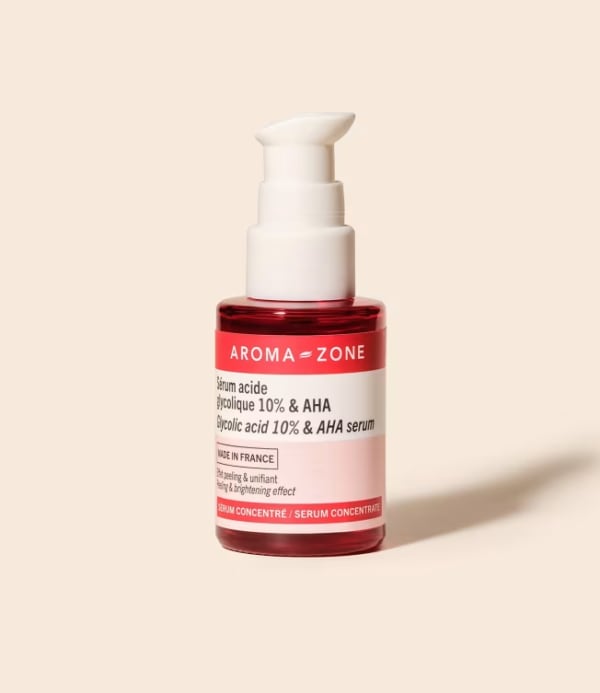
Gentle Exfoliation: Over time, dead skin cells can make the complexion look duller. Gentle exfoliation helps to smooth the skin’s surface and restore its radiance. For skin affected by age spots, fruit acids (AHAs), such as glycolic acid, are often preferred as they gently promote skin renewal.
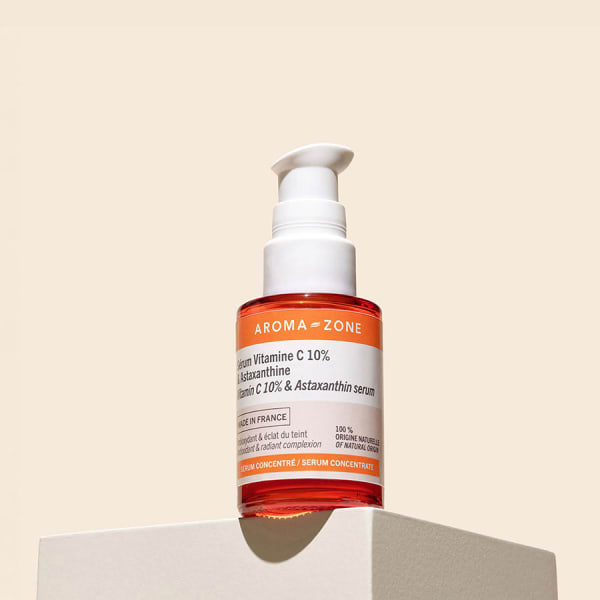
Vitamin C: Vitamin C is a highly valued active ingredient in skincare for dull skin showing signs of skin ageing. Thanks to its antioxidant properties, it helps the skin defend itself more effectively against oxidative stress and contributes to a more radiant complexion.
What Is a Natural Anti-Age Spot Skincare Routine?
To naturally reduce the appearance of age spots, why not try this simple and effective routine:
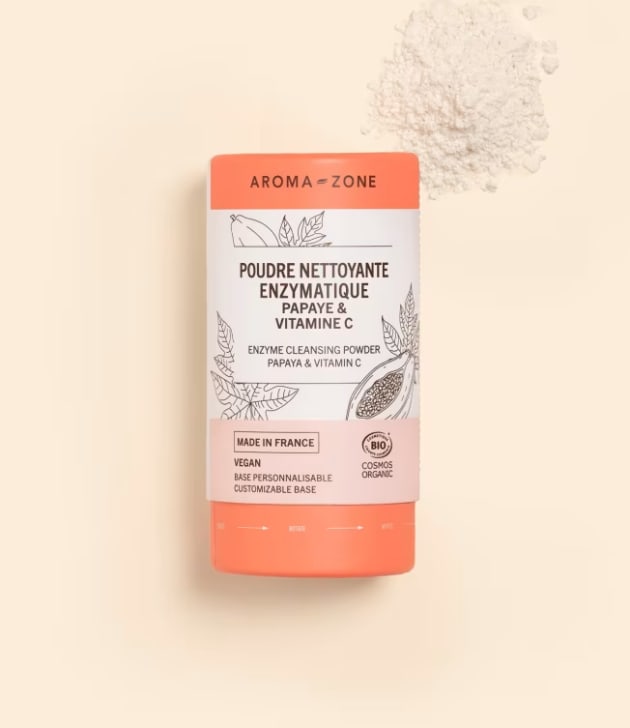
Step 1: Cleanse your skin
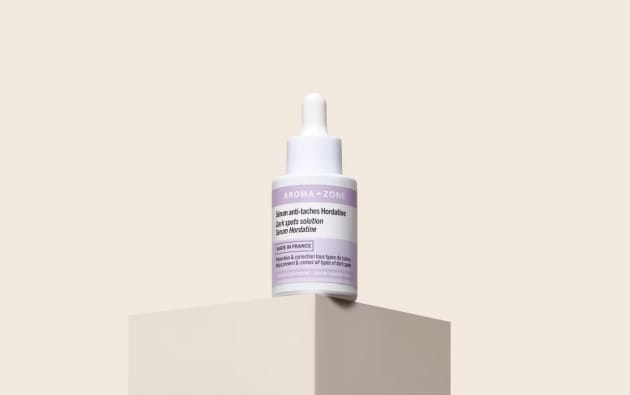
Step 2: Target your age spots
Discover the Hordatine & Liquorice Extract Anti-Age Spot Serum
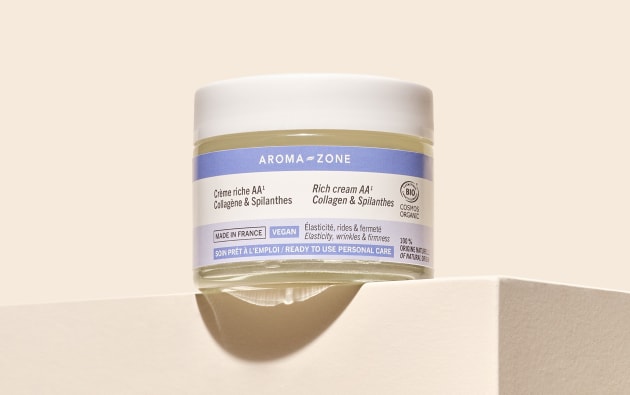
Step 3: Moisturise your skin
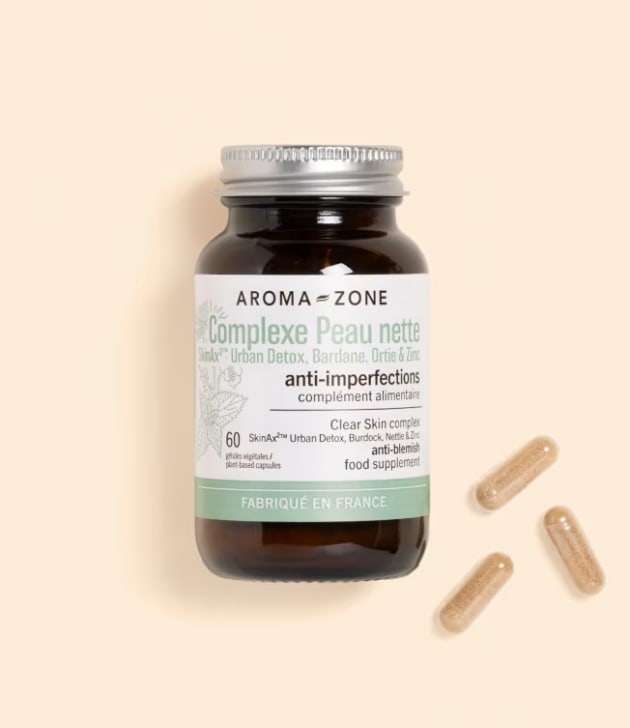
Step 4: Take action from within
Discover the Belight³™ & Damasty® Anti-Age Spot Complex – Antioxidant & radiant complexion
To find out more, discover our experts’ anti-dark spot routine
How to Deal With Age Spots?
Although age spots do not generally pose a health risk, many people seek to reduce or remove them for cosmetic reasons. There are several approaches to managing age spots:
Sun Protection: Prevention is key. Regular use of a broad-spectrum sun cream with an appropriate SPF can help reduce the formation of new age spots and prevent existing ones from getting worse
Skin-Lightening Products: certain topical products containing ingredients such as kojic acid, glycolic acid, or Vitamin C can help reduce the appearance of age spots. These products work by reducing melanin production and promoting cell renewal
Dermatological Treatments: professional treatments such as chemical peels, laser therapy, intense pulsed light (IPL) therapy or cryotherapy may be considered to remove or reduce age spots. These treatments must be carried out by qualified healthcare professionals
Gentle Exfoliation: Regular exfoliation can help remove pigmented skin cells, but this must be done with care to avoid further irritation or damage to the skin
What Common Mistakes Make Age Spots Worse?
What Common Mistakes Make Age Spots Worse?
Certain everyday habits can make age spots more pronounced or encourage their appearance. Understanding these habits properly helps you avoid these behaviours and prevent age spots more effectively:
Forgetting to Use Sun Protection: UV rays are the main factor responsible for age spots. Repeated exposure without protection stimulates melanin production and can make existing spots more visible
Exposing Yourself to the Sun After Using Certain Active Ingredients: Exfoliating skincare products containing fruit acids or other active ingredients can make the skin more sensitive to UV rays. It is best to apply them in the evening and protect your skin during the day
Using Scrubs That Are Too Harsh: Exfoliating too frequently or using abrasive products can weaken the skin and cause irritation, which may lead to pigmentation marks
Applying Undiluted Lemon Juice to the Skin: Although often mentioned in traditional home remedies, lemon juice can be irritating and increase the skin’s sensitivity to the sun. Exfoliating ingredients suitable for use on the skin are a gentler alternative
Allowing Your Skin to Become Dehydrated: Dry or weakened skin is more vulnerable to external aggressors. Regular moisturising helps to maintain a healthy skin barrier
Using Too Many Anti-Dark-Spot Products: Using too many products or changing your skincare routine too often can irritate the skin. To tackle dark spots, it’s best to stick to a few suitable products and use them regularly
Precautions for Use
The advice given in this article is based on the use of natural ingredients and skincare products suitable for skin prone to age spots. Before incorporating a new active ingredient or product into your skincare routine, it is important to follow the instructions for use provided on the product information sheet. For skincare products applied directly to the skin, it is advisable to carry out a skin tolerance test 48 hours before first use. Apply a small amount of the product to an inconspicuous area, then check for any adverse reactions before using it on a larger area. If you have sensitive skin, are currently undergoing dermatological treatment or have a specific skin condition, seek advice from a healthcare professional before using any new skincare products.
Expert Advice
A brown spot isn’t necessarily something you absolutely must try to get rid of. Once it has been checked by a dermatologist and found to be nothing to worry about, it’s perfectly possible to learn to live with it. Looking after your skin, protecting it from the sun and maintaining its radiance can be more realistic goals than trying to achieve completely blemish-free skin.
Spotlight on Our Writer: Camille Clément

Camille specialises in writing content on the topics of beauty, health, and natural well-being. Passionate about these subjects, she writes articles for major media outlets to help everyone look after themselves in a natural and holistic way.
Bibliography
American Academy of Dermatology Association. (n.d.). How to fade dark spots in darker skin tones. American Academy of Dermatology.
https://www.aad.org/public/everyday-care/skin-care-secrets/routine/fade-dark-spots
D’Orazio, J., Jarrett, S., Amaro-Ortiz, A., & Scott, T. (2013). UV radiation and the skin. International Journal of Molecular Sciences.
https://pubmed.ncbi.nlm.nih.gov/23749111/
Dreno, B., Araviiskaia, E., Berardesca, E., Bieber, T., Hawk, J., Sanchez-Viera, M., & Wolkenstein, P. (2014). The science of dermocosmetics and its role in dermatology. Journal of the European Academy of Dermatology and Venereology: JEADV, 28(11), 1409–1417.
https://doi.org/10.1111/jdv.12497
4Farris, P. K. (2005). Topical vitamin C: A useful agent for treating photoageing and other dermatological conditions. Journal of Clinical and Aesthetic Dermatology.
https://pubmed.ncbi.nlm.nih.gov/16029672/
Gupta, A. K., Gover, M. D., Nouri, K., & Taylor, S. (2006). The treatment of melasma: A review of clinical trials. Journal of the American Academy of Dermatology.
https://pubmed.ncbi.nlm.nih.gov/17097400/
Kornhauser, A., Coelho, S. G., & Hearing, V. J. (2010). Applications of hydroxy acids: Classification, mechanisms, and photoactivity. Clinical, Cosmetic and Investigational Dermatology.
https://pubmed.ncbi.nlm.nih.gov/21437068/

Frequently Asked Questions
Associated tips
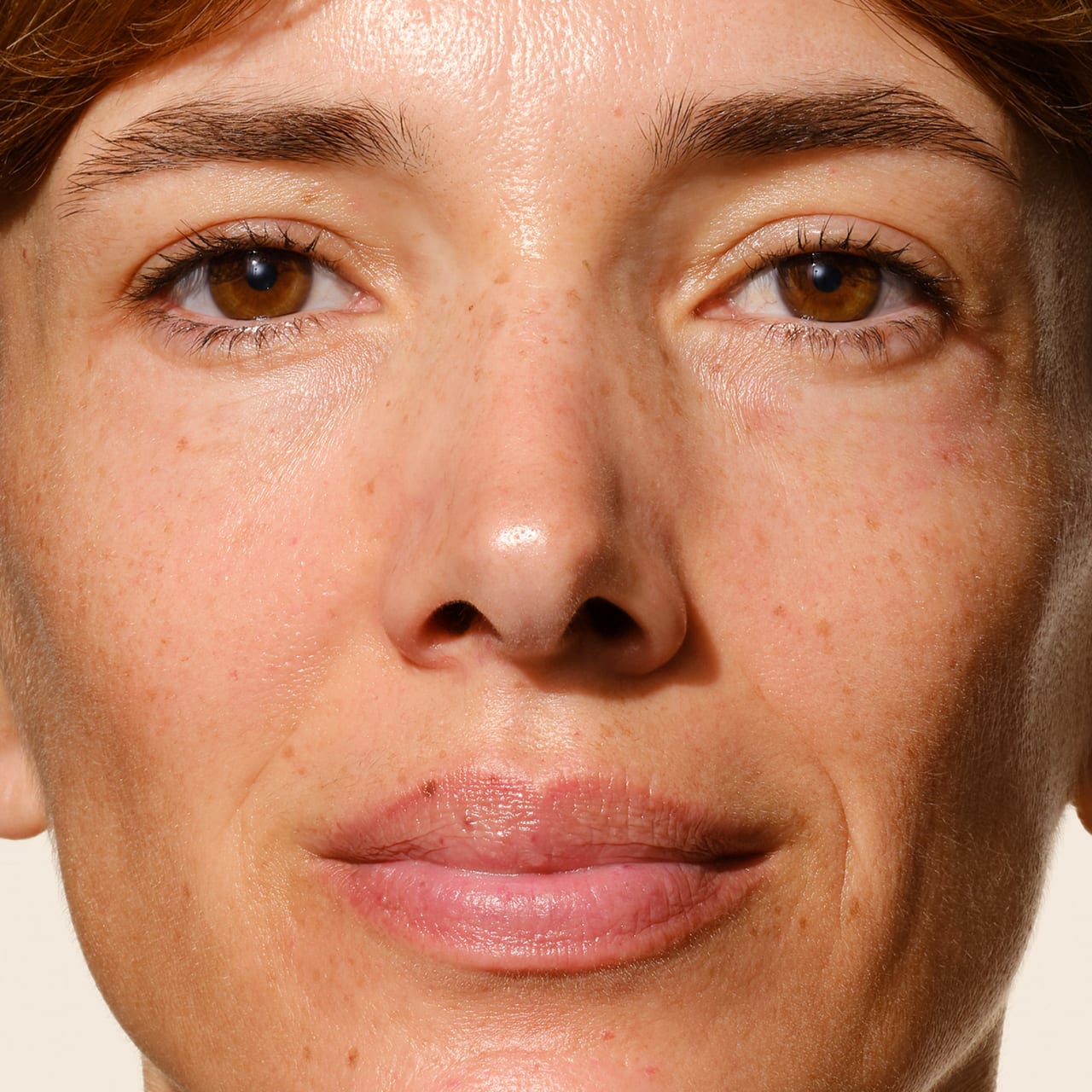
Face care tips
Face care tips

Natural actives


