
Common name: Kojic acid
Category: Natural substance with a gamma-pyrone structure
Origin: Natural, fungal metabolite (Aspergillus oryzae) derived from the fermentation of “koji” rice
Form: White crystalline powder
INCI Name: Kojic Acid
For: Skin prone to pigmentation (brown spots, melasma)
Functions:
Anti-dark spot: Tyrosinase inhibitor (melanin regulation)
Antioxidant, metal ion chelator (prevention of photoageing)
Antimicrobial (against certain bacteria and fungi)
Anti-wrinkle (antioxidant effect that can reduce the appearance of fine lines)
Gentle exfoliant (mild exfoliative effect, promotes cell renewal)
Cosmetic dosage : Up to 1% in finished products.
Solubility: Hydrophilic (soluble in warm water, insoluble in oil)
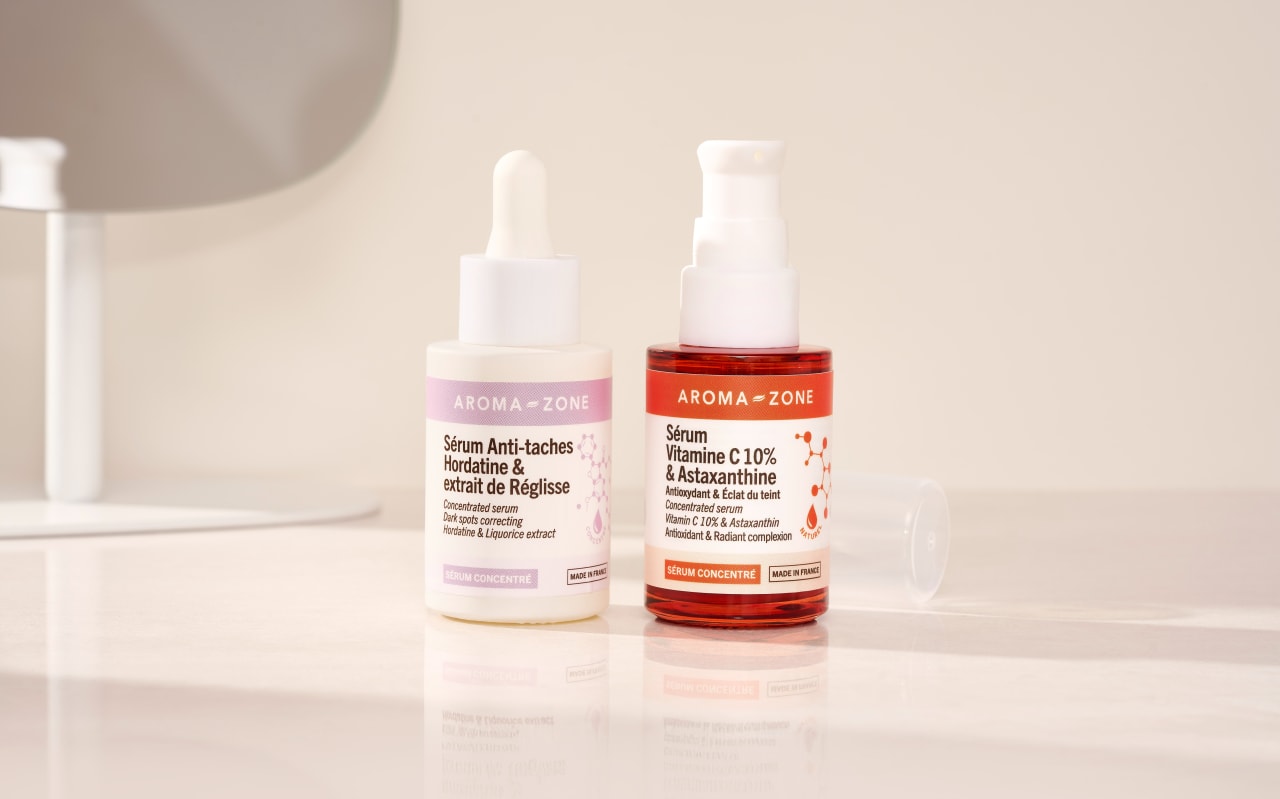
Kojic Acid: What Is It?
By Delphine Duc
Published on: Tuesday, July 29, 2025, Updated on: Thursday, October 29, 2026
Kojic acid is a popular active ingredient in cosmetics for its brightening and antioxidant properties. Widely used in anti-pigmentation-spot and skin-evening skincare products, this natural ingredient regulates the production of melanin and protects the skin from oxidative stress. Where does it come from and how does it work? Discover kojic acid and its many uses.
Contents
Related products
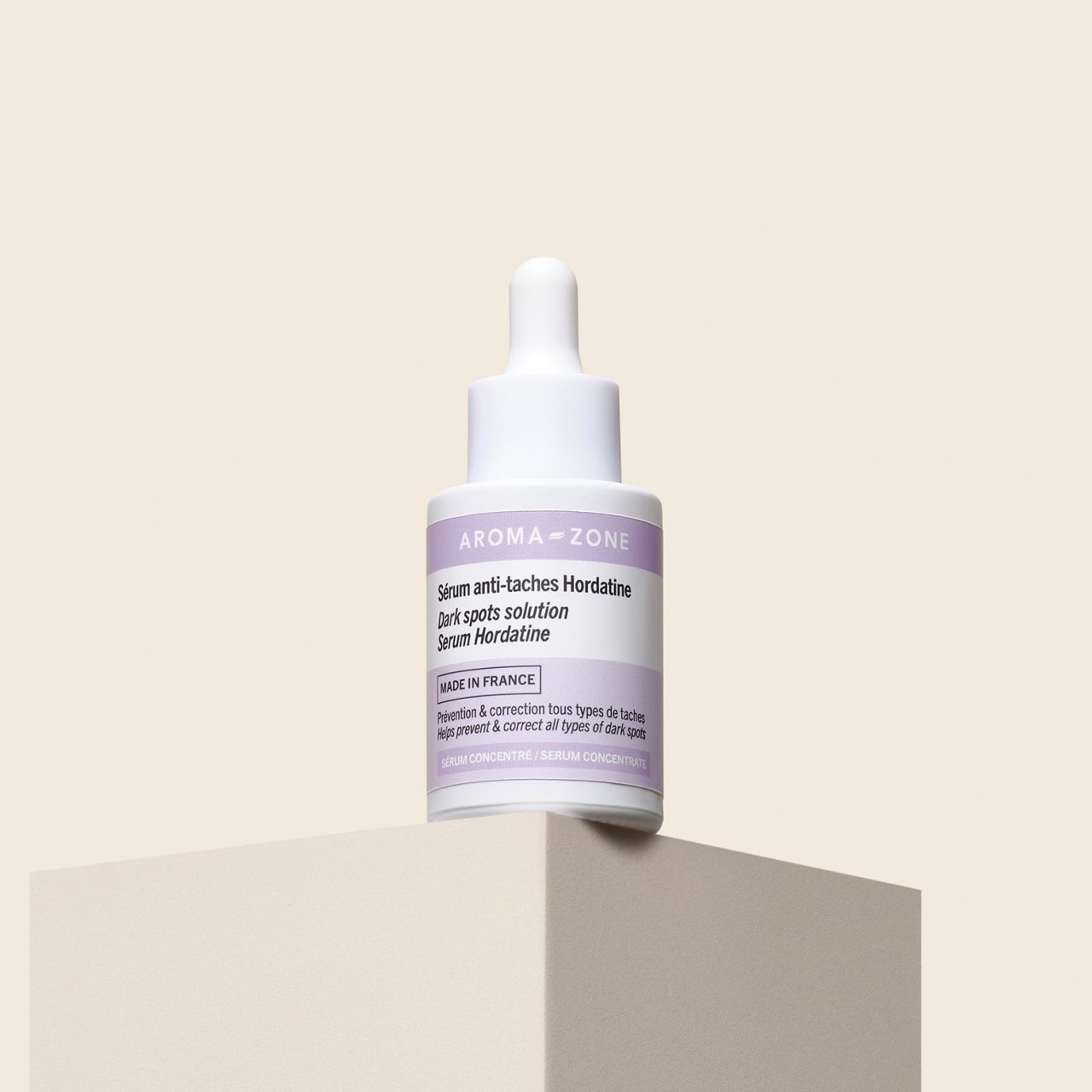
Hordatine & Liquorice Extract Serum
Anti-dark spots
Unifying
£11.00
30 ml
2 options
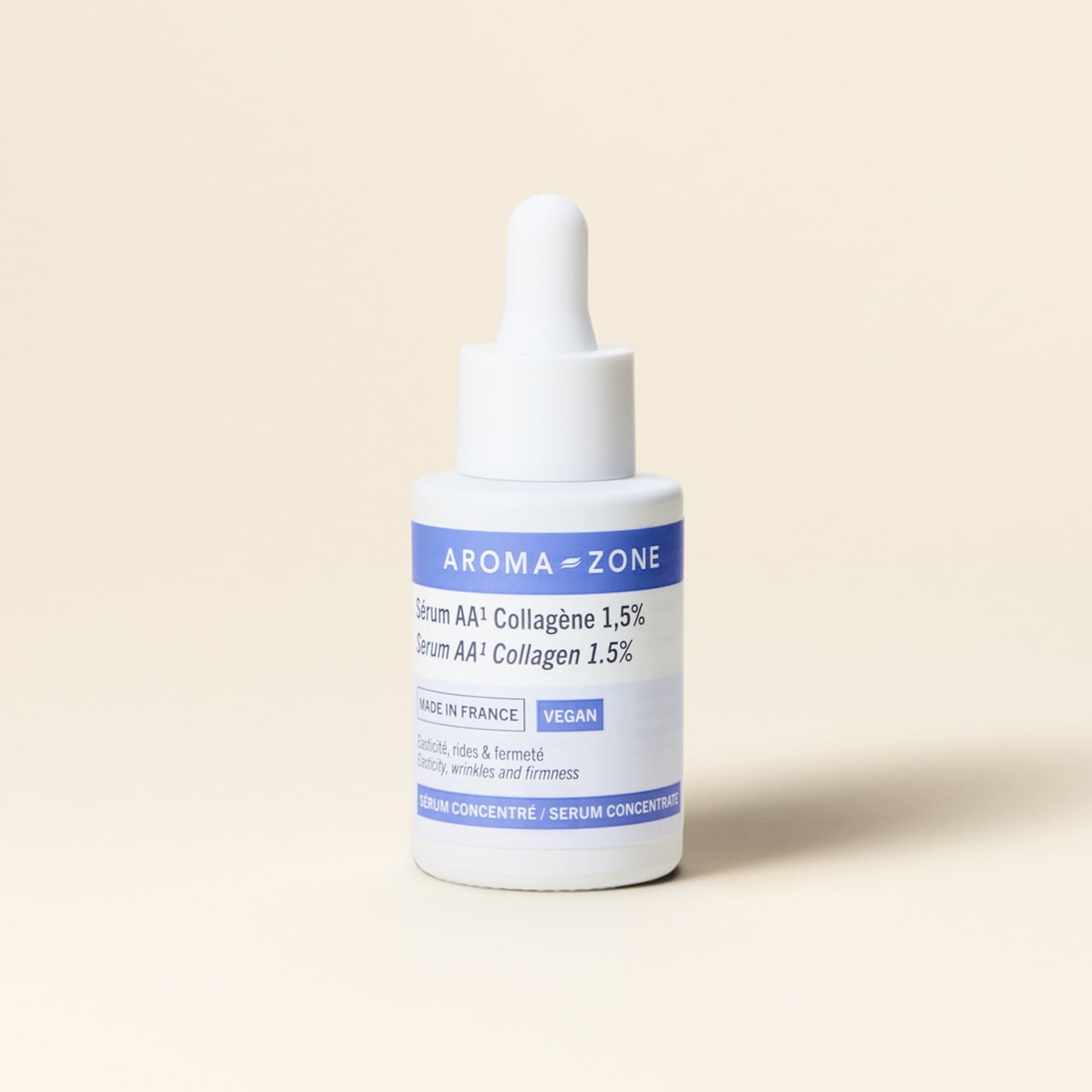
AA Collagen 1.5% Serum
Anti-ageing
Firming
£11.00
30 ml
4 options
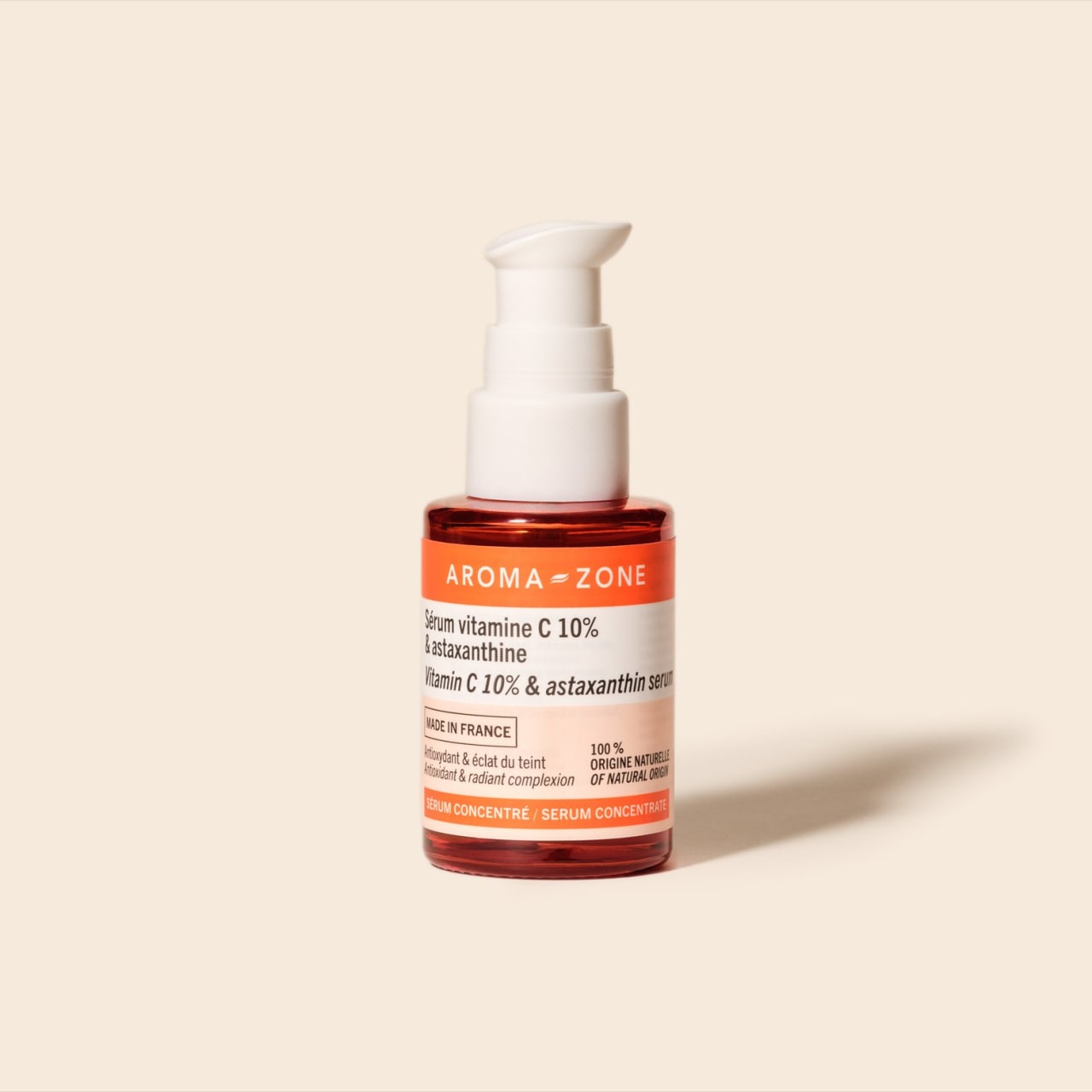
Vitamin C 10% & Astaxanthin Serum
Radiant complexion
Antioxidant
£9.00
30 ml
2 options
Resveratrol Active Ingredient
Circulatory
Anti-ageing
£6.00
5 ml
£9.00
30 ml
2 options
Active Ingredient Profile
Definition and mechanism of action
Kojic acid (5-hydroxy-2-(hydroxymethyl)-4H-pyran-4-one) is a secondary metabolite naturally produced by several species of fungi of the genus Aspergillus, notably A. oryzae, during the fermentation of rice used to make sake. This biofermentation process converts the carbohydrates in rice into kojic acid through the combined action of fungal enzymes, resulting in a white crystalline powder that is isolated and then purified for cosmetic use.
On the skin, kojic acid acts as a competitive inhibitor of tyrosinase: it binds to its active site, preventing the conversion of L-tyrosine into DOPAquinone, an essential precursor of melanin. By slowing down this key step in melanogenesis, it reduces the formation of new pigments and contributes to the gradual fading of dark spots. This targeted action makes it a top choice for "anti-dark spot" skincare products!
Furthermore, the chemical structure of gamma-pyrone gives kojic acid antioxidant and chelating properties: it traps free radicals generated by UV rays and pollution, and can bind to certain metal ions that catalyse oxidative reactions. By reducing oxidative stress, it protects collagen and elastin fibres, helps prevent the appearance of wrinkles, and maintains a radiant complexion over the long term.
Despite its effectiveness, the use of kojic acid is controversial due to concerns about its stability (it oxidises and darkens upon contact with air) and its potential to cause irritation at high concentrations. Some experts also highlight a theoretical risk of skin sensitisation and call for further toxicological testing to confirm its complete safety, particularly in formulations containing more than 1%.
Benefits for the skin
Skin Brightening
Kojic acid acts upstream of melanin synthesis: it competitively binds to the active site of tyrosinase, preventing the conversion of L-tyrosine into DOPAquinone, a direct precursor of melanin. This enzymatic inhibition slows down the cascade of reactions leading to pigment formation, thereby limiting the accumulation of melanosomes in keratinocytes and slowing the appearance or darkening of brown spots.
Clinically, several studies have evaluated the efficacy of 1% kojic acid applied daily.
Antioxidant effect
Thanks to its gamma-pyrone structure, kojic acid effectively captures free radicals generated by UV rays and pollution, limiting oxidative stress and photoageing of the skin. This action protects collagen and elastin fibres, helping to preserve the skin’s firmness and radiance.
Antimicrobial activity
In vitro, kojic acid demonstrates inhibitory activity against various dermatophytes and yeasts, as well as certain bacteria responsible for skin imperfections. This property makes it a valuable addition to skincare products for combination to oily skin types, which are prone to developing blackheads and blemishes.
Anti-wrinkle
Although no clinical studies specifically target wrinkles, dermatology experts note that the antioxidant effect of kojic acid may help visually reduce fine lines and prevent their formation by protecting the skin matrix from environmental aggressors.
Suitable for all skin tones
Kojic acid is effective on all skin types when used at ≤ 1%; it does not cause excessive depigmentation or rebound hyperpigmentation when the concentration and pH are properly maintained.
Uses of the active ingredient
Cosmetics
Laboratories use kojic acid in:
Anti-dark spot creams and gels for daily use.
Concentrated peel-off masks, delivering the active ingredient in a thin layer for even penetration.
Gels and emulsions enriched with moisturising agents to optimise skin tolerance.
Pharmaceutical
In the medical field, kojic acid is incorporated into topical preparations (creams or lotions) intended for depigmentation under strict dermatological prescription. Its safety and tolerance profile have been validated by the CIR Expert Panel, which recommends a concentration of ≤ 1% for daily use.
Our natural solutions based on kojic acid
If you don’t have kojic acid as a pure ingredient or in a ready-to-use product, here are some natural alternatives that can offer the same benefits:
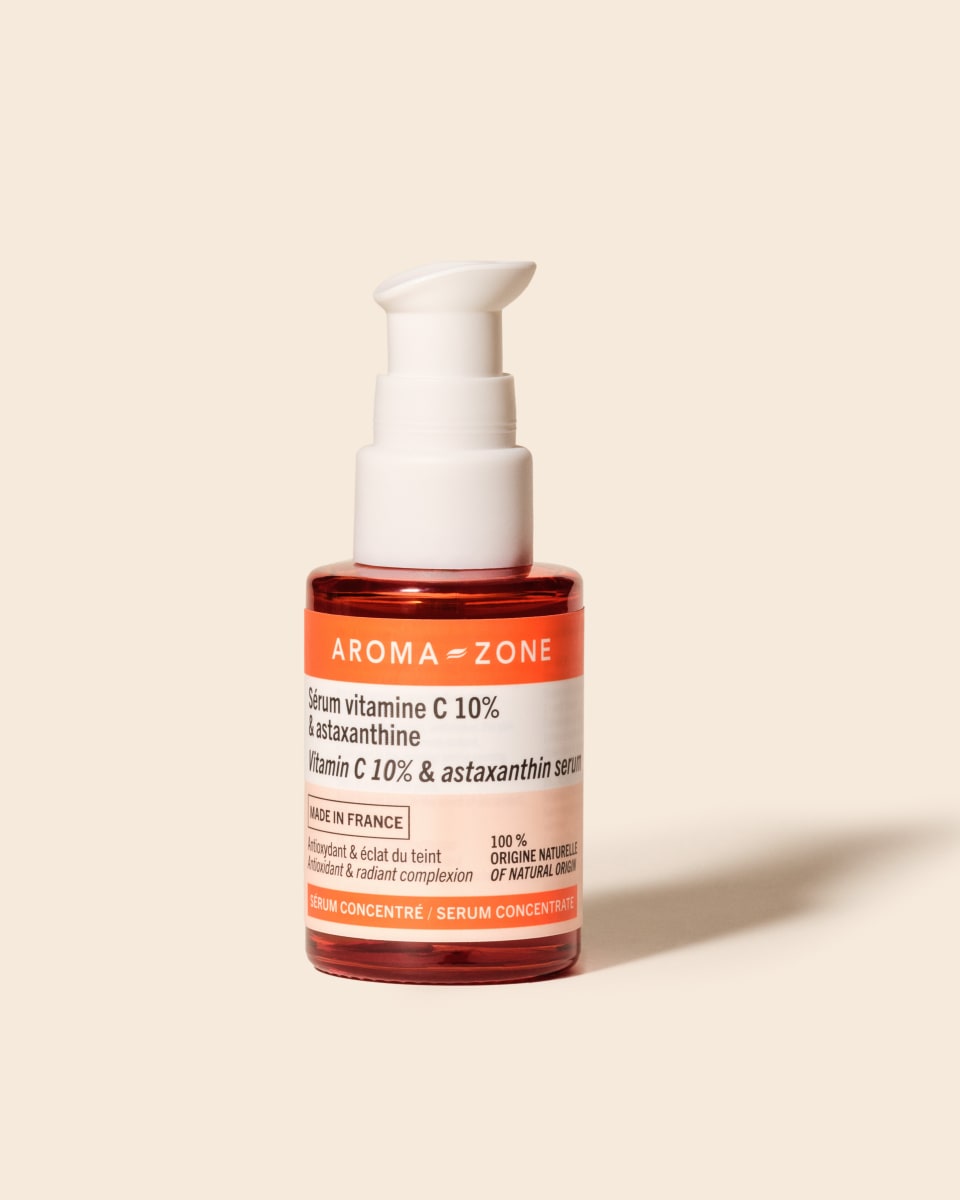
10% Vitamin C & Astaxanthin Concentrated Serum
This facial serum with 10% stabilised Vitamin C brightens the complexion, stimulates collagen synthesis, and reduces dark spots and signs of photoageing. It combines astaxanthin, a powerful antioxidant extracted from microalgae, with hyaluronic acid—known for its moisturising and anti-wrinkle properties—for smooth, firm, and radiant skin. Suitable for all skin types, fragrance-free and allergen-free.
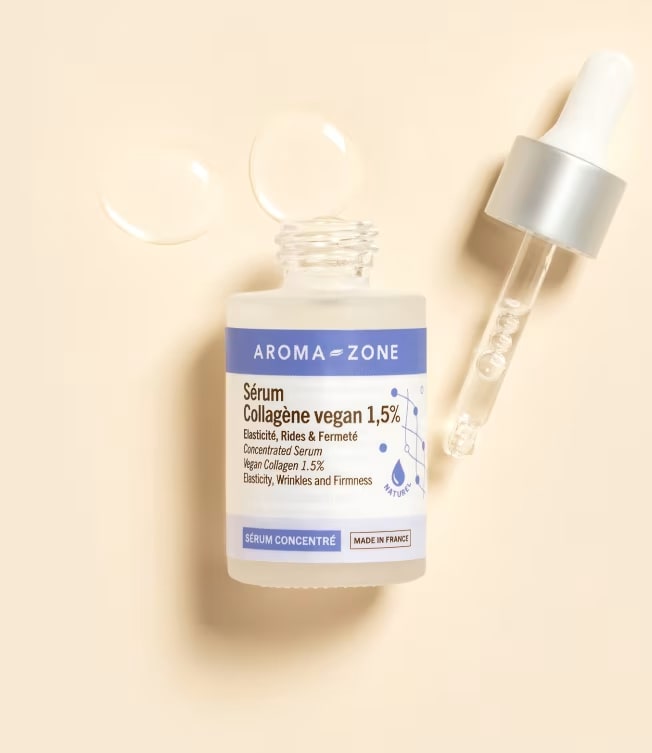
1.5% Vegan Collagen Concentrated Serum
Concentrated with 1.5% vegan collagen, this firming and anti-wrinkle serum is ideal for mature and sagging skin. Its biomimetic complex of peptides and amino acids works deep within the skin to promote regeneration, redensification, and repair. It reduces wrinkles and sagging, intensely hydrates thanks to hyaluronic acid, and leaves the skin visibly smoother, softer, and firmer.
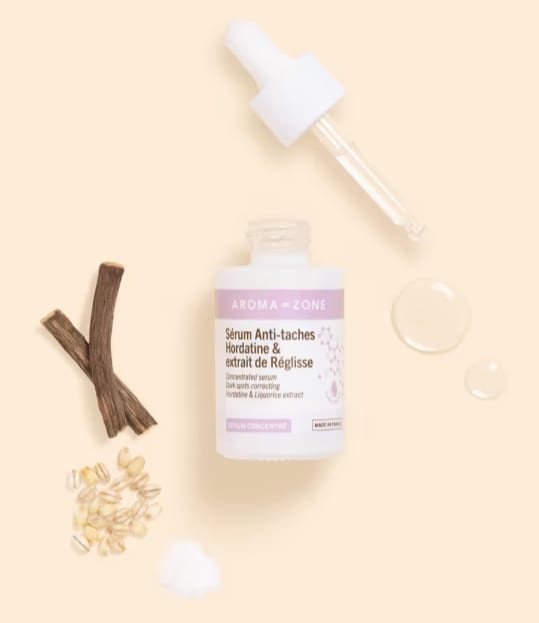
Hordatine & Licorice Extract Dark Spot Serum
With 90% of dark spots reduced and visibly lightened*: this clinically proven serum, specially formulated for all skin tones, offers a triple action against dark spots, ageing, and dullness. Its formula combines Hordatine, Niacinamide, and Licorice Extract to target dark spots on all skin types, for a luminous and even complexion.
Combinations & Compatibility
To enhance its brightening and antioxidant properties, kojic acid is often combined with active ingredients such as vitamin C, glycolic acid, or niacinamide.
Avoid: Concentrated AHAs/BHAs used in combination with kojic acid (increased risk of irritation).
Storage instructions
Store away from light and moisture.
Store at room temperature (< 25 °C) in an airtight container.
Homemade Recipes
Since we do not carry kojic acid as a pure ingredient in our catalog, we do not have any homemade recipes to offer you using it. However, to achieve the same benefits as kojic acid, you can make our recipes at home, such as:
Contraindications and precautions for use
Perform a skin patch test 48 hours before use.
Avoid sun exposure after application (photosensitisation). Use a product containing this active ingredient in the evening.
Pregnancy/breastfeeding: consult a healthcare professional.
Discontinue use if irritation or excessive redness occurs.
Spotlight on Our Specialist Writer: Delphine Duc

Delphine is a biological engineer specialising in cosmetology. Passionate about cosmetics for almost ten years, she began making her own skincare products with Aroma-Zone ingredients to address her skin concerns. She then trained as a cosmetologist before creating her own bespoke cosmetics brand to address each person’s individual skin concerns.
Bibliography
ABELMAN D. Your Guide to Using Kojic Acid Properly
For The Best Results. Allure. 2023.
Burnett CL et al., Final report of the safety assessment of kojic acid as used in cosmetics
Int J Toxicol. 2010;29(6 Suppl):S44–73.
Capp Zilles JC et al., Biological activities and safety data of kojic acid and its derivatives: A review
Exp Dermatol. 2022;31(10):1500–1521.
Phasha V et al., Review on the Use of Kojic Acid—A Skin-Lightening Ingredient
Cosmetics 2022;9(3):64.
Saeedi M et al., Kojic acid applications in cosmetic and pharmaceutical preparations
Biomed Pharmacother. 2019;110:582–593.




