
Inulin (Chicory Root): Benefits, Origins, Precautions and Tips

Inulin (Chicory Root): Benefits, Origins, Precautions and Tips


By Coralie Techer

Published on: Friday, November 10, 2023, Updated on: Wednesday, October 28, 2026

Inulin may seem technical at first, but it is simply a fibre with a number of potential health benefits. In this article, we take a closer look at its properties, its benefits for the body and, above all, how to include it sensibly in our diet to get the most from it.

Contents

Related products

Understanding Inulin: A Multifaceted Fibre

What Is Inulin?

Inulin is a soluble dietary fibre belonging to the fructan class. It is characterised by short chains of fructose molecules that act as prebiotics, nourishing the good bacteria in our digestive system. This fibre occurs naturally in various foods, and regular consumption can benefit health.

Natural Sources of Inulin

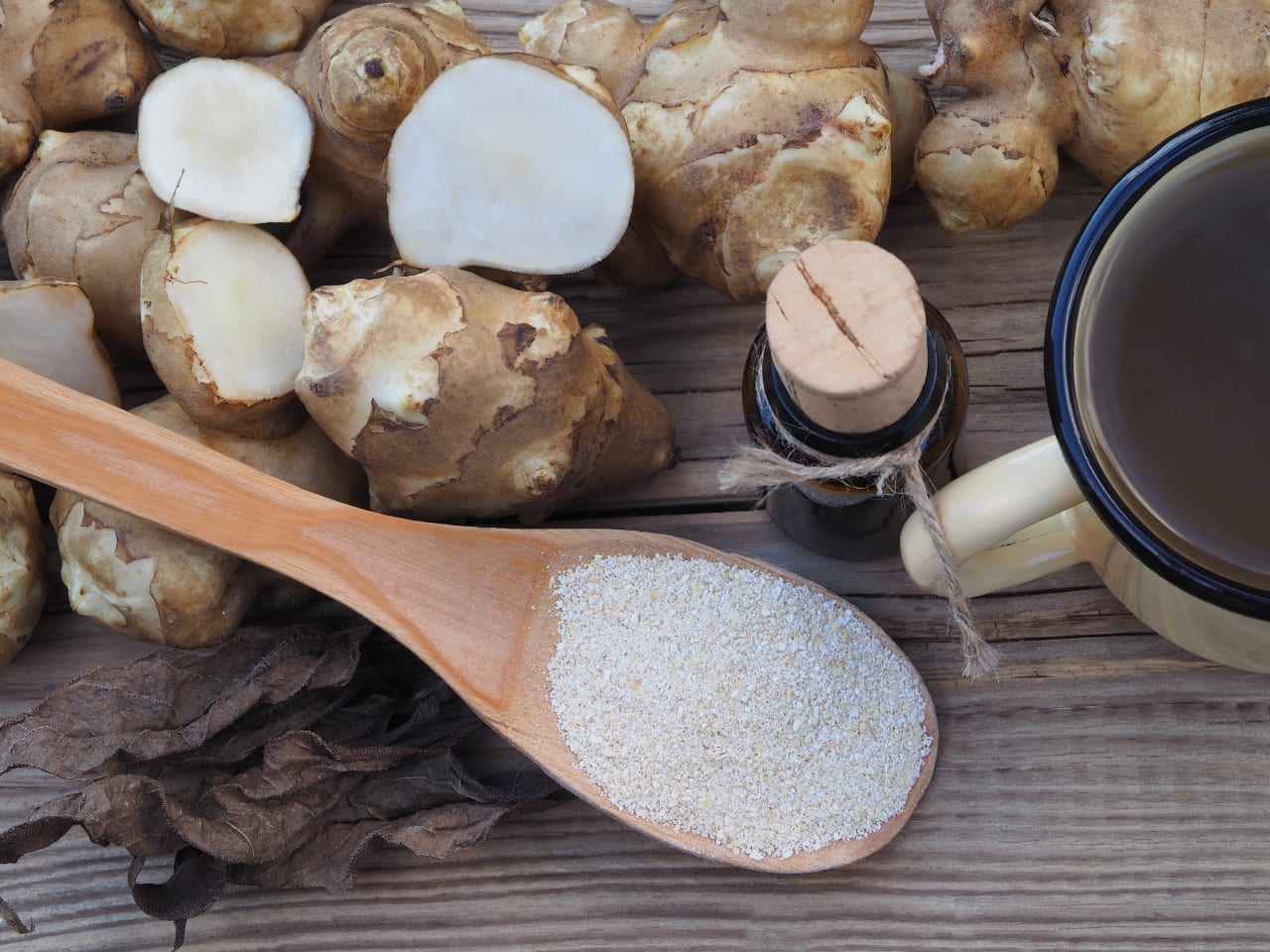
The good news is that many foods are rich in inulin. You find it especially in chicory root, a member of the Asteraceae family, as well as in other plants such as dandelion root, garlic, onions, leeks, and even agave. This variety makes it easy to incorporate this fibre into our daily diet.

The Well-Known Health Benefits of Inulin

  1. Weight management: Inulin can play a key role in weight loss. By promoting a feeling of fullness, it helps to reduce the total amount of food consumed. Furthermore, its prebiotic effect can positively influence the composition of the gut flora, which may, in the long term, support weight management.

  2. Support for the digestive system: Inulin is a prebiotic of choice, nourishing the good bacteria in our gut. These good bacteria produce SCFAs (short-chain fatty acids), which promote a balanced gut flora. As you are no doubt aware, a healthy gut flora is essential for an efficient digestive system and regular bowel movements.

  3. Blood sugar control: For those monitoring their blood sugar levels, inulin can be a valuable ally. Studies suggest inulin may help regulate blood sugar by slowing carbohydrate absorption in the small intestine. This property may be particularly beneficial for people with insulin sensitivity.

  4. Improved lipid profile: Research indicates that consuming inulin may have positive effects on cholesterol levels. It appears to reduce levels of triglycerides and ‘bad’ cholesterol (LDL), thereby helping to maintain a healthy lipid profile.

  5. Respiratory comfort: A powerful mucolytic and anti-catarrhal agent, Inula odorata essential oil is traditionally used to alleviate chronic bronchitis, nasopharyngitis and tonsillitis, spasmodic coughs, laryngitis, tracheitis and even secretory asthma. When blended into your oil-based preparation, apply the mixture topically by massaging or rubbing it into the chest and upper back.

Incorporating Inulin into Your Diet

  • Foods rich in inulin: To increase your inulin intake, include foods rich in this fibre in your diet. Choose vegetables such as garlic, onions, chicory, and leeks, and roots such as dandelion root. Cereal bars containing inulin can also be a handy healthy snack option.

  • Prepare an oil dressing: Agave inulin, extracted from the agave plant, can be incorporated into your diet in a tasty way. Make an oil dressing by mixing agave inulin with olive oil. Use this mixture as a salad dressing or as a marinade for meat before cooking.

  • Add it to drinks: Inulin can also be added to drinks. Mix a small amount of agave inulin into your morning smoothie for an extra dose of this beneficial fibre. Mix well to ensure it’s evenly distributed.

Incorporating Inulin into Your Beauty Routine

Inulin is increasingly used in the cosmetics industry for its benefits for the skin and hair. Its moisturising, soothing and softening properties make it a versatile ingredient for many personal care products. It is therefore a key active ingredient in day creams, aftershave gels, hair care products (shampoos, conditioners, masks, etc.), exfoliants and even suncare products, where it provides a soothing effect that helps minimise the impact of UV rays on the skin.

Precautions and conclusion

Although inulin offers numerous health benefits, each individual reacts differently to dietary fibre. Some people may experience bloating or more frequent bowel movements when they increase their inulin intake. Therefore, it is recommended that you introduce this fibre gradually to allow your digestive system to adapt.

In conclusion, inulin, with its prebiotic properties and numerous health benefits, deserves a prominent place in our daily diet. By making sensible dietary choices and incorporating natural sources of inulin, you can support your digestive system, promote weight loss and contribute to better overall health. However, as with any dietary supplement, consult a healthcare professional before making significant changes to your diet, especially if you have any pre-existing health conditions.

Spotlight on Our Writer: Coralie Técher

Coralie Técher

Coralie has been a journalist and editor specialising in women’s interests for seven years. With a particular interest in topics related to beauty and wellbeing, she is passionate about highlighting the solutions nature offers for self-care and is always keen to stay informed on the subject so she can share the very best insights. 

Bibliography

  1. Inulin dosage: a review by Pierre Delanaye, Marie Souvignet and Laurence Dubourg. 2011 • In Annales de Biologie Clinique, 69 (3), pp. 273–84

    Article: https://hdl.handle.net/2268/98421

  2. Inulin: Properties, health benefits and food applications by Muhammad Shoaib, Aamir Shehzad a, Mukama Omar, Allah Rakha, Husnain Raza, Hafiz Rizwan Sharif, Azam Shakeel, Anum Ansari, Sobia Niazi.

    Article: https://doi.org/10.1016/j.carbpol.2016.04.020

Associated tip