Which Natural Disinfectant Should You Use at Home?

Which Natural Disinfectant Should You Use at Home?


By Delphine Duc

Published on: Thursday, August 14, 2025, Updated on: Wednesday, October 28, 2026

Keeping a clean and healthy home doesn’t necessarily mean using harsh chemicals. Natural disinfectants offer an effective, economical and environmentally friendly alternative. From white vinegar to bicarbonate of soda to certain essential oils, these simple ingredients can sanitise every room in your home. Let’s take a look at the best natural disinfectants and how to use them in your daily life!

Contents

What Is a Natural Disinfectant?

A natural disinfectant is a substance of plant or mineral origin capable of significantly reducing the number of microorganisms present on surfaces, fabrics, or everyday objects.

Unlike so-called ‘chemical’ disinfectants, which are industrial products, natural disinfectants do not contain harsh synthetic compounds and are often biodegradable. However, the distinction between ‘chemical’ and ‘natural’ substances is not scientifically precise, as all substances are made up of chemical compounds.

The best-known examples include:

  • White Vinegar: Rich in acetic acid, it has proven antimicrobial properties against certain pathogenic foodborne bacteria, including Escherichia coli

  • Bicarbonate of Soda: A gentle abrasive, it helps to deodorise and sanitise surfaces

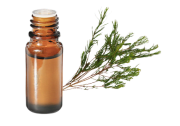
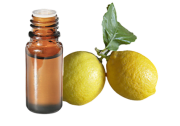
  • Essential Oils (tea tree, lemon, eucalyptus radiata): Some have antibacterial and antifungal properties. However, it is important to know how to use them correctly; for guidance, please refer to our guide to essential oils

  • Citric Acid: Naturally found in lemons, effective against limescale and certain bacteria
Why Use Them Around the House?

  • Health Benefits: Reduces exposure to volatile compounds that can irritate the respiratory tract. Ideal for households with children, pets, or people with sensitivities

  • Environmental Protection: As they are biodegradable, they break down quickly in the natural environment without leaving any harmful residues

  • Versatility: A single ingredient can clean several types of surface. For example, white vinegar can be used on windows, floors, toilets, and certain fabrics.

  • Cost-Effectiveness: These solutions are often much cheaper than specialised products available in shops

What Are Their Benefits?

Sanitising Surfaces

Natural disinfectants, such as white vinegar or tea tree essential oil, can significantly reduce the presence of microorganisms on frequently touched surfaces, such as worktops, tables, and door handles. Their effectiveness is well documented, particularly in reducing common bacteria found in the home. By incorporating them into your regular cleaning routine, you can help maintain a healthy home environment.

Removing Odours

Bicarbonate of soda is an essential ally for neutralising unpleasant odours, whether they come from the fridge, the bin, or even the carpets. Its chemical structure enables it to capture and neutralise odour-causing compounds, rather than simply masking them with a fragrance.

Preventing Microbial Growth

Certain essential oils, such as tea tree (Melaleuca alternifolia) or lemon, have proven antibacterial and antifungal properties. Using them, even in low concentrations, can help limit the growth of bacteria, yeast or mould in damp or poorly ventilated areas.

Gentle Cleaning

Natural agents such as bicarbonate of soda or citric acid clean effectively without damaging delicate materials. Unlike industrial abrasive products, they do not scratch delicate surfaces and preserve the appearance of materials such as stainless steel, varnished wood or certain natural stones.

Gentle on Fabrics

Some natural disinfectants can be used on textiles, such as laundry, carpets, or mattresses. White vinegar, when added to the wash cycle, helps to sanitise laundry and neutralise lingering odours, while bicarbonate, when sprinkled onto fabrics and vacuumed up once it has taken effect, refreshes and cleans without damage.

How Do You Make a Homemade Disinfectant?

There are several recipes for making your own disinfectant at home. Here’s a quick and easy recipe using our white vinegar.

Ingredients

Mixture

To make this recipe, start by heating the demineralised water in a bain-marie and dissolve the surfactant sodium coco-sulphate, stirring until the mixture is smooth. Then remove from the heat, add the vinegar (while the mixture is still cold, to avoid irritating acidic vapours) and finally the essential oil of your choice, mixing well. Transfer the mixture to a clean, dry spray bottle and shake vigorously before each use.

What Are the Best Ways to Clean Your Home Naturally?

We recommend several ingredients to include in your homemade recipes for natural home cleaning:

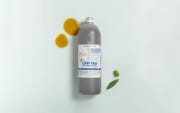
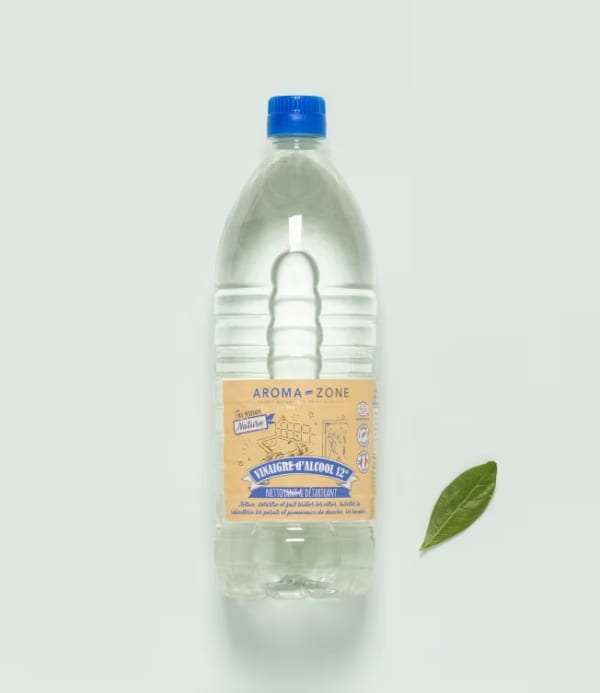
12° Alcoholic Vinegar Eco-detergent

White Vinegar: Highly concentrated, our natural white vinegar with 12% acidity is ideal for all household uses. It is very effective at cleaning, descaling, and making windows, taps, showers, sinks, washbasins, and toilet bowls shine.

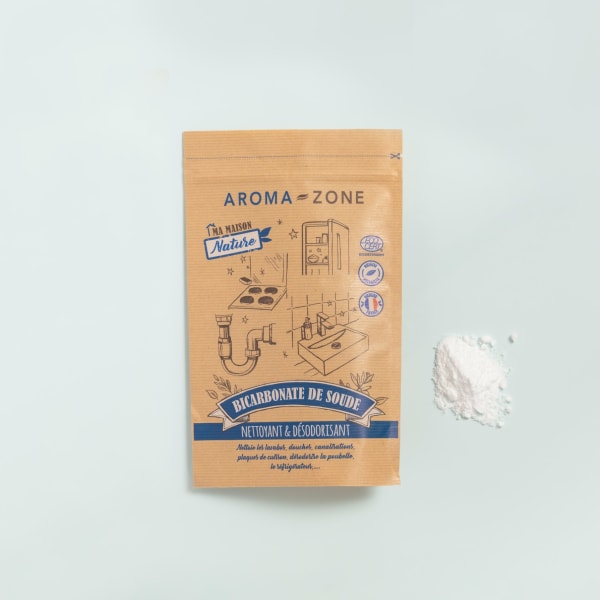
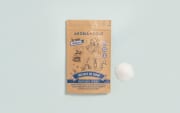
Bicarbonate of soda Ecodétergent 500g

Bicarbonate of Soda: An essential part of any budget-friendly household, bicarbonate of soda cleans, removes grease, and leaves all types of surfaces sparkling. As a deodoriser, bicarbonate of soda is also effective at neutralising unpleasant odours.

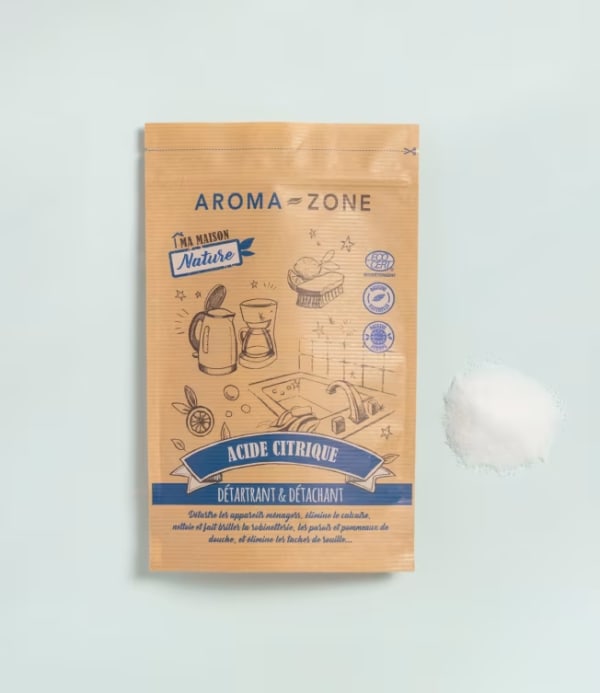
Citric Acid Eco-Detergent – 500 g

Citric Acid: Naturally found in lemons, it’s very useful at home as a versatile and economical descaling agent. It is effective against limescale and certain bacteria.

What Natural Cleaning Routine Should You Adopt?

Here’s an example of a routine you can follow to clean your home using natural products:

2 to 3 Times a Week: Descale and Clean the Bathroom

  • Product Used: Limescale remover spray (12° vinegar, demineralised water, sodium coco-sulphate, essential oil). You can find the recipe in the section ‘How to Make a Homemade Disinfectant’

  • Directions for Use: Spray onto taps, shower walls, washbasin, and the seals. Leave for a few minutes, then rinse

Every Week: Purify and Deodorise Fabrics

  • Product Used: Bicarbonate of soda, either on its own or mixed with a few drops of essential oil

  • How to Use: Sprinkle onto carpets, mattresses, or cushions. Leave for 30 minutes, then vacuum

Once a Month: Descale Household Appliances

  • Product used: Citric acid

  • How to Use: Dissolve in hot water to descale your kettle, washing machine, or coffee maker

Other Homemade Recipes

In this article, you’ve seen how to make your own natural disinfectant quickly and easily. There are plenty of other recipes for making your own household cleaning products using natural ingredients, including:

Contraindications & Precautions for Use

Even though they are natural and homemade, household products must be handled with care and common sense.

  • Keep Out of Reach of Children: Preferably use bottles with child-resistant caps and avoid spray bottles within their reach, as there is a significant risk of the liquid splashing into their eyes

  • Never Mix Natural Products With Chemicals: In particular, never combine vinegar or citric acid with bleach. This reaction releases an irritant gas that is dangerous to the respiratory tract

  • Read the Labels and technical data sheets for each ingredient carefully, even if they are of natural origin, to fully understand their uses and limitations

  • Handle Essential Oils With Care: These are powerful active ingredients and should be avoided by children under 3 years of age, and by pregnant or breastfeeding women, unless advised by a professional. Do not use excessive amounts in homemade recipes. If using them, please refer to our Guide to Essential Oils

  • Wear Gloves When Using These Products: Certain ingredients, such as vinegar or acids, may irritate the skin if in prolonged contact

  • Always Label Homemade Household Products: This prevents any confusion with cosmetic or food products, especially where children are present

  • Test on a Small Area Before Using More Widely: Particularly on fabrics or delicate surfaces, to ensure that the product does not cause discolouration or damage

Expert Tip

To maximise the effectiveness of natural disinfectants, always use hot water when preparing and cleaning as tt boosts their cleaning power.

Spotlight on Our Specialist Writer: Delphine Duc

Delphine Duc 02.jpg

Delphine is a biological engineer specialising in cosmetology. Passionate about cosmetics for almost ten years, she began making her own skincare products with Aroma-Zone ingredients to address her skin concerns. She then trained as a cosmetologist before creating her own bespoke cosmetics brand to address each person’s individual skin concerns.

Bibliography

  1. Aroma-Zone. (2025). The best recipes for making your own household cleaning products at home. https://www.aroma-zone.com/page/produits-menagers-maison

  2. Carson, C. F., Hammer, K. A., & Riley, T. V. (2006). Melaleuca alternifolia (Tea Tree) Oil: a Review of Antimicrobial and Other Medicinal Properties. Clinical Microbiology Reviews, 19(1), 50–62.

  3. Entani, E., Asai, M., Tsujihata, S., Tsukamoto, Y., & Ohta, M. (1998). Antibacterial action of vinegar against food-borne pathogenic bacteria including Escherichia coli O157:H7. Journal of Food Protection, 61(8), 953–959.

  4. Møretrø, T., & Langsrud, S. (2017). Residential Bacteria on Surfaces in the Food Industry and Their Implications for Food Safety and Quality. Comprehensive Reviews in Food Science and Food Safety, 16(5), 1022–1041.

Frequently Asked Questions

Frequently Asked Questions