
White vinegar, also known as spirit vinegar or distilled vinegar, is an acidic liquid produced through the acetic fermentation of ethyl alcohol. It's made mainly of water and acetic acid. Unlike other types of vinegar, such as wine vinegar or cider vinegar, white vinegar is produced from purified alcohol, usually derived from grains or sugar beet. It's valued in cooking as a seasoning and preservative, but also as a cleaning agent and disinfectant around the home, thanks to its acidic and antibacterial properties.
Cleaning Floors with White Vinegar: What Are the Benefits?
Published on: Monday, May 06, 2024, Updated on: Friday, October 30, 2026
White vinegar is an ingredient we love using to clean our homes. And with good reason – it’s particularly effective at cleaning surfaces as well as floors. Known for its disinfectant, degreasing, and descaling properties, white vinegar offers an eco-friendly, cost-effective alternative to commercial cleaning products packed with harsh chemicals. Here’s how to get the most out of it.
Contents
What is white vinegar?
Why clean floors with white vinegar?
Cleaning floors with white vinegar offers several significant benefits for cleanliness and your home's health. Firstly, white vinegar is a powerful natural disinfectant. Thanks to its acidic pH, it creates a hostile environment for many microorganisms, making it an effective way to sanitise floors and reduce the risk of contamination from bacteria, viruses and mould. What’s more, white vinegar is also an excellent degreaser. It can effectively dissolve grease, soap scum and other dirt, leaving your floors clean and sparkling. Furthermore, white vinegar acts as a natural descaler, helping to remove mineral deposits and hard water stains, which helps keep floor surfaces smooth and stain-free. By choosing white vinegar as a cleaning solution for your floors, you are opting for an eco-friendly and cost-effective option, thereby avoiding the harsh chemicals often found in commercial cleaning products. In short, cleaning your floors with white vinegar offers a natural, effective, and environmentally friendly way to maintain a clean, healthy environment in your home.
The benefits of white vinegar for cleaning floors
Disinfecting: Thanks to its acidic pH, white vinegar acts as a natural disinfectant, effectively eliminating bacteria, viruses and mould from surfaces.
Degreasing: White vinegar is an excellent degreaser, capable of dissolving grease, soap scum and other dirt, leaving floors clean and sparkling.
Descaling: White vinegar acts as a natural descaler, helping to remove mineral deposits and hard water stains, which helps to keep floor surfaces smooth and stain-free.
Eco-friendly: By using white vinegar to clean your floors, you’re choosing an environmentally friendly option, thereby avoiding the harsh chemicals often found in commercial cleaning products.
Cost-effective: White vinegar is a cost-effective solution for cleaning floors, as it is widely available and inexpensive compared to many commercial cleaners.
A closer look at our white spirit vinegar
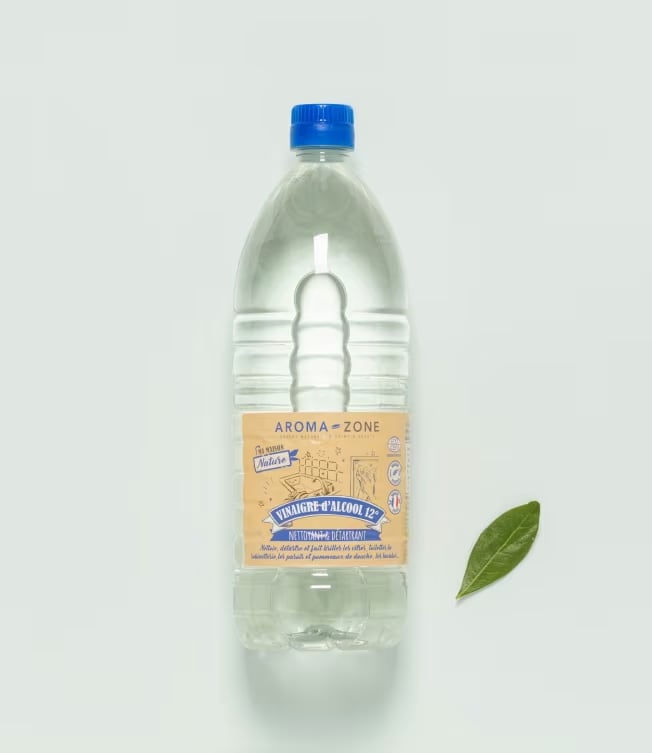
Highly concentrated, this natural white vinegar with 12% acidity is ideal for all household uses. It’s highly effective for cleaning, descaling, and making windows, taps, showers, sinks, washbasins, and toilet bowls shine, as well as degreasing and descaling household appliances (coffee machines, washing machines, etc.). 100% plant-based, it’s an essential for natural household cleaning!
Which white vinegar should you use for cleaning?
For cleaning, use plain white vinegar, also known as spirit vinegar or distilled vinegar. This type of vinegar is widely available in supermarkets and grocery shops, and it's often sold at an affordable price. Choose a white vinegar with a typical acetic acid concentration of around 5%, the most common and effective strength for cleaning. Avoid flavoured or coloured vinegars, as they may contain additives that aren't suitable for cleaning floors. In short, opt for plain white vinegar at 5% acetic acid for the best results when cleaning your floors.
The right routine for cleaning your floors with white vinegar
Cleaning your floors with white vinegar isn’t complicated at all, but to make sure you do it properly, here’s a simple routine you can try:
Preparing the solution: Before you start cleaning, make sure your bucket or spray bottle is clean. Then mix one part white vinegar with one part lukewarm water. You can also add a few drops of essential oils such as lemon, lavender or tea tree oil to give it a pleasant scent and boost the solution’s disinfectant properties.
Preparing the surface: Before applying the solution, make sure to remove any obstacles from the area to be cleaned. Sweep or vacuum the floors to remove debris and dust, paying particular attention to corners and areas under furniture.
Applying the solution: Dip your mop or cloth into the solution of white vinegar and water, making sure to wring it out thoroughly to avoid saturating the floors. You can also use a spray bottle to spray the solution directly onto the floors before cleaning them.
Cleaning: Start cleaning the floors, using a steady back-and-forth motion or circular movements to cover the entire surface. Focus on the dirtiest areas and stubborn stains, applying a little more pressure if necessary. Also clean under furniture and along the skirting boards for a thorough clean.
Rinsing: Once you have finished cleaning, rinse your mop or cloth with clean water to remove any vinegar residue. You can also rinse the floors with clean water using a new mop or a clean cloth, especially if you used a more concentrated solution.
Drying: Leave the floors to air dry or use a clean towel to remove any excess moisture. Do not walk on the floors until they are completely dry to avoid leaving marks.
Check out our article: Bicarbonate of Soda: Discover all the Tips
Other natural solutions for cleaning floors
If you’re not a big fan of white vinegar, or if you simply fancy a change, other equally effective solutions can clean your floors naturally.
Bicarbonate of soda: A gentle cleaning agent that can help remove odours and stubborn stains. Sprinkle bicarbonate of soda on the floor before cleaning with water and white vinegar for an extra-effective clean.
Lemon juice: A natural disinfectant and degreaser that helps remove stains and leaves a fresh scent on floors. Mix lemon juice with lukewarm water to clean floors, or use lemon peel in a white vinegar solution for extra deodorising.
Essential oils: Essential oils such as lemon, lavender or tea tree oil have antibacterial and deodorising properties. Add a few drops of essential oils to your cleaning solution for a fresh scent and enhanced antibacterial action.
Our selection of cleaning products
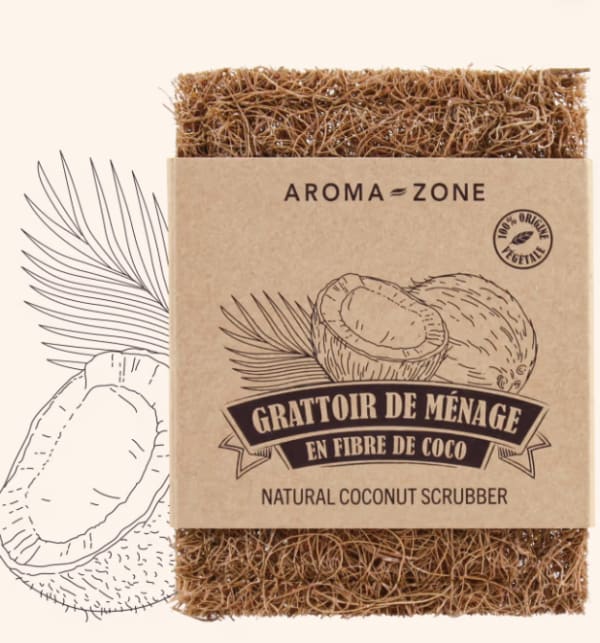
Coconut-Fibre Cleaning Scraper
This household scraper is made from coconut fibres mixed with natural latex. It is chemical-free. It's perfect for deep cleaning without scratching, even on delicate surfaces like induction hobs, frying pans, and sensitive worktops. The scraper is also ideal for the bathroom, for scrubbing showers, baths, and washbasins. This 100% natural alternative is just as effective as conventional scrapers!
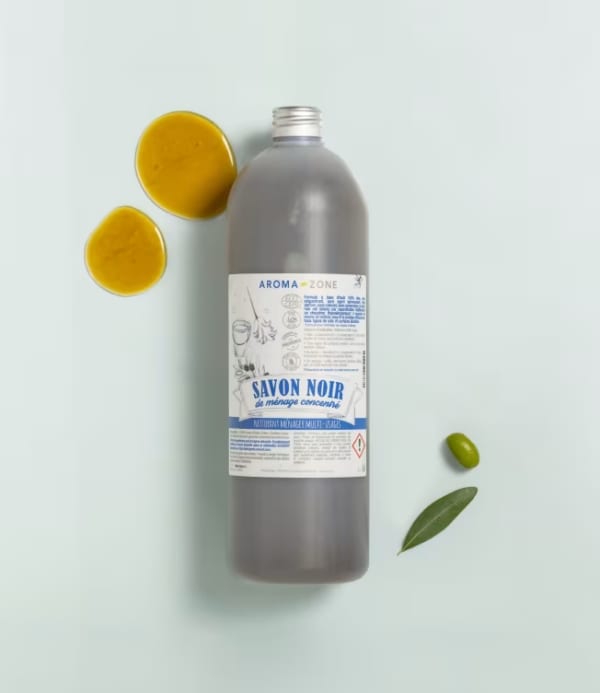
Concentrated Black Household Soap
Made from 100% olive oil, free from sequestrants, foaming agents, fragrance, colourings and preservatives, this black household soap is produced in Provence using traditional cauldron saponification. An essential for traditional housekeeping, this soap can clean floors and surfaces and help you make your own cost-effective homemade cleaning products. Hypoallergenic, it is gentle on the hands and effectively cleans, nourishes and protects all types of washable floors and surfaces.
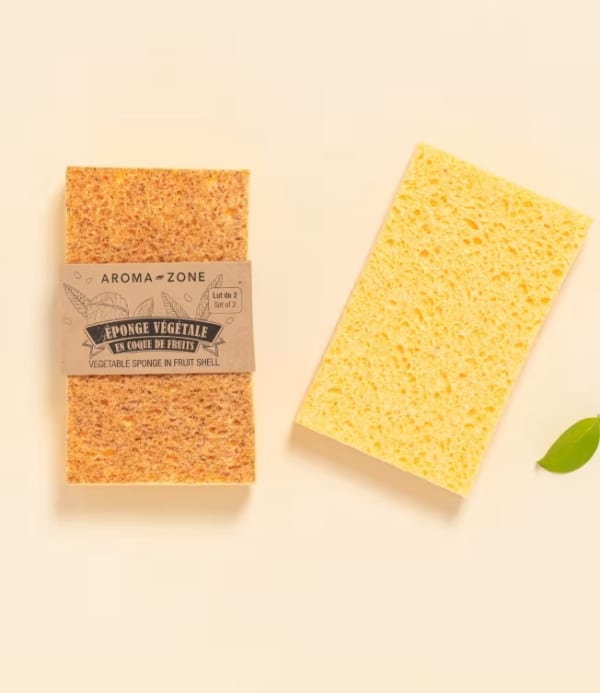
Natural Plant-Based Cleaning Sponge – Pack of 2
Made from fruit shells and plant-based cellulose, this sponge is perfect for washing up or light household cleaning. 100% natural, it works like a standard sponge and is just as effective. The scouring side is made from finely ground walnut, almond and pine nut shells, ensuring excellent cleaning of all surfaces without scratching! It’s also hard-wearing and durable: no more sponges where the abrasive part comes away.
Discover the Natural Plant-Based Cleaning Sponge – Pack of 2
Aroma Zone’s cleaning recipes
Precautions
If you have sensitive skin or cuts on your hands, it’s advisable to wear cleaning gloves to avoid direct contact with the vinegar, as it can irritate the skin.
Expert tip
We recommend that you always dilute the vinegar thoroughly with water in the recommended proportions (50/50) to avoid any harsh reactions with surfaces or your skin.
Spotlight on Our Writer: Coralie Técher

Coralie has been a journalist and editor specialising in women’s interests for seven years. With a particular interest in topics related to beauty and wellbeing, she is passionate about highlighting the solutions nature offers for self-care and is always keen to stay informed on the subject so she can share the very best insights.
Bibliography
White vinegar or household vinegar: what’s the difference?
https://www.marmiton.org/focus-ingredient/vinaigre-blanc-ou-menager-quelle-difference-s4074314.html
Everything you can clean with vinegar at home
https://www.ecoconso.be/fr/content/tout-ce-quon-peut-nettoyer-avec-du-vinaigre-la-maison
How to use white vinegar for cleaning
https://www.labelleadresse.com/conseils-astuces/maison/nettoyage-et-grand-menage/utiliser-le-vinaigre-blanc-pour-faire-le-menage




