Bicarbonate of Soda and White Vinegar: What's the Connection?

Bicarbonate of Soda and White Vinegar: What's the Connection?


By Laura Almeras

Published on: Tuesday, April 30, 2024, Updated on: Wednesday, October 28, 2026

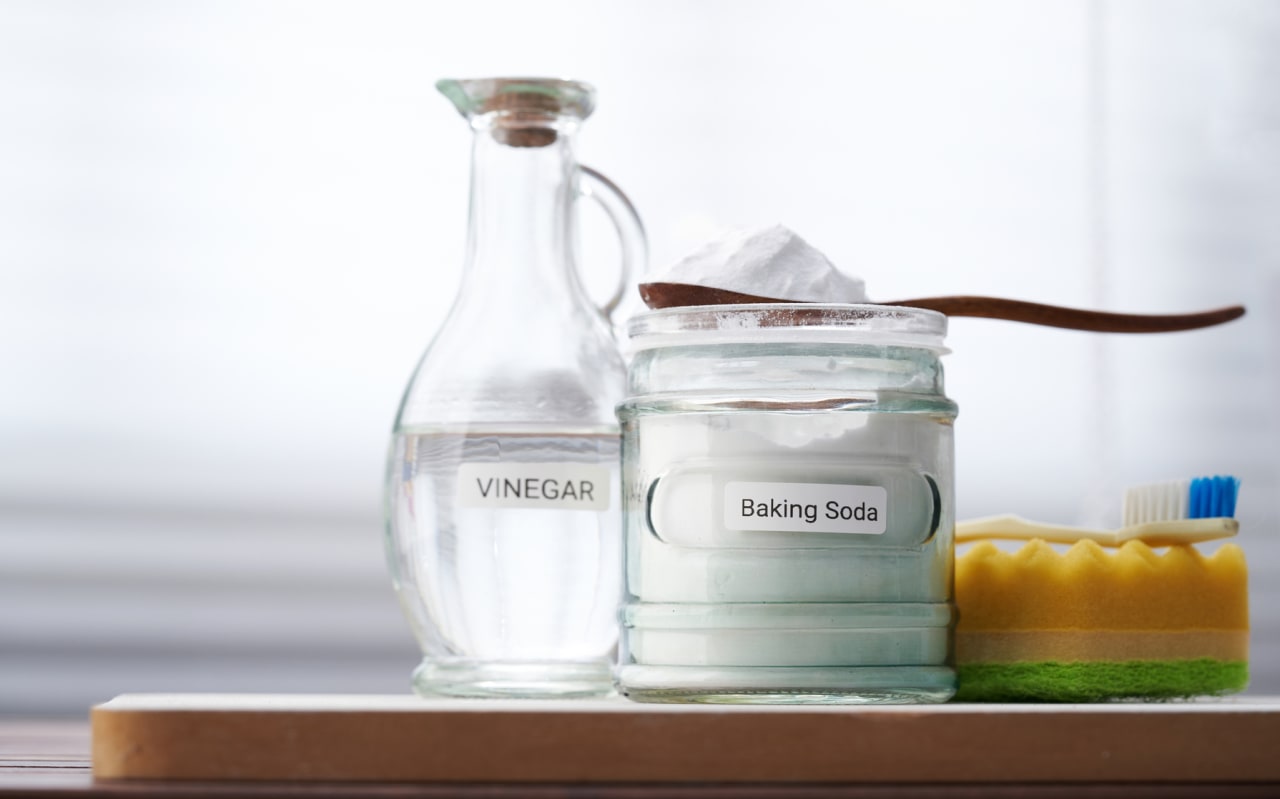
Among affordable, natural, and budget-friendly cleaning solutions, the combination of white vinegar and bicarbonate of soda really stands out. How do you use this pairing, and in what situations? We explain everything you need to know about this chemical reaction, as effective as it is surprising. Say goodbye to black soap and clay stone, this combination is about to transform your cleaning routine!

Contents

What is baking soda?

Baking soda, also known as sodium bicarbonate, is a chemical compound found naturally in many minerals. It comes in the form of a white powder and is widely used in various fields, including cooking, medicine, and cleaning. It is particularly valued for its alkaline and abrasive properties.

Its effectiveness: Removing stains, deodorising surfaces, degreasing kitchen utensils, and descaling household appliances. Its gentle action makes it particularly suitable for delicate cleaning tasks, where it can replace harsh chemicals while delivering excellent results. Discover Aroma-Zone Baking Soda.

What is white vinegar?

White vinegar, on the other hand, is an aqueous solution of acetic acid, obtained by fermenting sugar-rich products such as wine, fruit, or grains. It is distinguished by its clear colour and characteristic odour. It is commonly used as a seasoning in cooking, but also as a household cleaning agent due to its acidic nature.

Its versatility, ease of use, and affordability make white vinegar an essential item for both cooking and cleaning. Its ability to act as a natural disinfectant makes it an excellent alternative to conventional chemical products. Discover Aroma-Zone White Vinegar.

Can you mix white vinegar and baking soda?

What happens when you mix the two?

The chemical reaction that occurs when you mix baking soda with white vinegar is an acid-base reaction. More specifically, baking soda reacts with the acetic acid in white vinegar to form carbon dioxide, water, and salt. This reaction produces bubbles and effervescence, which can be helpful in the cleaning process. The bubbles will sort of "scrub" the surfaces, loosening dirt from them and unclogging blockages and other buildup in a completely natural way.

Why use both together? What are their properties?

There are several reasons to use white vinegar and baking soda together when cleaning:

  • Environmental and economic benefits: These two ingredients are eco-friendly alternatives to conventional chemical cleaning products. They’re also generally inexpensive and readily available, making them attractive choices from an economic standpoint.

  • Effectiveness for various cleaning tasks: By combining their properties, baking soda and white vinegar become effective at removing stains, deodorising, degreasing, and descaling various surfaces and objects around the house. White vinegar acts as an acid, while baking soda acts as a base, allowing them to target different types of dirt and grime.

What are the proportions for a mixture of baking soda and white vinegar?

It is recommended to mix one part baking soda with two parts white vinegar to achieve an effective reaction. However, the proportions may vary depending on the specific cleaning task. To be on the safe side, we recommend starting with smaller amounts and adding more as needed to adjust the mixture.

Why use baking soda and white vinegar for cleaning?

The combination of baking soda and vinegar is extremely effective on stubborn stains, limescale, and grease. Whether you have clogged pipes or simply want to sanitise, this mixture is for you. Here’s how it works: 

Descaler and anti-limescale: Baking soda and white vinegar are powerful allies against limescale and mineral deposits. Baking soda, with its gentle abrasive action, helps loosen stubborn residue, while white vinegar, thanks to its acidity, effectively dissolves mineral deposits. Together, they can descale and clean sinks, faucets, showerheads, the bottoms of pots, and other surfaces affected by limescale, leaving them sparkling clean.

Unclogging toilets and drains: When faced with clogged toilets or drains, baking soda and white vinegar offer a natural, non-toxic solution. When combined, these two ingredients trigger a chemical reaction that releases carbon dioxide, creating a fizzing action that dissolves clogs. This method is effective at removing organic debris and other residues that block pipes, allowing water to flow freely.

Sanitising and deodorising: When baking soda and white vinegar are combined, they form a powerful solution that combines the absorbent properties of baking soda with the deodorising and antimicrobial properties of white vinegar. This combination works deep down to eliminate bad odours at their source, leaving behind a fresh and clean environment. To use this sanitising and deodorising mixture, simply sprinkle baking soda on the surfaces to be treated, then spray diluted white vinegar, along with a little Aroma-Zone Sanitizing Spray. Scrub, then rinse and let sit if necessary.

Remove stains before putting clothes in the washing machine: Before putting a stained garment in the washing machine, baking soda and white vinegar can help pre-treat stubborn stains. Baking soda acts as a gentle cleaning agent, while white vinegar acts as an effective stain remover. By applying a paste of baking soda to the stain, then rinsing with white vinegar, you can more easily remove the stain during the machine wash. This method is particularly useful for grease, grass, wine, or coffee stains.

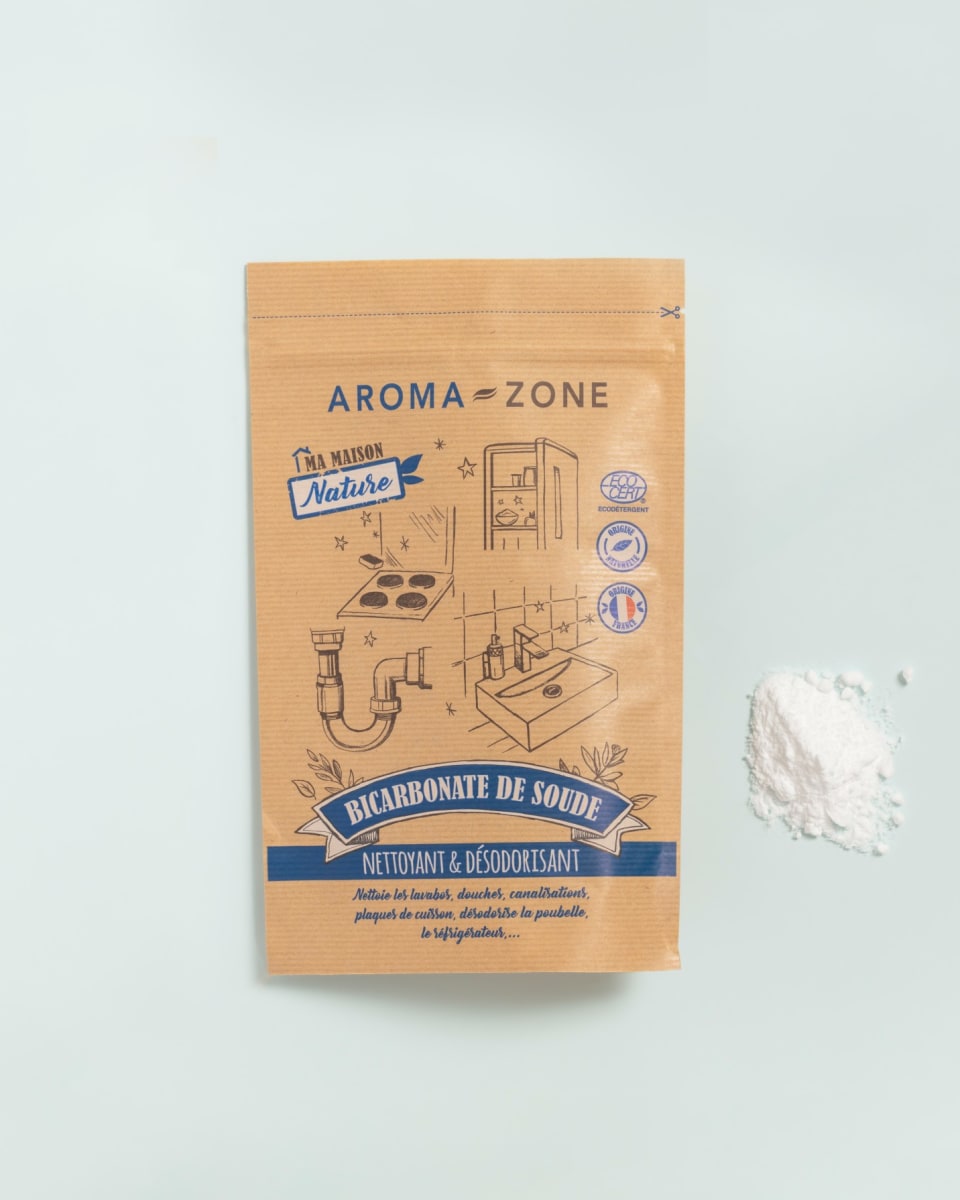
Bicarbonate of soda Ecodétergent 500g

Spotlight on Ecodétergent Baking Soda 500g

An essential for budget-friendly cleaning, baking soda cleans, degreases, and makes all types of surfaces shine. It can be used as a scouring powder to clean sinks, showers, stovetops, and tiled surfaces... As a deodorizer, baking soda is also effective at neutralizing unpleasant odors in the trash can, refrigerator, shoes, or closets. This versatile product can also be added to laundry detergent to boost the effectiveness of natural detergents, or used as a pre-treatment to remove stains.

Discover Ecodétergent Baking Soda 500g

How to clean with baking soda and white vinegar? Our practical tips

Here are some practical tips for properly using and preparing your white vinegar and baking soda mixture.

How do you descale surfaces or objects?

  1. To descale a surface, sprinkle baking soda on the area to be treated, then spray white vinegar.

  2. Let it sit for a few minutes, scrub if necessary with a brush or sponge, then rinse with clean, warm water. If you need to remove excess limescale, you can wipe it down again with a damp cloth after rinsing.

How do you degrease with a mixture of baking soda and vinegar?

  1. To degrease surfaces, prepare a paste by mixing baking soda with a little water to form a thick paste. Apply this paste to greasy areas, such as range hoods, stovetops, or utensils, focusing on the dirtiest spots. Add a few drops of white vinegar on top to create a reaction.

  2. Let it sit for a few minutes, then scrub with a sponge or brush to remove grease residue before rinsing with clean water.

How to unclog drains?

  1. To unclog drains, pour half a cup of baking soda down the drain, followed by half a cup of white vinegar. You’ll see a chemical reaction occur, creating foam and fizzing.

  2. Let it sit for about 30 minutes to an hour to allow the mixture to dissolve whatever is blocking the drain. Then, rinse thoroughly with hot water to remove debris and restore normal water flow.

See also our tips for using baking soda

Our baking soda-based recipes for your home

What are the potential dangers and safety precautions you should be aware of?

Although vinegar and baking soda are natural products, you should still take a few precautions before using them, whether together or separately.

  • Risk of irritation: Baking soda and white vinegar can both cause skin and eye irritation if they come into contact with the skin or eyes. It is recommended to wear protective gloves and safety goggles when handling them to avoid direct contact. Also avoid inhaling the mixture.

  • Corrosion risks: White vinegar, due to its acidity, can damage certain sensitive surfaces such as marble, granite, or aluminum. It is recommended to test these products on a small, inconspicuous area before using them on the entire surface.

  • Be careful when using this mixture and store the ingredients out of sight and out of reach of children to avoid any risk.

Warning

Never mix white vinegar with bleach, ammonia, or other chemicals, as this can release toxic gases and become harmful, even dangerous to your health. If the mixture is ingested, seek medical attention immediately or call a poison control center.

Expert Tip

When you choose baking soda and white vinegar for cleaning, keep in mind not only their effectiveness but also their limitations. Be sure not to use them on delicate surfaces like marble, and avoid mixing them with other chemicals. By using them with care, you can enjoy their benefits without damaging your surfaces.

Spotlight on Our Writer, Laura Almeras

The_Luuxx_Photographer_-_Pro_Shoot_Laura-15.jpg

Laura is a health, beauty and lifestyle writer. Passionate about travel and gastronomy, she shares all her nutritional advice on how to combine pleasure with well-being. Through her articles, she is committed to providing you with meaningful information and practical advice to nourish your body and mind.

Bibliography

  1. https://mieux-consommer.ilek.fr/ecogestes/bicarbonate-de-soude-vinaigre/

  2. https://interservices.fr/blog/menage/vinaigre-blanc-et-bicarbonate-de-soude-produits-miracles

  3. https://trucmania.ouest-france.fr/facons-melanger-vinaigre-blanc-bicarbonate-soude/