
Eco-Detergent Soda Crystals
free delivery up to £25 in United Kingdom
100% secure payment CB, Visa, Mastercard, Paypal, Apple Pay, Google Pay
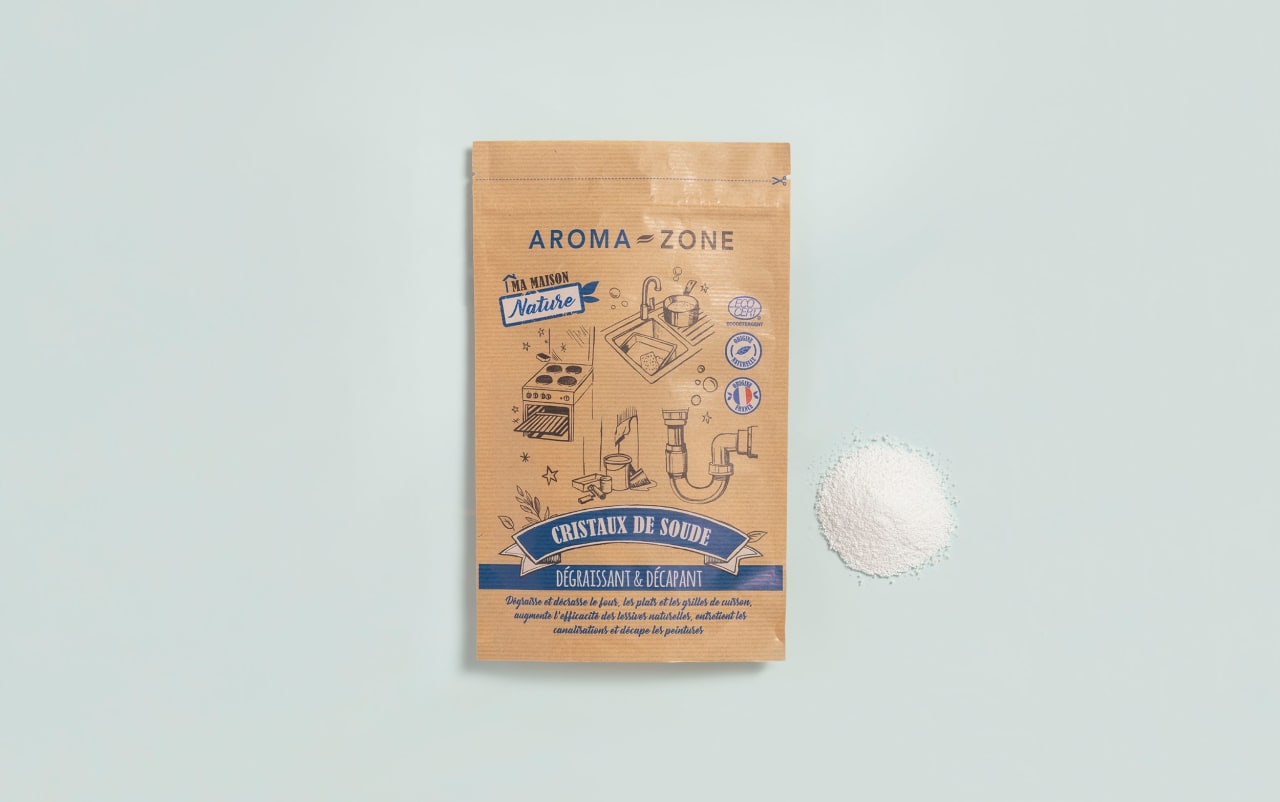
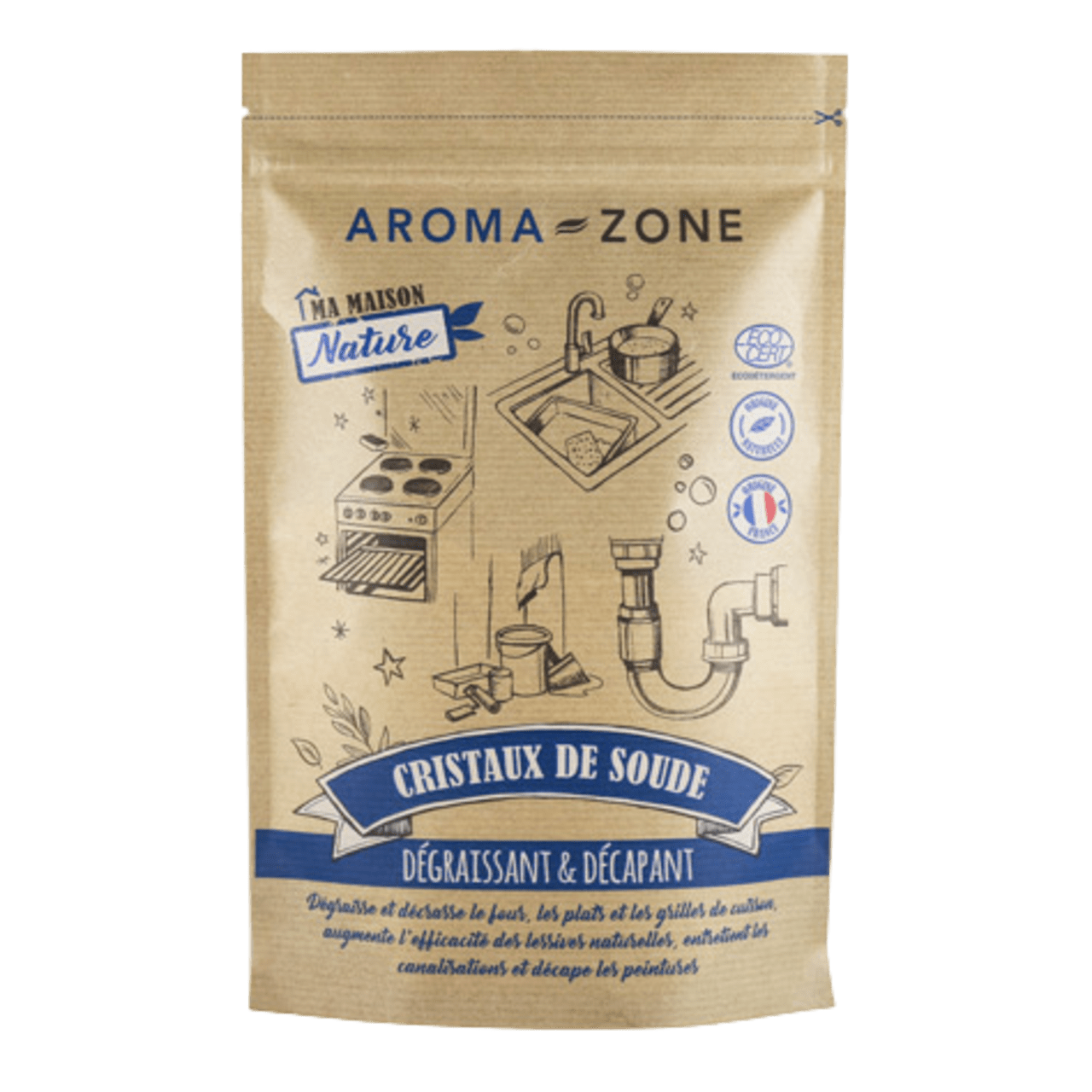

100% natural origin

Ecocert Ecodetergent

From France
Powerful degreaser
Multi-purpose cleaner
Stain remover and whitening agent
Unclogs and maintains drains
Purifying
Water softener
Increases the effectiveness of detergents thanks to its alkaline pH and water-softening action
Essential for economical household cleaning
Ideal for making homemade laundry detergents
Pure on a sponge for cleaning surfaces
Diluted in water for cleaning surfaces, dishes, and objects
Directly in the washing machine drum to boost the effectiveness of your laundry detergent
To make your own homemade household products (multi-purpose cleaners, dishwashing products, etc.)
To make your own powder or liquid laundry detergent
Kitchen
To scrub burnt dishes and pans and the bottoms of pots: sprinkle two tablespoons of soda crystals on the surface and add a little boiling water. Leave overnight, then clean as normal and rinse.
For very greasy surfaces (cooktops, oven doors, range hoods, etc.): dissolve one to two tablespoons of soda crystals in 1 litre of hot water (optional: add one to two tablespoons of black household soap). Scrub with a sponge or microfiber cloth soaked in the mixture, then rinse and dry with a cloth.
For very dirty oven or barbecue racks: apply a paste of soda crystals and hot water, especially on charred residues and grease marks. Scrub with a brush and leave overnight, then clean with a wet sponge. Alternatively, soak the grates in a basin of hot water with ½ cup of soda crystals, then scrub with a brush or scouring pad.
To remove stains (especially tea and coffee stains) and restore shine and luster to dishes (glasses, cups, carafes, teapots, etc.): soak for a few hours in hot water with two tablespoons of soda crystals. Scrub and then rinse.
For everyday dishwashing: dilute 15 g of soda crystals in one litre of water. Use this mixture to wash dishes.
To boost the effectiveness of your dishwasher tablets or powder and prevent limescale build-up: add one tablespoon of soda crystals to the detergent compartment.
To clean the sink and stove tops: sprinkle soda crystals on a damp sponge. Scrub the surfaces and then rinse.
Laundry detergent
To increase the effectiveness of Marseille soap or soap nuts and prevent limescale build-up: Add one to two tablespoons (for coluorfast laundry) to ½ cup (for white laundry) of soda crystals to the detergent compartment or directly into the drum.
To remove stains from heavily soiled laundry: Before washing, soak the laundry in a basin of warm to hot water (depending on the sensitivity of the fabric) with one to two tablespoons of soda crystals added. Leave to soak for 30 minutes.
Garage
To remove an oil stain from concrete or asphalt: lightly wet the stain, sprinkle with soda crystals, and scrub with a stiff brush. Leave overnight, scrub again, then rinse.
To clean greasy tools (except aluminium): scrub with a solution of soda crystals (one to two tablespoons per litre of hot water). Rinse and dry with a cloth.
Bathroom
To clean toilets: dissolve two to three tablespoons of soda crystals in 1 litre of boiling water. Pour into the bowl. After 15 minutes, scrub and flush.
To clean sinks, showers, bathtubs, and tiles: Sprinkle soda crystals on a damp sponge. Scrub the surfaces and then rinse.
For maintaining and unclogging pipes (minor blockages): Pour two to three tablespoons of soda crystals into the pipe opening. Leave to work for a few minutes, then pour in one litre of boiling water. Leave to stand for an hour before running hot water.
For unblocking pipes (more serious blockages): Pour 2-3 tablespoons of soda crystals into the pipe opening. Leave to work for a few minutes, then pour in one glass of white vinegar and one litre of boiling water, then use a plunger.
Heavy-duty cleaning
To remove wallpaper: dissolve two to three tablespoons of soda crystals in a bucket of hot water. Apply with a sponge. Leave for a few minutes and the wallpaper will come off by itself.
To strip oil-based paint or wax from wood: dissolve two to three tablespoons of soda crystals in one litre of hot water and apply the solution with a sponge. After 10 to 15 minutes, the layers of paint will dissolve. Neutralise the surface with white vinegar diluted with equal parts water, then let dry before sanding.
Garden
Cleaning the patio: One to two tablespoons of soda crystals per litre of hot water. Scrub the patio with this mixture using a scrubbing brush. This solution is very effective at removing stains. For stubborn stains, leave a paste of soda crystals and water on the stain.
Restore wood or remove black stains from stone: dissolve two tablespoons of soda crystals in ½ litre of hot water. Apply this solution, leave it on for a few hours, then scrub with a brush.
Clean garden furniture (plastic, wood, or stainless steel) and garden tools (except aluminium): scrub with a solution of soda crystals (one to two tablespoons per litre of hot water). Rinse and dry with a cloth.
A few ideas
Water
1 liter
Soda Crystals
1 to 2 tablespoons
Concentrated black household soap
1 glass
Essential oil of your choice (lemon, grapefruit, Scots pine, etc.)
30 to 40 drops
Step 1
Dilute the soda crystals in 1 liter of hot water
Step 2
Add the black household soap
Step 3
Add 30 to 40 drops of your chosen essential oil, if desired
Concentrated Black Household Soap
2 tablespoons
Soda Crystals
3 tablespoons
Water
2 cups
Essential oil of your choice (tea tree, lemon, eucalyptus, etc.)
1 teaspoon
Fill a spray bottle with all the ingredients. Shake well before use.
Concentrated Black Household Soap
2 tablespoons
Hot water
1 liter
Soda Crystals
2 tablespoons
Essential oil of your choice (lemon, Scots pine, lemon litsea, lavandin, etc.).
50 drops
Step 1
Dissolve the soap and soda crystals in a liter of hot water.
Step 2
Leave to cool, then add the essential oil of your choice (optional).
Step 3
Pour into a bottle with a dispenser cap. Use as a multi-purpose cleaner (enamel, stainless steel, plastic, glass, cooktops, dishes, etc.).
Step 4
Pour a small amount of product onto a damp sponge and rub.
Step 5
Leave to act if necessary, then rinse.
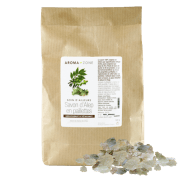
Aleppo Soap Flakes
50 g
Soda Crystals
1 tablespoon
Essential oil of your choice (lavender, lemongrass, lemon litsea, etc.)
30 to 40 drops
Step 1
Dissolve the soap and soda crystals in a liter of hot water.
Step 2
Leave to cool, then add the essential oil of your choice (optional).
Step 3
Pour into a suitable bottle. Use half a glass of product for a 5-6 kg load.
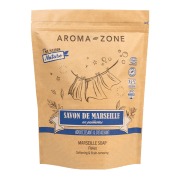
Marseille soap flakes
50 g
Hot water
1 L
Soda crystals
1 tablespoon
Essential oil of your choice (lavender, lemongrass, lemon litsea, etc.)
30 to 40 drops
Step 1
Dissolve the Marseille soap flakes in a liter of very hot water, stirring regularly until completely dissolved.
Step 2
Add the baking soda. Leave to cool, then blend in a mixer.
Step 3
Add 30 to 40 drops of your chosen essential oil, if desired.
Step 4
Shake before use.
Quality
100% pure sodium carbonate, 100% natural origin. Dense grade. Anhydrous crystals. For household use only.
Eco-friendly detergent certified by Ecocert Greenlife according to the ECOCERT standard available at http://detergents.ecocert.com
These anhydrous soda crystals are more concentrated in active ingredients than commonly available hydrated soda crystals, which typically contain 10 water molecules for each molecule of sodium carbonate. Hydrated crystals are also less stable: depending on ambient humidity, they may absorb additional water or lose their water of crystallisation and become anhydrous again. In both cases, this can result in a powder that is difficult to handle and prone to forming hard lumps.By contrast, anhydrous crystals are more stable, and their dense, granulated texture helps them remain free-flowing and easy to use for longer.
Production process
Produced from calcium carbonate and salt sourced from natural quarries.
Function
Multi-purpose household degreaser and cleaner
Composition
Sodium carbonate
Other names
Sodium carbonate, soda ash, soda crystals, washing soda, or soda ash in English-speaking countries.
Grain size
Very fine, less than 160 microns
Country of origin
France
Learn more
Soda ash has been known since ancient times and occurs naturally under the name “natron” in fossil deposits or salt lakes. It was widely used in ancient Egypt as an all-purpose cleaner, as well as in the mummification process.Today, sodium carbonate is either extracted from natural deposits or salt lakes (in the United States, Africa, Russia, etc.) or produced from calcium carbonate and salt. This process uses ammonia, which is recycled during production, and the only waste product is calcium chloride, which can be reused as a desiccant. Sodium carbonate is widely used in the detergent and laundry industries, as well as in the glass and metallurgy industries.
We offer it in the form of anhydrous crystals, which are more concentrated in active ingredients than the hydrated crystals commonly found. This “dense” anhydrous grade, in granulated powder form, is also less prone to clumping than hydrated crystals. It is therefore more stable over time and easier to handle.Soda crystals (Na₂CO₃) should not be confused with:
Baking soda (NaHCO₃), which is less alkaline. In a way, soda crystals are the “big brother” of baking soda, with similar properties but greater effectiveness because they are more alkaline. Please note that, unlike baking soda, soda crystals are too aggressive for cosmetic use. They are intended for household use only, and gloves should be worn when handling them.
Caustic soda (NaOH), which is more alkaline and highly corrosive. It is available in liquid, diluted, or powder form and should only be used for making homemade soap using the cold process method.
Storage
It keeps very well over the long term. Close the bag tightly after use and store away from moisture, heat, and light.
Precautions
Keep out of reach of children.
Avoid contact with eyes and skin. We recommend wearing gloves when handling pure or diluted soda crystals or mixtures containing soda crystals.
Do not swallow.
Do not mix with acids in a closed container (gas release).
Do not apply to aluminum, waxed, lacquered, or painted surfaces (except for stripping).
Test on an inconspicuous area before first use on fabric or surfaces.
When washing clothes, take care with delicate fabrics. Do not use soda crystals on woolen items. Soda crystals can discolor sensitive colors; do not soak colors that are not very stable in a concentrated solution of soda crystals.
Do not confuse soda crystals with caustic soda, which is much more corrosive.
Dangerous. Follow the precautions for use.
Causes severe eye irritation.
Environmental qualities and characteristics product sheet
Reference
04121 - soda crystals 500 g
Main packaging material
Paper bag
Recyclability
Most packaging can be recycled

EO = Essential Oil VO = Vegetable Oil or Oily Macerate
2 tablespoons of soda crystals
2.5 liters of water
Preparation and use: Dissolve the soda crystals in the water. Soak the laundry in this solution before putting it in the washing machine.
22 g Aleppo soap
22 g of gall soap
20 g of sodium coco sulfate
22 g of sodium bicarbonate
26 g soda crystals
660 g water
20 g white vinegar
Cold additions:
100 g white vinegar
120 g water
30 g sodium percarbonate
Preparation: Grate the soap into small shavings. Melt them in a double boiler in a large container. Add the sodium coco sulfate with the water, soda crystals, and baking soda. When the mixture begins to melt, add the vinegar. When it foams (a normal chemical reaction), stir gently and let it melt until you get a smooth mixture. Let the mixture sit for 24 hours. Add the last dose of vinegar and water, mixing well with a hand blender. Then add the percarbonate. Let it sit, then transfer to a bottle. Use: Use a measuring ball to measure your detergent, filling it more or less depending on whether the laundry is lightly or heavily soiled. Then wash as usual.
1 cup of soda crystals
1 cup of baking soda
1 cup of pure soap flakes
6 drops of sandalwood essential oil
Method: Mix all the ingredients together.
Use: Use 1/2 cup for washing, adjusting according to the dirtiness and quantity of laundry. Aroma-Zone note: For better soap dissolution, this detergent is best used with a hot cycle, starting at 60°C.
2/3 sodium bicarbonate
1/3 soda crystals
Use: Sprinkle the mixture on the bottom of the oven. Spray the powder with water to moisten it thoroughly and leave it to work. The next day, scrape with a spatula, wipe with a sponge and rinse the oven.
1/2 cup of soda crystals
2.5 liters of water
Preparation and use: Mix the ingredients and then clean your shower with a sponge.
50 g citric acid
50 g of soda crystals
50 g sodium coco sulfate
25 g of sodium percarbonate
20 drops of lemon essential oil
Preparation: Mix all the powders in a container, then add the essential oil. Mix well and place in an airtight container. Use: Use 2 heaped tablespoons and place them in the dishwasher. Depending on the hardness of your water, choose the most suitable dosage for your needs and adjust the amount accordingly, especially if the dishes are particularly dirty.
Internet and supplier documents.
Loading...
good
I use it to do my laundry and I am very
Excellent value for money. I use it to clean the bathroom.
An essential for maintaining the home and white laundry.
I use it on my stone floors and it's very effective for scrubbing and removing stains


