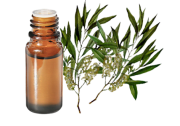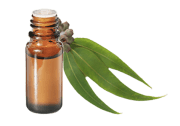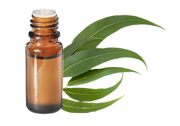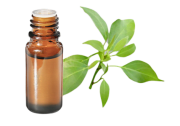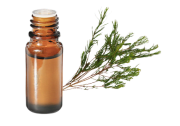
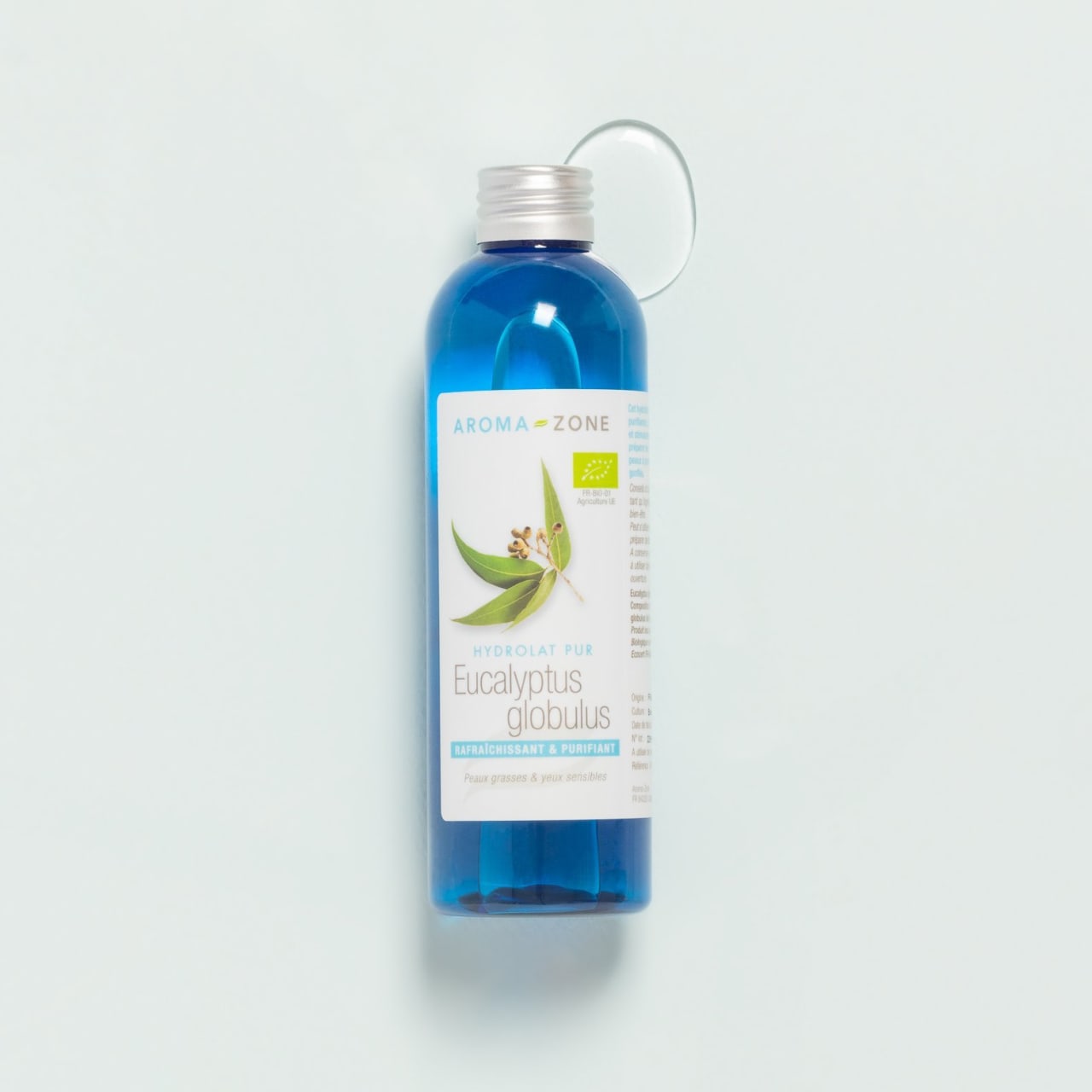
Eucalyptus is a tree native to Australia belonging to the Myrtaceae family (Myrtaceae), renowned for its aromatic leaves, which are rich in essential oils. It is now cultivated worldwide. Eucalyptus is used in particular for its medicinal properties. The part of the plant used is mainly the leaves, which are carefully dried to make herbal teas. Eucalyptus leaves contain active compounds such as eucalyptol (1,8-cineole), flavonoids, and tannins, which provide several health benefits.
The Main Species of Eucalyptus Used in Herbal Teas:
There are more than 700 species of eucalyptus, but only certain ones are recognised for their medicinal properties:
Eucalyptus globulus (Eucalyptus globulus Labill.): Also known as ‘blue gum’, this is the species most commonly used in herbal medicine. It is particularly rich in eucalyptol (1.8-cineole), a compound that helps clear the airways and has antiseptic properties
Radiata eucalyptus (Eucalyptus radiata): Often preferred for its milder, less camphor-like scent, it is suitable for children and sensitive individuals. Its expectorant and antiviral effects are highly valued for treating colds or bronchitis
Lemon eucalyptus (Eucalyptus citriodora): This species is characterised by its lemony scent, due to its citronellal content. It is mainly used for its anti-inflammatory properties and as an insect repellent
Mentholated eucalyptus (Eucalyptus dives Schauer): Recognisable by its fresh, mentholated scent, which is due to its high piperitone content, it is valued for its decongestant and refreshing properties. Containing lower levels of eucalyptol, it can be a gentle alternative for those with sensitive skin or for children. It is often used in inhalation to clear the airways and relieve muscle tension