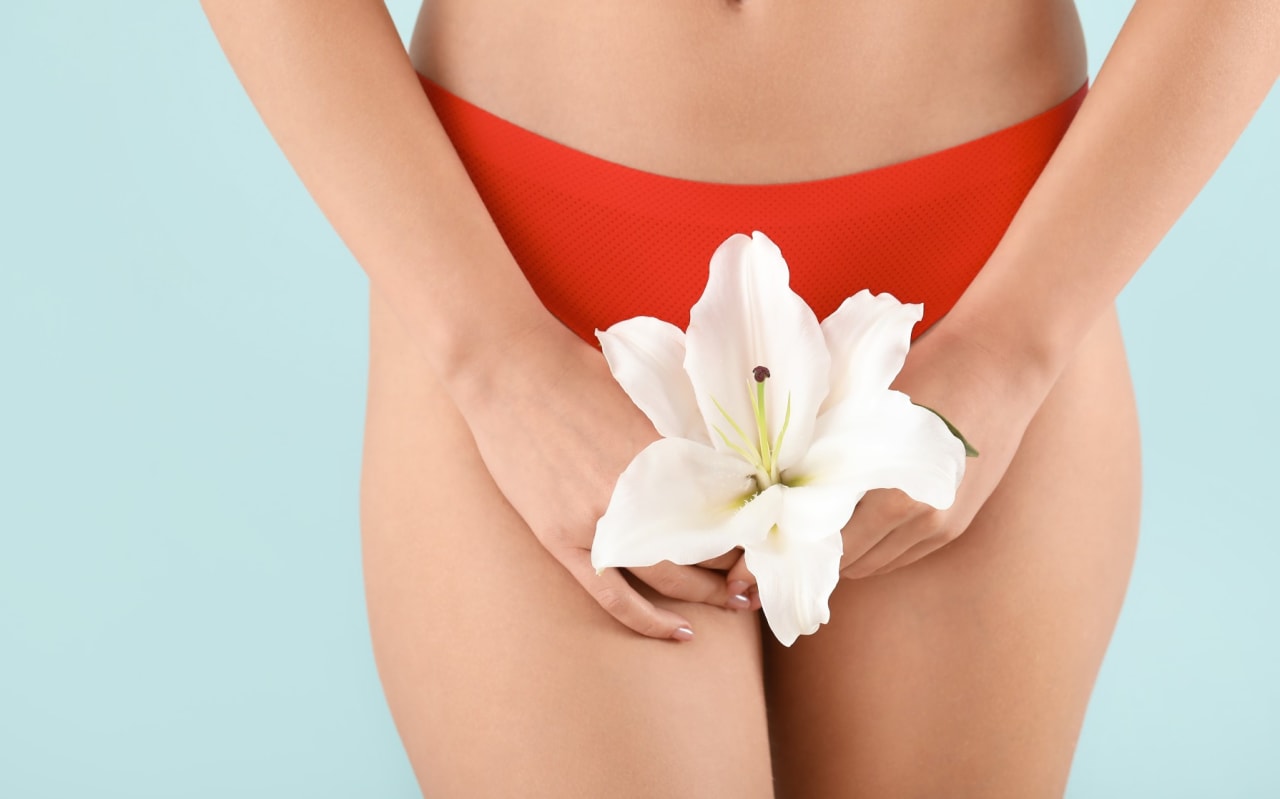
Vaginal or intimate dryness: what causes it and how can it be alleviated?

Vaginal or intimate dryness is a common phenomenon affecting many women. It is most often caused by a lack of oestrogen, the female hormone that lubricates the vaginal mucosa. This lack of oestrogen can be caused by the menopause, pregnancy, medical products, stress, …, etc.

A lack of vaginal lubrication can be difficult to cope with and can cause irritation, itching and even pain during intercourse.

But don't panic, it's treatable and not inevitable. Let's find out what natural solutions there are to relieve it.

Reading time: 0 min.

What is vaginal dryness?

The vagina is a mucous membrane that normally has a lubrication system, so its texture is soft, supple and elastic. At the cervix, glands produce a viscous liquid that flows down the vaginal wall.

Vaginal dryness occurs when this tissue is not sufficiently lubricated and the mucus-producing cells become scarce. This creates the sensation of a "dry" vagina. The vaginal mucosa becomes thinner and drier, making it more fragile and more exposed to small lesions, which can cause burning and irritation.

This lubrication is regulated by a number of factors: hormonal (during the menopause or pregnancy, for example), genetic, medicinal or psychological.

However, a distinction must be made between 2 types of intimate dryness: a lack of permanent lubrication of the vagina or a lack of lubrication only during sexual intercourse

Why does the vagina become drier?

Intimate dryness is more common than you might think. Often temporary, it occurs at different times in life.

It can affect all women, but mainly those undergoing hormonal changes due to the menopause or post-partum. It is estimated that 25% of women suffer from recurrent symptoms before the menopause. The severity of the problem varies from woman to woman. The causes may be hormonal, medicinal, infectious, psychological or lifestyle-related.

1. Hormonal causes

In most cases, lubrication is associated with the production of oestrogen. Vaginal dryness is therefore caused by a drop in or cessation of production of this hormone by the ovaries. Hormones have a direct influence on our moods and sexuality. It may therefore be linked to:

  • A lack of oestrogen, linked to the menopause

  • Hormonal changes, such as during breastfeeding

  • Pregnancy : particularly during the first 3 months

  • Certain ovarian diseases

  • Menopause and pre-menopause: this is the main cause of vaginal dryness; during these two phases, a woman's body will produce more or less oestrogen. The vaginal mucosa used to be moist, pink and supple, but now it can become drier and paler in colour. The sudden drop in sex hormone levels (oestrogen and progesterone) associated with the menopause will affect the vaginal lubrication capacity and, above all, the trophicity of the mucous membranes.

  • The post-partum or breast-feeding period: during this period, known as the post-partum period, oestrogen production decreases significantly, especially if you are breast-feeding.

Other causes can influence the quantity of oestrogen or the effect of these hormones on the mucous membrane:

  • Surgery on the ovaries: this can stop the production of oestrogen; hysterectomy can also remove the cells and uterus responsible for vaginal secretions.

  • Certain diseases of the nervous and vascular systems, such as diabetes or multiple sclerosis, etc.

2. Medication-related causes

Medications or products can also interfere with sexual functions, including vaginal lubrication:

  • Certain contraceptives such as the pill can create an imbalance in vaginal secretion

  • Allergy medication

  • Medications (vasoconstrictors) to increase blood pressure or reduce blood flow

  • Certain antidepressants

  • Some antihistamines affect lubrication

  • Cancer products: some products can temporarily or permanently block the production of hormones by the ovaries. Examples include chemotherapy; therapy with hormone blockers (anti-hormones), which can cause dryness to appear very quickly; radiotherapy or brachytherapy near the ovaries.

  • Acne products

  • products for endometriosis

3. Infectious causes

Certain recurrent urinary tract infections or vaginal infections (STIs, fungal infections) can cause vaginal dryness, just as vaginal dryness can be the cause of infections.

4. Psychological causes

In most cases, these causes arise from a lack of lubrication during sexual intercourse. It is sometimes necessary to undertake therapeutic follow-up with a psychologist, sex therapist or couple therapist.

  • Stress, fatigue, anxiety, depression

  • Relationship difficulties: lack of desire, infrequent or unsatisfactory sexual relations, disagreement, lack of communication, etc.

  • Lack of awareness of one's own body

  • A negative relationship with sexuality

  • Insufficient arousal during sexual intercourse

5. An uhealthy lifestyle

  • Alcohol or tobacco consumption

  • Fatigue and stress

  • Repeated vaginal cleansing with harsh soaps: the water and these products will dehydrate the mucous membrane; the vagina has the ability to cleanse itself. This is the role of secretions and discharge. You should only be concerned if these are accompanied by discomfort or unpleasant odours.

  • Using panty liners, sanitary towels or tampons

  • An unbalanced diet

  • Lack of physical exercise

What are the symptoms of vaginal dryness?

The main symptom is a dry or insufficiently lubricated vagina, particularly during sexual intercourse. Other symptoms may include

  • Itching (the urge to scratch),

  • a sensation of heat or irritation in the vagina or on the external genitalia (vulva), including the clitoris and the opening of the urethra, the tube through which urine passes.

  • Discomfort or pain can occur during sexual intercourse, when urinating or when wiping.

Over time, vaginal dryness can have a number of consequences:

  • The wall of the vagina can become thinner: this can cause small cracks in the wall; these are a source of heating or burning during sexual intercourse and irritation when urinating.

  • The tissue (the mucous membrane) of the vagina becomes less elastic(vaginal atrophy). The entrance to the vagina may then become narrower, making sexual intercourse and gynaecological examinations difficult.

  • Sexual problems: the friction associated with the lack of lubrication can lead to pain during sexual intercourse, which can result in a drop in libido.

  • Increased risk of infections, including mycoses, urinary tract infections and vaginosis…

Consult a midwife, doctor or gynaecologist if you experience one or more symptoms of vaginal dryness. He or she will then be able to make a diagnosis and take a vaginal swab if necessary.

How do I know if I'm suffering from vaginal dryness?

  • Decreased or no lubrication of the vagina

  • Discomfort, warmth or pain during sexual intercourse

  • Itching

  • Irritation of the vulva

  • Small cracks at the entrance to the vagina, sometimes difficult to see

  • Sensation of heating or burning when urinating (not to be confused with an infection)

  • Your GP, midwife or gynaecologist will be able to tell if you have this problem during a gynaecological examination.

How is vaginal dryness diagnosed?

A gynaecological examination is used to diagnose vaginal dryness. The gynaecologist may also take a vaginal swab.

What natural care products should I use for vaginal dryness?

Oils for local application

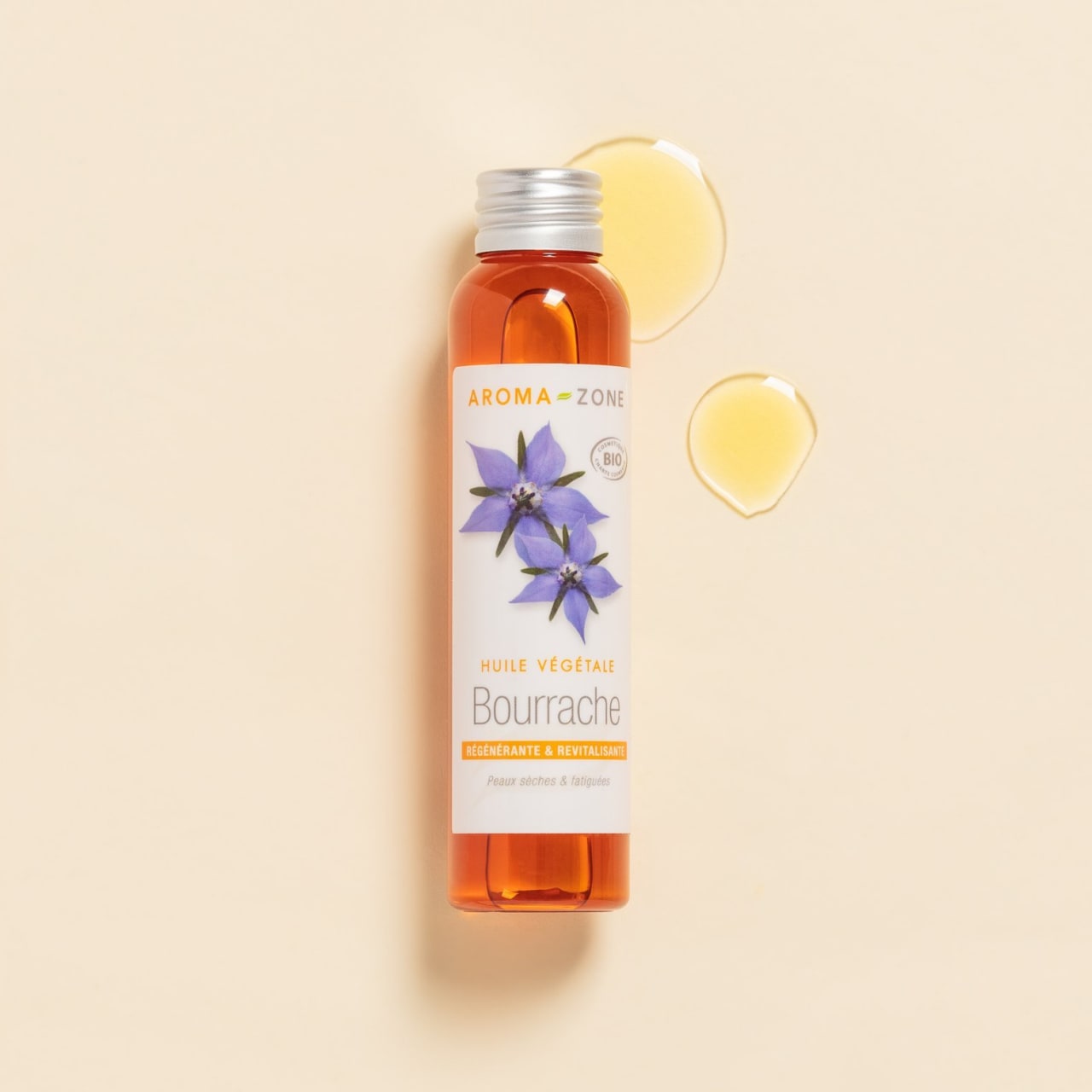
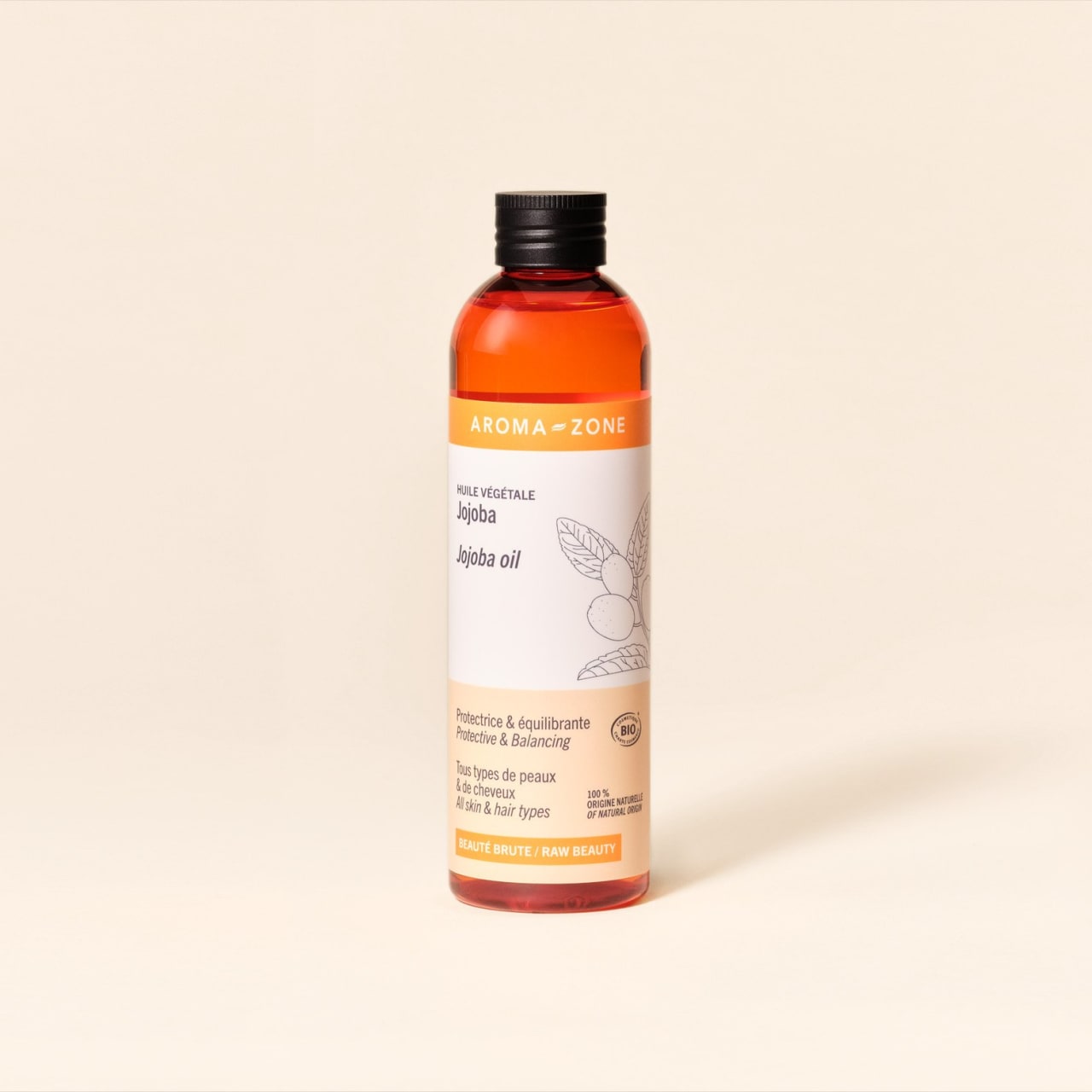
  • L'Borage oil, rich in fatty acids. The active ingredients in this oil are very helpful for menopausal symptoms such as hot flushes. It is also very useful for skin problems. As a food supplement, it helps to moisturise and reduce skin inflammation caused by vaginal dryness. It can be applied topically pure or combined with other carrier oils such as (Jojoba or sweet almond), or orally (as a food supplement in the form of a 3-week course).

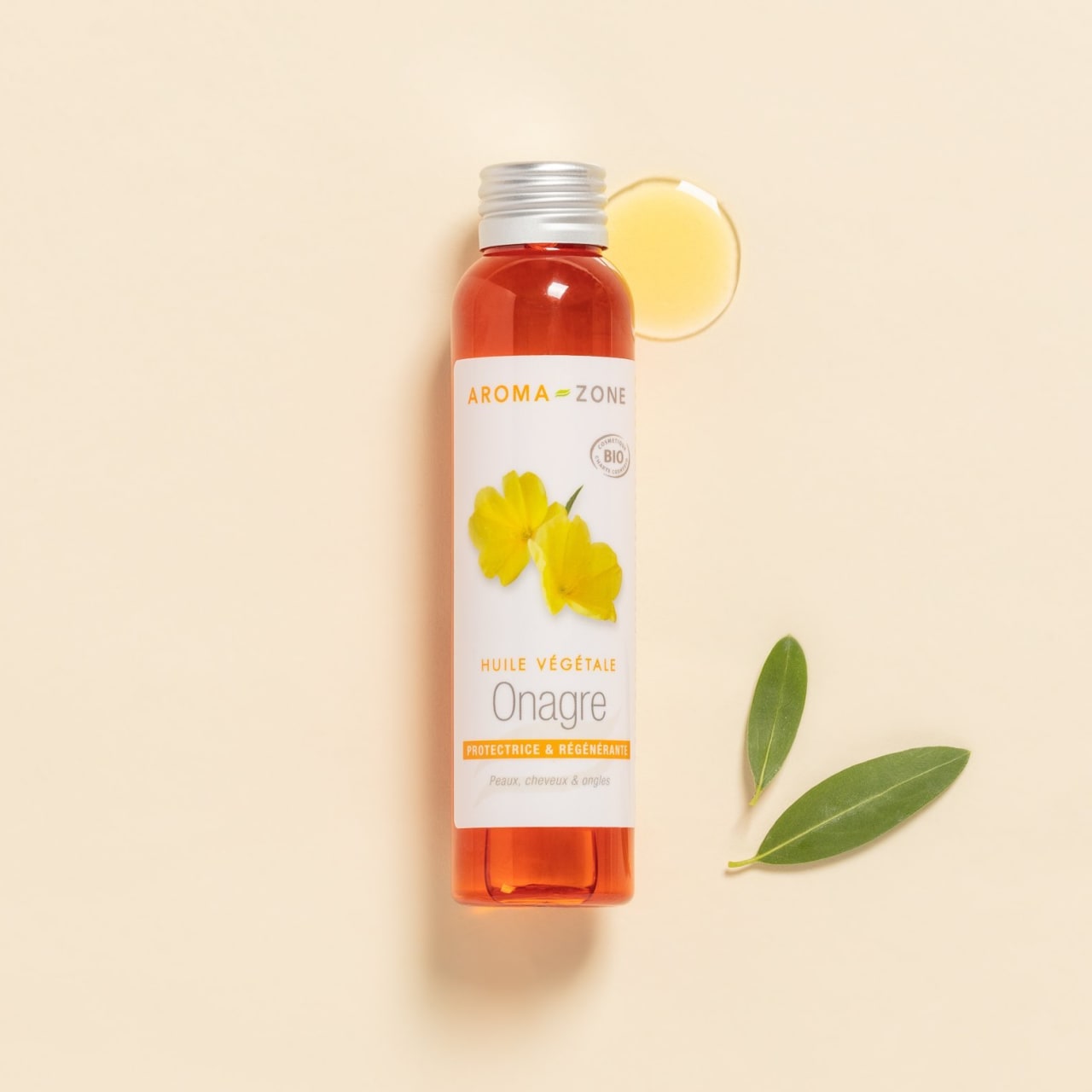
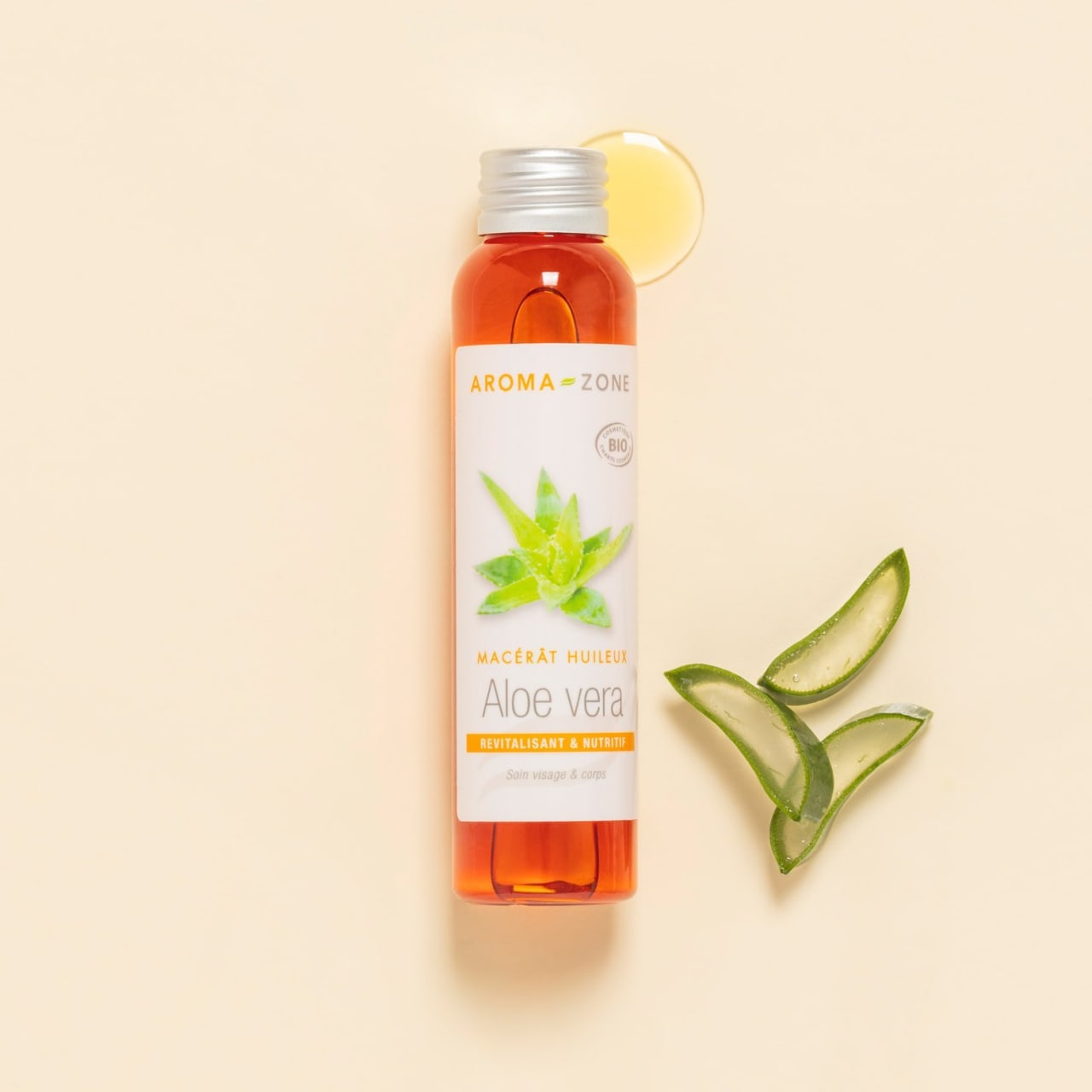
  • L'Evening primrose oil coconut oil or aloe vera gel also have their benefits.

Be careful not to use them with a condom, which will become porous on contact.

Omega 3

They combat menopausal and pre-menstrual symptoms such as vaginal dryness. In addition to a diet rich in Omega 3, there are capsules available to supplement the diet.

Active phytoestrogenic plants

They have an effect on the vagina: SageSoya, Flax, Cimicifuga, Red clover, Hops. These plants can be found in the form of creams, ovules or taken orally in the form of herbal teas or food supplements, for example.

Homeopathy

It can have positive effects on vaginal flora and secretions when vaginal dryness is mild.

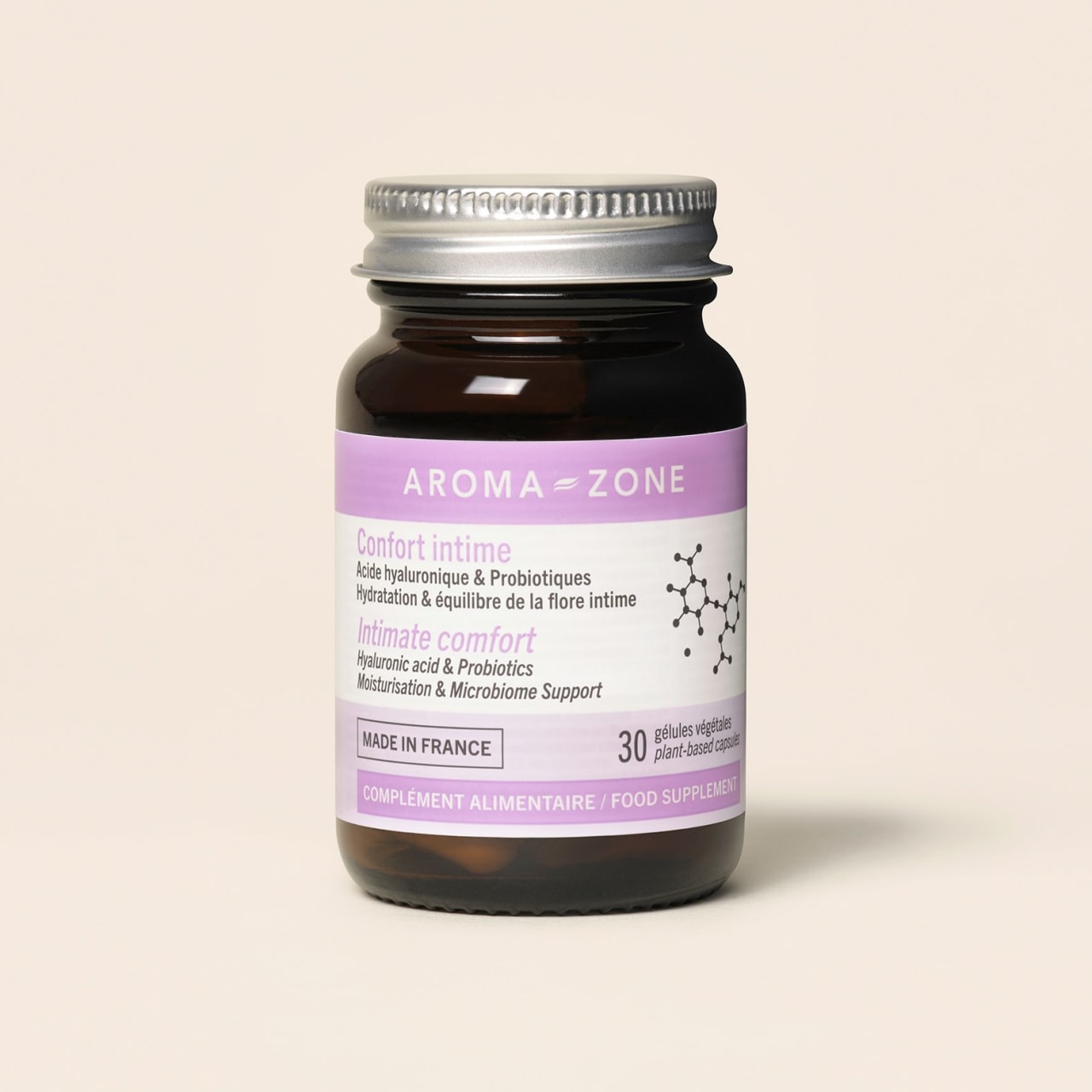
Oral and local probiotics

They can be effective in restoring vaginal and intestinal flora.

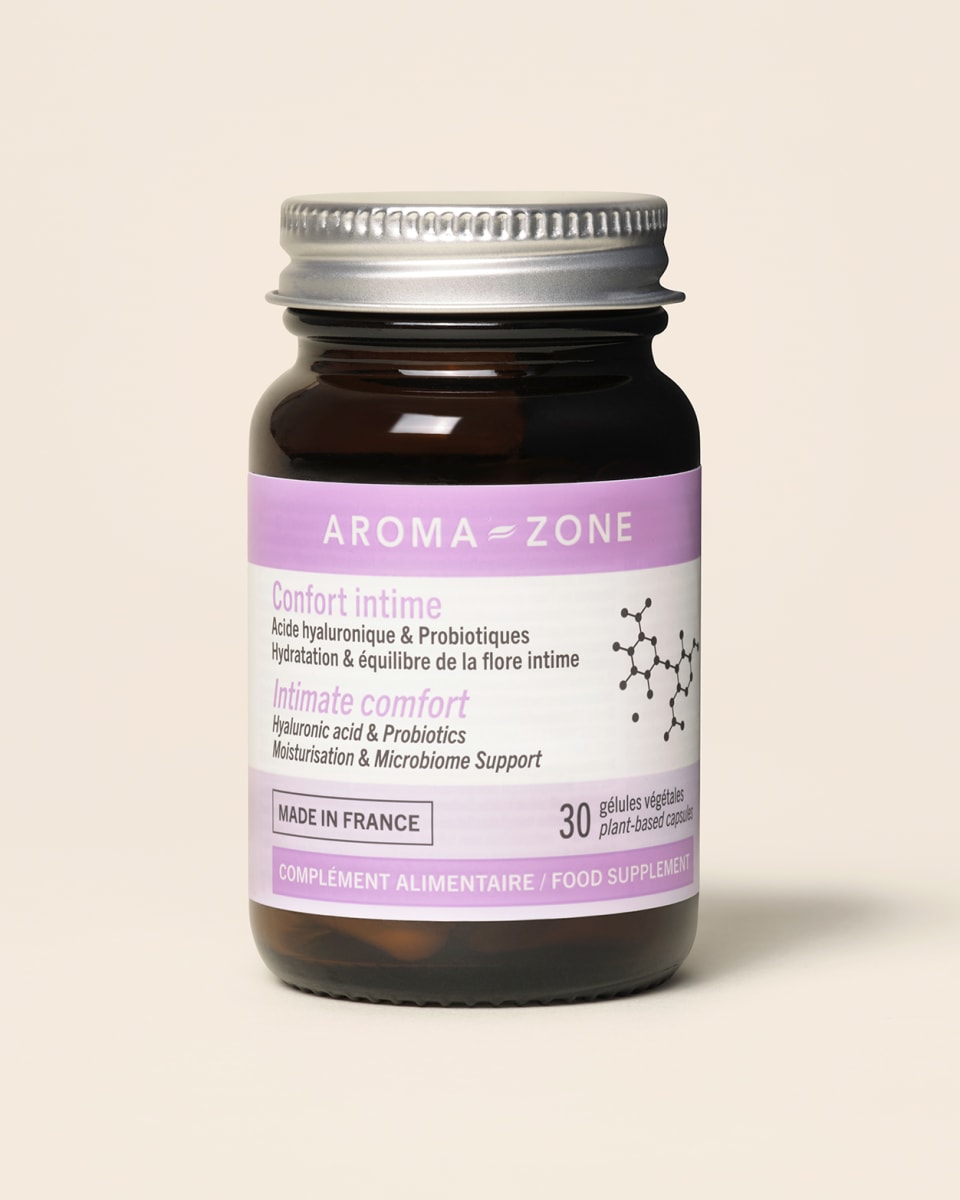
Ova and moisturisers (hyaluronic acid, vitamin E)

They rehydrate and repair the vulvar and vaginal mucosa. It is a vaginal gel or ovule that keeps the vagina moist at all times, makes the vagina and vulva feel more comfortable, helps reduce burning, itching and irritation, and helps reduce the effects of atrophy of the vaginal mucosa. These products are available from chemists or can be prescribed by a doctor and/or gynaecologist.

Local hormone products (oestrogen cream or ova)

Their aim is to restore trophicity to the mucous membranes. They are available as oral or topical tablets, creams or rings. It is contraindicated to take hormones if you have cancer that requires hormone blockers. This treatment requires a prescription from your doctor.

Lubricating gels

Vaginal lubricants do not treat vaginal dryness, but they do relieve symptoms of discomfort during intercourse. There are 3 types:

  • Water-based : easy to use and easy to clean, but may need to be applied multiple times.

  • Silicone-based: lasts longer, but is more difficult to clean and can sometimes cause irritation if not rinsed after intercourse

  • Oil-based : should not be used with condoms as it weakens them; can cause irritation and inflammation in some women.

Natural lubricants

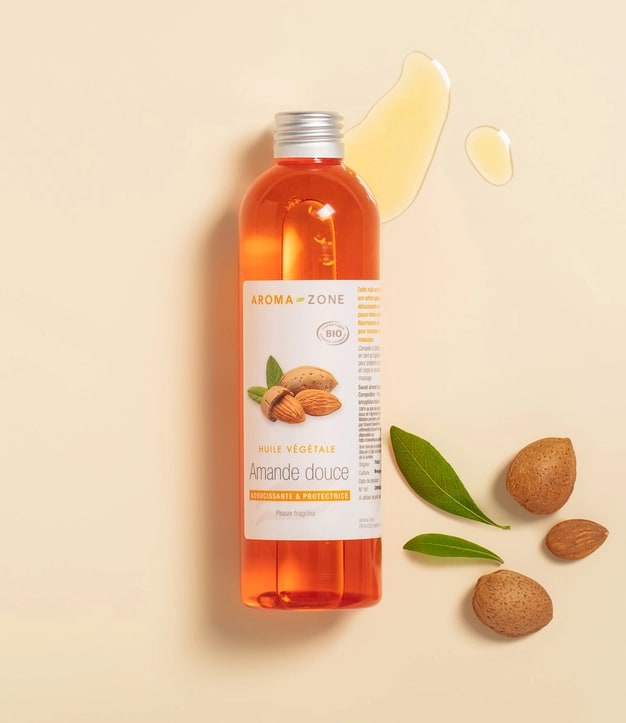
Coconut oil, Sweet Almond Oil. Sweet almond oil helps to restore the PH of the intimate area, which is very important for maintaining natural lubrication.

However, be careful with natural lubricants such as coconut oil: as well as damaging the condom, they can also cause flora disorders or infections. Lubricants make it easier to resume sexual intercourse by replacing the lack of natural physiological lubrication, resulting in reduced pain and increased pleasure.

Find all the Aroma-Zone advice in the article : which natural lubricant to use?

Organic Sweet Almond Oil

Laser treatment

As a last resort, this procedure helps the vaginal mucosa to regenerate. It becomes more supple and moist. Ask your doctor for advice.

Steps you can take to prevent vaginal dryness

Food and tobacco/alcohol consumption

  • Avoid smoking and excessive alcohol consumption, which reduce vaginal lubrication

  • Choose foods rich in omega-6 and omega-3 fatty acids, which help maintain a healthy balance in the vaginal mucosa: salmon, mackerel, sardines, herring, olive oilolive walnut oillinseed hemphemp camelina

Clothing and underwear

  • Avoid clothes that are too tight.

  • Wear cotton underwear : these garments allow better air circulation. It's best to avoid synthetics, which prevent proper air circulation and can lead to irritation, vaginal dryness and fungal infections.

  • Avoid wearing panties at night

Intimate hygiene

  • Avoid douching and excessive washing to avoid creating an imbalance in the vaginal flora.

  • Use PH-neutral products that contain no colouring agents, preservatives or perfumes to protect the flora.

Hygienic protection

  • Choose appropriate sanitary protection: instead of pads and tampons, opt for menstrual panties, making sure you change them regularly. This type of protection respects the sensitivity of your skin in the intimate area and reduces the risk of vaginal dryness and irritation.

Sexuality

  • Use a natural lubricant during intercourse: apply it to vagina to facilitate penetration and reduce irritation.

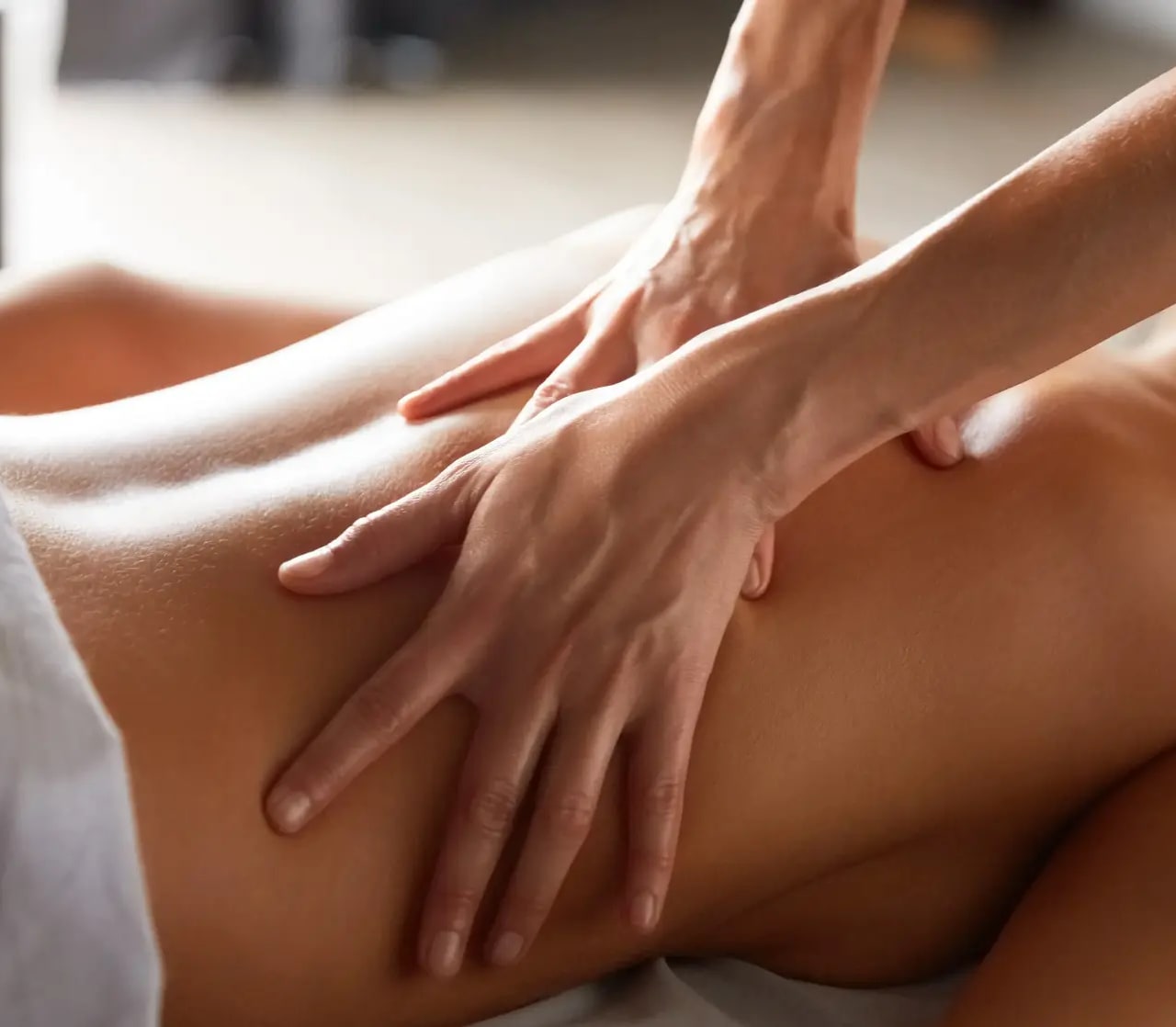
  • Foreplay is imporant and can be prolonged to create or reinforce vaginal lubrication. A little tip from Aroma-Zone: Give your partner a sensual massage!

Healthy living

Alternative medicine or support from a therapist to reduce stress stress fatigueand boost self-confidence.

Vaginal dryness and sex

Lubrication of the vagina, the most visible physical sign of arousal in women, is the equivalent of an erection in men. Vaginal lubrication is an automatic phenomenon that begins 10 to 30 seconds after the onset of sexual excitement, i.e. at the very start of intercourse, during foreplay. This is to promote pleasure and eventually penetration.

A 20-year-old woman will need less than 30 seconds to completely lubricate her vagina, while a post-menopausal woman will need between 5 and 20 minutes.

Physiological lubricant is a transparent liquid, the consistency of egg white, produced initially by the vagina. Then, at the end of the arousal phase, it is produced by the Bartholin glands, located on either side of the vulva. They will secrete a few drops of cyprine which will facilitate penetration by moistening the labia and the vaginal orifice.

When you're not sufficiently aroused, or when you haven't had enough foreplay, the vagina may not be sufficiently lubricated, and this is normal: it doesn't mean that you're experiencing vaginal dryness. But this lack of lubrication will create the sensation of a dry vagina associated with discomfort or even pain during intercourse. The risk of this pain is to create a vicious circle.

To combat vaginal dryness, it is advisable to talk to your partner and do not neglect foreplay during intercourse.Using a lubricant will also reduce pain, increase pleasure and restore confidence in the possibility of natural lubrication (unless vaginal dryness has been proven).

In all cases, feel free to discuss the problem with your GP, gynaecologist/midwife or sex therapist.

To take your solutions to feminine problems further, we also have our Family Aromatherapy workshop - Essential oils and feminine problems.

Article written by Florence Poupon: sexologist

Florence Poupon is a sexologist, couple therapist and psychogenealogist.

She works with women, men and couples on issues relating to intimacy, sexuality and relationships.

She specialises in helping women with recurrent cystitis and mycosis.