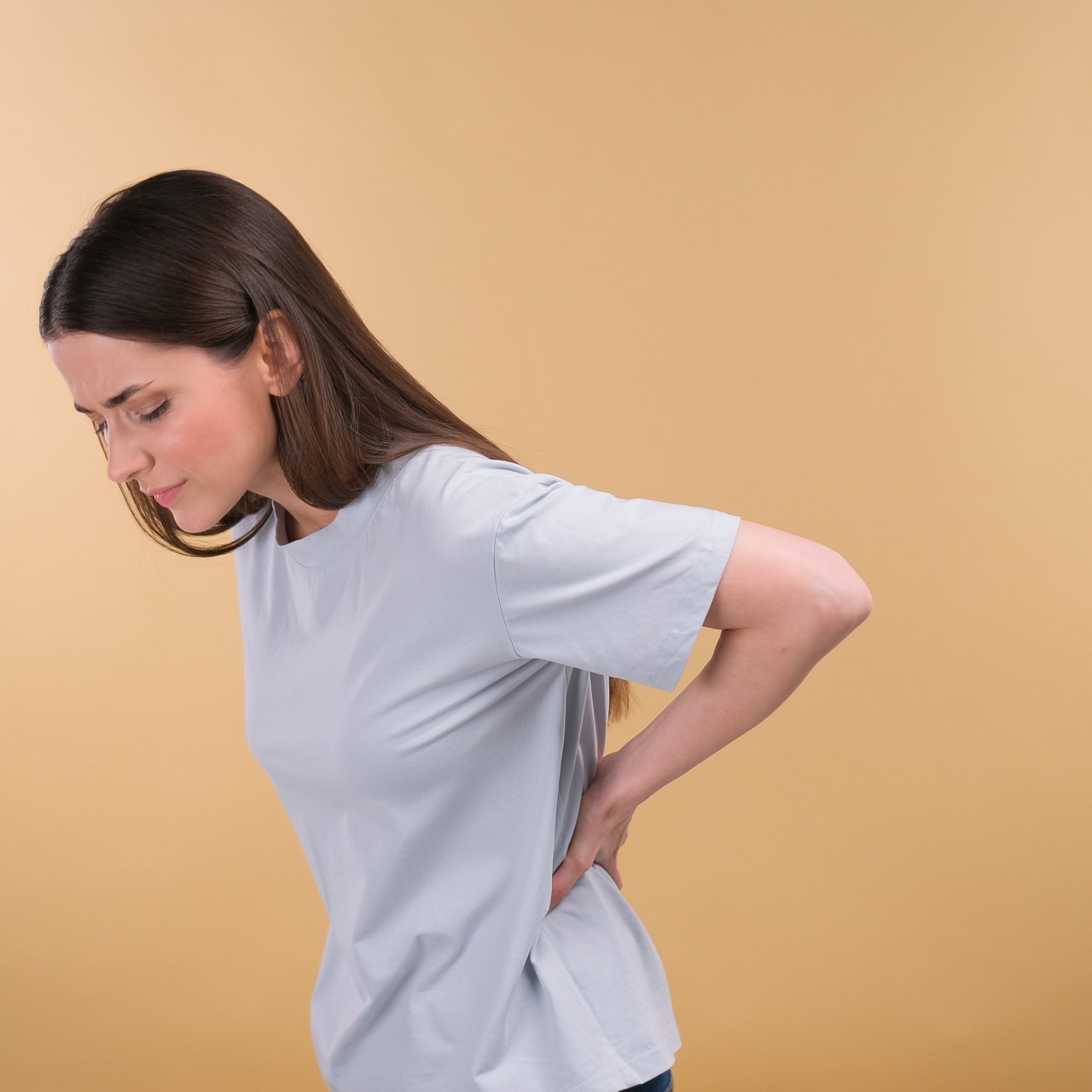
Sciatic nerve compression occurs when the nerve is compressed or irritated along its path. Sometimes, the cause is an underlying medical condition, such as a herniated disc, but in many cases, lifestyle habits or certain postures can contribute to back strain and ongoing discomfort. Identifying the possible causes is an important first step towards managing sciatic nerve pain.
Compression or Herniated Disc
Between each vertebra lies a flexible disc that acts as a shock absorber. When this disc is damaged or displaced, part of its gel-like core can press on the nerve. The pain can then become sharp, like an electric shock running down the leg. A herniated disc is a common cause of sciatica and may require treatment to relieve symptoms.
Poor Posture and Everyday Movements
Sitting for hours in front of the computer with a rounded back and shoulders hunched forward, or lifting a heavy box by bending at the waist instead of the knees, can put strain on the back. Over time, these habits may contribute to irritation or compression of the sciatic nerve.
A sedentary Lifestyle, Being Overweight, or a Lack of Physical Activity
Our muscles play an important role in supporting and protecting the back. Without regular use and strengthening, however, they can weaken. Weak abdominal muscles, underused glutes, and fatigued back muscles can leave the spine with less support. Excess weight around the abdomen can also increase the lumbar curve and place additional strain on the lower back.
Repetitive Movements or Improper Exertion
Certain professions or sports require repeating the same movements: lifting, bending, twisting, and jumping. When performed correctly, these movements can strengthen the body. But if done too quickly or without proper care, they can place strain on the discs and may increase the risk of sciatica.
Pregnancy
During pregnancy, the body changes rapidly. The belly grows rounder, the centre of gravity shifts, and ligaments loosen under the influence of hormones. This combination can increase pressure on the lower back. Sciatic nerve compression, often temporary, can then occur and often improves after childbirth.
Understanding the possible causes of sciatic nerve compression can help inform how it is managed through natural and gentle approaches.