Common name: Tretinoin or Retinoic Acid
Origin: Natural, derived from metabolism, but often produced through chemical synthesis
INCI Name: Tretinoin
Biochemical composition: Vitamin A derivative
Function: cell regenerator, depigmenting, anti-ageing, anti-acne
For: mature skin, hyperpigmentation, scars, stretch marks
Dosage: 0.01% to 0.1% for topical use (under medical supervision only)
Solubility: fat-soluble
Tretinoin: how does it work, and what are the alternatives?
Published on: Wednesday, August 06, 2025, Updated on: Friday, October 16, 2026
Used in dermatology since the 1970s, tretinoin is one of the most potent derivatives of vitamin A. It has recognised anti-ageing, anti-acne, and depigmenting properties. However, due to its strong biological activity, tretinoin is also one of the most irritating derivatives. This is why, for several years now, its use has been strictly regulated and restricted to the medical field, available only by prescription. In this article, we will explore how retinoic acid works and understand why it is so effective. We will then look at natural alternatives to tretinoin, as well as complementary active ingredients that can help mitigate its side effects while preserving its benefits.
Contents
Related products
Vitamin B12 & Prebiotics Serum
Soothing
Repairing
£9.00
30 ml
2 options
Optimised Retinal Serum
Anti-ageing
Anti-wrinkle
£9.00
30 ml
2 options
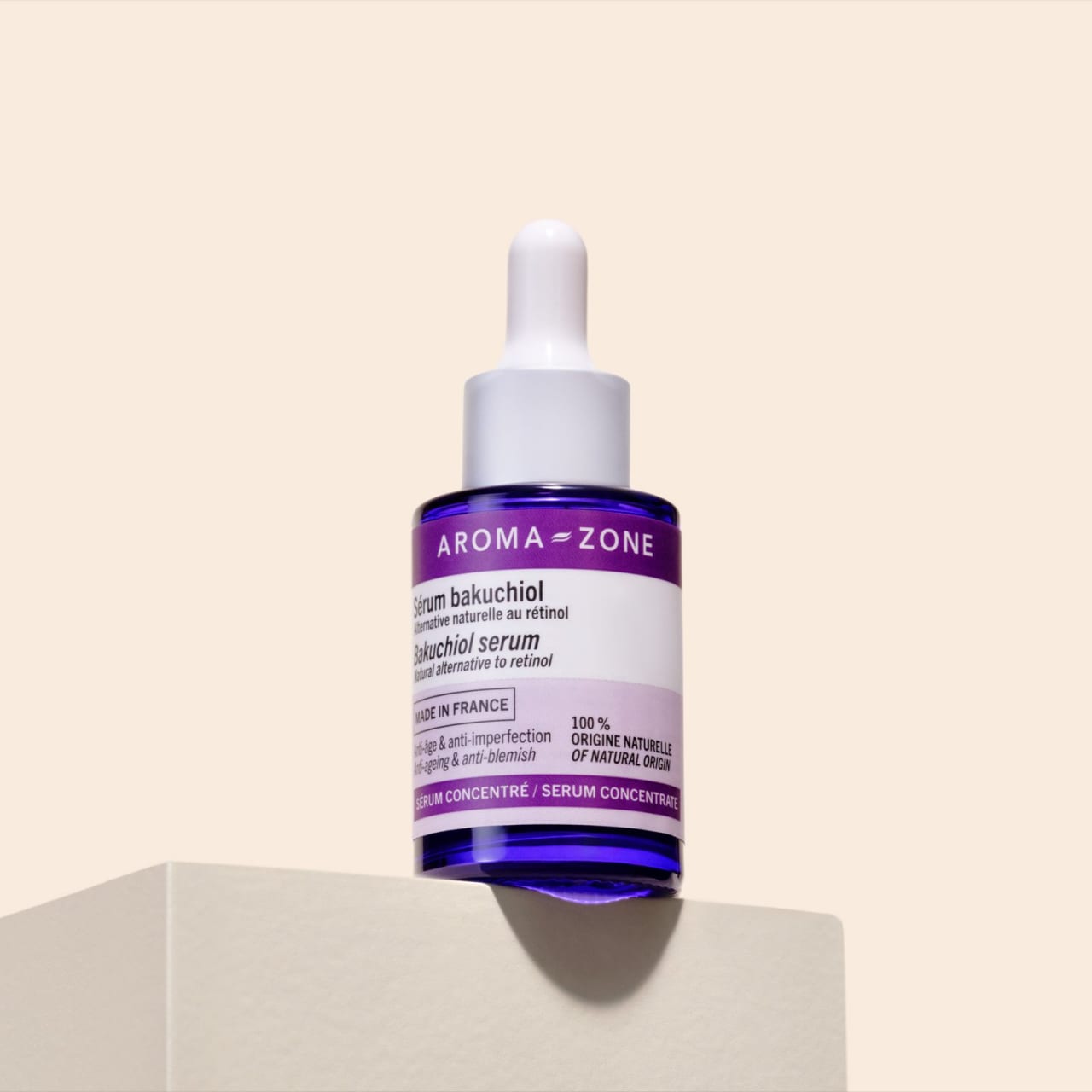
Bakuchiol Serum
Anti-ageing
Anti-blemishes
£9.00
30 ml
2 options
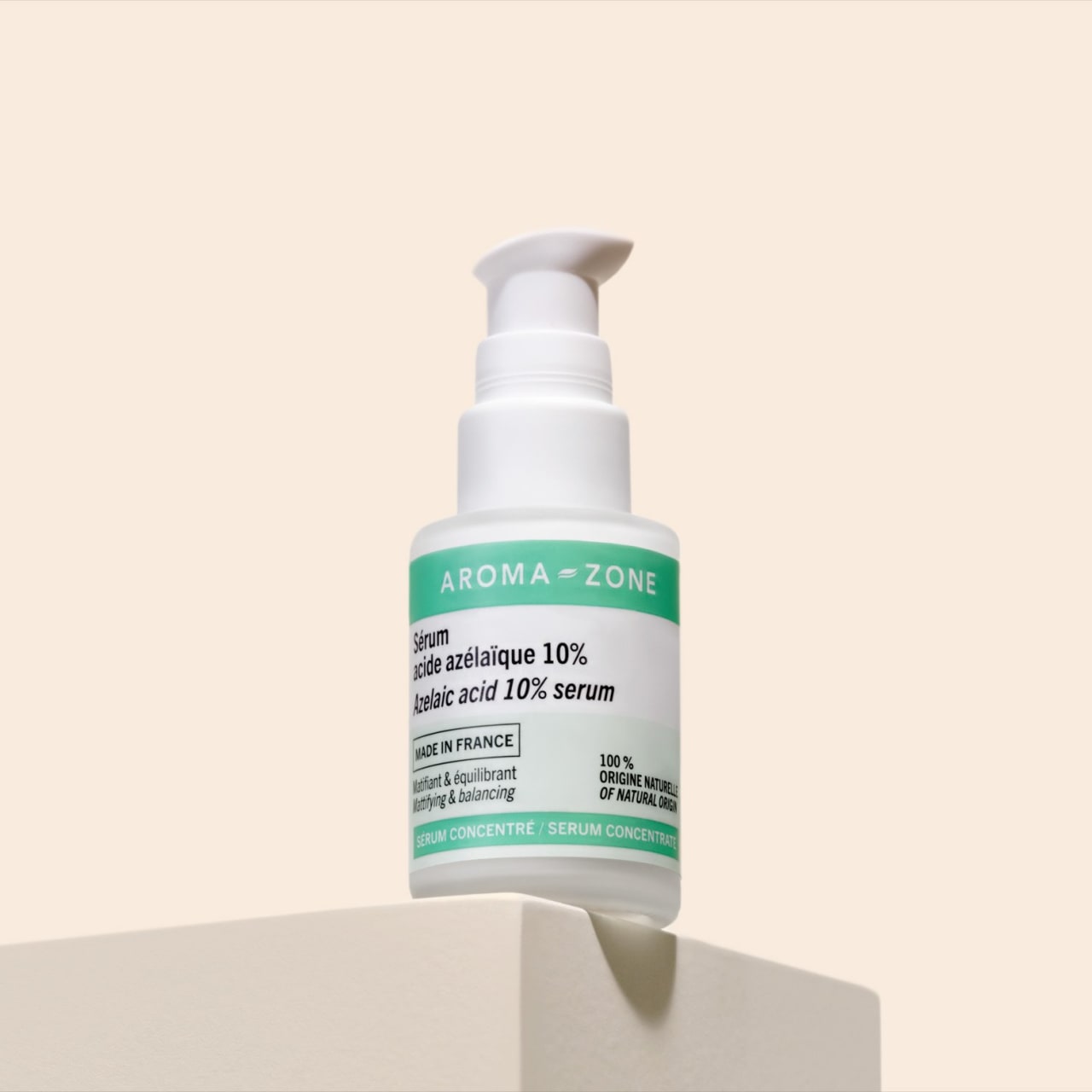
Azelaic Acid 10% Serum
Sebum-regulating
Anti-blemishes
£8.00
30 ml
2 options
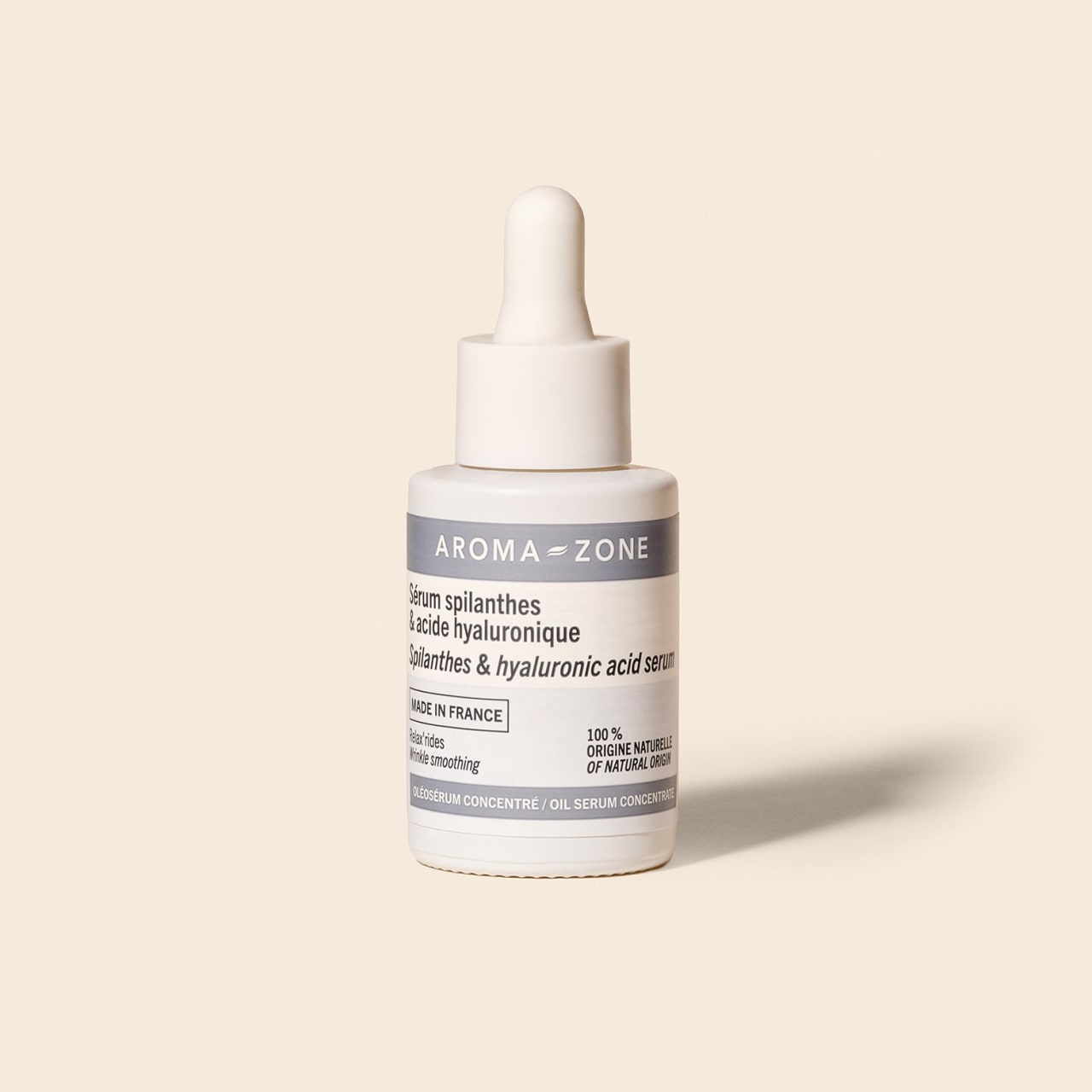
Spilanthes & Hyaluronic Acid Serum
Anti-wrinkle
Firming
£13.00
30 ml
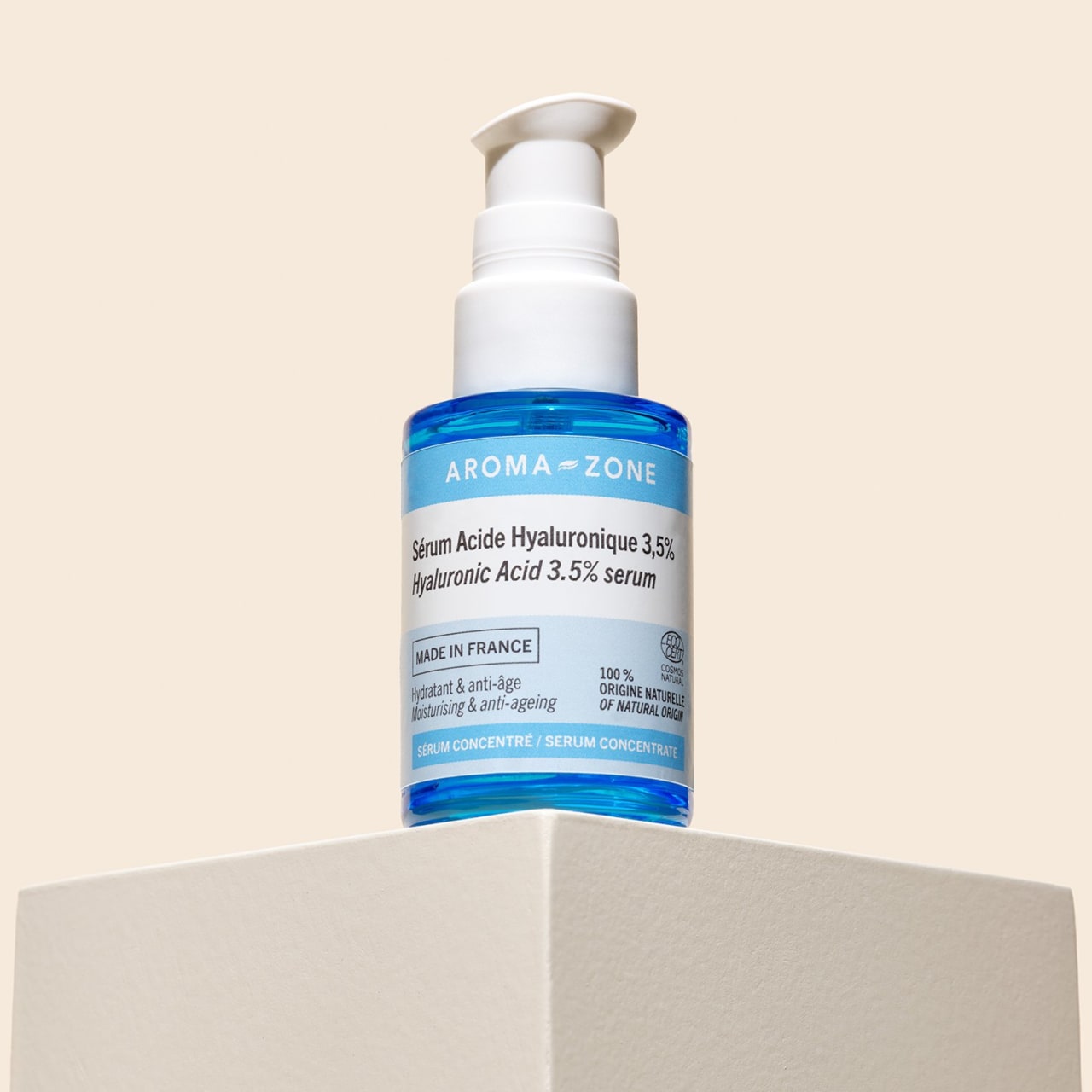
Hyaluronic Acid 3.5% Serum
Moisturising
Plumping
£6.50
30 ml
3 options
In brief
Tretinoin is a vitamin A derivative known for its effectiveness in treating acne, pigmentation spots, and skin aging. However, it also has common side effects, such as irritation and increased sensitivity to the sun.
There are gentler, more natural alternatives, such as certain plant extracts or cosmetic active ingredients, including retinal, salicylic acid, and bakuchiol.
The article specifies that tretinoin requires a medical prescription and is contraindicated during pregnancy and breastfeeding.
Summary
What is tretinoin?
Definition and Structure
Retinoic acid, also known as tretinoin, is the active form of retinol. Retinol and retinyl esters are the dietary forms of what is commonly known as vitamin A. To become active, these molecules must undergo an enzymatic conversion.
Chemically, tretinoin, also known as all-trans-retinoic acid, is a linear carboxylic acid with a double conjugated chain of carbon-carbon bonds, which gives it strong biological activity. It is classified as a first-generation retinoid due to its linear structure and its non-selective interaction with RAR (Retinoic Acid Receptors) nuclear receptors.
What is the difference between a retinoid and a tretinoin?
Tretinoin belongs to the retinoid family, natural or synthetic compounds derived from retinol. In the body, tretinoin is generated through a two-step oxidation process: retinol is first converted into retinaldehyde, then into tretinoin by various enzymes. Unlike this final step, the conversion of retinaldehyde into tretinoin is irreversible. They act primarily through nuclear receptors RAR (Retinoic Acid Receptors) and RXR (Retinoid X Receptors), modulating the expression of genes involved in differentiation, cell proliferation, and skin inflammation.
To optimise their therapeutic efficacy while reducing their side effects, scientists have created synthetic derivatives of vitamin A. These derivatives have subsequently been classified into different generations based on their chemical structure and receptor selectivity.
The different generations of retinoids
Generation | Examples | Origin / Structure | Target | Main indications |
First | Tretinoin (retinoic acid), Retinol, Isotretinoin | Natural or minimally modified (linear structure) | Acts on several receptors in the skin, but not in a highly targeted manner → more side effects | Acne, skin ageing, hyperpigmentation, keratosis pilaris, psoriasis |
2nd | Acitretin, Etretinate | Synthetic, with an aromatic ring | Slightly more targeted than the first generation, greater stability | Severe psoriasis, keratinisation disorders (ichthyosis) |
3rd | Adapalene, Tazarotene, Bexarotene | Synthetic, rigid and polycyclic structure | Highly targeted: acts specifically on certain receptors in the skin → less irritation | Inflammatory acne, photo-induced ageing, psoriasis, cutaneous lymphomas. |
Currently, a fourth generation is under development; this includes innovative derivatives such as arotinoids, pyranones, and molecules like trifarotene. The goal is to target a specific receptor for a precise therapeutic effect, with minimal side effects.
Origin and Method of Production
Tretinoin is naturally present in the human body, but in very small quantities. This is why the version used in cosmetics and dermatology is obtained through chemical synthesis from organic precursors, to ensure its purity, stability, and controlled concentration. This synthetic molecule is identical to the one produced naturally, allowing it to act directly on the skin without requiring prior conversion.
Mechanism of action
Tretinoin works by binding to RAR (Retinoic Acid Receptors) nuclear receptors, thereby modulating gene expression. This influences the proliferation, differentiation, and desquamation of keratinocytes, contributing to improved skin structure. Additionally, it inhibits the activation of a UV-induced transcription factor, thereby reducing the degradation of collagen. It also promotes the synthesis of type I collagen, thereby improving skin elasticity and firmness. This gives it anti-ageing and anti-dark spot properties.
What are its benefits?
Fights wrinkles and fine lines
Improves skin texture and elasticity
Reduces pigmentation spots
Smooths acne scars
Prevents clogged pores (comedolytic effect)
Accelerates cell regeneration
Reduces signs of photoageing
Why use this active ingredient?
Tretinoin (all-trans retinoic acid) is recognised as one of the most effective and well-documented dermatological active ingredients for treating numerous skin conditions. Thanks to its deep and targeted mechanism of action, it acts directly on the cellular mechanisms responsible for skin ageing, pigmentation spots, acne, and even psoriasis.
Mature skin
With age, the skin undergoes intrinsic ageing (related to natural, inevitable ageing) and photoaging caused by chronic exposure to UV rays. These two forms of ageing manifest as wrinkles, loss of firmness, uneven texture, and pigment spots.
Tretinoin works by binding to nuclear receptors (RARs) present in skin cells, thereby stimulating the expression of genes that regulate the proliferation, differentiation, and desquamation of keratinocytes. It inhibits UV-induced collagen degradation while promoting the production of type I collagen, which improves the skin’s elasticity, firmness, and radiance.
Several clinical studies have shown that it leads to a visible reduction in fine lines and an overall improvement in skin texture.
Result: reduced wrinkles and fine lines and firmer skin.
Pigment spots
Pigment spots are the result of skin hyperpigmentation caused by an overproduction of melanin (a pigment found in the skin). Melanin biosynthesis depends primarily on tyrosinase activity and UV radiation. The appearance of pigment spots may be linked to sun exposure, ageing, hormonal imbalances, or chronic inflammation.
Retinoic acid (or tretinoin) acts on skin hyperpigmentation through several complementary mechanisms. First, it accelerates epidermal cell turnover by stimulating keratinocyte proliferation and promoting their migration to the skin’s surface. This rapid turnover limits the time available for melanocytes to transfer melanin to keratinocytes, thereby reducing the amount of pigment visible in the superficial layers of the epidermis. Retinoic acid also acts at the molecular level by modulating the expression of genes involved in the synthesis of melanin. It can inhibit the activity of tyrosinase, the enzyme responsible for melanin production.
Result: visibly more even-toned skin with faded spots.
Acne-prone skin
Recognised as a gold-standard ingredient in dermatology, tretinoin is particularly effective for treating acne. It works by normalising keratinisation, thereby limiting the formation of micro-comedones that cause blemishes. It accelerates cell turnover, promotes the removal of dead skin cells, and unclogs pores, visibly reducing blackheads and whiteheads. It also has anti-inflammatory properties, reducing redness and active lesions. Finally, by regulating inflammation and the pigment cycle, tretinoin helps prevent and fade post-acne residual spots, particularly on skin prone to hyperpigmentation.
Psoriasis
Tretinoin regulates the excessive proliferation of keratinocytes—a hallmark of psoriasis—by modulating cellular signaling pathways.
Natural alternatives to retinoic acid
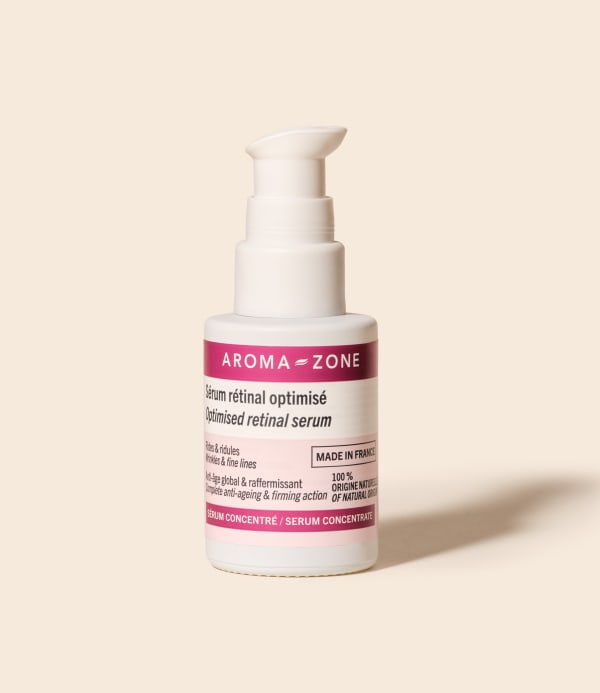
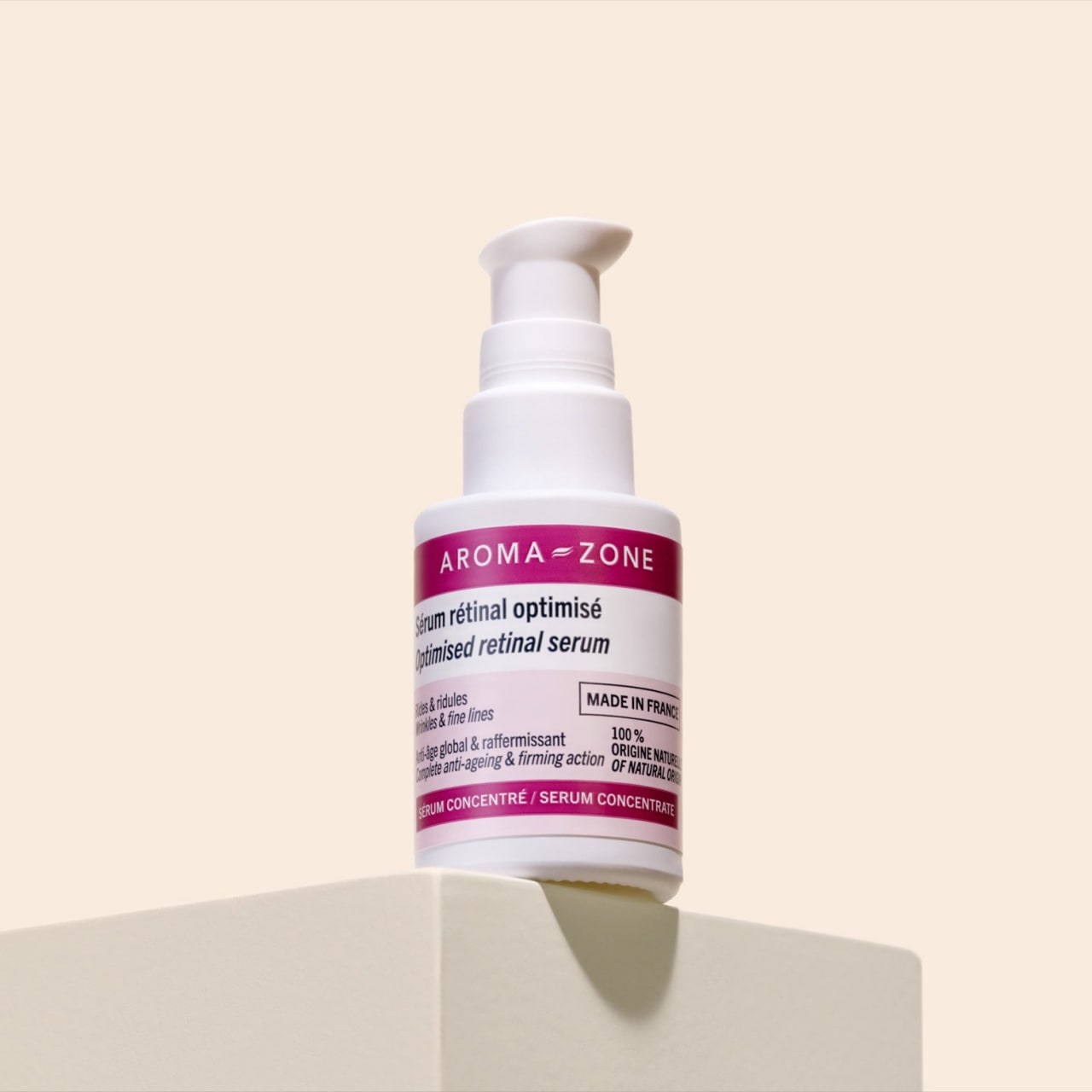
Retinal: is a derivative of vitamin A and a direct precursor to retinoic acid. It is therefore an excellent alternative to tretinoin for skin seeking anti-ageing or anti-blemish efficacy with better tolerability. It helps firm the skin, smooth fine lines and wrinkles, fade dark spots, and reduce blemishes. When applied topically, retinal is generally better tolerated than tretinoin, while offering comparable efficacy.
Like all vitamin A derivatives (retinal, retinol, tretinoin…), it is photosensitising: its application is therefore recommended in the evening, in combination with sunscreen during the day.
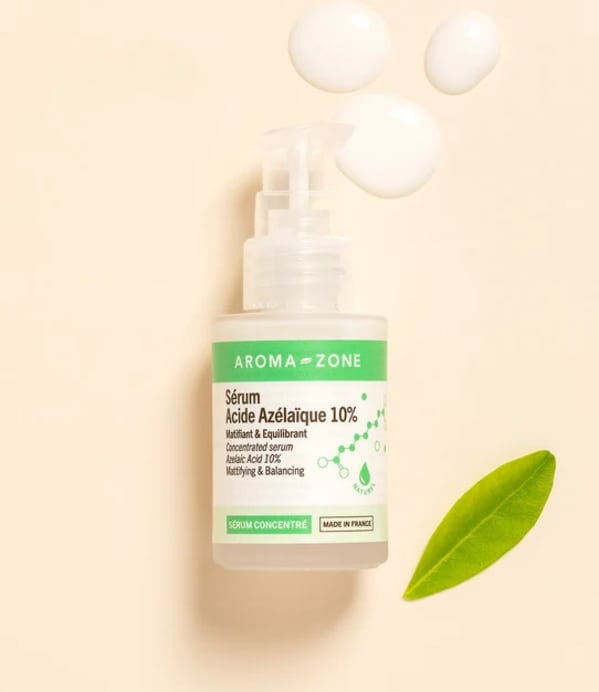
Azelaic acid: is a dicarboxylic acid known for its keratolytic, antibacterial, and anti-inflammatory properties. It is particularly recommended for skin prone to acne, rosacea, or diffuse redness. Thanks to its good skin tolerance, it is an attractive alternative to tretinoin for sensitive skin.
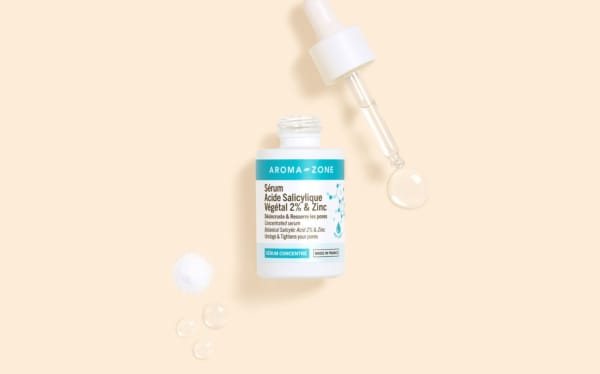
Salicylic acid: extracted from willow bark (Salix nigra berk), it helps unclog pores thanks to its keratolytic properties. This property also helps even out and revitalise dull complexions. Salicylic acid stimulates collagen production, which helps reduce the appearance of wrinkles. However, this active ingredient is not recommended for sensitive skin, as it can cause irritation. It is recommended to apply it in the evening and not to combine it with AHAs.
Discover the products: Concentrated Serum with 2% Plant-Based Salicylic Acid & Zinc, Fluid Cream with Zinc Hyaluronate & Plant-Based Salicylic Acid
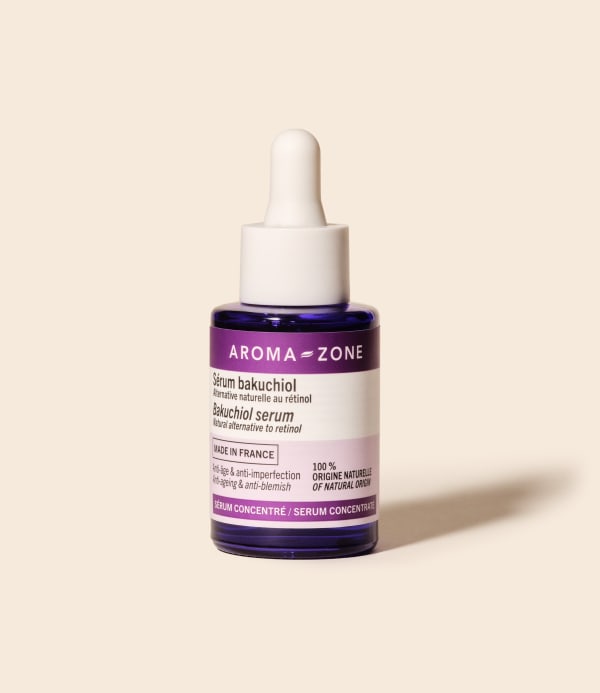
Bakuchiol: an extract derived from Psoralea corylifolia, with anti-ageing, antioxidant, anti-inflammatory, and anti-dark spot properties. It is ideal for mature, dull, and/or acne-prone skin. In fact, bakuchiol inhibits melanin production, stimulates collagen production, and fights against P. acnes, one of the bacteria responsible for acne.
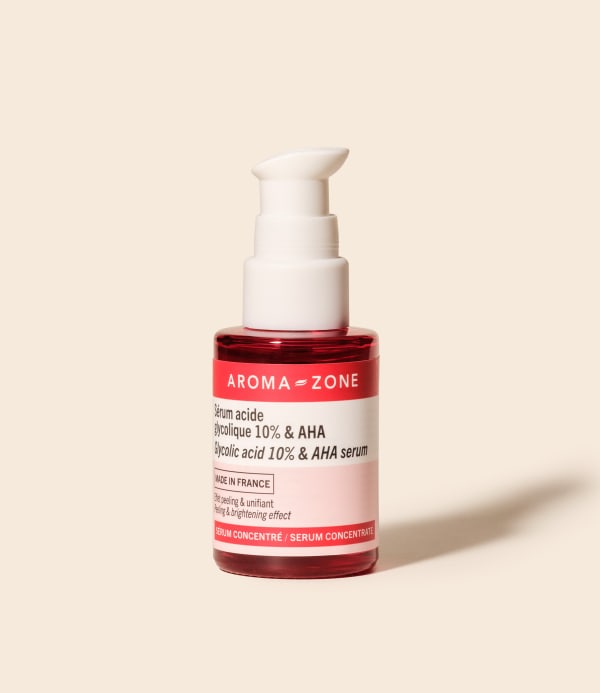
Glycolic acid : This acid is a chemical exfoliant that stimulates skin renewal, thereby reducing dark spots, wrinkles, and blemishes. It is ideal for treating hyperpigmentation and marks caused by ageing, UV exposure and smoking. It is recommended to use it in the evening and to apply sunscreen.
Arbutin: extracted from bearberry (Arctostaphylos uva-ursi) or pear (Pyrus communis), arbutin is a natural active ingredient with anti-dark spot and antioxidant properties. It works by inhibiting the enzyme tyrosinase, which is responsible for melanin production, thereby limiting the appearance of pigmentation spots. Arbutin helps even out the complexion while protecting the skin from oxidative stress.
What combinations and interactions should be considered?
Tretinoin can cause irritation, redness, and flaking, which is why it is advisable to use soothing ingredients and active ingredients.
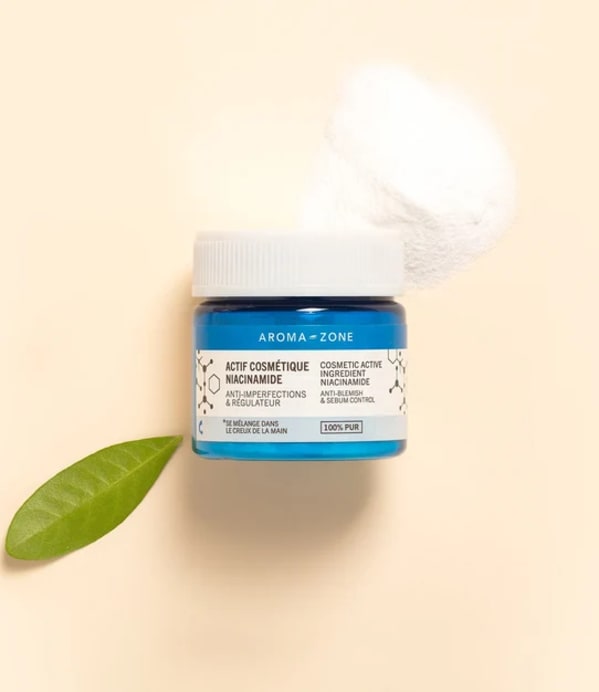
Niacinamide: is a soothing active ingredient thanks to its anti-inflammatory properties and strengthens the skin barrier, which helps reduce the side effects of retinoic acid. But these aren’t its only beneficial properties: it regulates sebum and fades dark spots, thereby enhancing the effects of vitamin A derivatives.
Discover the cosmetic ingredient Niacinamide
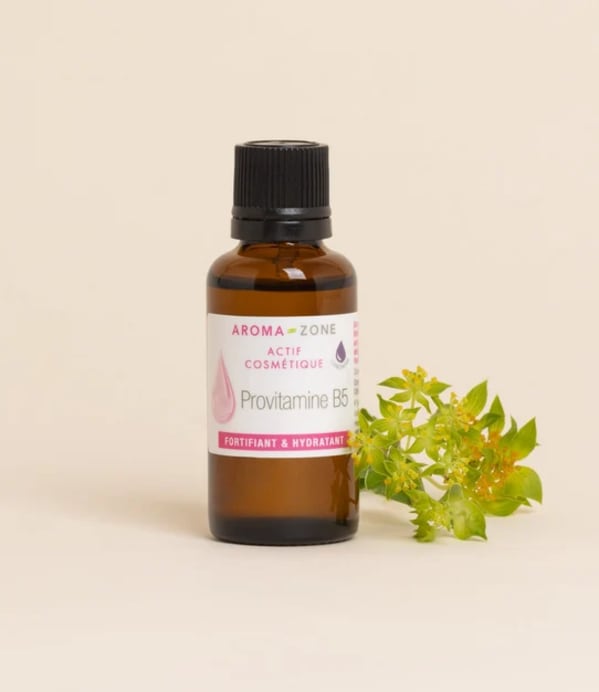
Panthenol : sometimes called provitamin B5, is a moisturising agent that promotes skin regeneration. It acts as a humectant by drawing water into the skin. Additionally, it helps restore the skin barrier by strengthening the lipid structure of the skin’s stratum corneum, thereby reducing transepidermal water loss. And finally, it reduces redness.
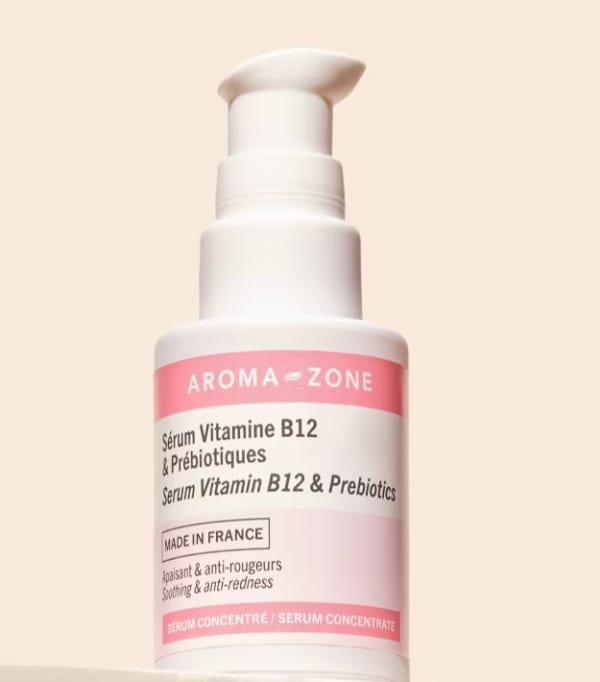
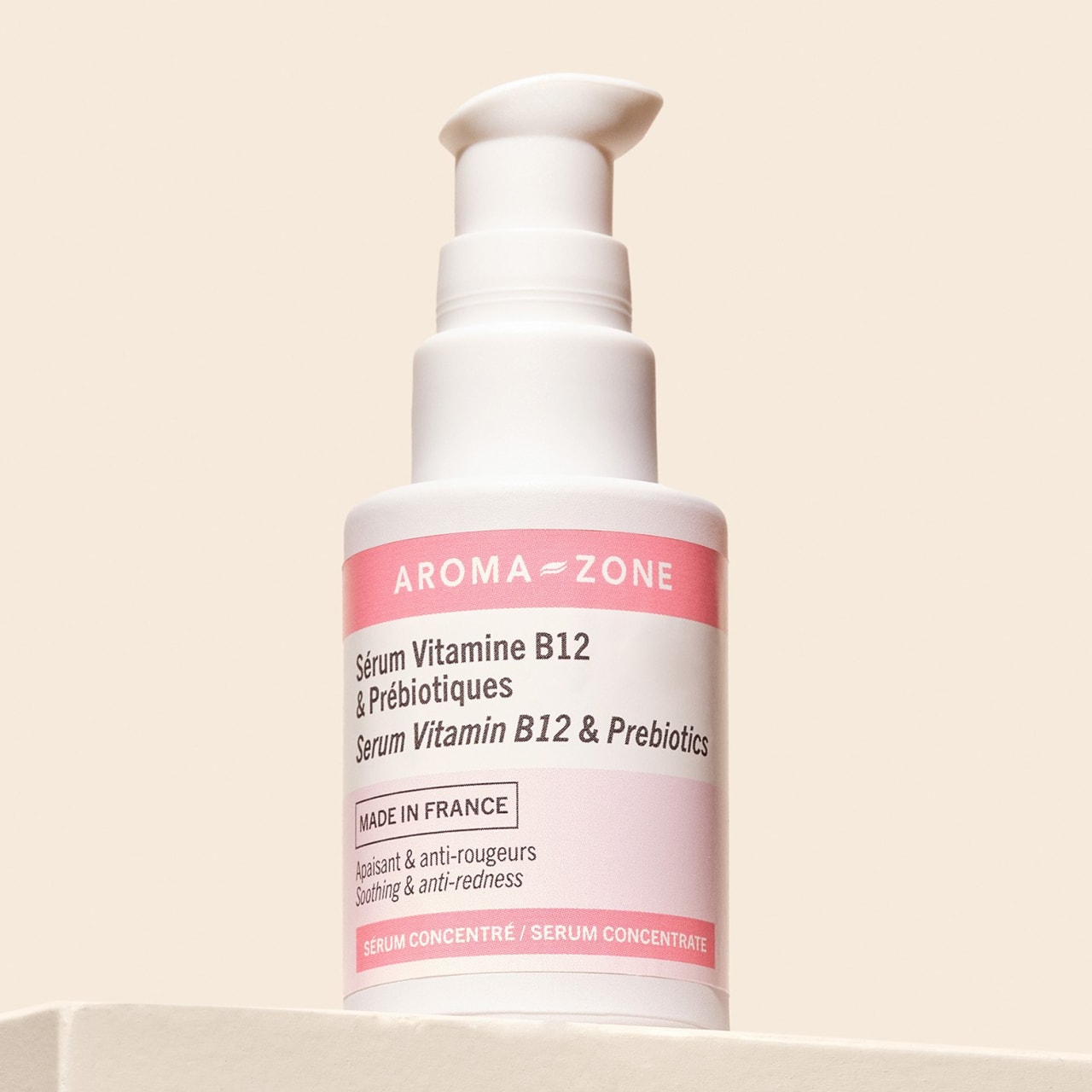
Vitamin B12 & Prebiotics Serum : This serum is designed to soothe sensitive skin: it calms the skin with vitamin B12, glycyrrhizic acid, and barley polypeptides; rebalances the skin microbiome with prebiotics; and strengthens the skin barrier with NP ceramides.
Glycyrrhizic acid : extracted from licorice (Glycyrrhiza glabra), this active ingredient has soothing and depigmenting properties. Glycyrrhizic acid is distinguished by its anti-inflammatory, antioxidant, and antihistamine properties, which help calm skin reactions. Thanks to its film-forming effect, it strengthens the skin barrier, allowing the skin to better resist external aggressors while reducing water evaporation, thereby limiting dehydration. This not only helps reduce the side effects of tretinoin but also enhances its anti-dark spot activity by inhibiting melanin production.
Storage instructions
For optimal preservation of your product, store it at room temperature and away from light, making sure to close the container tightly after use.
Contraindications / precautions for use
Tretinoin is a powerful active ingredient, reserved for use by prescription only. Its effectiveness comes with essential precautions that must be followed for safe and optimal use.
Recommended tolerance test: Before the first application, perform a skin test by applying a small amount of the product to the crook of your elbow or behind your ear. Wait 24 hours to observe any reaction.
Nighttime application: Use tretinoin only in the evening, on clean and completely dry skin, to minimise the risk of photosensitivity.
Gradual introduction: Start by applying every two to three days, then gradually increase the frequency depending on your skin’s tolerance.
Moisturising is essential: Always use a moisturiser in conjunction with tretinoin to soothe the skin and minimise tightness, redness or flaking.
Sun protection is mandatory: Apply a broad-spectrum sunscreen (SPF 30 minimum) every morning. Tretinoin increases the skin’s sensitivity to UV rays, even with indirect exposure.
Areas to avoid: Do not apply the product to irritated or broken skin. Also avoid the eye and lip areas. If contact occurs, rinse thoroughly with clean water.
Contraindicated for pregnant or breastfeeding women
Spotlight on our specialist writer, Auriane Oline

With master’s degrees in phytochemistry and cosmetic formulation, Auriane applies her scientific expertise to skincare. Passionate about the power of plants, she collaborates with committed brands to provide reliable, educational and caring content. Specialising in sensitive and atopic skin conditions, she clearly explains cosmetic active ingredients and skin mechanisms to make the information accessible to everyone. She also shares her advice on her Instagram account @phytophileae.
Bibliography
Szymański, Ł., Skopek, R., Palusińska, M., Schenk, T., Stengel, S., Lewicki, S., ... & Zelent, A. (2020).
Retinoic acid and its derivatives in skin. Cells, 9(12), 2660.
Mambwe, B., Mellody, K. T., Kiss, O., O'Connor, C., Bell, M., Watson, R. E., & Langton, A. K. (2025).
Cosmetic retinoid use in photoaged skin: A review of the compounds, their use and mechanisms of action. International Journal of Cosmetic Science, 47(1), 45-57.
Mukherjee, S., Date, A., Patravale, V., Korting, H. C., Roeder, A., & Weindl, G. (2006).
Retinoids in the treatment of skin aging: an overview of clinical efficacy and safety. Clinical interventions in aging, 1(4), 327-348.
Beckenbach, L., Baron, J. M., Merk, H. F., Löffler, H., & Amann, P. M. (2015).
Retinoid treatment of skin diseases. European Journal of Dermatology, 25, 384-391.
Kolli, S. S., Pecone, D., Pona, A., Cline, A., & Feldman, S. R. (2019).
Topical retinoids in acne vulgaris: a systematic review. American Journal of Clinical Dermatology, 20, 345-365.
https://www.vidal.fr/medicaments/substances/tretinoine-3558.html