The Best Iron Supplements

The Best Iron Supplements


By Marie Anne Vion

Published on: Monday, January 26, 2026, Updated on: Friday, October 30, 2026

Essential for energy and vitality, iron contributes to our everyday balance. Yet certain lifestyles or stages of life can make it harder to get enough. When and why might you consider an iron-rich food supplement? Which natural ingredients can support the body without upsetting the balance of your diet? This article helps you better understand the options available and take an informed, mindful approach.

Contents

Related products

What Is Iron?

Iron is a trace element essential for the body to function properly. Although present in very small quantities in the body, it is nonetheless crucial, as it is a component of many proteins and enzymes. It exists in two main forms in the diet: haem iron, derived from animal sources, which is better absorbed by the body, and non-haem iron, of plant origin, the absorption of which can vary depending on the nutritional context.

As the body does not produce iron, it must be obtained from the diet or, if necessary, from iron-rich dietary supplements designed to prevent any deficiencies.
What Is Its Role in the Body?

Iron is involved in many essential bodily functions. Its role goes far beyond simply producing red blood cells. Here are its main functions in detail:

Oxygen Transport

Iron is a central component of haemoglobin, the protein in red blood cells that transports oxygen from the lungs to the cells. It is also a component of myoglobin, which stores oxygen in the muscles.

Energy Production

Iron contributes to cellular energy production by playing a part in the electron transport chain within the mitochondria. An iron deficiency can therefore lead to persistent fatigue, even without diagnosed anaemia.

How the Immune System Works

Iron plays a role in the maturation and function of immune cells. A deficiency can weaken the body’s natural defences and make it more vulnerable to infections.

Neurotransmitter Synthesis

Iron is necessary for the synthesis of certain neurotransmitters such as dopamine, noradrenaline and serotonin, which are essential for nervous system balance, concentration and mood.

Growth and Development

In children, iron is essential for cognitive development, growth and tissue formation. Deficiency during periods of growth can have long-term health consequences.

What Are the Benefits of Iron?

Iron is a trace element essential for numerous biological functions. Adequate intake helps maintain good energy levels, supports the immune system, and prevents certain deficiencies. Here are its main benefits:

  • Prevention of iron-deficiency anaemia: Iron is vital for the production of haemoglobin, which is essential for transporting oxygen in the blood.

  • Reduced fatigue: By improving cellular oxygenation, iron helps restore energy and vitality.

  • Support for the immune system: It contributes to the proper functioning of the immune system.

  • Maintenance of cognitive functions: Iron plays a role in concentration, memory and intellectual performance.

  • Support for physical endurance: By promoting the transport of oxygen to the muscles, it improves physical performance.

  • Growth and development: In children and adolescents, iron is essential for healthy growth and neurological development.

These benefits highlight the importance of a regular intake, particularly during key stages of life.

What Are the Signs of an Iron Deficiency?

Here are the most common signs of iron deficiency:

  • Constant tiredness

  • Shortness of breath on exertion or palpitations

  • Pale complexion

  • Headaches

  • Restless legs syndrome

  • Attention problems and difficulty concentrating

  • Brittle nails, hair loss or dry skin

  • Extremities (hands and feet) are often cold

  • Weakened immune system

Medical advice and a blood test are always recommended before considering taking supplements.

How Can Food Supplements Support Iron Levels?

When diet alone is not sufficient to meet requirements, iron-rich dietary supplements can play a key role in maintaining optimal iron levels. They help to correct or prevent a deficiency, particularly in people with increased needs (pregnant women, teenage girls, vegetarians, athletes, etc.), or in cases of persistent fatigue or confirmed anaemia.

Iron supplements are formulated to improve absorption and digestive tolerance. They come in various forms (tablets, capsules, powders, etc.) and sometimes combine iron with other synergistic nutrients, such as vitamin C, which aids absorption. The choice of form (iron bisglycinate, iron gluconate, iron fumarate, etc.) will depend on individual tolerance and the advice of a healthcare professional.

When used correctly, these supplements help to replenish the body’s reserves without upsetting the digestive system, and form part of an overall nutritional routine to restore vitality and balance.

What Iron-Rich Food Supplements Are Available?

There are several options that can help improve iron intake, particularly for people with increased needs or restricted diets.

Among the most common alternatives are:

  • Spirulina, often recommended as a plant-based source of iron. This microalgae is nutrient-rich and provides a good source of iron, particularly for vegetarians. Its natural form, spirulina, is well tolerated, making it a useful supplement for prevention or mild support, especially when combined with vitamin C.

  • Iron-rich tablets available on the market (derived from sources such as bisglycinate, gluconate or fumarate) are designed for optimal absorption. Some are enriched with vitamin C or tonic herbs to enhance iron absorption while minimising digestive side effects.

  • Multivitamin supplements, which often contain iron alongside other minerals and vitamins, can meet moderate requirements, particularly during seasonal changes, periods of fatigue or for people recovering from illness.

These iron-rich dietary supplements can prove useful as part of a holistic approach to restoring balance, provided they are carefully selected and used in accordance with each individual’s profile and needs.

Our natural solutions to support iron levels

slider-spirulina

Spirulina

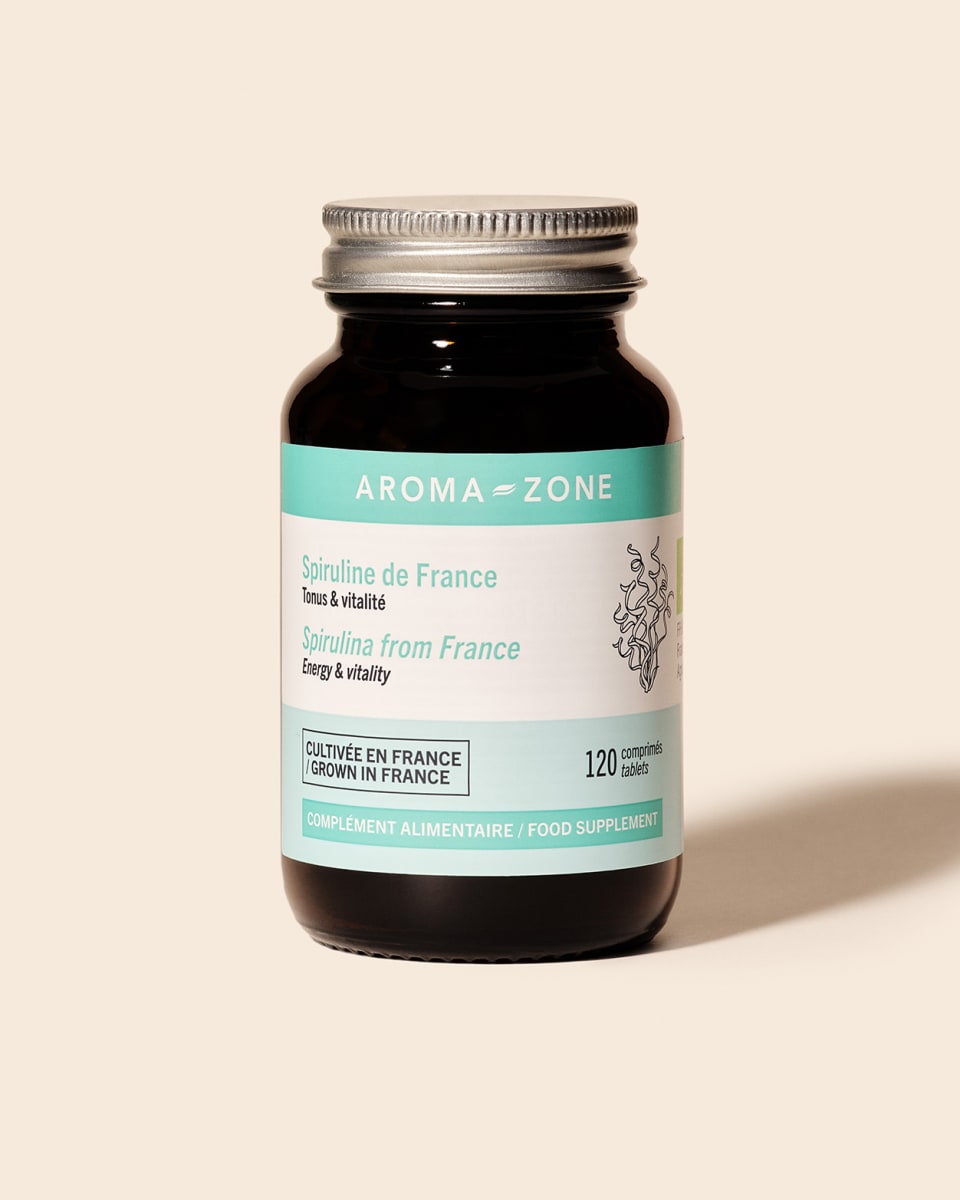
Spirulina is a microalgae renowned for its high nutrient content, particularly bioavailable iron and complete proteins. Grown in France and cold-pressed without any additives, this organic spirulina is of premium quality, ideal during periods of fatigue or to supplement a vegetarian diet. Thanks to its high concentration of phycocyanin, an antioxidant pigment, it also helps protect cells against oxidative stress and boost overall vitality. It is particularly suitable for people with increased iron requirements, such as women with heavy periods, athletes or those recovering from illness.

This spirulina is intended for adults. It is not recommended for people with liver or muscle disorders, iron overload (haemochromatosis), phenylketonuria or high uric acid levels. Do not exceed the recommended dose. Medical advice is recommended for pregnant or breastfeeding women. In sensitive individuals, reactions related to phycocyanin may occur.

Discover Spiruline France BIO – 120 tablets – Food supplement

Vitamin C

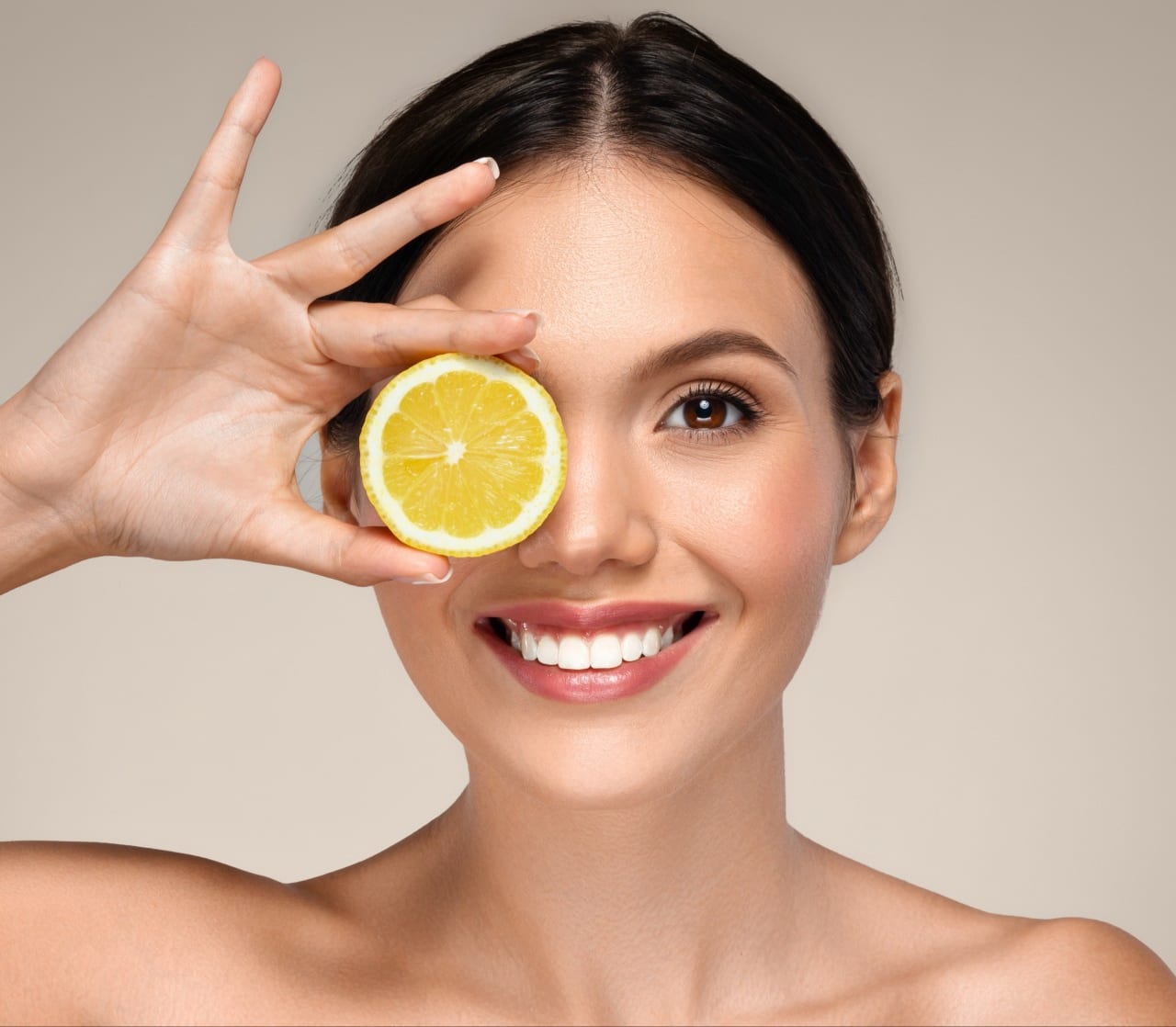
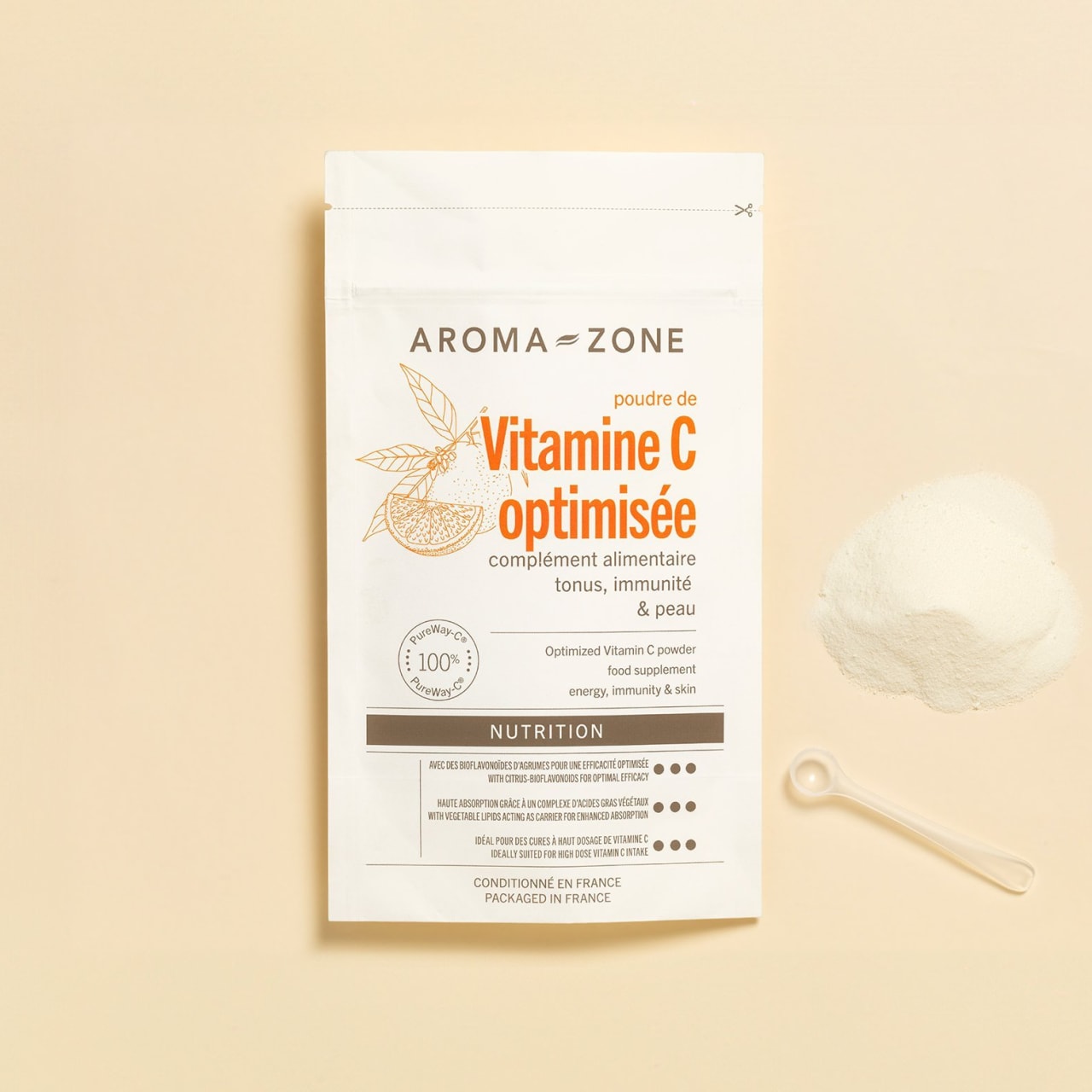
This Vitamin C supplement, formulated using the patented PureWay-C® complex, combines natural bioflavonoids derived from citrus fruits with plant-based lipids for better absorption and gentle digestion. As well as supporting the immune system and reducing fatigue, vitamin C plays a key role in improving the absorption of iron, particularly from plant sources. It is therefore an excellent supplement for boosting iron intake whilst helping to protect against oxidative stress. Easy to incorporate into your daily routine, it mixes easily into a glass of water, juice or a smoothie.

Store in a cool, dry place, away from light. For adults only. Do not exceed the recommended daily dose. Pregnant or breastfeeding women should seek medical advice. Keep out of reach of children.

Discover Optimised Vitamin C Powder – 150 g – Food supplement
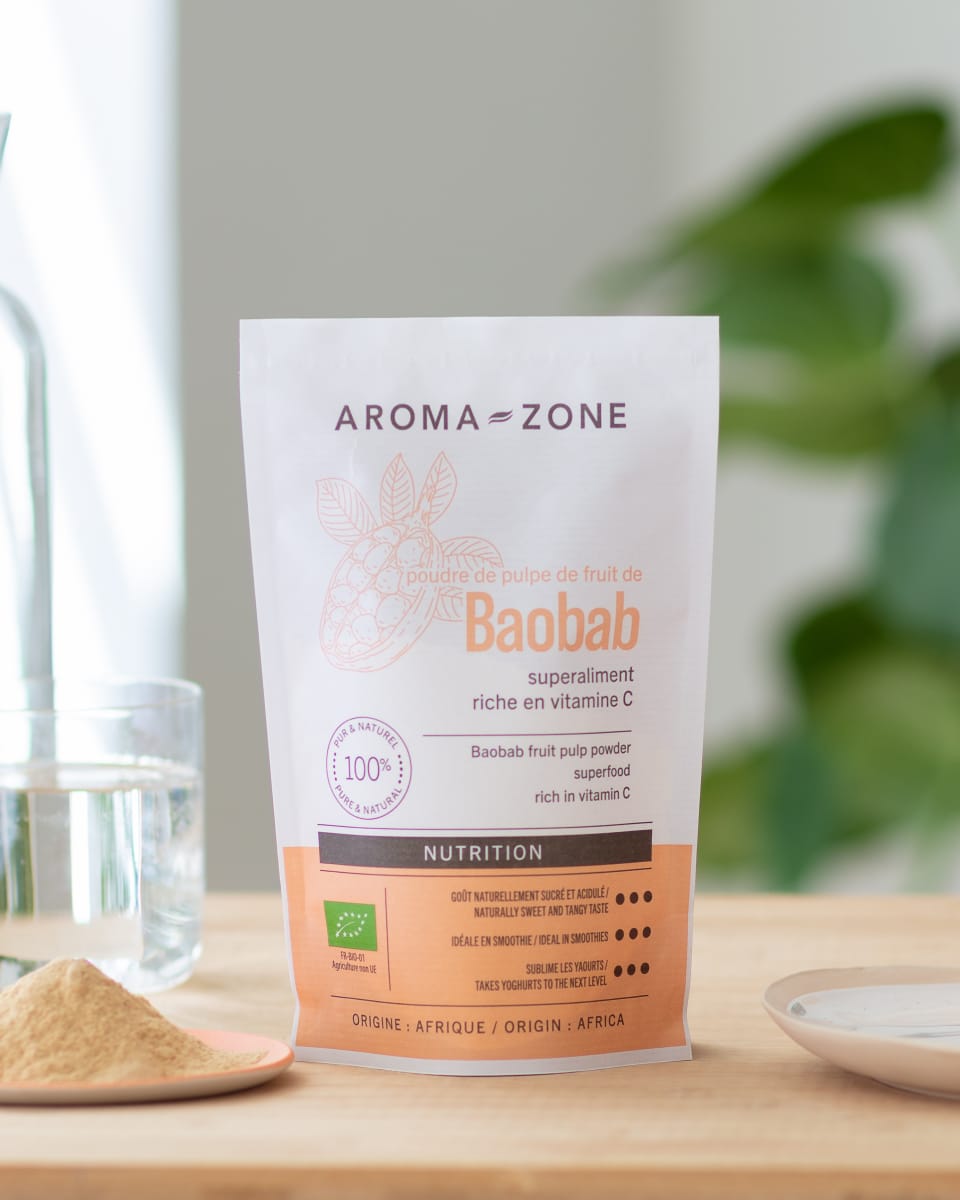
Organic Baobab Fruit Pulp Powder

Baobab Fruit Pulp

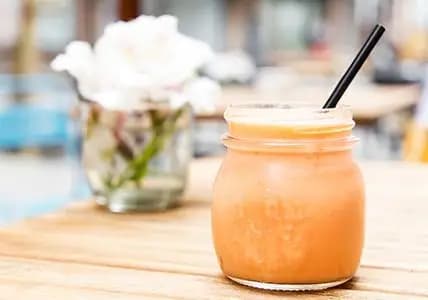
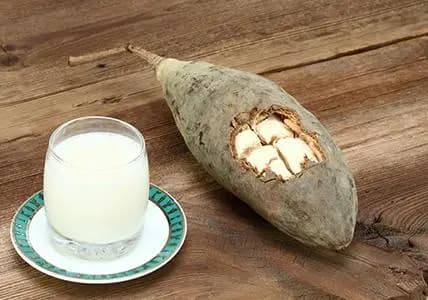
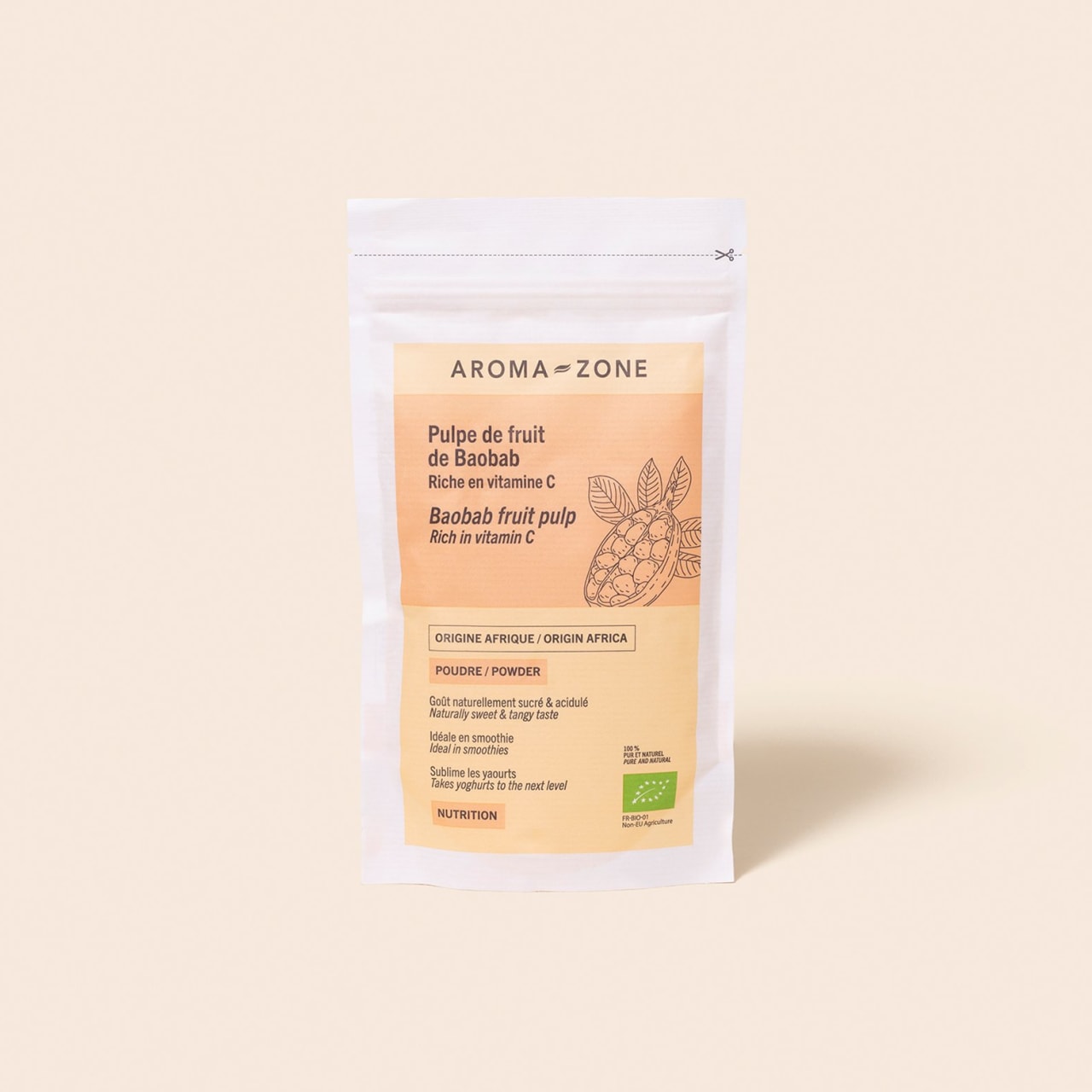
Baobab fruit pulp, from Africa, is a rich natural source of vitamin C, with a concentration far higher than in citrus fruits. Rich in calcium, fibre and antioxidants, it helps maintain energy levels and vitality on a daily basis. It also boosts your vitamin C intake, which is essential for better iron absorption, while adding a delicious touch to your drinks and recipes. Its tangy flavour blends perfectly into smoothies, homemade juices, yoghurts or desserts.

Store in a dry place, away from light. Close the lid tightly after each use. Keep out of reach of children.

Discover Organic Baobab Fruit Pulp Powder

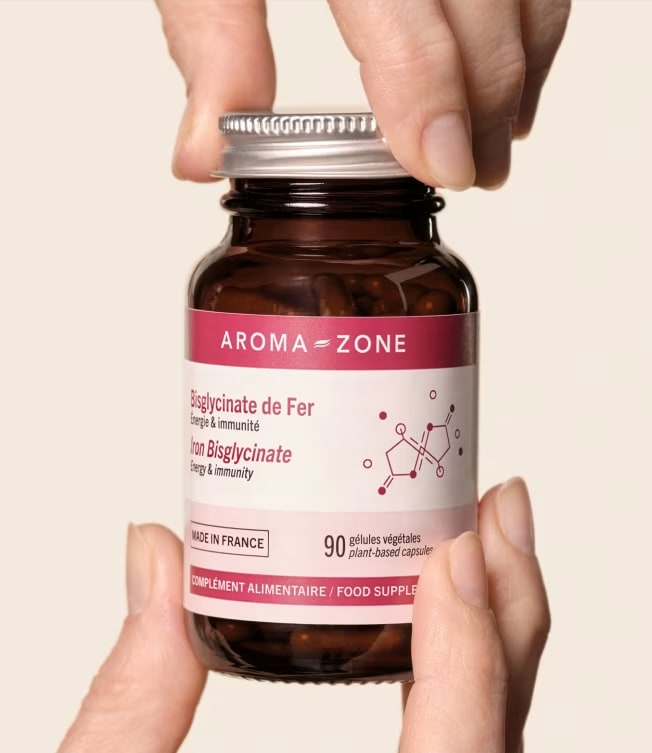
Spotlight on our Iron Bisglycinate Dietary Supplement

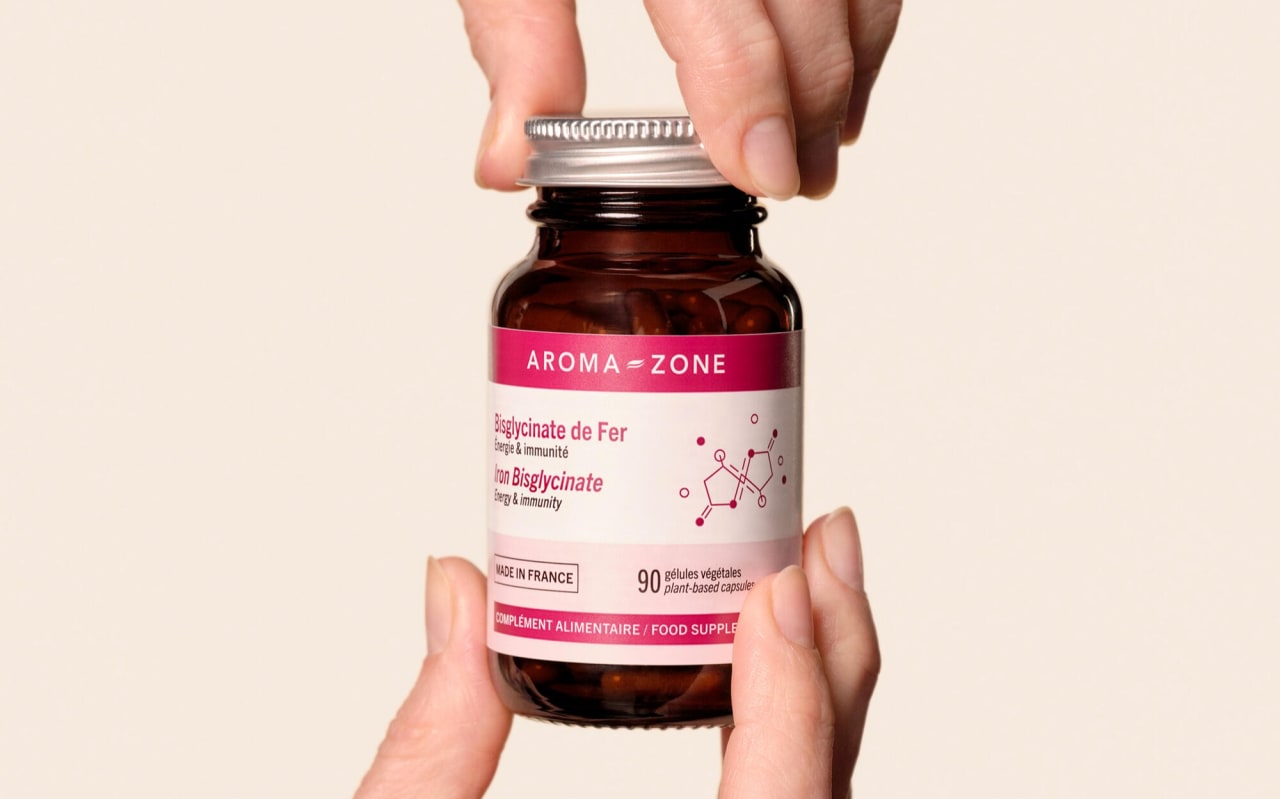
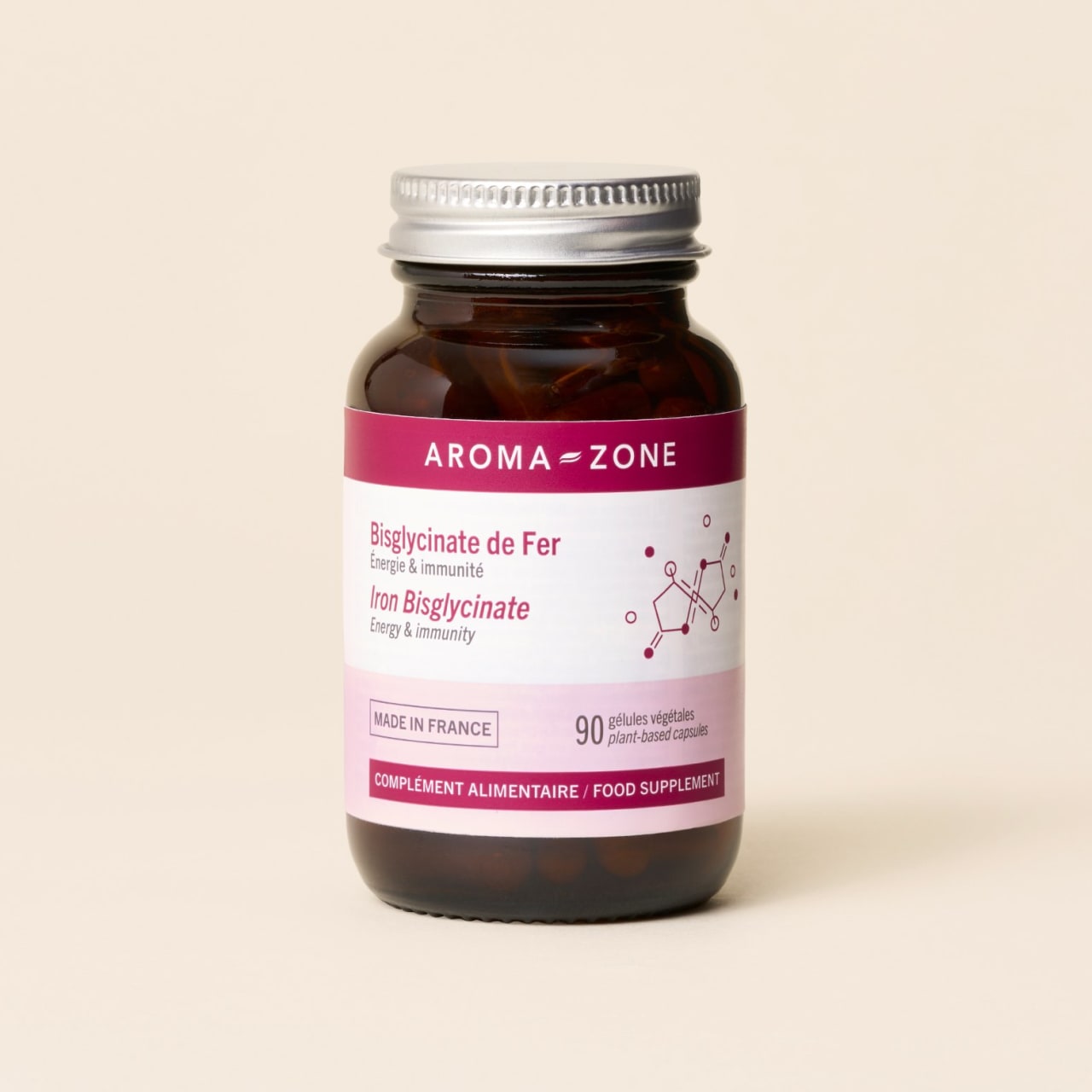
Iron Bisglycinate – 90 capsules – Dietary supplement

The Iron Bisglycinate Dietary Supplement combines two patented ingredients with high nutritional value: Ferrochel® Iron, a chelated form recognised for its high bioavailability and digestive tolerance, and PureWay-C® Vitamin C, which enhances iron absorption whilst protecting cells from oxidative stress. With just one capsule a day, this comprehensive formula provides 100 per cent of the recommended daily intake of iron and vitamin C. It helps reduce fatigue and supports red blood cell formation, oxygen transport, energy metabolism, cognitive function and the immune system. It is particularly suitable for people prone to iron deficiency (women, athletes, vegetarians, etc.) or during periods of physical vulnerability.

This supplement is for adults only and must not be used in cases of conditions leading to iron overload (haemochromatosis, polycythaemia, etc.). It is not a substitute for a balanced diet or medical supervision. It is recommended not to exceed the dose of one capsule per day and to seek medical advice before taking any supplements, particularly for pregnant or breastfeeding women. Designed as a 3-month course of treatment, this supplement is suitable for vegetarians and vegans. As with any iron-based product, keep it out of reach of children and use it only if a healthcare professional has identified a deficiency.

How Can You Keep Your Iron Levels Healthy?

Maintaining healthy iron levels depends on simple, consistent habits. Here are some effective tips to incorporate into your daily routine:

  1. Eat a varied diet, including sources of haem iron (meat, fish, offal) and non-haem iron (pulses, green leafy vegetables, nuts and seeds).

  2. Combine iron-rich foods with sources of vitamin C (peppers, citrus fruits, kiwi fruit, parsley, etc.) to aid absorption.

  3. Limit your intake of tea or coffee during meals, as their tannins inhibit iron absorption.

  4. Opt for gentle cooking methods: These better preserve micronutrients and improve the bioavailability of iron.

  5. Consider appropriate supplementation, in the form of an iron-rich dietary supplement, if dietary intake is insufficient or in cases of increased requirements (pregnancy, heavy periods, intense exercise, a vegetarian diet, etc.).

These simple tips, combined with paying close attention to your body, will help you maintain your iron stores daily.

Recipes

Precautions

While iron-rich dietary supplements can meet certain needs, they are not harmless. Because iron is a trace element the body stores, excess can cause adverse effects such as digestive problems (nausea, constipation) or, over the long term, iron overload (haemochromatosis), which can harm the liver and other organs.

Therefore, it is not advisable to start a course of iron-rich dietary supplements without medical advice or without having your iron levels checked via a blood test. Requirements vary according to age, gender, dietary habits and health conditions (pregnancy, heavy periods, intensive exercise, etc.).

Finally, certain supplements may interact with medicines (antibiotics, thyroid treatments, etc.). Follow the recommended dosages and seek advice from a healthcare professional if you are unsure, especially if you have chronic conditions, are on ongoing treatment, or are pregnant.

Expert Advice

Diet remains the foundation of a healthy iron balance. Vary your sources by pairing iron-rich foods (meat, fish, pulses, green vegetables) with vitamin C sources (peppers, citrus fruits, parsley, etc.) to promote iron absorption. Pay particular attention if you have heavy periods, follow a vegetarian diet, or experience persistent fatigue. In some situations, iron-rich dietary supplements may be recommended, provided they are carefully tailored to your needs. The key is to listen to your body and take a consistent, caring approach, seeking support where necessary.

Spotlight on Our Nutrition and Food Expert, Marie-Anne Vion

Marie-Anne Vion.jpg

Faced with digestive disorders such as IBS and SIBO, Marie-Anne turned to nutrition and natural solutions. Passionate about wellbeing, she is now studying dietetics and nutrition. She shares her expertise through articles that offer accessible advice and insights. Drawn to the brand's natural approach, she helps promote a balanced diet and self-reliance in health matters.

Bibliography

  1. ANSES. Everything you need to know about iron. 27 October 2022. Accessed in January 2026.

    https://www.anses.fr/fr/content/tout-savoir-sur-le-Fer

  2. ANSES. Nutritional references for vitamins and minerals. 21/02/2025. Accessed in January 2026.

    https://www.anses.fr/fr/content/les-reFerences-nutritionnelles-en-vitamines-et-mineraux

  3. Améli. Symptoms and diagnosis of iron-deficiency anaemia. 08/09/2025. Accessed in January 2026.

    https://www.ameli.fr/assure/sante/themes/anemie-par-carence-en-Fer/

  4. Aurélie Jourdain. Iron deficiency without anaemia: aetiology and management. THESIS FOR THE STATE DIPLOMA OF DOCTOR OF PHARMACY. 2021.

    https://dumas.ccsd.cnrs.fr/dumas-05073836v1/document

  5. Lynch SR, Cook JD. Interaction of vitamin C and iron. Ann N Y Acad Sci.

    1980;355:32–44. doi: 10.1111/j.1749-6632.1980.tb21325.x. PMID: 6940487.

  6. Nanri H, Hara M, Nishida Y, Shimanoe C, Iwasaka C, Higaki Y, Tanaka K. Association between green tea and coffee consumption and body iron storage in Japanese men and women: a cross-sectional study from the J-MICC Study Saga.

    Front Nutr. 10 August 2023;10:1249702. doi: 10.3389/fnut.2023.1249702. PMID: 37637954; PMCID: PMC10449390.

  7. Sholzberg M, Hillis C, Crowther M, Selby R. Diagnosis and management of iron deficiency in women.

    CMAJ. 10 August 2025;197(27):E819-E827. French. doi: 10.1503/cmaj.240570-f. PMID: 40789601; PMCID: PMC12350412.

  8. Agarwal KN. Iron and the brain: neurotransmitter receptors and magnetic resonance spectroscopy.

    Br J Nutr. 2001 May;85 Suppl 2:S147-50. PMID: 11509103.

Frequently Asked Questions

Frequently Asked Questions