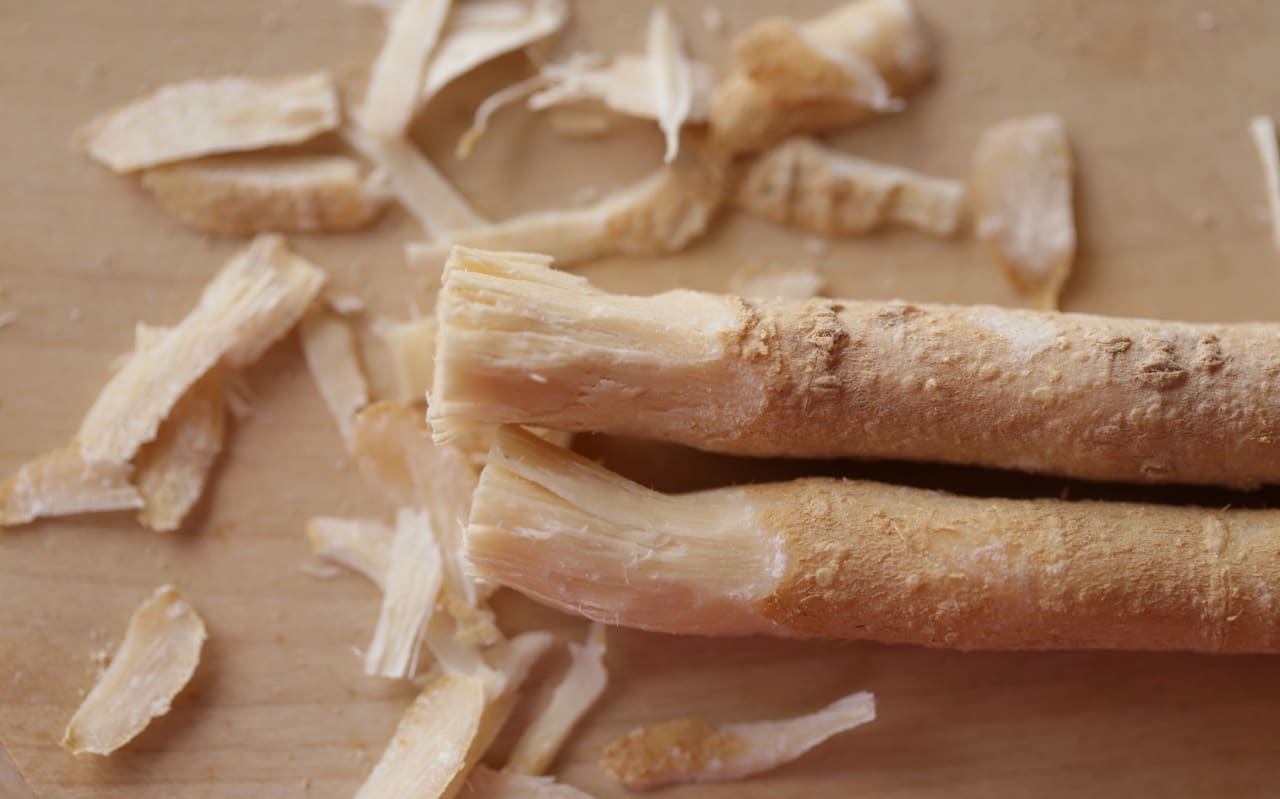
Siwak: An Ancient Tool for Dental Hygiene
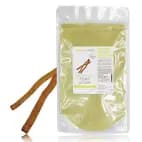
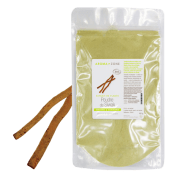
Siwak, also known as Miswak, Meswak or Arak wood, is a natural stick made from the roots or twigs of the Salvadora persica shrub, which has been used for thousands of years to clean teeth and support oral health. Once moistened and chewed lightly, its fibres separate to form a flexible structure capable of effectively scrubbing and cleaning the teeth, much like a toothbrush. Unlike ordinary wood, the fibres of Salvadora persica do not break or crumble: they separate smoothly to provide a texture that is soft, durable and perfectly suited to brushing teeth.
Botany and History of Siwak
The Salvadora persica is a remarkable shrub that grows in arid and semi-arid regions of the Middle East, East Africa, North Africa, India and certain parts of Asia. Its ability to withstand extreme conditions (intense heat, prolonged drought, saline soils) contributes to the richness of its tissues in protective, purifying and remineralising substances. The use of Siwak dates back to antiquity, from the Egyptian, Babylonian and Greek civilisations to Arab, African, and Asian traditions. It has endured through the centuries as a key tool for oral hygiene, valued for its ability to clean teeth, support gum health and keep breath fresh.
Today, Siwak is enjoying a resurgence of interest in the West due to its mechanical and biochemical properties, recognised in particular by the World Health Organisation (WHO). It is therefore a comprehensive tool that combines the function of brushing with a natural, active benefit, whilst being simple and environmentally friendly.
What Is It Made of?
The benefits of Siwak lie in a unique combination of plant fibres and active compounds that work together to support oral health:
Alkaloids (notably salvadorine): Powerful antibacterial agents capable of inhibiting the growth of pathogenic bacteria involved in the formation of plaque and tooth decay. Other alkaloids and saponins present also contribute to Siwak’s antibacterial action and natural cleansing power
Natural Silica: Provides a gentle, mild abrasiveness essential for removing surface stains (coffee, tea, tobacco) and for polishing the teeth without damaging the enamel. It also helps to remove dental plaque
Natural Fluorides: Naturally present in Siwak, they help to remineralise the enamel and prevent tooth decay. Plant-based fluoride provides gradual and balanced protection, without the risk of overexposure associated with synthetic fluorides
Tannins: Astringent polyphenols which help to tighten gum tissue, reduce minor bleeding and limit the build-up of dental plaque
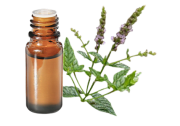
Essential Oils: Responsible for the characteristic aroma of Siwak, they provide a refreshing effect and help to neutralise the compounds responsible for bad breath
Resins: Create a protective film on the enamel and prolong the protective action of Siwak between brushings
Vitamin C: A powerful antioxidant that promotes the healing of small cuts and wounds on the gums, supporting their health and resilience
Minerals: Calcium and phosphorus strengthens and remineralises the enamel, whilst potassium, chloride, and sodium bicarbonate help to maintain a favourable chemical balance in the oral cavity
Sulphur: Present in the form of natural sulphur compounds, it has a purifying effect and helps to protect the oral mucosa
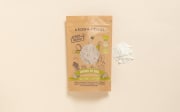
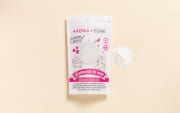
Good to Know: Siwak comes in various forms: raw sticks, powder, extracts or toothpastes made from Salvadora persica. The raw Siwak stick retains all its natural fibres and all its active compounds, ensuring optimal effectiveness. Derived versions remain practical and standardised, but certain molecules that are sensitive to heat or processing may be partially lost during manufacture.